Search results

Airport Insider: How Staff Fatigue, Shift Work Impact Safety
Most studies in aviation indicate that nearly all serious incidents are attributable to human factors, with fatigue playing a significant role.
FAA: Boeing Must Review 737 MAX Safety Documents
In the October 12 letter, the regulatory agency asked the company to reconsider the assumptions about the role of human factors in potentially dangerous safety events and further stated that the safety assessments should not contain human factors assumptions
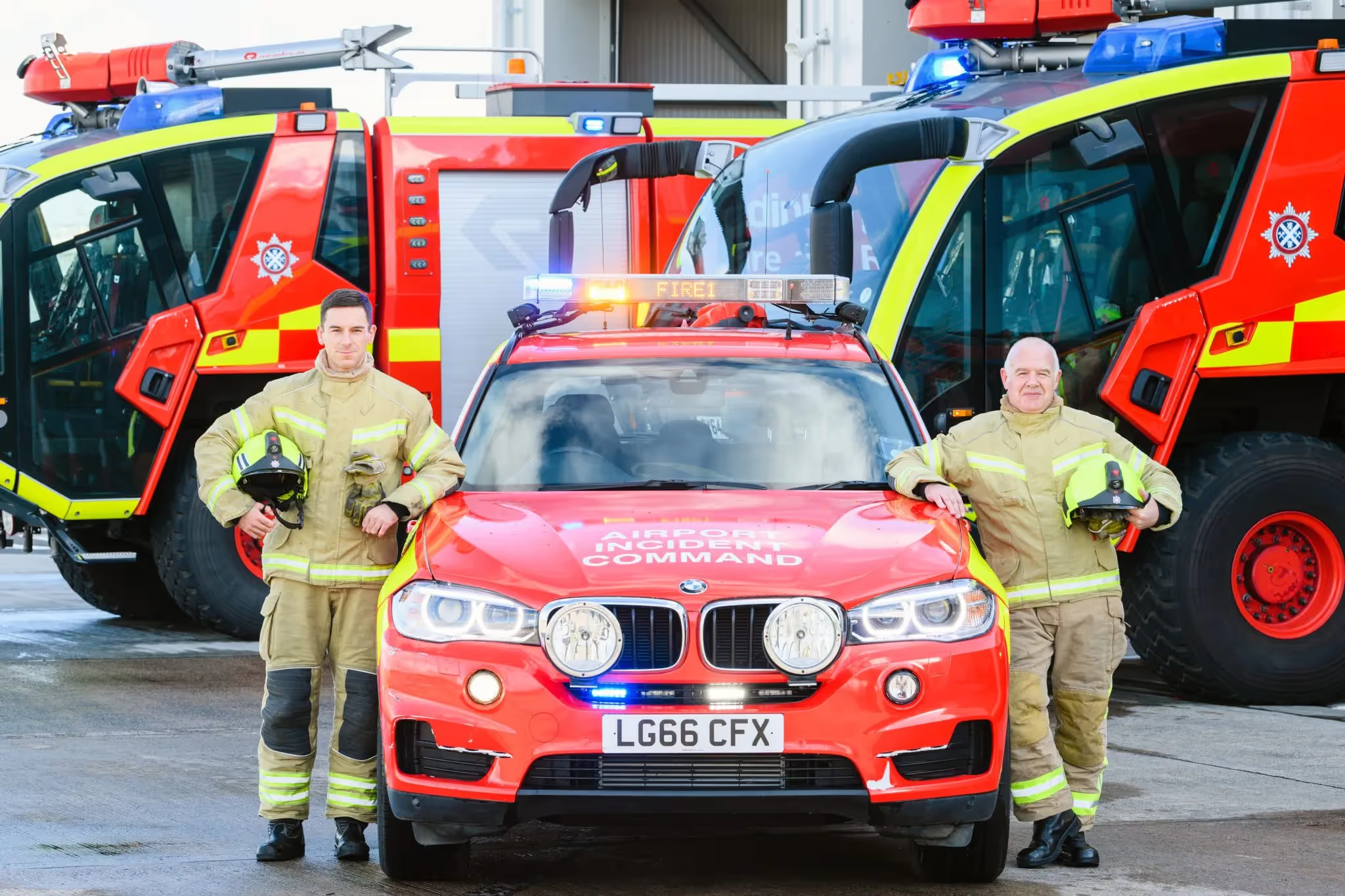
Explained: How Airports Train Their Firefighters
It encompasses vehicle dynamics, human factors considerations, stress management, and a high degree of cooperation with air traffic control (ATC) as aircraft size increases, air traffic volume increases, and margins of error dwindle.
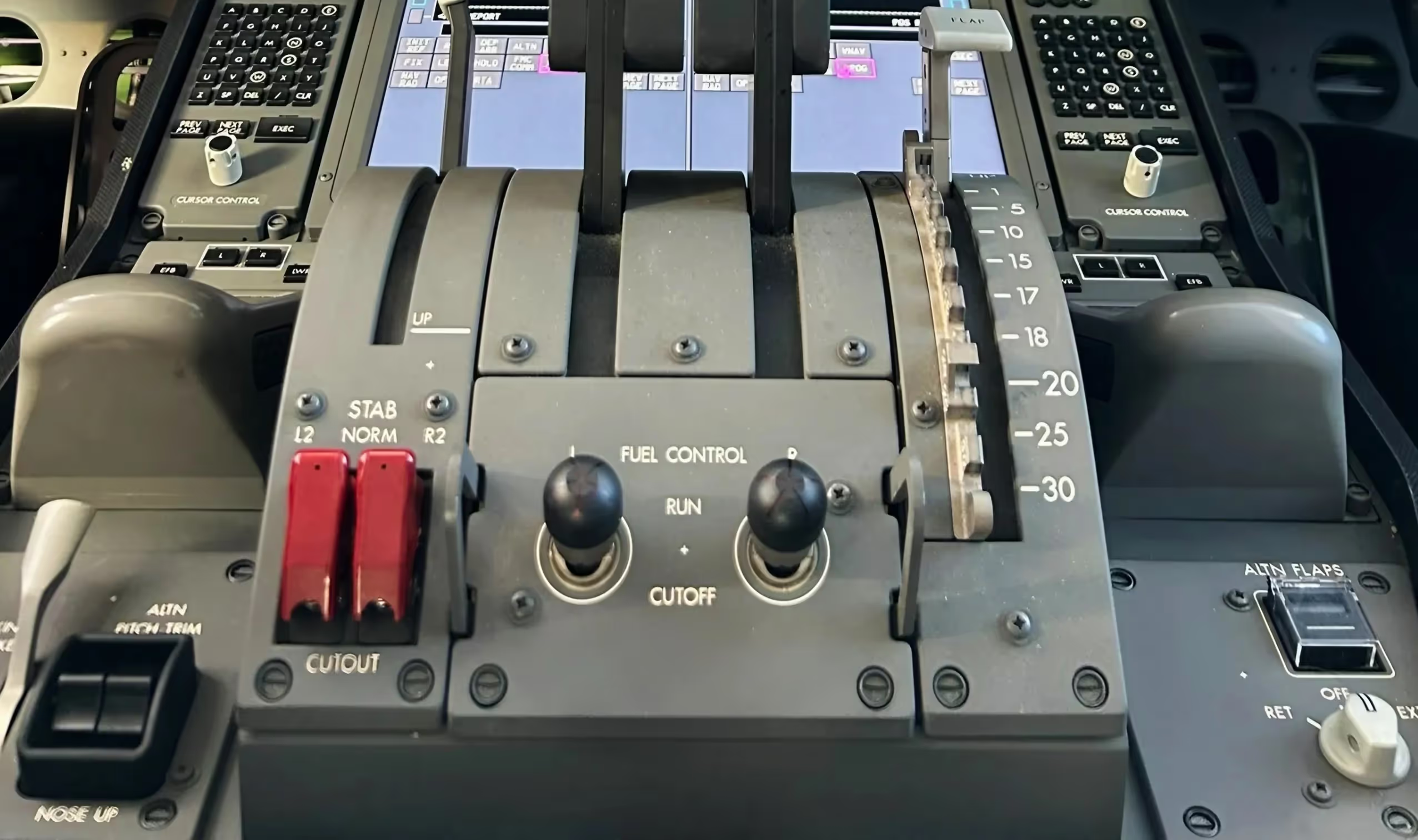
Op-Ed: AI171 Dual Fuel Switch Error, a Case of Pilot Fatigue?
This op-ed proposes a plausible sequence that aligns with technical systems and human factors involved: one pilot, likely fatigued or microsleeping, may have inadvertently toggled both guarded fuel control switches from RUN to CUTOFF.
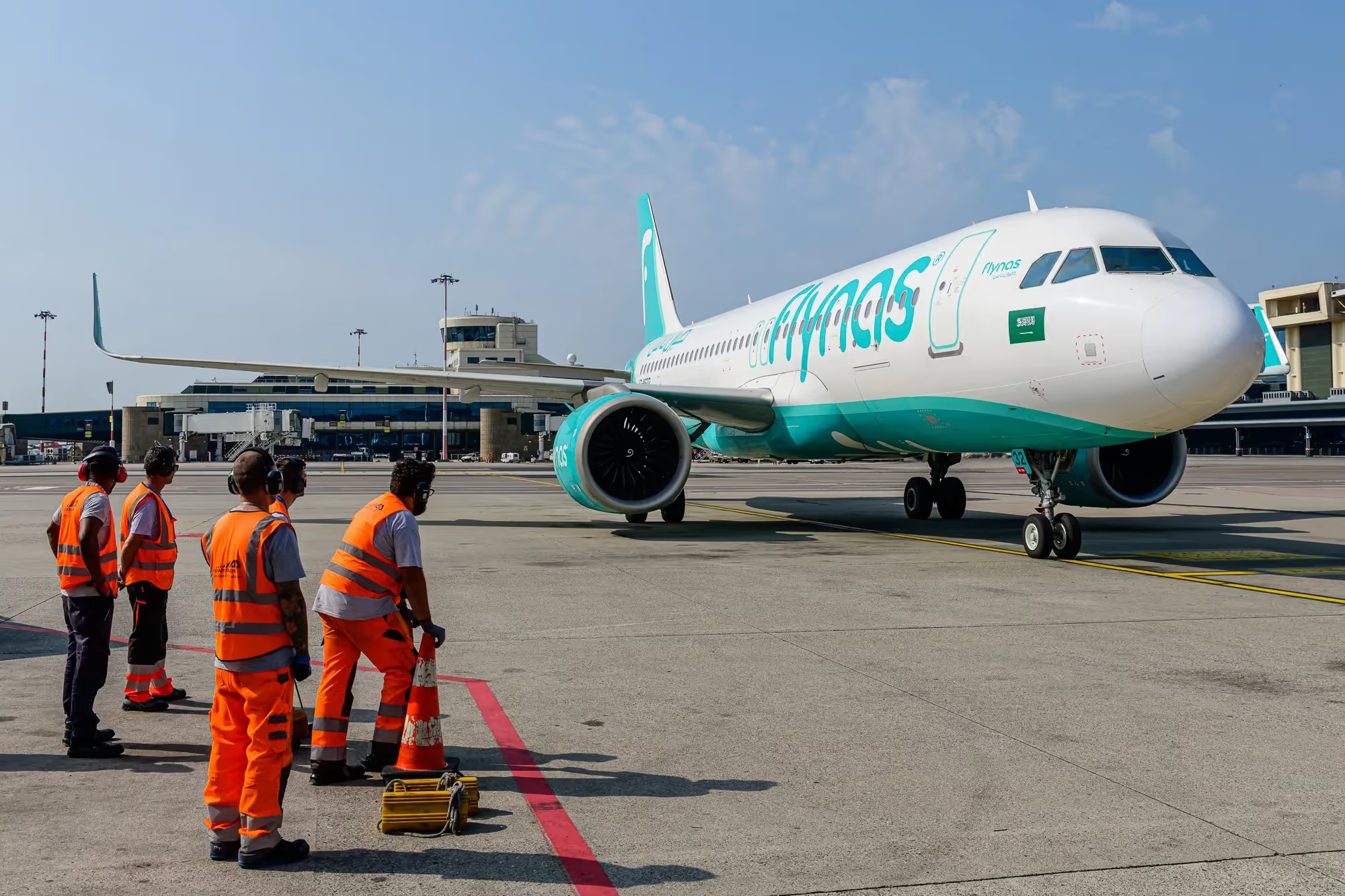
Airport Ramp Risks: Nitrogen in Aircraft Tires
The combination of heavy machinery, fuel, high-pressure systems, and human activity creates an environment where accidents can occur if safety protocols are not meticulously followed.
Apron Safety: More Than Just Yellow Lines, High-Vis Vests
Human movement and visibility on the tarmac. Communication between the cockpit crew and the ground staff. These rules aren’t just there for the sake of paperwork.
IATA Launches Aviation Training Partnerships in Saudi Arabia
Together, they will offer 60+ IATA-certified courses on airport planning, operations, safety, commercial skills, and human factors.
SVP Interview: Captain Bader Almarzooqi on Emirates Training
Pilots are trained to respond to human factors scenarios across multiple stages of the training program, in addition to evidence-based training that has been part of the airline’s procedures since 2018.
Malaysia Greenlights New Search for MH370
The team was divided into four groups: Airworthiness, Operations, Medical, and human factors. Ten years after the accident, there is no answer about what happened. Malaysia released its. final report. , which offers no causes and conclusions.
Avianca CEO Elected Chairman of ALTA's Executive Committee
Botelho added, "I am convinced that this flight that takes off today will be full of positive initiatives for the association, the industry, and our region, especially in the areas of sustainability, ESG, staff training and welfare, operations, technology, and human