Alaska Targets 15 Seattle Intercontinental Destinations, Expands Premium Cabins


.webp)
.webp)
SEATTLE — Alaska Air Group plans to serve at least 15 intercontinental destinations from Seattle by 2030 as it expands premium cabins, loyalty and cargo. The September 29 investor-day update sets out how the company expects to earn more from the network assembled after its Hawaiian acquisition.
Management says it has captured roughly two-thirds of its US$1bn incremental-profit target and remains on track for 2027. That target includes US$500m in merger synergies. By 2030, it expects premium revenue to exceed 40% of total revenue, against 35% today, and long-haul flying to represent about 15% of capacity, up from about 8%.
The international strategy predates today's cabin unveiling. The original December 2024 plan targeted at least 12 international widebody destinations by 2030. The new intercontinental count is broader: Alaska's fleet planning sheet includes Reykjavík flying on the Boeing 737-8 alongside 787 routes.
Two More Routes Start in 2027
Alaska Airlines (AS) has launched Seattle service to London, Rome, Reykjavík, Tokyo and Seoul. Its August announcement scheduled Athens and Paris for May 2027, bringing the announced network to seven destinations.
Service from Seattle-Tacoma International Airport (SEA) to Athens International Airport (ATH) is scheduled to begin May 12, followed by Paris Charles de Gaulle Airport (CDG) on May 25. Both are seasonal. The investor-day strategy release and accompanying fleet sheet do not identify the additional destinations needed to reach at least 15.
The expansion follows Alaska's January Boeing fleet agreement, which included 105 737-10s and five additional 787s, with options for another 35 737-10s.
Suites and a Separate Premium-Economy Cabin
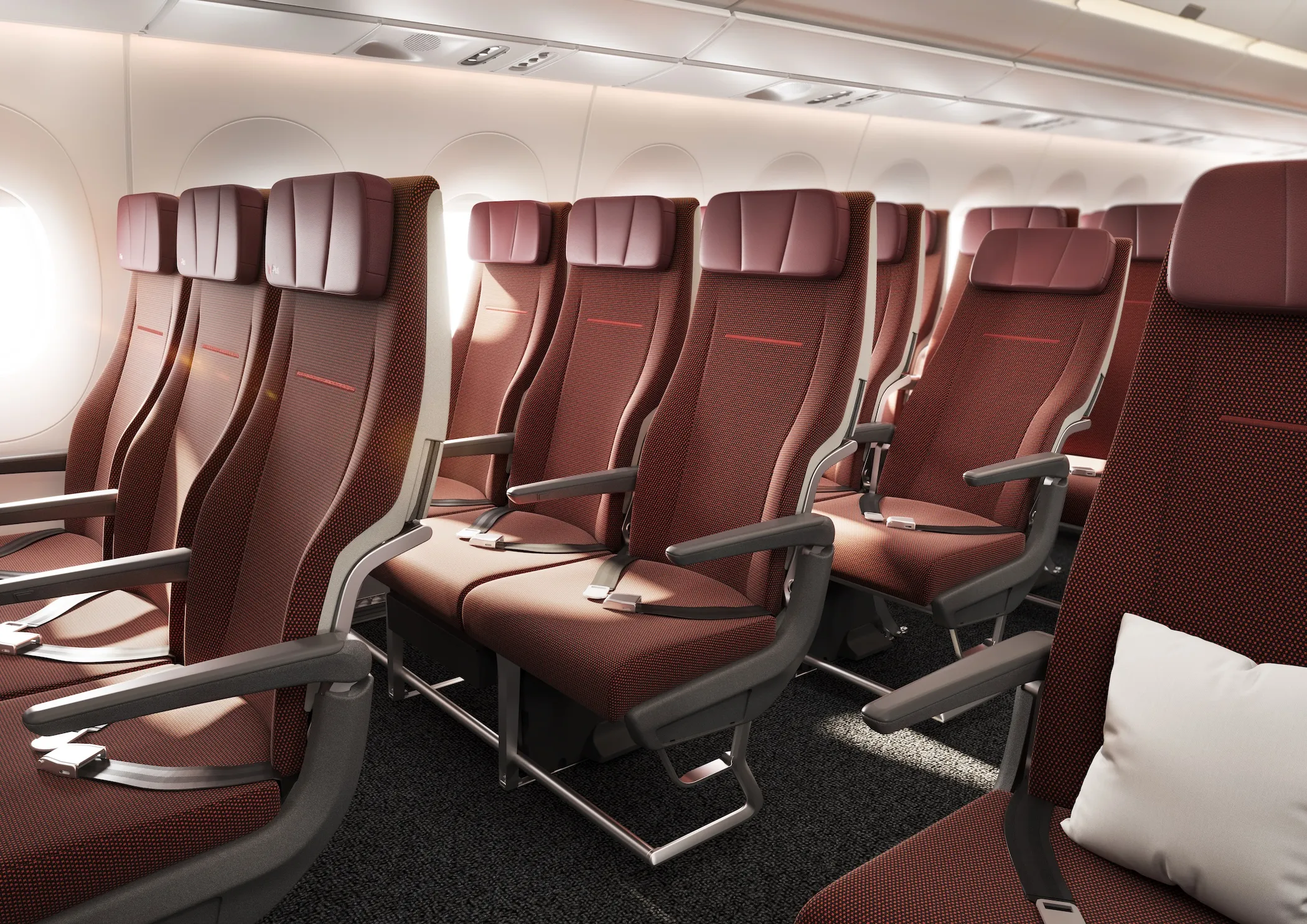
The new cabin plan calls for 34 Aurora lie-flat suites on Alaska's 787s. At least 25 Boeing 737-10s would each receive 12 Aurora suites for selected transcontinental flying from 2028. The announcement does not name those routes.
Hawaiian's 24 Airbus A330s are due to receive new interiors beginning in 2028, including 22 Leihōkū suites with direct aisle access and privacy doors.
Premium Reserve will add a separate premium-economy cabin: 35 seats on each 787-9 and 787-10, 28 on each A330, and 12 on the selected 737-10s. Alaska describes 38 inches of seat pitch, wider seats and upgraded dining. Premium Class, Alaska’s extra-legroom economy offering, will remain alongside Premium Reserve and Main Cabin.
Sales of Premium Reserve are scheduled to begin in summer 2027, ahead of the 2028 rollout.
Cargo, Loyalty and Fuel Exposure
Alaska also targets nearly US$4bn in annual Atmos Rewards cash flow and US$750m in cargo revenue by 2030. It identifies Hawaii freighter operations, mail and international belly capacity as cargo opportunities.
There is already a fleet step behind the cargo ambition. In its second-quarter filing, Alaska disclosed an agreement to add four 737-800 freighters, expected to enter service in the first half of 2027.
The same filing shows the limits of revenue growth when costs rise. Premium revenue increased 15% year over year in the quarter, but the group reported a US$76m net loss and a US$102m adjusted net loss. Economic fuel cost reached US$4.43 per gallon, up 85% year over year, adding US$600m to fuel expense.
The rollout stretches beyond the 2027 profit target: passengers are scheduled to gain the two European routes and access to Premium Reserve bookings next year, with the new cabins following in 2028.
Featured image: Alaska Air Group


.avif)