

.webp)
.webp)
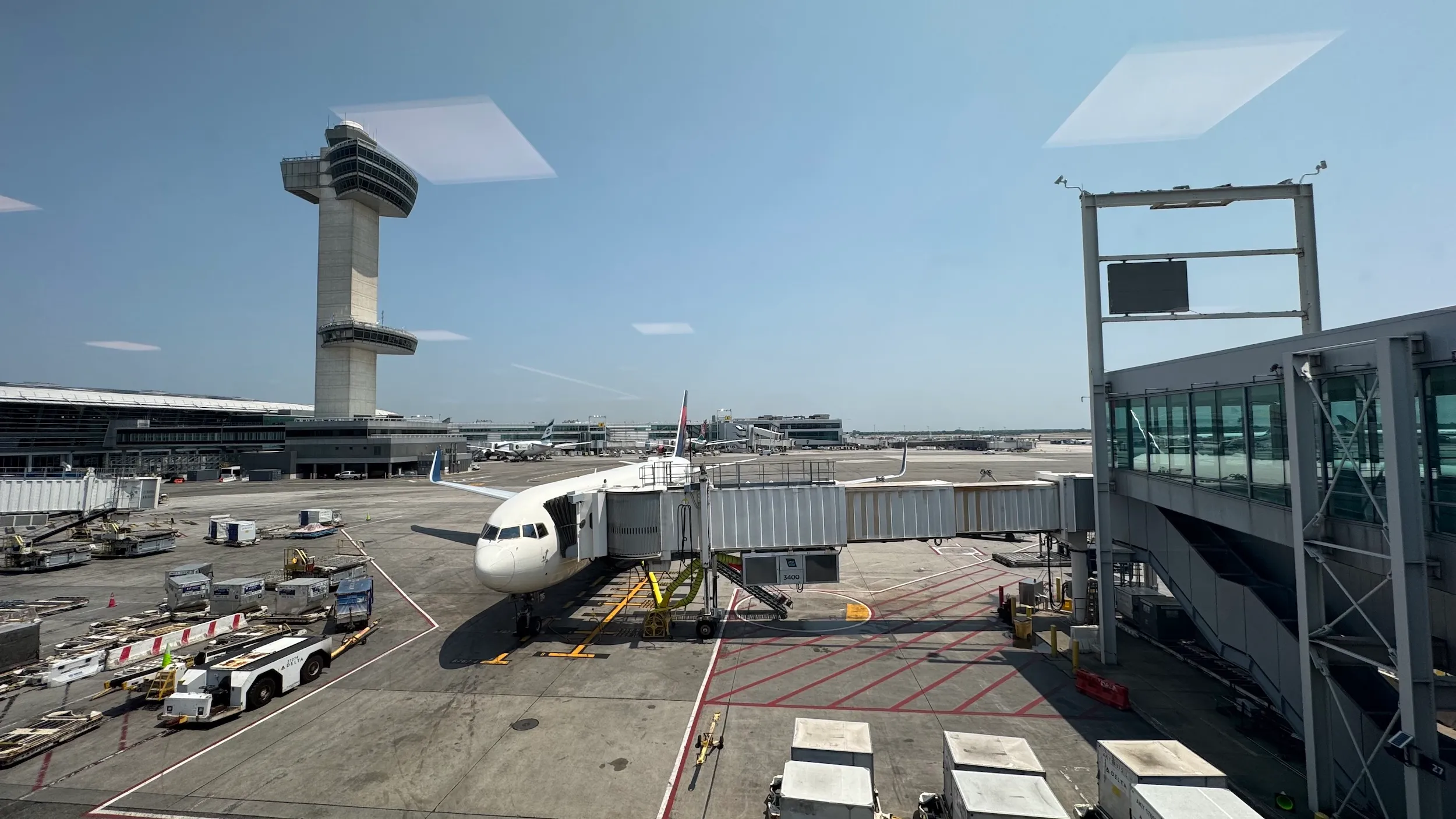
DALLAS – Last night, an American Airlines (AA) Boeing 737-800, registered as N885NN, was forced to make an emergency landing in Denver, Colorado, after experiencing right-hand engine vibrations during departure.
The type was operating flight AA-1006 from Colorado Springs to Dallas/Fort Worth, which carried 172 passengers and six crew members.
The Incident
Shortly after takeoff from Colorado Springs, the crew detected significant vibrations from the right-hand engine, a CFM56, and decided to divert to Denver as a precautionary measure.
The aircraft landed safely on runway 16R at Denver International Airport (DEN) approximately one hour after departure. It taxied to the apron without apparent issues, but the right-hand engine caught fire as it reached the gate.
Emergency slides were deployed, and passengers evacuated the aircraft. Firefighters promptly extinguished the flames, and no injuries were reported.
FAA Statement
The Federal Aviation Administration (FAA) confirmed the diversion and subsequent fire, stating:
"American Airlines Flight 1006 diverted to and landed safely at Denver International Airport around 5:15 p.m. local time on Thursday, March 13, after the crew reported engine vibrations. After landing and while taxiing to the gate, an engine caught fire, and passengers evacuated the aircraft using the slides. The Boeing 737-800 departed Colorado Springs Airport and was headed to Dallas Fort Worth International Airport. The FAA will investigate."
A replacement Boeing 737-8 MAX, registration N304RB, was dispatched to complete the journey to Dallas, arriving approximately 7.5 hours behind schedule.
Passenger, Industry Reactions
The incident sparked discussion among aviation enthusiasts and industry professionals. Some questioned whether the aircraft should have been inspected before taxiing to the gate.
Others highlighted the apparent chaos during the evacuation, particularly concerning passengers retrieving luggage and the potential danger of using the overwing exits near a fire.
- "Wouldn't one expect that a troubled engine is inspected by firefighters before the aircraft is cleared to taxi to the gate?" one commenter asked.
- Another user pointed out that aviation safety procedures emphasize evacuating on the side opposite the fire: "Eng 2 is on fire, not 1. We always evac on a side that's not on fire."
- Concerns were also raised about passengers grabbing luggage during the evacuation: "Insufficient stress is placed on this issue in the safety briefing. It should be clearly and deliberately stressed that in the event of an evacuation, you DO NOT take your luggage with you!"
- The use of overwing exits was scrutinized, with some suggesting panic may have led to their premature opening: "The problem here is the form of evacuation. They forced the passengers from a burning aircraft onto one of its wings, which is full of Jet-A1 fuel."
- Others debated whether the right-hand engine had been completely shut down before reaching the gate, suggesting that standard post-diversion safety procedures may not have been fully adhered to.
Authorities, including the FAA, will investigate the incident to determine the root cause of the engine vibrations and subsequent fire. The role of passenger actions during the evacuation may also be reviewed.
The incident highlights passenger compliance with safety instructions, the necessity of rigorous post-diversion protocols, and emergency response efficiency.
Stay connected at every stop along your journey! Get any Saily mobile data plan at 5% off with the code AIRWAYSMAG5 + up to 5GB free!

Featured image: Michael Rodeback/Airways



.avif)