FAA Delays Boeing 737-10 Certification Over Flight-Guidance Software Issue



.webp)
.webp)

WASHINGTON — The U.S. Federal Aviation Administration (FAA) will delay Boeing 737-10 certification pending resolution of a software issue, Administrator Bryan Bedford said September 28, according to Reuters. He gave no revised approval date.
Bedford identified GE Aerospace as the supplier and suggested a correction might come quickly, without estimating its timing. Reuters reported, citing two sources, that the FAA's planned Corrective Action Review Board was unlikely to meet before the following week at the earliest.
The decision follows the software review Airways reported September 27. In its reply to Airways that day, the FAA said the board would examine Boeing's proposed solution. The agency described the board as its standard process for assessing safety concerns and deciding how to address them.
Boeing Works on Guidance and Software Changes
Boeing told Airways on September 27 that a missed approach followed by a flight-path change can cause automated vertical navigation to revert to a simpler pitch mode. Crews then need additional steps to use vertical navigation on a subsequent approach. Boeing said pilots are trained to land without that guidance and that it was working with airlines to formalize a procedure for re-enabling it.
The company had informed operators in August and reinforced existing procedures. Boeing also told Airways on September 27 that it anticipated the next software update in 2028 and was trying to accelerate that schedule following operator feedback. Bedford's subsequent comments did not specify when a correction would be ready.
The FAA said the condition can increase workload during a go-around, Reuters reported. WestJet (WS), which uses the software, told the news agency it had experienced no related in-service issues and considered its procedures and training sufficient to mitigate the condition.
Alaska Airlines (AS) and United Airlines (UA) told Reuters their current aircraft do not use the affected software. United is declining deliveries carrying it.
Airlines' Spring 2027 Plans
Alaska Chief Operating Officer Jason Berry had expected approval by the end of September and a first delivery in spring 2027, he told Reuters on September 24. He targeted passenger service between April and mid-May and said head-up display certification work would take a few months after aircraft approval. Alaska's introduction schedule therefore includes work beyond the FAA's approval of the aircraft itself.
Ryanair (FR) still expects its first 15 aircraft in spring 2027, Group CEO Michael O'Leary said during a September 29 conference in Warsaw, Reuters reported. He hoped the certification delay would be “a matter of days, not weeks or months.” That is the airline's expectation; the FAA has supplied no timetable in the remarks reported by Reuters.
Airways' earlier questions about delivering the 737-7 with older software and whether the remedy would require additional training were unanswered in Boeing's September 27 replies. The FAA's reply that day also did not specify whether its review board must conclude before 737-10 approval. Those details will help determine how the software remedy translates into aircraft deliveries.
Analyst Sees Limited Cash-Flow Impact
BNP Paribas Equity Research senior analyst Matthew Akers expects the software issue to have little effect on Boeing’s 2027 free cash flow, provided the certification delay does not extend well into next year.
In a research note shared with Airways, Akers said his forecasts already assumed no 737-7 or 737-10 deliveries in 2026. He expects Boeing to finish the year with about 60 completed aircraft across the two variants in inventory and deliver most of them in 2027. He also does not expect the FAA review to slow production.
Akers said the financial impact would depend partly on whether further analysis or testing is required before 737-10 approval. His assessment is an analyst forecast; the FAA has not committed to a certification timetable in Bedford’s reported remarks.
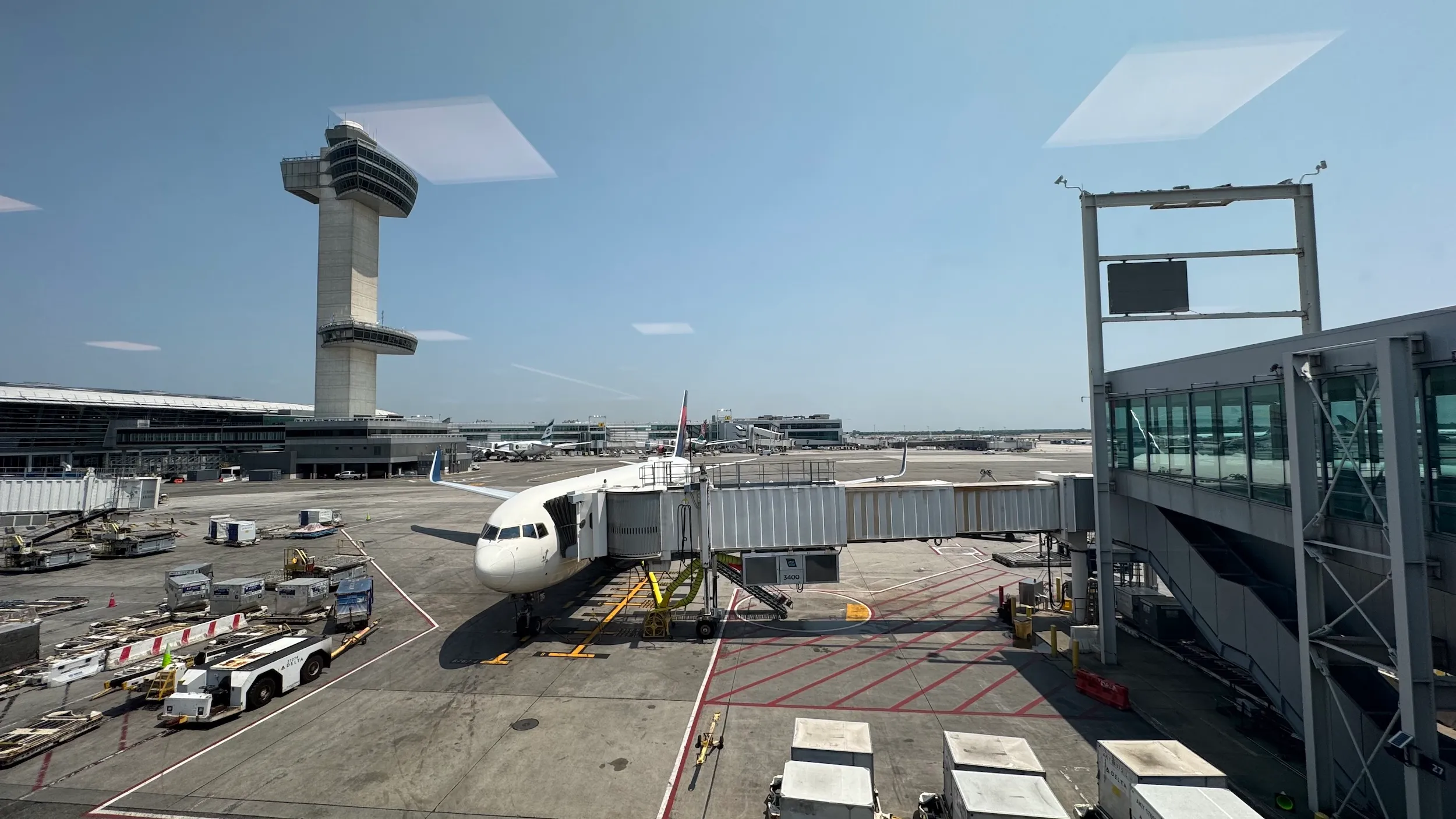
Featured image: Brandon Farris/Airways



.avif)