

.webp)
.webp)
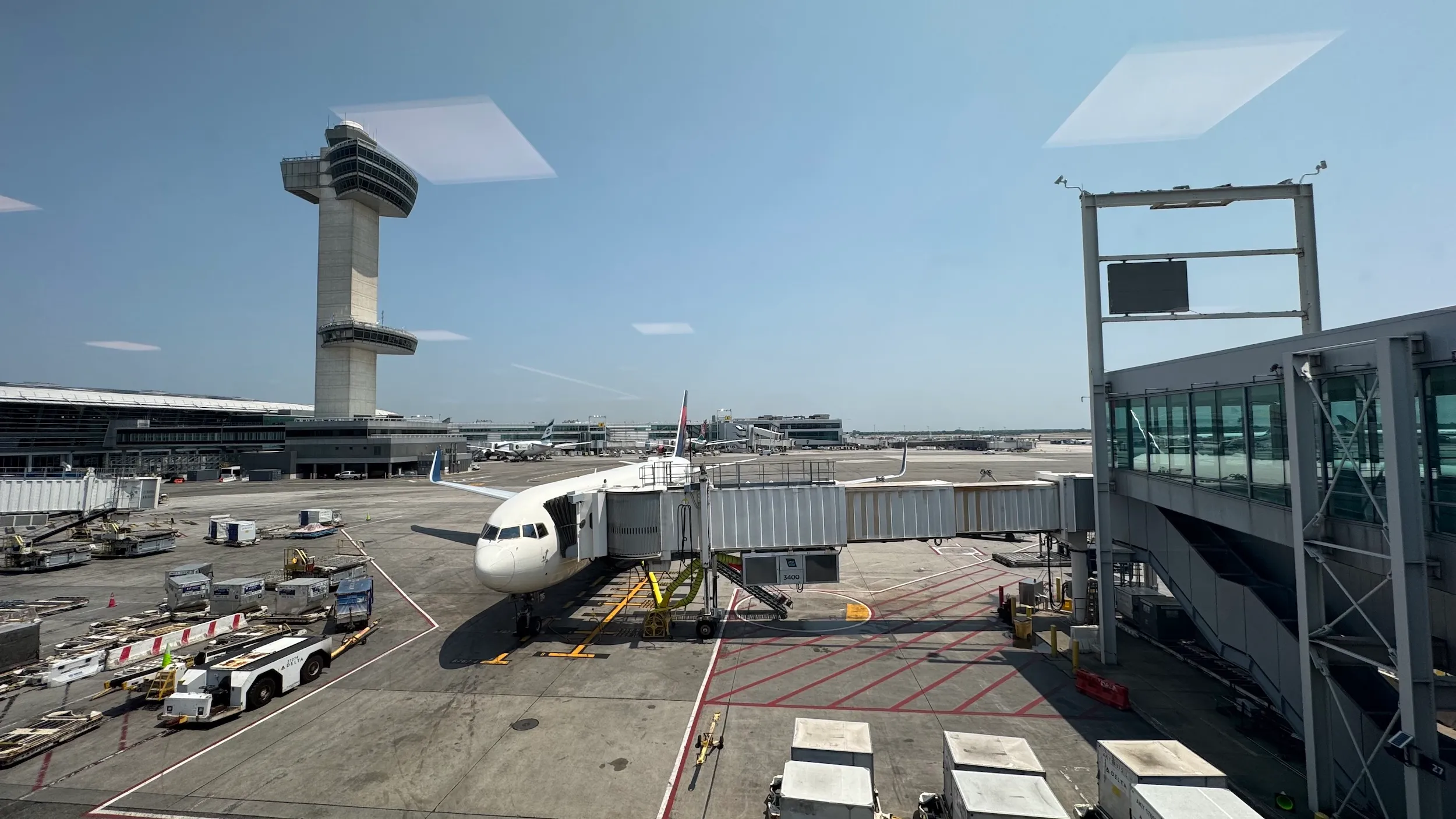
DALLAS — The Federal Aviation Administration (FAA) has issued a final rule requiring modifications and enhanced maintenance practices for all Boeing 737-600, -700, -700C, -800, -900, and -900ER series airplanes.
The new Airworthiness Directive (AD) adopted by the FAA follows two separate engine fan blade-out (FBO) events that led to the dangerous separation of engine inlet and fan cowl components. In one event, detached fan cowl parts struck the fuselage, causing a loss of pressurization and necessitating an emergency descent.
Background, Safety Concerns
The unsafe condition prompting the directive centers on inlet cowls that lack the necessary strengthening. In the event of a fan blade failure, these components might detach from the airplane, potentially damaging critical airframe structures or striking the fuselage and passenger windows.
Beyond structural damage, such an incident could significantly increase aerodynamic drag, posing a risk of fuel starvation during extended operations (ETOPS) and even forcing an off-airport landing.
For context, the CFM56-7B-powered Boeing 737-800 stands as the most popular Boeing aircraft in active service today. As the workhorse of the 737 Next Generation (NG) series, this narrow-body twin-jet dominates short-to-medium-haul routes across every continent.
With 4,989 deliveries as of 2024, the -800 accounts for nearly half of all 737 NG variants produced and maintains a commanding presence in airline fleets worldwide. According to Cirium data, 1,200-1,500 -800 retirements will come in the next five years.
Still, the Boeing 737-800's sheer numbers ensure its dominance persists. Even with 150 annual retirements, over 3,000 will remain active in 2030.
Key Requirements
The AD mandates several corrective actions:
- Fastener Replacement and Inspection:
- For certain airplanes, operators must replace specified inlet cowl aft bulkhead fasteners.
- Other airplanes require an inspection of these fasteners—with immediate replacement if riveted fasteners are discovered.
- Crushable Spacer Replacement:
- All affected airplanes must have the crushable spacers—integral to the attachment of the inlet cowl to the engine fan case—replaced.
- Serviceable Inlet Cowl Installation (Optional):
- As an alternative, operators may install a serviceable inlet cowl that meets the new design requirements.
- Maintenance Program Revision:
- Existing maintenance or inspection programs must be revised to incorporate updated Airworthiness Limitations (AWLs) that address potential issues related to fan blade-out conditions and engine nacelle maintenance errors.
These actions must be performed in accordance with Boeing Special Attention Requirements Bulletin 737-71-1938 RB, Revision 1, dated June 27, 2024. Once the AD becomes effective on April 8, 2025, all required modifications must be completed before further flight.
Stakeholder Input, FAA Responses
During the rulemaking process, the FAA received feedback from stakeholders, including major airlines, pilot associations, and Boeing. Key points from the comments included:
- Applicability Clarifications:
- Concerns were raised regarding part number specificity and potential interchangeability between modified and unmodified inlet cowls. The FAA confirmed that the AD applies to all affected Boeing 737 models equipped with inlet cowls bearing part numbers 314-2100-2, 314-2100-3, and 314-2100-4.
- Compliance Timing:
- Several industry players requested an extension of the “before further flight” compliance requirement. The FAA, however, maintained a strict timeline, emphasizing that prompt action is essential to mitigate the unsafe condition.
- Incorporation of AWLs:
- Comments suggesting removing or altering new AWL requirements were considered. Still, the FAA clarified that the AWLs are integral to ensuring the modifications are part of the aircraft’s type design and are necessary to prevent maintenance errors.
- Material Substitution:
- In response to concerns over the specificity of certain consumable products, the AD now allows for equivalent material substitutes during the modification process.
Cost Implications
The FAA estimates the directive will affect nearly 2,000 U.S.-registered Boeing 737 airplanes. The cost breakdown is as follows:
- Inspection and Fastener Replacement:
- Up to approximately US$9,252 per airplane.
- Crushable Spacer Replacement:
- Around US$1,360 per airplane.
- Optional Serviceable Inlet Cowl Installation:
- Up to US$25,490 per product.
- Maintenance Program Revisions:
- Estimated at US$7,650 per operator.
While the financial impact is notable, the FAA asserts that these measures are critical for maintaining airworthiness and ensuring passenger safety. Operators are urged to review the detailed requirements and comply with the established timelines to safeguard aircraft integrity and passenger safety.
Operators and interested parties can review the full Airworthiness Directive as published in the Federal Register (FR Doc No: 2025-03401) here for further details.
Stay connected at every stop along your journey! Get any Saily mobile data plan at 5% off with the code AIRWAYSMAG5 + up to 5GB free!

Featured image: Lorenzo Giacobbo/Airways



.avif)