


.webp)
.webp)
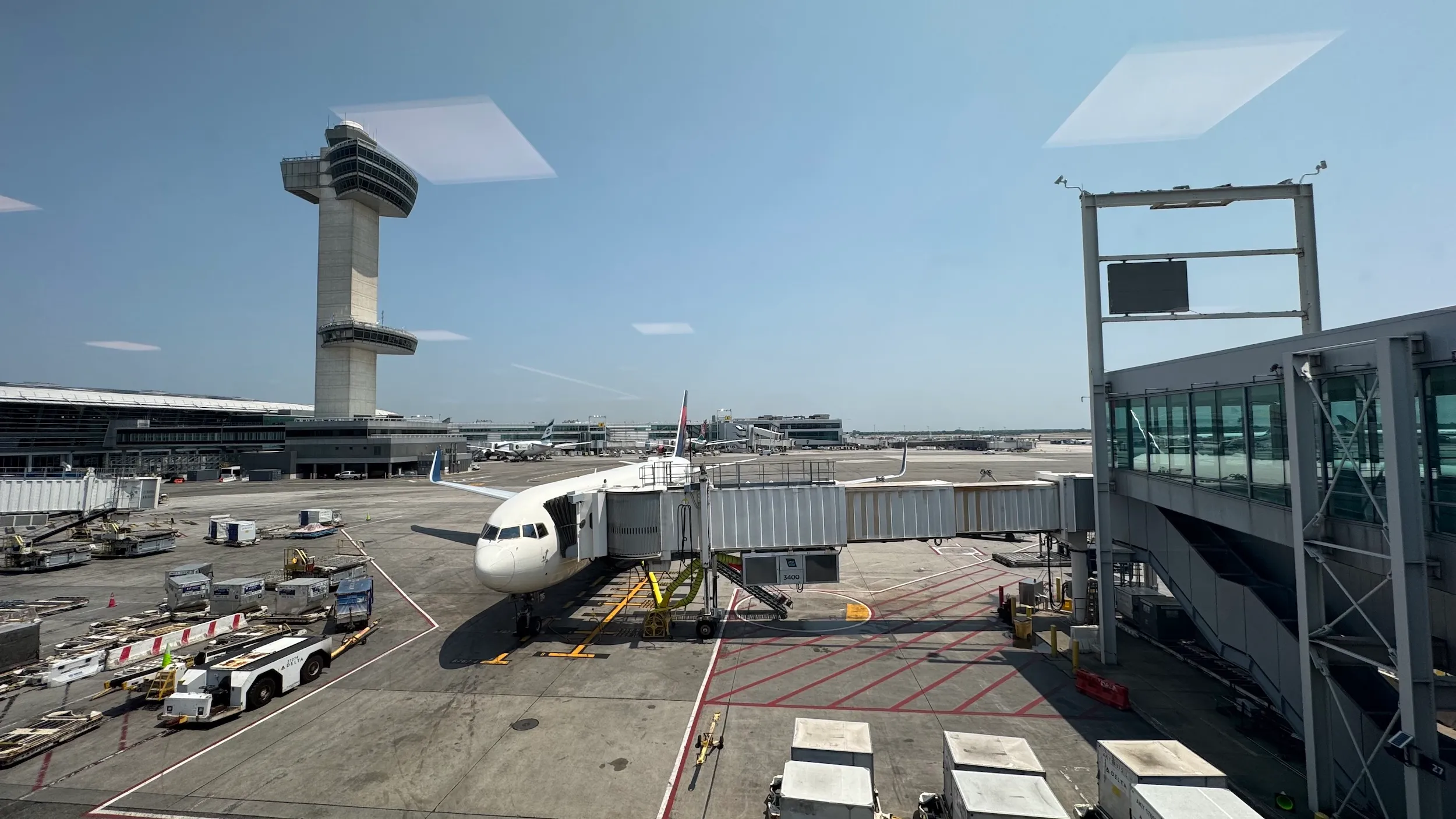
TOKYO — Japan’s Transport Safety Board (JTSB) has released a second progress report into the January 2, 2024 collision at Tokyo Haneda Airport, finding that an automated runway-incursion warning was triggered but not acted upon by air traffic controllers.
Japan Airlines Flight 516, an Airbus A350 arriving from New Chitose, struck a Japan Coast Guard (JCG) DHC-8 that had been stationary on Runway 34R for roughly 40 seconds prior to impact. All 379 people aboard the JAL aircraft escaped, but five Coast Guard crew members were killed. The JCG captain survived with serious injuries.
Missed Warning and Training Gaps
Investigators say Haneda’s Runway Occupancy Monitoring Support Function detected the Coast Guard aircraft’s unauthorized runway entry and displayed a warning, but controllers did not notice or respond to it. According to the report, controllers were not fully trained on how to react when alerts triggered, nor were procedures formalized, despite the system’s routine availability.
The finding echoes past incidents, including a 2001 near-midair collision over Shizuoka, when controllers similarly failed to follow procedures after an alert.
Chain of Misunderstandings
The JTSB reiterated three contributing factors first highlighted in its earlier report:
- The JCG captain believed he had been cleared to enter the runway
- Controllers did not recognize the JCG aircraft’s movement
- The JAL crew did not see the aircraft until just before impact
Communications show the JCG aircraft was cleared only to a holding point, not the runway. Standard crew cross-checks, reading back and confirming instructions, did not prevent the error.
Why the JAL Crew Could Not See the JCG Aircraft
Investigators continue examining visibility at the time of impact. Early findings show:
- Runway lighting near the JCG aircraft was white
- The JCG beacon was visible from behind only
- A re-creation test was conducted at Chubu Centrair to analyze sightlines and lighting
This supports the possibility that the stopped aircraft blended into runway lighting and background glare during the final landing phase.
Broader Safety Implications
Japan has recorded 33 runway-incursion events in the past 15 years. The JTSB is now assessing whether lessons from past incidents have been meaningfully institutionalized, particularly around human-machine interface design and training.
Timeline of the Accident
- Aircraft A: JCG DHC-8-315, JA722A — destroyed, 5 fatalities
- Aircraft B: JAL A350-941, JA13XJ — destroyed, all 379 evacuated safely
- Injuries: 1 serious, 4 minor among passengers; 12 evaluated for medical issues
The aircraft burned after impact, and the JAL A350 came to rest off the runway in a grassy area.
What Comes Next
The JTSB will:
- Develop formal guidance for responding to automated runway-safety alerts
- Continue simulations and visibility analysis
- Prepare final safety recommendations aimed at preventing recurrence
This is the first time JTSB has issued two interim reports before a final accident report, reflecting the investigation’s complexity and the severity of the systemic gaps identified.
Featured image: Alberto Cucini/Airways



.avif)