San Francisco International Airport Plans October 3 Return to 1L/1R Departures


.webp)
.webp)
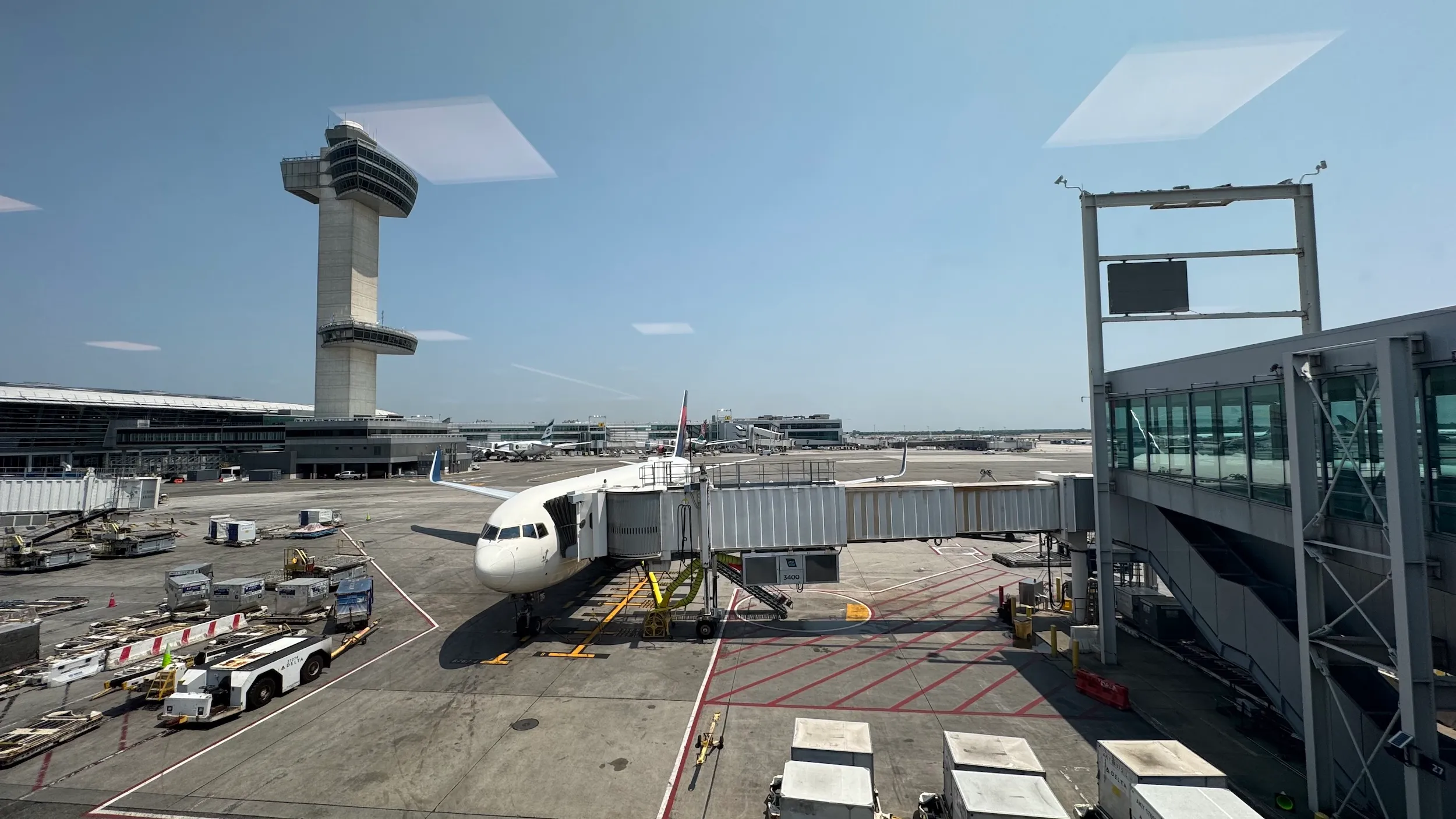
SAN FRANCISCO — San Francisco International Airport (SFO) plans to return most departing aircraft to Runways 1L and 1R beginning October 3, according to its Aircraft Noise Office. That would end the temporary practice of routing both arrivals and departures through Runways 28L and 28R during a six-month rehabilitation of Runway 1R. Runway assignments will still depend on weather and aircraft requirements.
The airport closed 1R on March 30 to repave its surface and improve nearby taxiways. It used the parallel Runway 1L as a taxiway during construction. Under SFO's published plan, most departures are due to shift back to the north-facing pair, while all arrivals and departures previously used the west-facing 28 runways.
Arrival Capacity Depends on Weather
The airport's expects the completed project and revised Federal Aviation Administration (FAA) arrival procedures to raise the number of aircraft it can receive to about 45–48 per hour under suitable conditions. That compares with 36 during the most restrictive period after construction began and the FAA ended side-by-side approaches in clear weather. The combined effect represents a theoretical increase of 25%–33% in hourly arrival capacity from that low point; it is not a measured reduction in delays. Before the closure and procedural change, SFO cited a maximum of 54 arrivals per hour.
The distinction matters for United Airlines (UA), which accounted for 48.7% of SFO's seats in fiscal 2025, and for other carriers operating into the airport. More usable arrival slots can reduce the chance that a busy bank of flights exceeds the airport's available capacity, but actual performance will depend on demand, weather and air traffic control. Airways reported on the FAA's March restriction when construction began.
SFO's current runway-constraints guidance still puts low-visibility arrival capacity at about 36 per hour because arriving aircraft must be spaced differently when visual separation is unavailable. The airport says high winds can also shift departures back to the 28 runways. Fleet Week activities are expected to alter traffic on the afternoons of October 8–12.
The airport estimates the rehabilitation at US$215m, including US$92.1m in FAA funding. Its September project update said crews replaced 64 miles (103km) of electrical cable and installed 2,440 light fixtures, alongside the runway paving and taxiway work. Whether the restored runway configuration materially improves on-time performance will become clearer from arrival rates, delays, cancellations and ground-delay programs after operations settle into the new pattern.
Featured image:



.avif)