

.webp)
.webp)

.webp)
ATLANTA — Delta Air Lines (DL) selected Amazon Leo for the future of its in-flight Wi-Fi service on Tuesday, delivering low-latency and high-speed internet to passengers.
The airline will initially equip 500 aircraft beginning in 2028.
“Delta’s future is global,” said Delta Chief Executive Officer Ed Bastian. “This agreement gives us the fastest and most cost-effective technology available to better connect the world today, and it deepens our work with a global leader that shares our ambition to build what’s next — creating even stronger human connection for our people and our customers for years to come.”
Delta suggests its Amazon deal will complement existing service with Viasat and Hughes Networks, stating that the carrier will bring passengers low-latency, high-speed Wi-Fi through Amazon, and “Along with existing world-class partnerships.”
Given that the deal will initially equip only 500 aircraft with Amazon Leo, its other providers will remain part of the DL fleet. While Viasat does not offer a low-latency option today, it has plans to do so when the Telesat Lightspeed LEO constellation goes online.
“By working with multiple connectivity leaders, Delta is ensuring it equips the right aircraft with the right technology to serve customers across the globe,” the airline said.
A big win for Amazon in battle with SpaceX
The deal is a major boost for Amazon in its battle with SpaceX’s Starlink, as this marks the company’s second major deal in the airline business. JetBlue (B6) is expected to equip the first Airbus A321 with Leo in-flight Wi-Fi in 2027.
“We’ve designed Leo to provide high-speed internet to the billions of people on Earth without reliable connectivity, and this agreement with Delta is a great example of the impact and scale of the technology — bringing even faster in-flight Wi-Fi to tens of millions of passengers who fly Delta every year," said Andy Jassy, President and CEO of Amazon.
Starlink has captured a sizable share of the low-Earth-orbit market in recent years, with major deals in the United States with United Airlines (UA), Southwest Airlines (WN), and Alaska Airlines (AS). Amazon currently only has a few hundred satellites in orbit, compared to Starlink’s 9,000. Amazon Leo hopes to begin service in 2026 with its planned constellation of 3,200 satellites.
In December 2025, American Airlines (AA) expressed interest in Amazon Leo, with Chief Executive Officer Robert Isom noting that the carrier had specifically held talks with Amazon during an interview with Bloomberg. However, with recent reports suggesting the airline’s interest in Starlink, the battle between the two low-latency service giants continues.
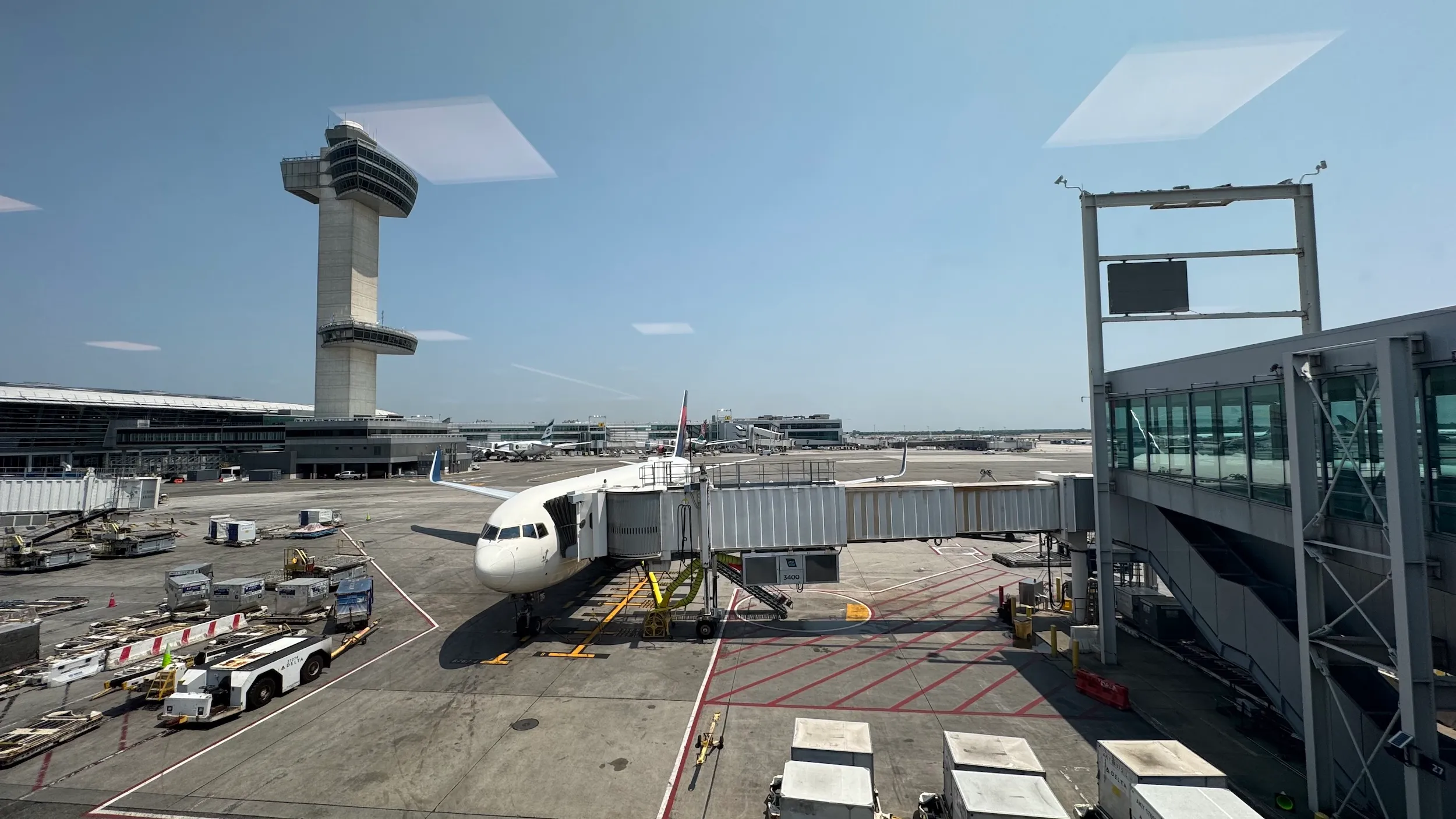
Featured image: Delta Air Lines



.avif)