

.webp)
.webp)

WASHINGTON, D.C. — The U.S. Federal Aviation Administration (FAA) has issued a new Airworthiness Directive (AD 2025-25-12) requiring operators of all Airbus A350-900 and A350-1000 aircraft to install updated flight-control software designed to eliminate the risk of control-surface malfunction linked to hydraulic fluid contamination inside key electronics modules.
Specifically, investigators found that hydraulic-fluid contamination of FCRM electronic cards can cause uncommanded surface movement. Because elevator and rudder units share common design features, both are at risk, leading regulators to require a fleet-wide preventive update.
This directive locks in software-based prevention as the permanent fix, closing out interim hardware replacement programs and ensuring global alignment with Airbus’ mitigation strategy.
The directive, effective January 13, 2026, supersedes an earlier interim AD, which had required operators to remove and replace any contaminated Flight Control Remote Modules (FCRMs) after several were found exposed to hydraulic fluid during manufacturing. One event involved loss of control of an outboard aileron surface, triggering the original safety action.
The FAA now says Airbus’ permanent fix involves upgrading the Flight Control and Guidance System (FCGS) to PRIM software standard P14.1.3 and SEC standard S14.1.2, which prevents the unsafe failure mode and terminates previous replacement requirements.
A350neo Affected in the U.S.
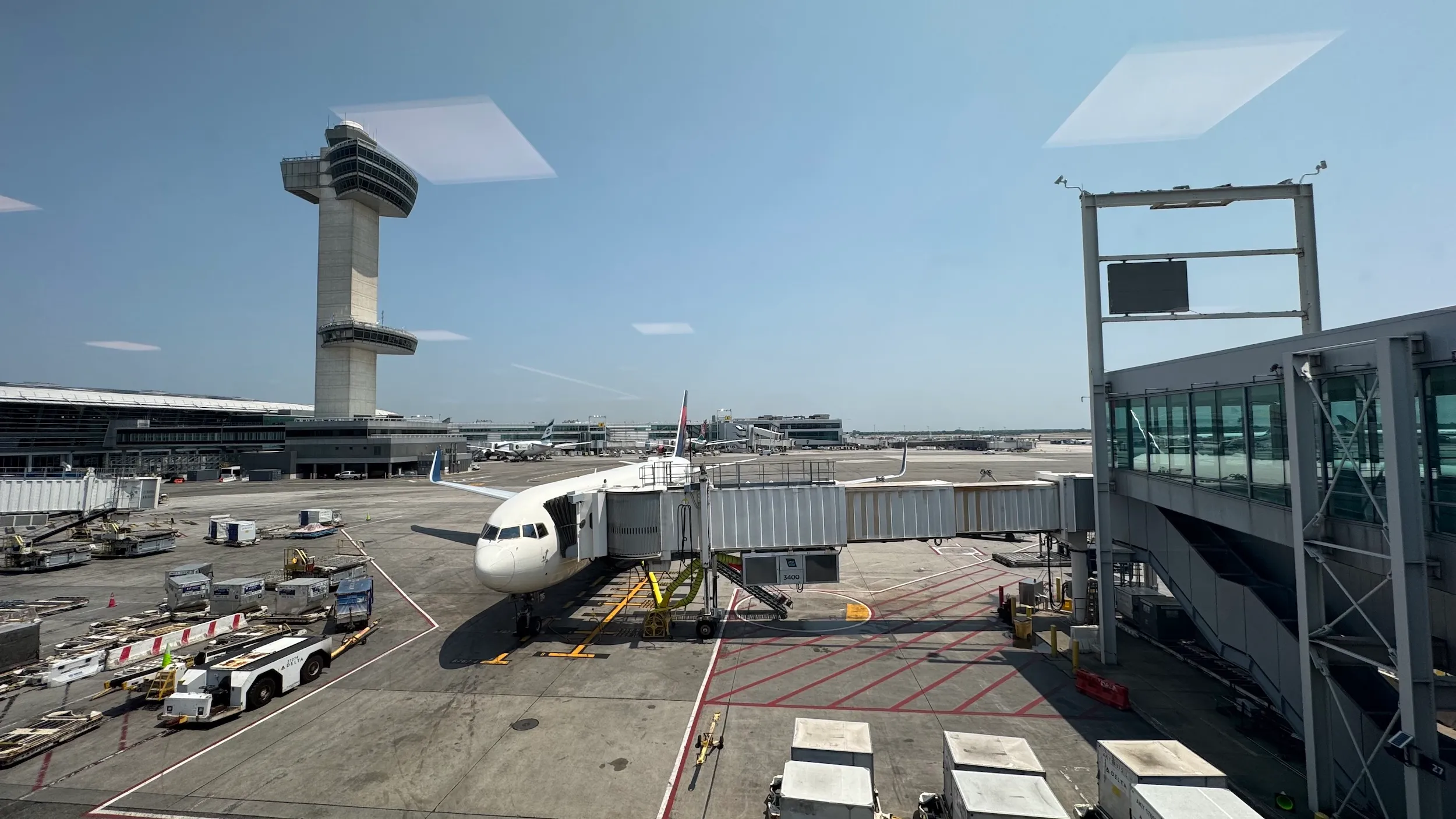
Delta Air Lines (DL) is the largest U.S. operator of the Airbus A350 family, the fifth-largest A350 operator in the world, and the first North American airline to fly the A350-900. The carrier currently operates 38 A350‑900 and has six of the type plus 20 A350-1000 on order.
The FAA says the directive applies to 39 U.S.-registered aircraft. FAA cost estimates show:
- Software upgrade labor & parts: approx. US$2,234 per aircraft
- Previously-mandated module work: up to US$111,276 per aircraft
- Total U.S. operator exposure: more than US$4.4 million potential cost impact
The FAA issued the rule without prior public comment, citing the need to mitigate the risk that a runaway elevator or rudder surface could lead to loss of aircraft control.
The AD incorporates European regulator EASA AD 2025-0197R1 by reference and prohibits installation of earlier software versions once the modification is complete. Operators must comply unless already done.
Featured image: Julian Schöpfer/Airways



.avif)