Trip Report: GK156 Jetstar Japan from Sapporo to Osaka, Mar 31, 2026


.webp)
.webp)

.webp)
SAPPORO — Accompany us on a scheduled service with Japan's budget carrier, Jetstar Japan (GK). This flight was on March 31, 2026.
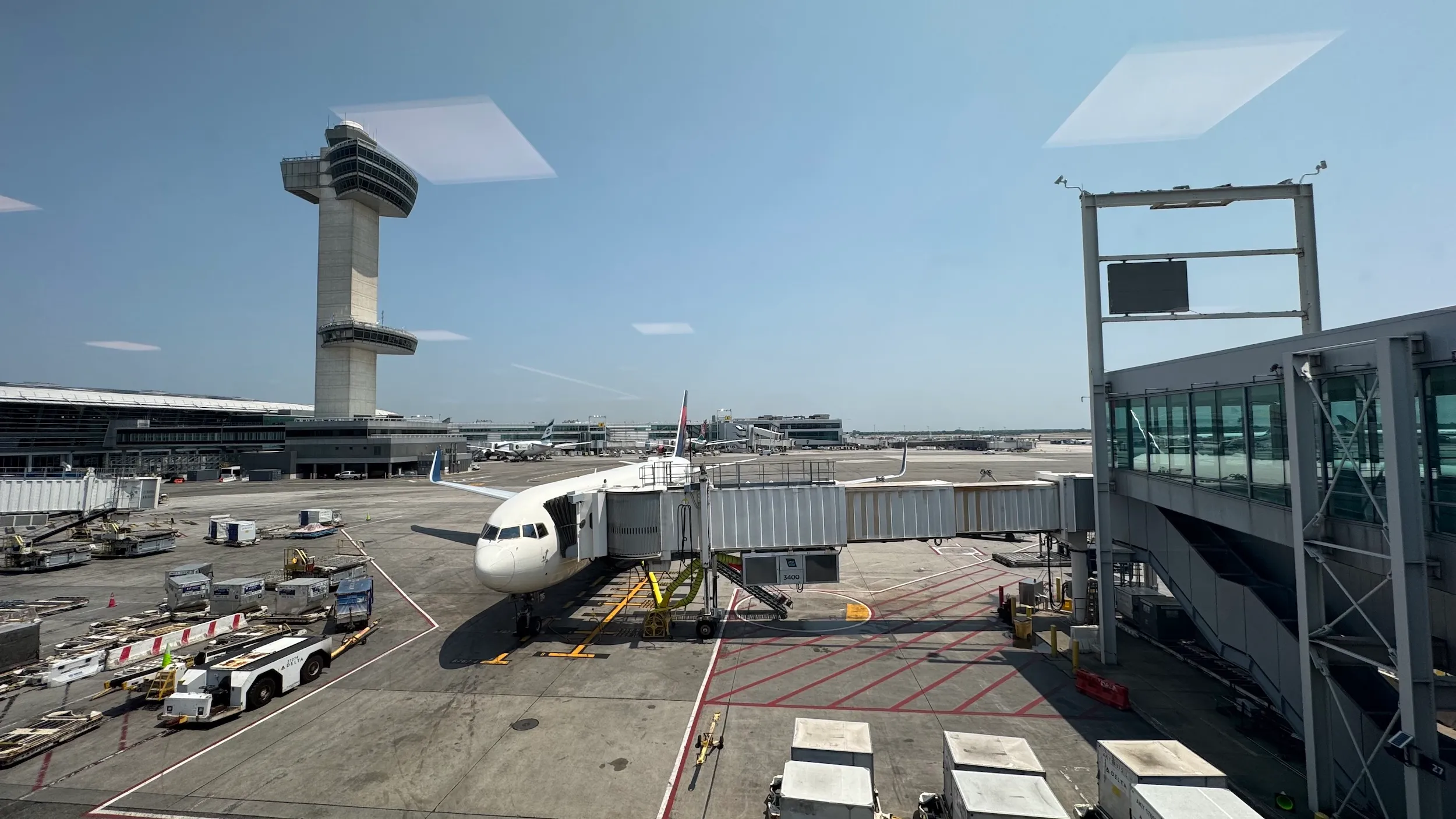
I checked in online 24 hours beforehand for flight GK 156 from Sapporo to Osaka. I was thus able to skip the check-in counters at New Chitose Airport (CTS). I proceeded directly to Section F (at the domestic terminal) for security screening, which was quick and efficient as I arrived early.
After clearing security, I headed to Departure Gate 15. While waiting, I noticed on the display that this was a codeshare flight with Japan Airlines (JL). Scheduled departure was 16:40, with boarding planned for 16:20. At around 15:40, I saw the incoming aircraft arrive and park at the gate.

This was reassuring, given previous experiences at this airport where departures were often delayed. However, I also noticed that several other flights were delayed, which made me cautiously optimistic about this flight's on-time departure.
Suddenly, boarding time was brought forward to 16:15. By then, many passengers had gathered at the gate, and it became clear that the flight would be full. Boarding was done in zones. I boarded in the second group and walked through the air bridge at around 16:25. My seat was 27C, an aisle seat toward the back of the aircraft. At that stage, the back section was still relatively empty, so there was ample overhead bin space for my backpack.

The cabin
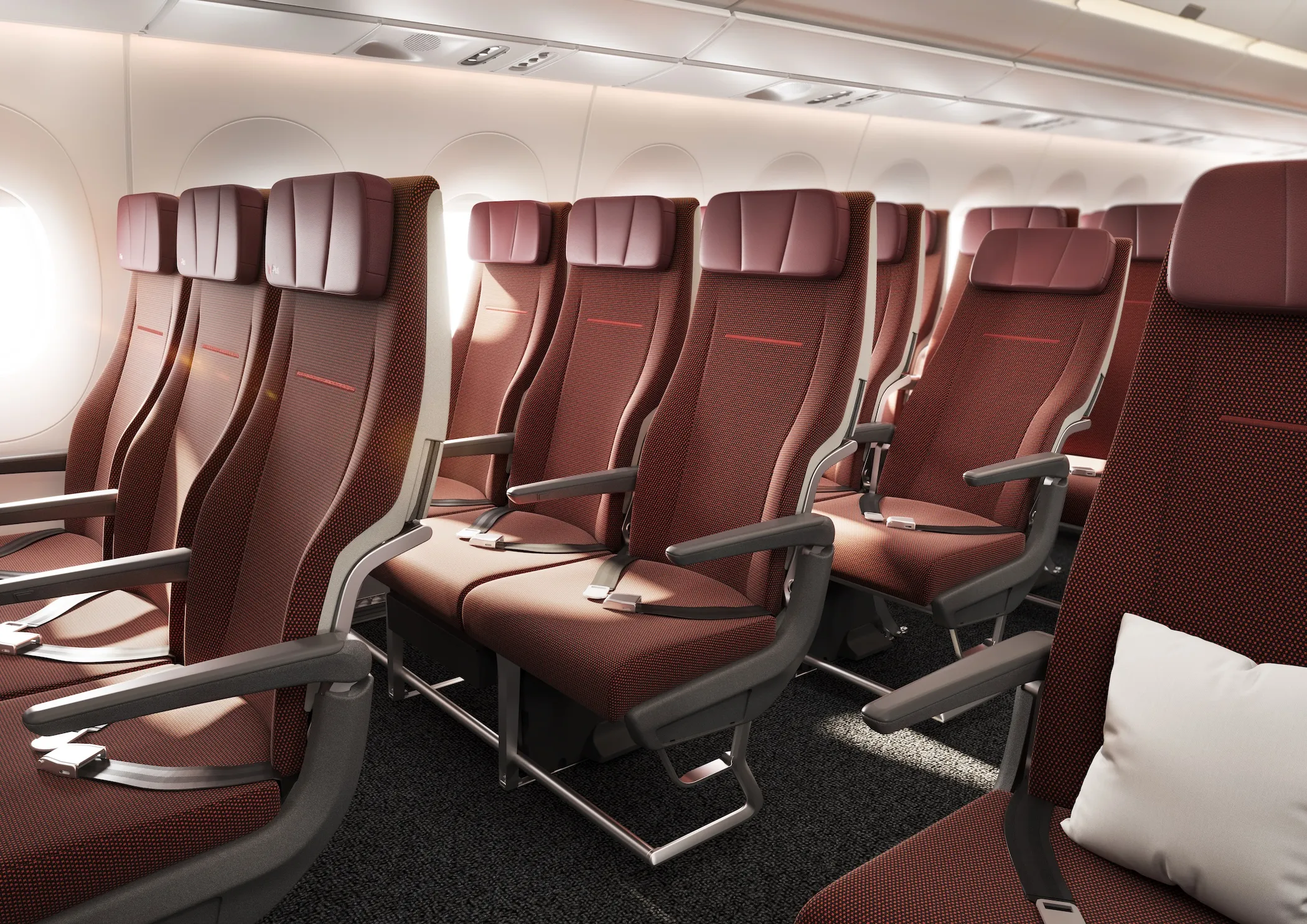
The Airbus A320 was fitted with comfortable black leather seats. I settled in as more passengers boarded. Shortly after that, the cabin service supervisor made an announcement requesting that passengers use the overhead compartments efficiently, as the flight was full, and that smaller items, such as jackets and handbags, be stored under seats.
At 16:35, the doors were closed, and the crew began their in-flight safety demonstration in both Japanese and English. The aircraft pushed back on schedule at 16:40 and headed to the runway. By 16:50, the A320 had entered the runway and began its takeoff, followed by a long and somewhat bumpy climb out of Sapporo. The seatbelt sign remained on for about 10 minutes.

Inflight experience
Shortly after 17:00, the in-flight service began. Menus were available in the seat pockets alongside the safety card and in-flight magazine. Offerings included hot and cold beverages as well as non-perishable snacks.
Passengers who had pre-purchased in-flight catering vouchers were served first. Payment options for onboard purchases included cash, Visa, Mastercard, or pre-purchased vouchers.
At around 17:20, the aircraft encountered turbulence. Cabin crew quickly wrapped up service and secured the trolleys. At 17:35, the first officer addressed passengers in Japanese and English, announcing that we were cruising at 36,000 feet. He advised keeping seatbelts fastened due to the possibility of further turbulence and estimated our arrival in Osaka for 19:05.
Conditions gradually improved, and the remainder of the flight was smooth. Most passengers either slept or quietly used their phones, and a calm, peaceful atmosphere remained throughout the cabin.

Arrival in Osaka
At 18:25, the cabin service manager announced that in-flight catering services had concluded and that the toilets would soon be locked in preparation for landing. Shortly afterward, the first officer instructed the crew to prepare the cabin.
The seatbelt signs were switched on at 18:35 as the aircraft began its descent. Looking out the window, city lights gradually came into view as the narrow-body jet crossed the bay toward Osaka. From the left side of the aircraft, there was a picture-perfect sunset, adding a striking visual contrast to the urban landscape below.

The A320 experienced some light shaking during the descent, but nothing unusual. By 19:00, the aircraft touched down smoothly at Kansai International Airport (KIX). It taxied to the gate, and within about ten minutes, most passengers had disembarked.
The crew stood at the exit, thanking passengers as we departed, bringing a punctual, well-managed flight to a close.
Featured/All images: Lorne Philpot/Airways



.avif)