

.webp)
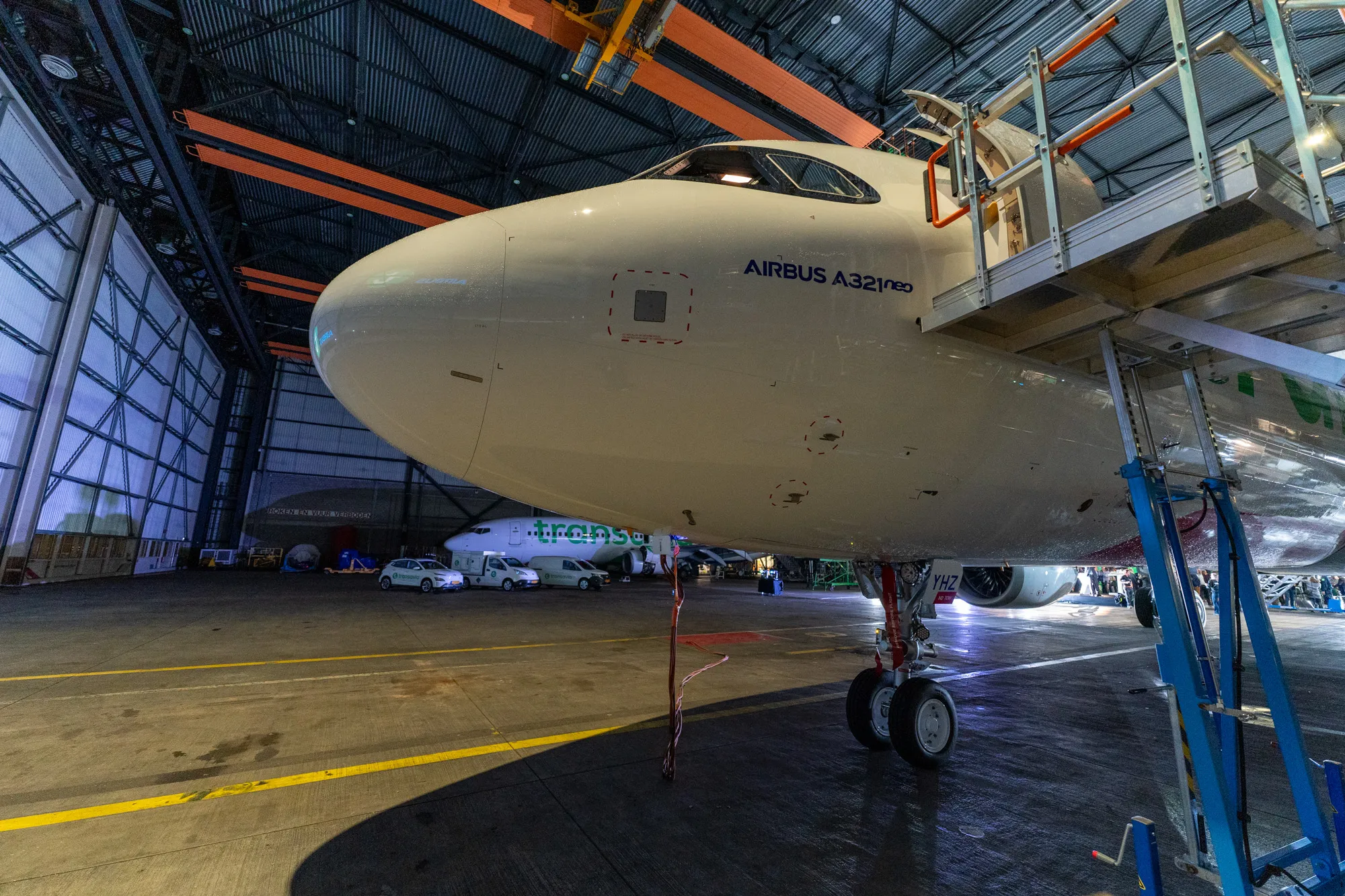

NEW DELHI — Air India (AI) and IndiGo (6E) are cutting hundreds of daily domestic flights from June 1 through August 31, as surging fuel prices and the aftershocks of the US-Iran conflict force India's two largest carriers to further restructure their networks. Together, the two airlines control more than 90% of India's domestic aviation market—meaning when they adjust their expansive schedules simultaneously, the impact is profound.
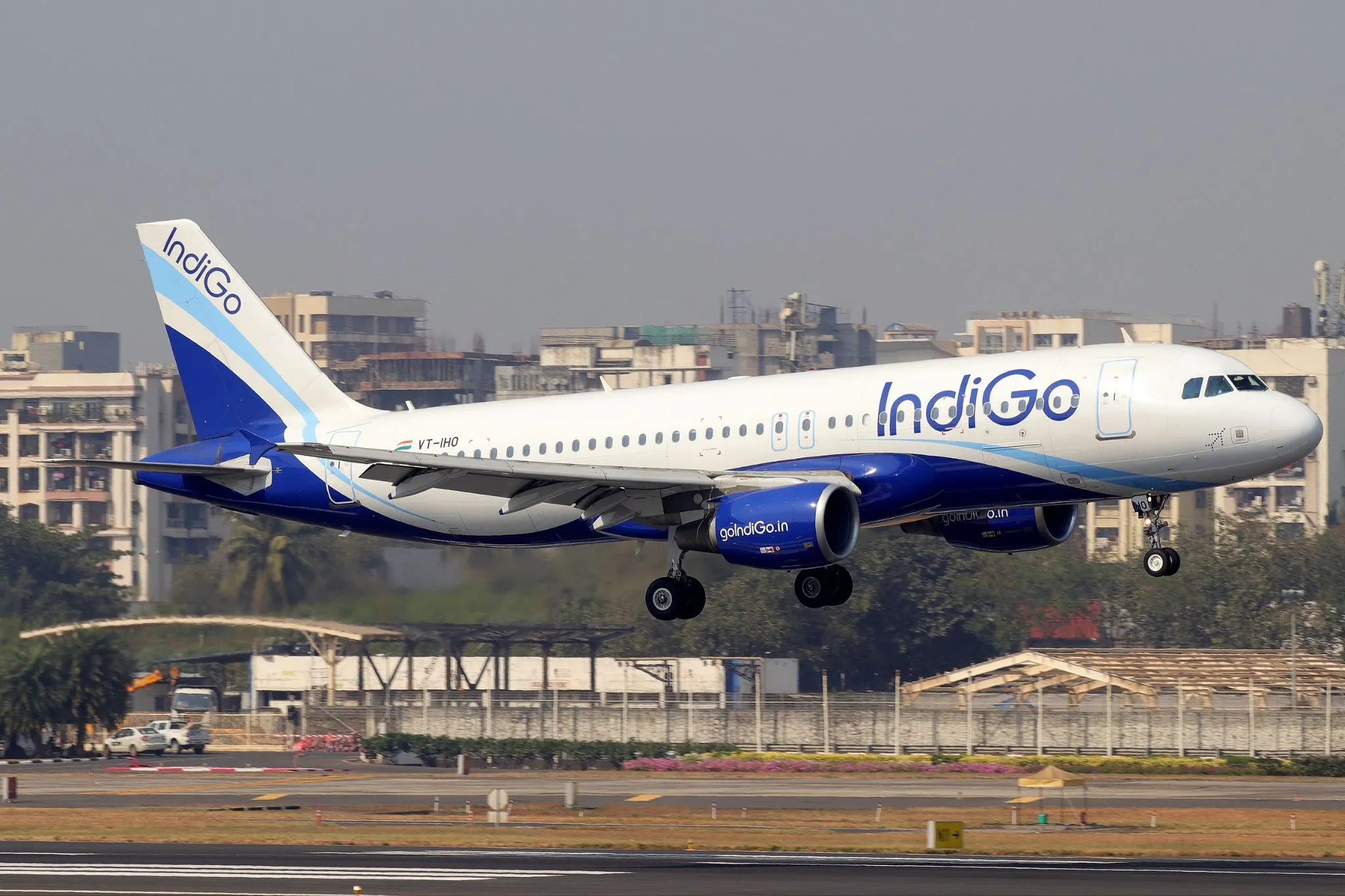
AI confirmed that it has temporarily rationalized operations on select domestic routes during the June–August period, reducing frequencies following an already-announced trim to its international schedule. "In continuation of our previously announced adjustments to select international services between June and August 2026, we have temporarily rationalized operations on certain domestic routes during the same period, with a reduction in frequencies on select routes," the airline said in a statement. 6E confirmed a separate but parallel reduction, with both carriers citing the sustained impact of soaring jet fuel costs.
The scale of the cuts
The cutbacks to the national carriers' domestic network reach 22%, a significant adjustment to a network of approximately 3,600 weekly domestic services. The Tata Group-owned carrier has already reduced its international capacity by around 27%, affecting 33 routes across four regions, and the domestic cuts now follow in the same three-month window. No routes are being suspended entirely, but the airline is opting to reduce frequency instead.
Meanwhile, 6E will make proportionally smaller but still substantial reductions given the carrier's market share. Domestic capacity will be trimmed by 5–7%, and the carrier has separately cut international flying by 17%. Point-to-point city routes from Mumbai (BOM) and Delhi (DEL) are the primary focus of the affected routes.
The geopolitical backdrop has compounded the pressure. Airspace closures have forced Indian carriers operating westbound international services to fly significantly longer routings, adding further fuel burn per sector. The knock-on effect has also hit domestic demand, with international operations reduced due to less transfer demand through the carrier’s hubs.
Cautious outlook
With the global airline industry already notching up fares to absorb the extra fuel cost, it is envisaged that the reduction in capacity, in what is one of the world's fastest-growing markets, will only add further momentum to fares rising even more. Both airlines have offered commercial protections to affected passengers. AI stated that impacted service customers will receive alternative flights, complimentary date changes, or full refunds where applicable.
Both carriers have indicated that the schedule reductions are temporary and will be reviewed as market conditions evolve. The national carrier said it "will continue to monitor demand and operating conditions closely, with a view to restoring frequencies as conditions stabilize." The three-month window aligns with the post-school-holiday shoulder season, when leisure demand naturally softens before the festival and winter travel periods resume, giving airlines some additional cover for the capacity reduction.
Whether frequencies recover meaningfully in September will depend heavily on whether fuel prices moderate as global energy markets digest the current geopolitical environment. The stakes are particularly high for AI, as the carrier is said to have incurred a loss nearly 12 times that of the previous year, placing management under intense pressure to cut costs and improve route economics.
Featured image: Nuno Seletti/Airways



.avif)