The Jets Are Flying Again. Why Are Airline Engine Bills Still Rising?



.webp)
.webp)
CHICAGO — The most visible measure of the commercial-aircraft engine crisis is finally improving. Pratt & Whitney geared-turbofan groundings fell 25% in the first half of 2026, while GE Aerospace says aircraft unavailable because of CFM LEAP engines are now close to zero.
Airline costs are following a different timetable.
A Reuters analysis of U.S. Transportation Department data found that reported spending on engine labor, repairs, and materials across six large U.S. airline operations increased about 68% from 2019 to 2025. Hours flown rose about 10% during the same period. In the first quarter of 2026, spending in those engine categories was still 17% higher than a year earlier while hours increased by less than 2%.
The data do not show which engine program or maintenance decision caused the increase. Fleet age, accumulated cycles, shop-visit timing, and airline accounting choices all affect annual spending. The gap is nevertheless too large to treat the return of grounded aircraft as the end of the engine problem.
The crisis has entered a second phase. Engine availability is recovering faster than the leases, overhaul obligations, and parts costs airlines accumulated to keep their schedules intact.
A Returned Engine Does Not End The Lease
JetBlue Airways (B6) illustrates the timing mismatch. The airline has said some Pratt engines require 200 to 300 days to complete a shop visit. An aircraft cannot wait that long without an engine if the airline intends to operate it, so JetBlue has increased its use of leased engines.
That substitution protects capacity, but it creates a second clock. The overhaul ends when the airline's engine leaves the shop; the lease ends when the contract allows it to end.
Engine lessor Willis Lease Finance told Reuters that airlines seeking replacement engines have often entered contracts lasting about three years, while shorter agreements are frequently extended. Some carriers can therefore have a serviceable engine back and still owe rent on its temporary replacement.
The daily rates have also climbed. Completed short-term transactions for some LEAP and PW1100G engines exceeded US$6,500 per day during the past year, according to IBA figures reported by Reuters. Comparable rates were about $5,000 per day in 2022 and 2023. At US$6,500 per day, one leased engine represents almost US$2.4 million in annual rent before maintenance reserves and other contract costs.
JetBlue's operational position has improved sharply. Its second-quarter filing reported four aircraft grounded at June 30 because of PW1100G and PW1500G engine availability, with a mid-single-digit count expected for the rest of 2026. That is good news for schedule reliability and aircraft utilization. It does not reveal how quickly leased engines or associated costs leave the operation.
Air New Zealand (NZ) provides a view of the possible lag. After engine availability improved, CEO Nikhil Ravishankar told Reuters that the airline could need 12 to 18 months to shed the additional aircraft and engine leases it had taken on to protect its schedule. Supplier compensation offsets only part of those costs.
United And American Show The Cost Pressure Is Wider
The issue is not confined to airlines with large Pratt-powered Airbus fleets. United Airlines (UA) and American Airlines (AA) both identified engine-overhaul work as a factor in higher maintenance expense during the first half of 2026.
United's second-quarter Form 10-Q and American's equivalent filing cover fleets spanning new-generation and older engines. Their disclosures matter because they show that the current cost problem cannot be reduced to the Pratt powder-metal inspections that produced the largest concentration of grounded aircraft.
The maintenance market is tight across multiple programs. A carrier may be paying for unplanned GTF work, scheduled LEAP maturation, an older CFM56 overhaul made necessary by a delayed replacement aircraft, or several of those exposures at once. The financial statements generally combine those effects into broad maintenance categories rather than reporting cost by engine type.
This is also why a falling aircraft-on-ground count can coexist with rising maintenance expense. Returning more engines to service requires airlines and manufacturers to move more units through overhaul shops. Higher repair output improves availability, but the work itself still produces labor, parts, and material bills.
Pratt said its PW1100G repair output rose 43% year over year in the second quarter, while turnaround time fell 23%. Those are signs that the repair network is gaining capacity. Airways previously examined why the GTF recovery depends on engine-shop capacity and turnaround time, not only the number of engines removed for inspection. Reuters also reported that the mix of heavier PW1100G work was 14 percentage points higher than a year earlier, which helps explain why more output does not automatically mean lower spending.
New Engines Have A More Expensive Parts Problem
New-generation engines were sold on lower fuel burn, and those gains remain valuable. Their maintenance economics are less mature.
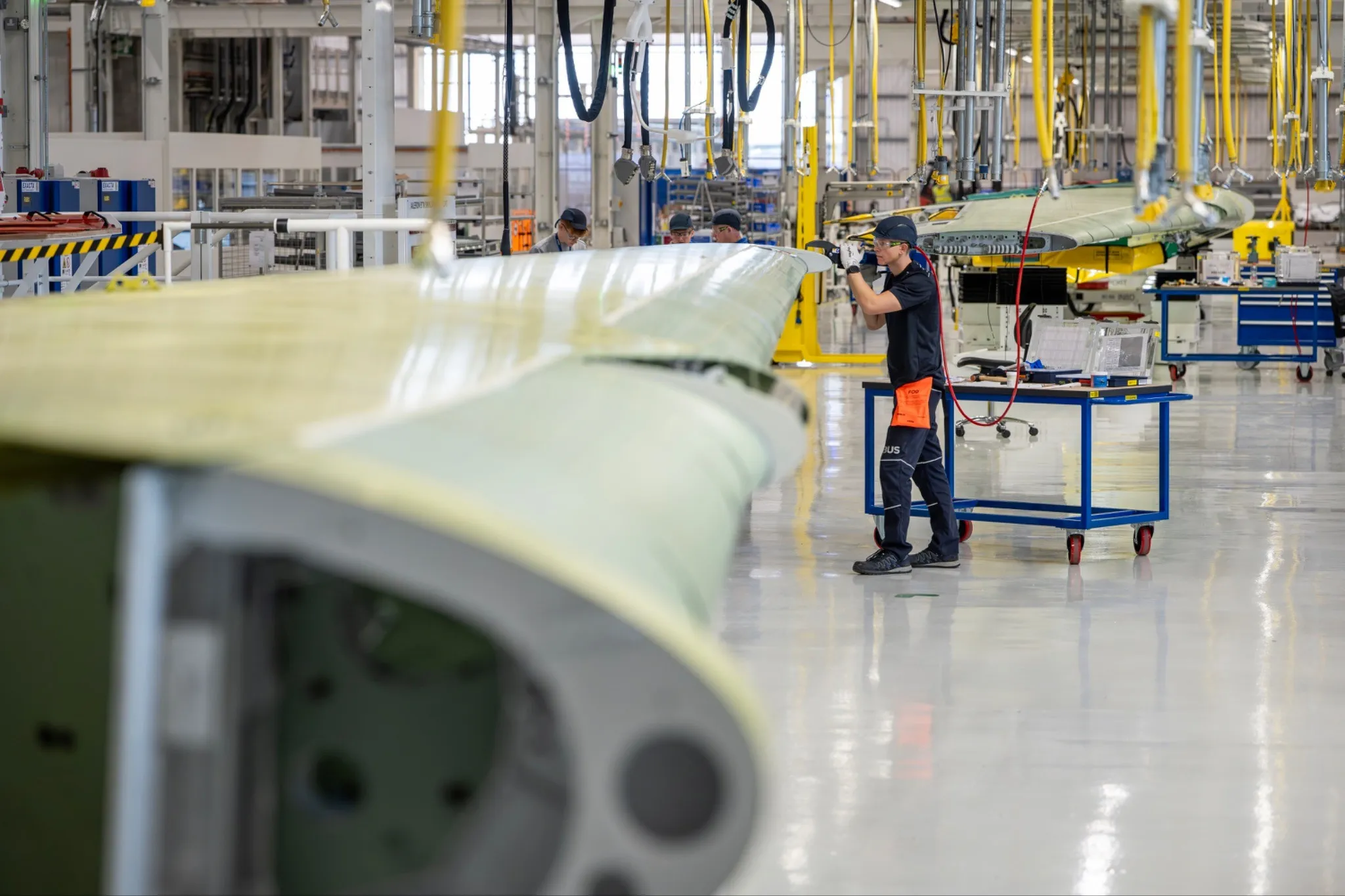
Parts and materials account for about 60% of the direct cost of a typical single-aisle engine overhaul, according to consulting firm Oliver Wyman. Older CFM56 and V2500 engines have decades of developed repairs, independent maintenance experience, and used serviceable material available from retired or dismantled engines.
LEAP and GTF operators have fewer alternatives. Their fleets are younger, fewer engines have reached retirement, and approved repairs are still developing. Airlines consequently depend more heavily on new parts supplied through the original-equipment network.
Ascend by Cirium told Reuters that overhaul and mandatory parts-replacement costs for LEAP and GTF engines have risen about twice as much since 2019 as those for older CFM56 and V2500 engines. That comparison does not mean every newer engine costs twice as much to overhaul. It describes the rate of cost increase and reflects a market with fewer mature repair and used-parts options.
The older engines are not cheap. A full CFM56-5B overhaul can exceed US$10 million, according to Willis Lease Finance. Their advantage is a broader repair ecosystem, not a low absolute bill.
Late Aircraft Deliveries Extend The Old-Engine Cycle
Boeing and Airbus delivery delays add another layer. An airline that expected to retire an aircraft before its next major engine event may instead need to fund the overhaul because the replacement jet has not arrived.
Oliver Wyman and the International Air Transport Association estimated that delayed aircraft replacements may have added about US$3.1 billion to global airline maintenance costs in 2025. Longer service lives also reduce the supply of used engine material. If fewer aircraft and engines are dismantled, fewer serviceable parts enter the secondary market, pushing operators toward higher-priced new components.
This turns delayed fleet renewal into both a capital and maintenance problem. The airline waits longer for the fuel and utilization benefits of the new aircraft while paying to keep the outgoing fleet airworthy. When the new aircraft eventually arrives, its engine may enter a repair network that is still capacity-constrained.
GTF Availability And LEAP Economics Are Converging As Issues
Pratt's powder-metal inspection program remains the clearest example of an engine defect producing mass groundings. It should not be used as shorthand for the entire maintenance market.
GE Aerospace CEO Larry Culp said in July that LEAP-related aircraft groundings had fallen to near zero. CFM is also introducing upgraded parts intended to extend time on wing. That indicates a much better availability position than Pratt's GTF fleet experienced at the peak of the recall.
LEAP shop access and overhaul cost still matter. The program powers most Boeing 737 MAX aircraft and one of the two engine options on the Airbus A320neo family. As the installed fleet matures, more engines enter scheduled maintenance even without a recall-scale event.
Airlines are responding by treating engine-repair access as strategic infrastructure. IndiGo (6E) signed a memorandum of understanding with CFM covering LEAP-1A engines and repair capability, while Ryanair (FR) is also developing in-house engine-maintenance capacity. These arrangements should not be described as proof that LEAP has the same technical problem as the GTF. They show that control over shop slots, labor, and repairs now has direct value to an airline's schedule.
The Next Recovery Metric Is Cost, Not Groundings
Aircraft-on-ground figures remain important. Each returned jet restores productive capacity, reduces the need for schedule protection, and gives an airline more fleet flexibility. But the metric answers only whether the aircraft can fly.
The next phase should be measured through lease exits, shop turnaround time, maintenance expense per flight hour, time on wing, and the availability of approved repairs and used parts. Those indicators will show whether operational improvement is reaching airline income statements and cash flow.
For JetBlue, the question is how quickly its smaller grounding count translates into fewer leased engines and lower maintenance cost. For United and American, it is whether the current wave of overhaul expense moderates as fleet plans and shop schedules normalize. Across the industry, delivery timing from Boeing and Airbus will determine how many older engines receive one more expensive shop visit.
Engine manufacturers benefit when repair output and spare-parts demand remain strong. Airlines bear the cost while also needing the engines back quickly. That tension was unusually explicit at IATA's June annual meeting, when United CEO Scott Kirby answered “yes and yes” when asked whether engine manufacturers had too much pricing power and were using shortages to charge more.
The operational emergency is receding. Its contracts, parts bills, and overhaul invoices are not. Until those costs fall with the grounding counts, the engine crisis will be smaller on the ramp than it is in airline accounts.
Featured image: Lorenzo Giacobbo/Airways



.avif)