ALPA Urges FAA to Require Secondary Flight Deck Barriers on Existing Aircraft


.webp)
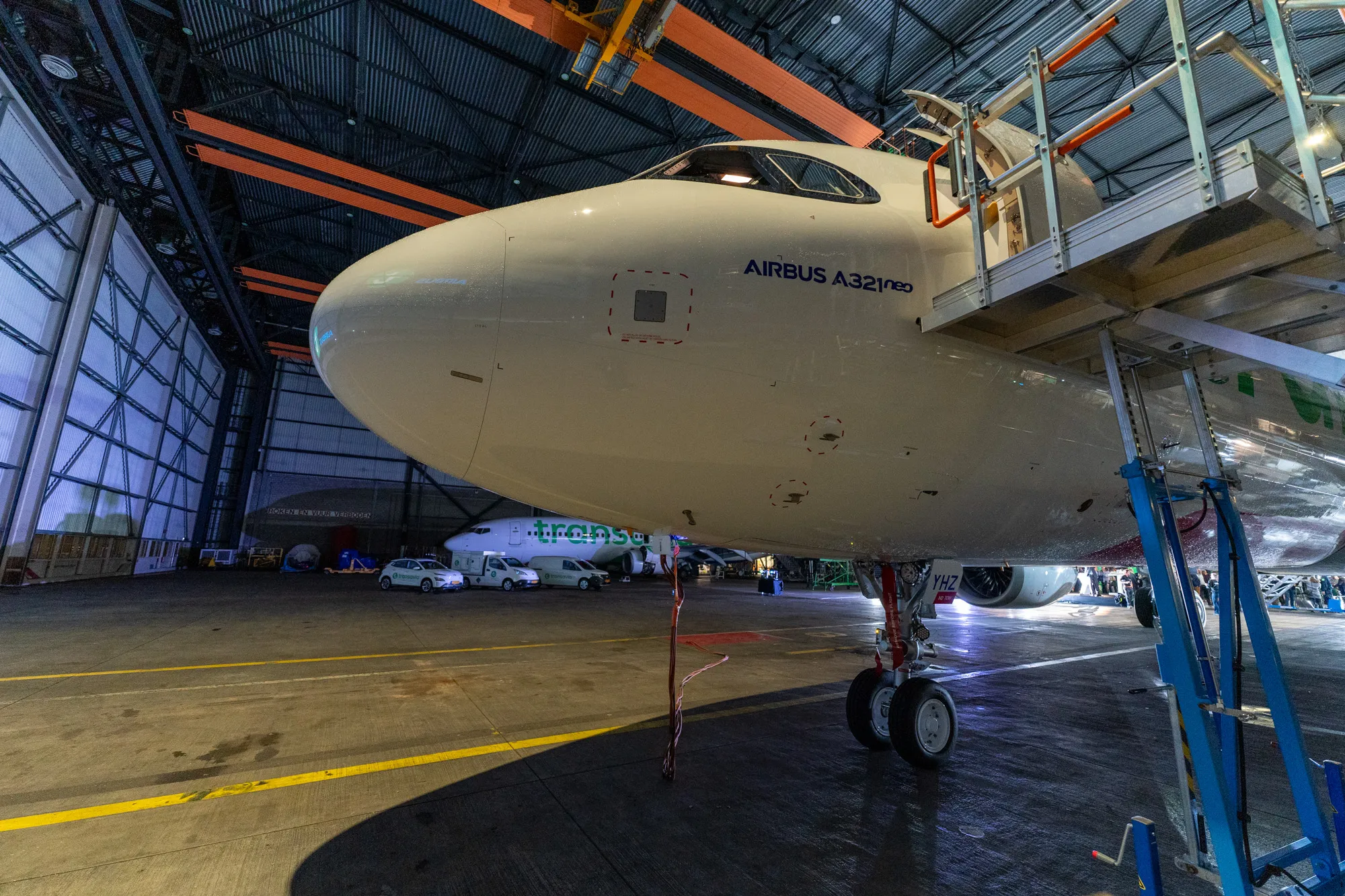
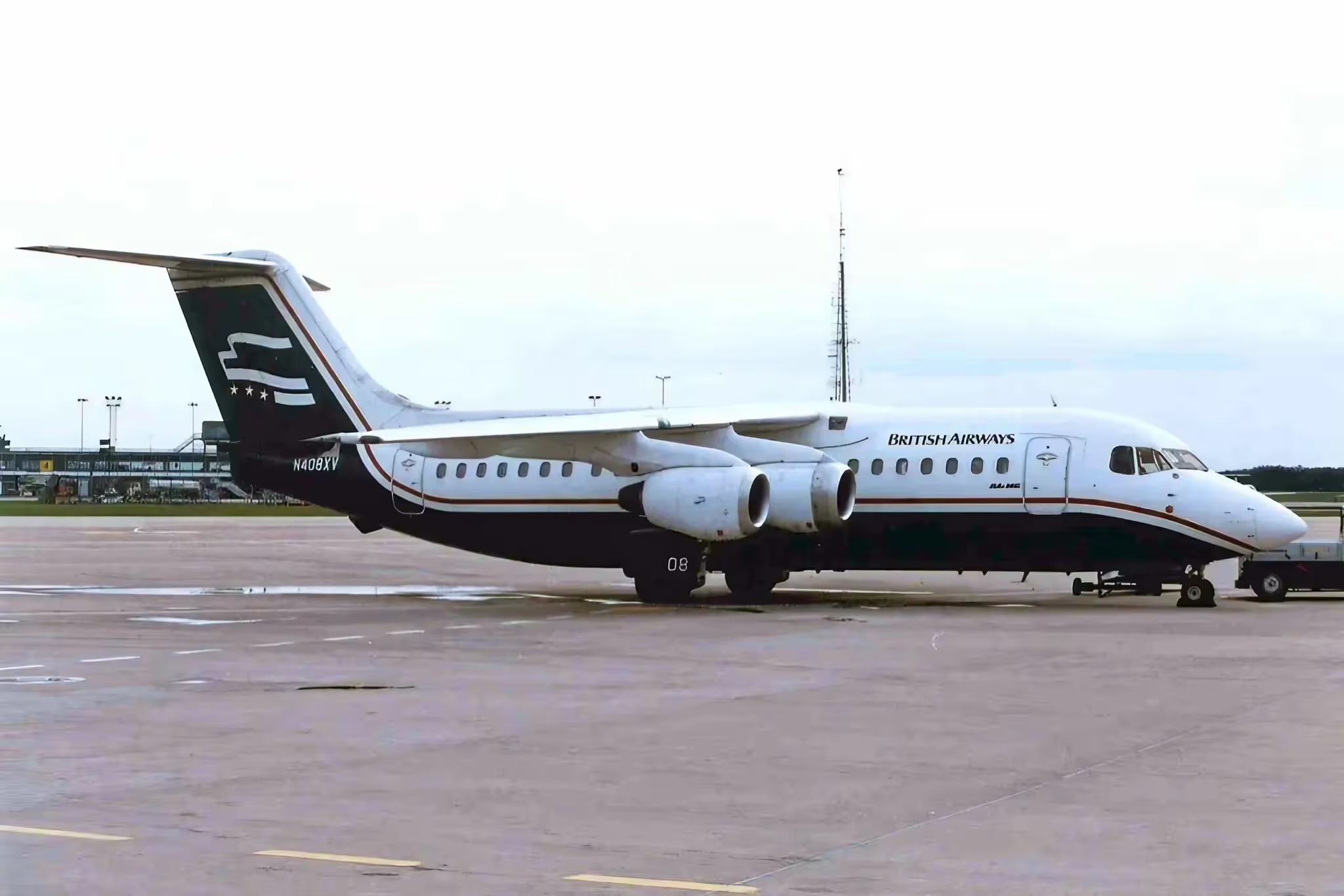
WASHINGTON, D.C. — The Air Line Pilots Association, Int'l (ALPA) is urging the Federal Aviation Administration (FAA) to require secondary flight deck barriers on passenger aircraft already in service, after the requirement for newly manufactured covered aircraft took effect August 25.
The FAA's 2023 final rule requires an installed physical secondary barrier (IPSB) on passenger-carrying transport-category airplanes operated under Part 121 that were manufactured after August 25, 2025. It does not require airlines to retrofit aircraft built before that date.
"Secondary barriers on new aircraft are the law of the land," ALPA President Capt. Jason Ambrosi said in a Monday release. He called on the FAA to issue a rule requiring retrofits across the in-service fleet.
The regulation covers passenger-carrying Part 121 operations, rather than every newly built passenger aircraft. It excludes all-cargo and private-use operations. ALPA said the FAA granted limited exemptions during the implementation process and recently denied a Regional Airline Association request for an exemption covering Embraer 170 and 175 aircraft.
A Second Layer at the Flight Deck
An IPSB is a physical barrier installed between the cabin and flight deck. When the flight deck door must be opened in flight, the barrier must be deployed first. The FAA says the purpose is to delay an attempted intrusion long enough for the door to be closed and locked.
The rule does not prescribe a single barrier design. Instead, it sets performance standards: the barrier must resist intrusion, prevent a person from reaching through to touch the flight deck door, maintain line-of-sight visibility to the cabin, and delay an attempted entry for at least five seconds.
That adds a physical layer to flight deck procedures used when pilots need to leave or re-enter the cockpit during a flight. The FAA's rule cites lavatory breaks, meal service, and crew changes as situations in which the door may need to be opened.
Retrofit Rule Still to Come
ALPA said, citing IBA's Fleet Asset Report, that more than 150 newly manufactured aircraft equipped with secondary barriers are expected to be delivered to U.S. airlines through the end of 2026. The figure is ALPA's characterization of IBA data and has not been independently verified by Airways.
The FAA has begun work on the broader question of retrofitting existing aircraft. Its Secondary Flightdeck Barrier on Commercial Passenger Aircraft Aviation Rulemaking Committee report, published in September 2025, contains recommendations for aircraft that were not covered by the 2023 rule. It does not itself create a retrofit requirement.
The distinction matters for passengers and crews: a secondary barrier is now required on covered new-production aircraft, while aircraft already in service remain subject to existing flight deck security procedures unless an airline installs one voluntarily or the FAA adopts a separate retrofit rule.
ALPA linked the new-aircraft requirement to the approaching 25th anniversary of the September 11 attacks, when hijackers exploited access to unprotected flight decks. The union has argued for secondary barriers on passenger aircraft for more than two decades.
Featured image: David Calabrese/Airways



.avif)