American Airlines Forecasts Adjusted 2026 Loss as Fuel Costs Rise


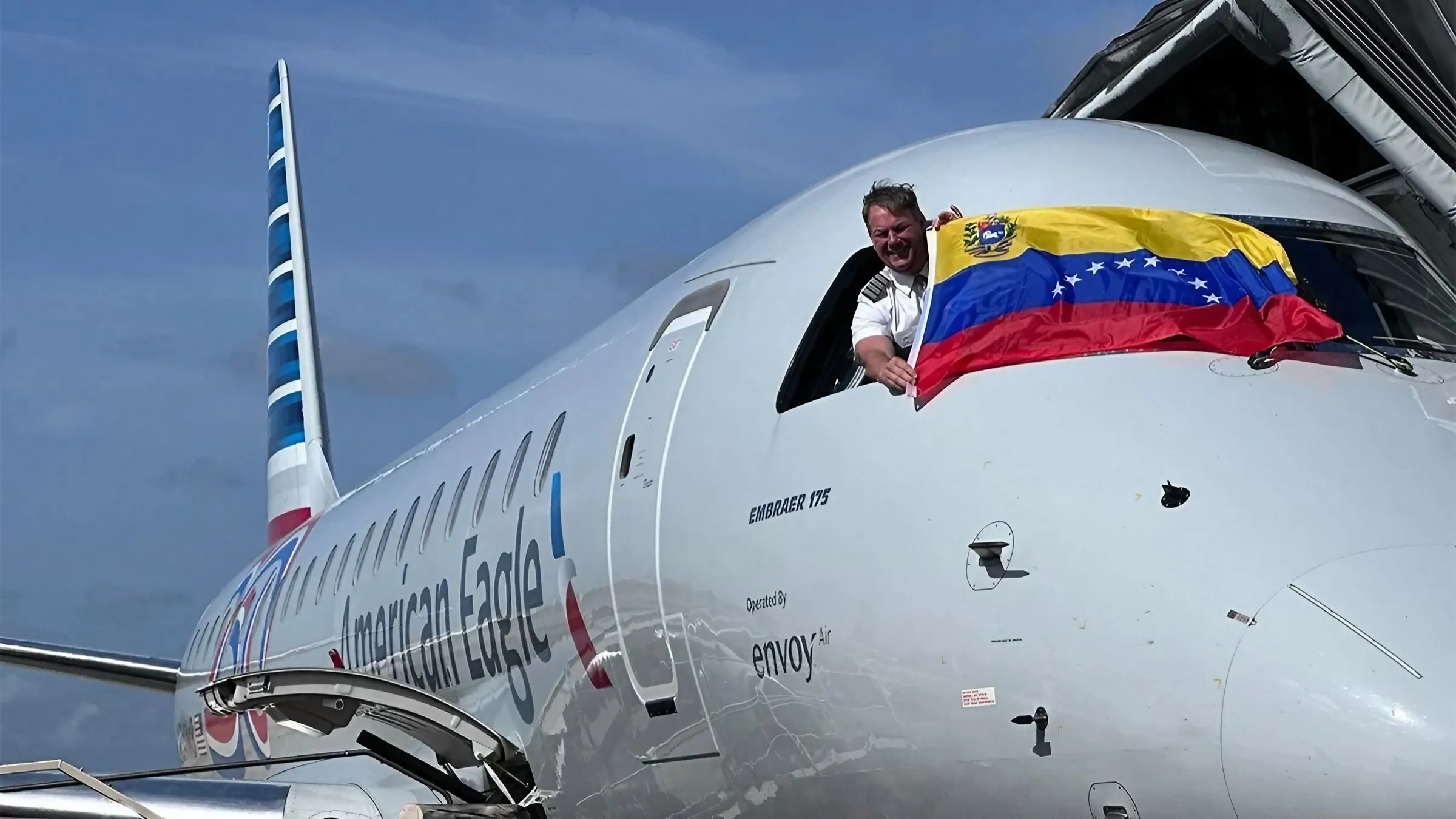


FORT WORTH, Texas — American Airlines Group forecast an adjusted loss for 2026 on October 22 as higher fuel costs pressured profitability despite record third-quarter revenue. It expects network growth to slow next year.
The company reported record third-quarter revenue of US$16.3bn, up 19.3% from a year earlier. Its net loss under generally accepted accounting principles was US$269m, or US$0.41 per diluted share. Excluding US$87m in net special items after tax, the adjusted loss was US$182m, or US$0.28 per diluted share.
Fuel expense rose US$1.9bn, or 67.5%, year over year. American Airlines (AA) paid an average of US$3.85 per gallon during the quarter.
The full-year forecast calls for an adjusted loss of US$1.00 to US$1.60 per diluted share. That measure excludes net special items; it is not a forecast of the company's GAAP result.
Higher Fuel Assumption for Q4
American expects fourth-quarter revenue to increase between 19.5% and 22.5% from a year earlier, while capacity measured in available seat miles is forecast to grow 5.5% to 6.5%.
Its fuel assumption is approximately US$4.70 per gallon, based on the forward fuel curve as of October 19. At that price, American estimates its fourth-quarter fuel bill would rise about US$2.8bn from the same period in 2025. It forecasts an adjusted quarterly loss of US$0.50 to US$1.10 per diluted share.
The fuel assumption is therefore central to the outlook: the projected expense increase depends on prices that have not yet been realized across the quarter.
Premium Growth and a Slower Network Expansion
Premium revenue increased 22.9% year over year in the third quarter, while managed corporate revenue rose 27.6%. Total unit revenue, which measures revenue relative to available seat miles, increased 14.5% year over year.
The airline group says premium products generate roughly half its ticket revenue from approximately 30% of seats. It expects premium seats to reach 40% of narrowbody seating through its narrowbody retrofit program in the coming years.
Those commercial gains have not insulated earnings from fuel costs. Management also expects its multiyear efficiency program to reach nearly US$1bn in annual run rate savings by year-end. That figure describes an annualized pace of savings, rather than savings booked during 2026.
American said elevated fuel prices would lead to slower network growth in 2027 than in 2026. The release gives no numerical growth target for next year or route-level breakdown. Slower growth also does not, by itself, mean the network will shrink.
Featured image: Chris Goulet/Airways