


.webp)
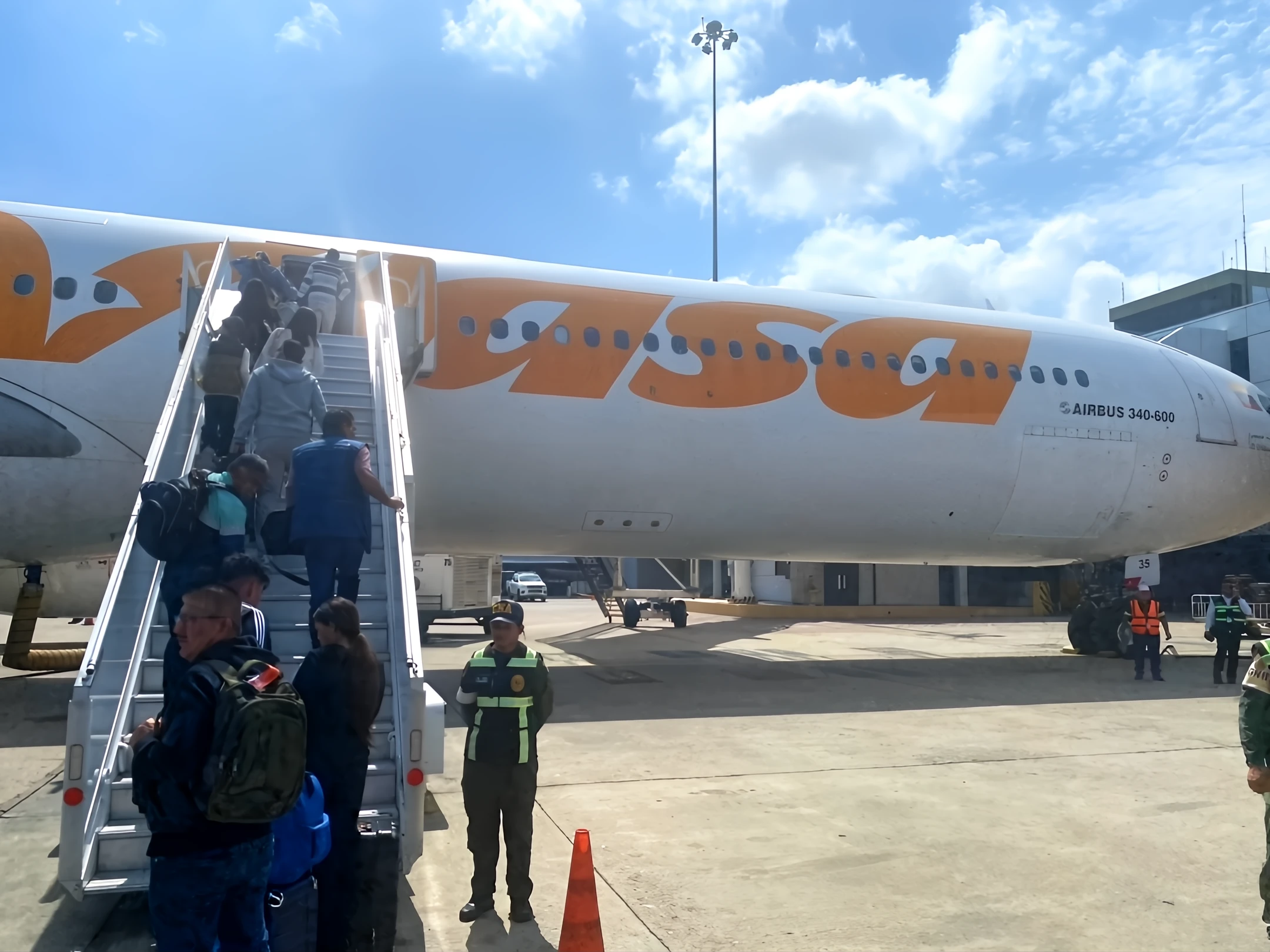
MIAMI — Amazon Air Cargo says partner airlines operate its flights. In the U.S. cargo-airline model examined here, those airlines fly under their own operating authority, even when the aircraft carries Amazon branding. The name on the fuselage can identify the logistics network while a different company operates the flight.
The fatal September 6 runway overrun at Miami International Airport (MIA) illustrates why identifying the operator matters. The Federal Aviation Administration (FAA) identified the flight as 21 Air (2I) Flight 7598. Understanding the companies' roles helps describe the operation accurately; it does not establish what caused the accident.
For the U.S. cargo airlines covered here, the operating carrier also holds the FAA authority under which it flies. The aircraft owner, commercial customer and maintenance contractors may be other businesses. Those relationships are easier to understand as overlapping roles than as a chain of separate companies.
The roles behind the brand
This map describes the U.S. Part 121 model, the operating rules for the cargo airlines discussed here. Individual contracts determine how aircraft and services are supplied.
Amazon arranges the network; an airline operates the flight
Amazon.com Services LLC, doing business as Amazon Air Cargo, is the entity named in the service's indirect-carrier disclosure. Its service terms describe selling cargo capacity on Amazon's network through contracts with airlines that operate the aircraft.
Amazon reserves the ability to change the network schedule, including city pairs and planned departure or arrival times. The same terms give the airline's pilot-in-command authority over cargo acceptance and flight safety. Commercial scheduling and authority over the safe conduct of a particular flight are distinct functions.
A U.S. direct air carrier receives its air carrier certificate under Part 119 of the federal aviation regulations. Its operations specifications define the authorizations and limitations within which it operates. Part 121 supplies the operating rules relevant to the cargo-airline model discussed here.
That makes “contracted carrier” and “certificate holder” two descriptions of the operating airline. The FAA issues and oversees that authority.
Owning the aircraft does not make Amazon its operator
Amazon's January 2021 announcement of its first aircraft purchases made this distinction explicit. The company said third-party carriers would continue operating the newly purchased aircraft. An Amazon-owned jet could therefore still be flown by another airline.
A documented example of aircraft being supplied to an operator appears in Sun Country Airlines' (SY) annual report for 2025. It described a crew, maintenance and insurance (CMI) arrangement. Amazon supplied aircraft through subleases; Sun Country flew them under its own air carrier certificate and provided crews, line maintenance and insurance.
The filing also said Amazon provided cargo loading and unloading and covered fuel. Those commercial allocations explain how the work and costs were divided in that agreement. The CMI terms should not be assumed to apply to 21 Air or every other Amazon partner.
Who makes the flight decisions?
The certificate holder is responsible for operational control. The precise division of duties within the airline depends on the regulatory category of the operation.
FAA rules provide for the pilot-in-command to share preflight planning, delay and dispatch-release responsibility with a dispatcher. For a different category of operations, they instead assign joint responsibility to the pilot-in-command and director of operations for initiating, continuing, diverting or terminating a flight. The applicable rule determines who shares those decisions; neither arrangement makes Amazon the operating airline.
The pilot-in-command has command of the aircraft and responsibility for safety during flight. Behind the crew, the airline must maintain an FAA-approved training program that ensures crews and dispatchers are adequately trained for their duties.
Who maintains the airplane—and who pays?
Maintenance involves separate questions: who performs the work, who pays for it and who retains the regulatory obligation.
Sun Country's 2025 filing described employees and contractors performing line maintenance, the work done between flights or overnight. It outsourced heavy maintenance and passed the expense for cargo aircraft through to Amazon. That is one example of a customer paying costs while the airline uses outside maintenance providers.
Under 14 CFR 121.363, the certificate holder is primarily responsible for its aircraft's airworthiness and for maintenance being performed in accordance with its manual and the regulations. The rule allows it to arrange for another party to perform the work, but explicitly preserves that primary responsibility.
Determining who worked on a particular aircraft requires its maintenance records and the relevant arrangements. Branding and ownership alone do not identify the maintenance provider. Nor does the general regulatory framework establish whether any party failed in its duties in Miami. That requires evidence from the accident investigation.
Featured image: Adrian Nowakowski/Airways


.avif)