Pegasus Cancels 12 Moscow Flights; Ukraine Notifies ICAO of Airspace Risk




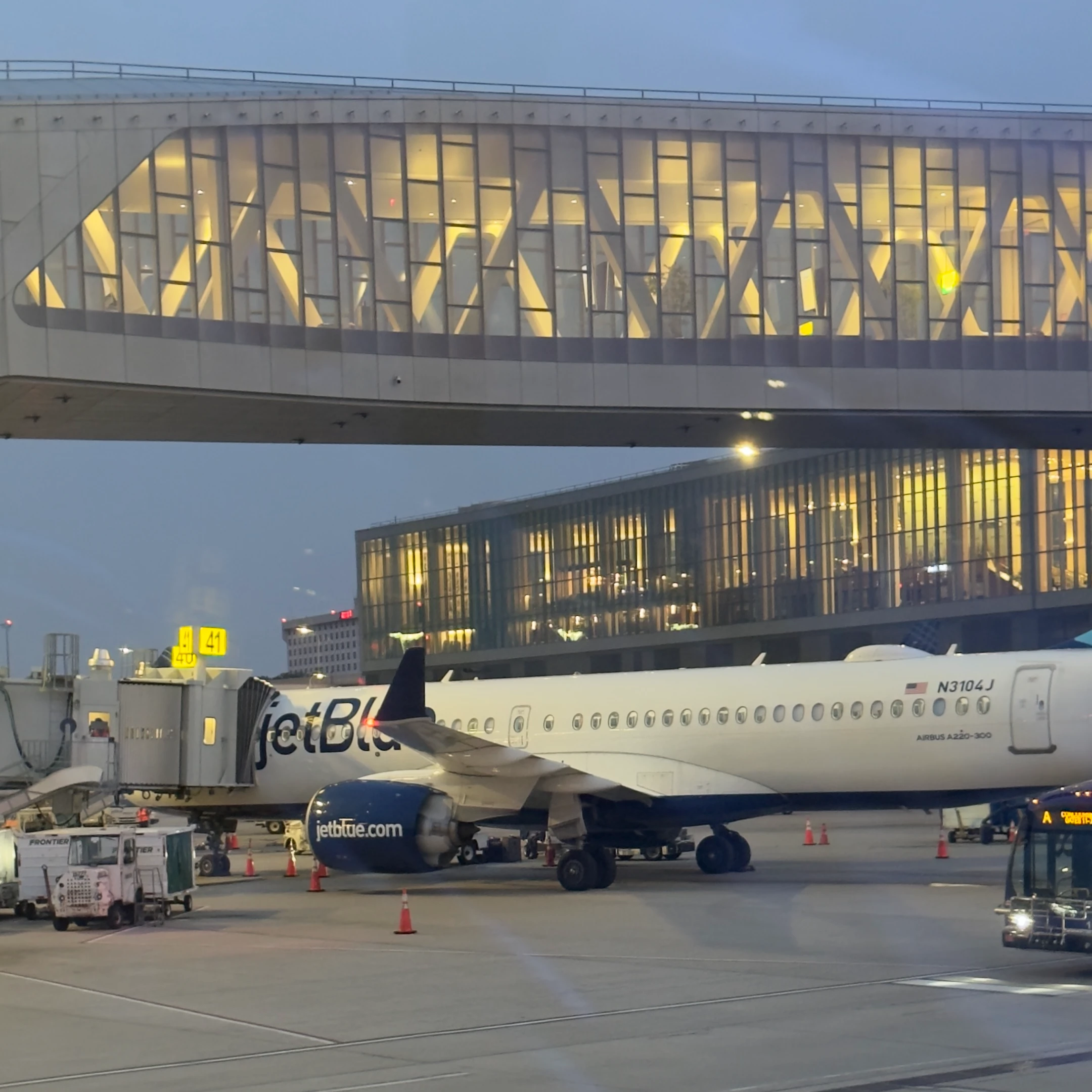

ISTANBUL — Pegasus Airlines (PC) canceled 12 flights at Moscow Vnukovo Airport (VKO) overnight, and a Moscow-bound service from Antalya (AYT) diverted to Istanbul Sabiha Gökçen Airport (SAW). Russian authorities imposed temporary restrictions at two Moscow airports during the same overnight period. Later on September 2, Ukraine told the International Civil Aviation Organization (ICAO) that Russian airspace was unsafe for civilian aviation.
Vnukovo said the Turkish low-cost carrier canceled six arriving and six departing flights, Reuters reported, and Pegasus attributed the cancellations to "technical and operational" reasons. The airline did not tie its actions to Zelensky's statement. It said its September 2 schedule to Russia would operate as planned, according to Türkiye Today, which also reported the Antalya diversion.
Turkish Airlines (TK) canceled two departures from Istanbul to Moscow and two arrivals in Istanbul from Moscow, Euronews reported. AJet, the flag carrier's low-cost subsidiary, kept its Moscow flying intact, according to Türkiye Today. Turkish Airlines did not respond to a Reuters request for comment.
The Warning That Named Insurers
Zelensky delivered the warning in his evening address on September 1. He told airlines and insurers that "Russian skies are becoming completely dangerous" and said that "although the Russian authorities do not report this as it should, the Russian sky will de facto be closed." He asked ambassadors posted in Kyiv and Moscow to relay the message to their governments and to carriers still operating in Russia.
He also drew a line around the threat. Ukraine does not threaten civilian aviation "as such — not a single civilian aircraft," he said, while adding that "there will be drones in Russia's skies, and this must be taken into account."
Temporary Restrictions Hit Moscow Airports Overnight
The cancellations coincided with an overnight drone alert. Russia's Defense Ministry said air defenses destroyed 130 Ukrainian drones between 20:00 Moscow time on September 1 and 08:00 on September 2. Vnukovo and Domodedovo Airport (DME) went under temporary restrictions during that window. Rosaviatsia lifted Vnukovo's restrictions at about 06:00 Moscow time, Meduza reported.
Flightradar24 figures cited by Reuters put Vnukovo at 22 canceled flights and 94 delays. The Moscow Times logged 21 cancellations and 235 delays at Sheremetyevo (SVO).
Ukraine Formally Notifies ICAO
Later on September 2, Foreign Minister Andrii Sybiha said Ukraine had officially notified ICAO that Russian airspace is not safe for civilian aviation because of increased military activity. "This is our responsible decision to notify ICAO and all airlines, and governments to take caution — even if Russia refuses to fulfill its responsibility to inform them," he said. "We want to prevent unintended incidents."
Sybiha described the notification as a warning to ICAO, airlines, and governments to exercise caution and prevent unintended incidents. He did not announce an airspace closure or a binding restriction. The reviewed record contains no new regulatory restriction issued in response to Ukraine's notification.
EASA Has Advised Operators to Avoid Western Russian Airspace Since 2025
Ukraine's move lands on top of a narrower advisory that has been in force since January 2025. EASA's Conflict Zone Information Bulletin for Russian airspace recommends not operating west of longitude 60° East at any altitude, covering the Moscow, Rostov-on-Don, St. Petersburg, Yekaterinburg, and Samara flight information regions. Airways covered the guidance when EASA first issued it. The agency revised the bulletin on July 24, 2026, extending it to January 31, 2027.
It applies to EU operators and to EASA-authorized third-country operators when they fly to, from, or within the EU. It remains a recommendation rather than a binding restriction on a non-EU carrier flying between its own country and Russia. EASA's stated reasons are Russian air defense systems capable of operating at all altitudes, the pattern of incidents occurring in airspace Russia had not closed, and GNSS jamming and spoofing near the conflict zone. The bulletin cites the December 25, 2024 crash of an Azerbaijan Airlines Embraer 190 near Aktau, Kazakhstan, an event Azerbaijani officials publicly linked to a Russian air defense system.
Foreign Airlines Continue Serving or Overflying Russia
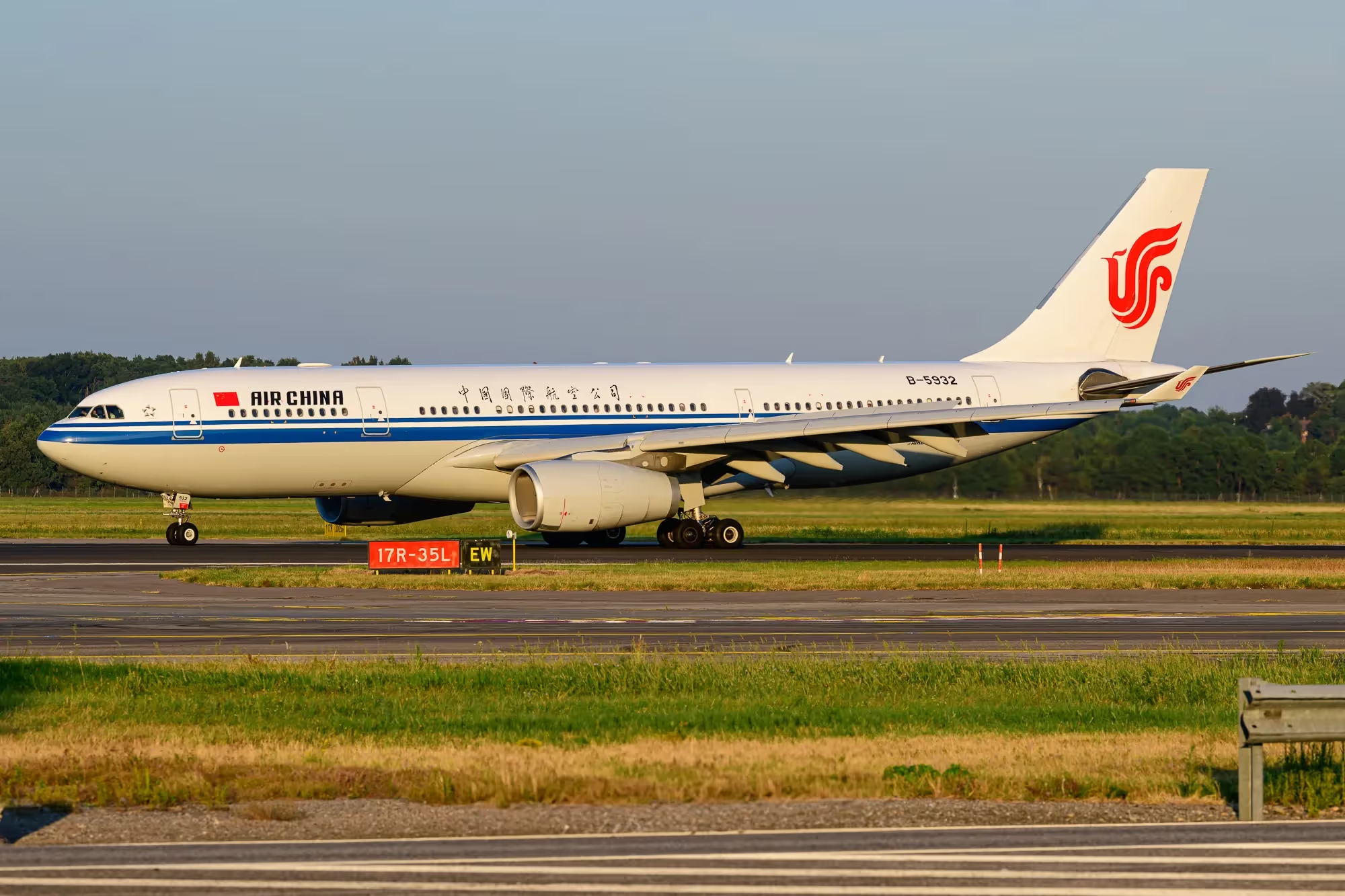
Emirates, Turkish Airlines, Air India, Etihad, Qatar Airways, and several Chinese carriers still fly to or over Russia, Euronews reported. European and US airlines stopped flying over Russia after the 2022 invasion, and Ukrainian airspace has been closed since February 24, 2022.
Russia's response was to promise continuity. Transport Minister Andrei Nikitin said the country was "constantly improving flight safety and airport security requirements" and would "not allow any significant disruption to civil aviation," Reuters reported.
The aviation risk advisory firm Osprey Flight Solutions told clients that most Ukrainian drone and missile strikes were likely to fall within 185 miles (300km) of the border, but that daily attacks deeper inside Russia were likely through 2026.
Nothing in the reviewed record shows a regulator converting Ukraine's notification into a binding restriction, or an insurer repricing Russian exposure since September 1. Pegasus has said only that it intends to fly its September 2 Russia schedule.
Featured image: Mehmed Bekir Cakmak/Airways



.avif)