U.S. Airline Fares Jump 22.4% Year Over Year as Fuel Costs Pressure Industry




WASHINGTON — U.S. airline fares rose 22.4% in September from a year earlier, far exceeding the 3.7% increase in overall consumer prices.
The Bureau of Labor Statistics' September inflation release, issued October 14, showed fares increased another 1.2% from August on a seasonally adjusted basis. The broader Consumer Price Index (CPI) rose 3.7% over the year and 0.6% over the month.
The annual gap was 18.7 percentage points. The figures establish how much faster fares increased than consumer prices overall, but do not measure how much of airlines' higher costs reached passengers.
What the Fare Index Measures
The BLS airline-fares methodology samples non-business travel by the U.S. urban population, covering eligible scheduled domestic and international trips. Its sample consists largely of discount fares and excludes trips designated as business travel.
Prices are collected using fixed advance-booking periods and days of the week. The index includes applicable taxes and fuel surcharges, with a first checked bag included in a proportion of sampled quotes. It excludes carry-on baggage charges and additional checked bags.
That scope matters for travelers comparing the national figure with an individual booking. A 22.4% index increase does not mean every itinerary costs that much more, nor does it describe the change in a carrier's average revenue per passenger.
Higher Revenue, Narrower Margins
Separate Bureau of Transportation Statistics figures for August put scheduled U.S. airlines' fuel spending at US$6.17bn, up 60.2% from a year earlier. Reported consumption fell 1.2%, while average cost per gallon rose 62.2% to US$3.72.
Those figures describe August fuel costs, rather than September fares or current spot prices. They provide a more direct measure of airline fuel expense than the gasoline component of consumer inflation. Airways previously examined how rising jet fuel costs affect airline operations.
Delta Air Lines (DL) offers a company-level example of the financial pressure. In its September-quarter results released October 9, the airline reported a 14% increase in passenger mile yield, to 22.80 US cents. Yield measures passenger revenue earned for each mile flown by a paying passenger.
Delta's adjusted fuel expense rose 62% to US$4.1bn. Its adjusted operating margin fell to 9.4% from 11.1%, despite a 16% increase in adjusted operating revenue. Premium revenue grew 18% on a 6% increase in premium seats.
The airline's quarterly yield growth and the monthly CPI fare comparison cover different periods and markets. Still, the results illustrate the distinction between stronger revenue and stronger profitability: higher passenger revenue did not prevent DL's adjusted margin from narrowing.
Earnings Outlook Comes Next
For the December quarter, Delta expects approximately 20% adjusted revenue growth, with total seats increasing less than 2% and Main Cabin seats declining. Its forecast assumes an all-in fuel price of approximately US$4.25 per gallon, including a refinery benefit of approximately US$0.40 per gallon.
United Airlines (UA) plans to release results October 20 and hold its earnings call October 21. American Airlines (AA) has scheduled its results call for October 22, while Southwest Airlines (WN) will release results October 21 and discuss them October 22.
Their fuel assumptions, passenger yields and capacity forecasts will provide further evidence of whether revenue growth is keeping pace with costs as travelers face higher fares.
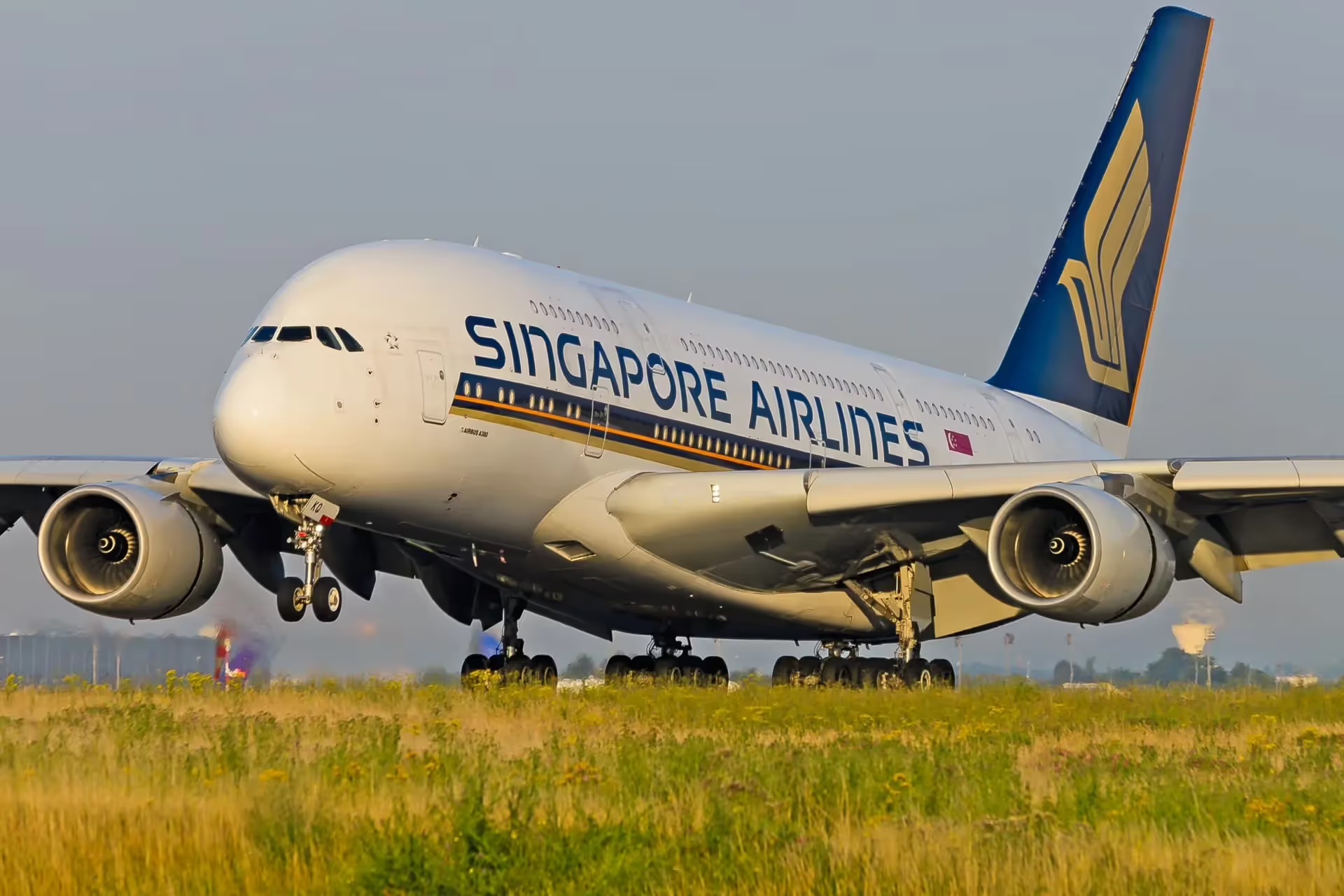
Featured image: Tony Bordelais/Airways



.avif)