CDC Expands Ebola Airport Screening to Hartsfield-Jackson Atlanta Intl


.webp)




ATLANTA — The U.S. Centers for Disease Control and Prevention has expanded enhanced public health entry screening for Ebola to Hartsfield-Jackson Atlanta International Airport (ATL), adding the world’s busiest airport to the federal response to the ongoing Ebola outbreak in East and Central Africa.
The CDC said screening at ATL became effective at 11:59 p.m. Eastern Time on May 22, 2026. The move follows the start of enhanced screening at Washington Dulles International Airport (IAD), which began at 11:59 p.m. on May 20.
Atlanta joins Dulles screening operation
Hartsfield-Jackson is not new to this type of public health operation. The CDC said ATL has previously conducted enhanced public health entry screening and already has established operational procedures in place.
The agency described the airport screening as one part of a broader layered approach that also includes overseas exit screening, airline illness reporting, and post-arrival public health monitoring.
The expansion is important for aviation because it adds another major U.S. gateway to a process that can affect passenger routing, airline coordination, airport processing, and public health handoffs after arrival.
Who is being screened
In its earlier Dulles notice, the CDC said enhanced screening applied to travelers who had been in the Democratic Republic of Congo, Uganda, or South Sudan within 21 days before arriving in the United States. Those travelers were to be escorted to a screening area, answer questions about travel history and symptoms, provide contact information, and have their temperature checked by CDC staff using non-contact thermometers.
Travelers without symptoms are allowed to continue to their final destinations and receive information on health monitoring. If a traveler has fever or other symptoms, the person is evaluated by a CDC public health officer.
The CDC said on May 21 that no suspected, probable, or confirmed Ebola cases had been reported in the United States and that the domestic risk was low, while emphasizing that entry screening is intended to slow and reduce the potential spread of disease into the country.
Ebola outbreak drives U.S. measures
The U.S. screening expansion comes after the World Health Organization declared the Ebola outbreak in Congo and neighboring Uganda a public health emergency of international concern. The outbreak is caused by the Bundibugyo virus, a rare Ebola variant for which health authorities say there are no approved therapeutics or vaccines.
Reuters reported that U.S. authorities initially directed Americans who had recently been in the DRC, Uganda, or South Sudan to enter through Washington Dulles for screening, with CDC and Customs and Border Protection staff checking symptoms, travel history, and possible exposure.
Why it matters for ATL
For ATL, the measure adds a public health screening layer at a major global connecting hub with extensive domestic and international traffic. Hartsfield-Jackson’s role is especially notable because it has prior experience with enhanced entry screening from earlier Ebola responses, which likely made it a logical airport for rapid expansion.
For airlines and passengers, the key point is that this is not a general airport-wide Ebola screening of all travelers. It is targeted public health entry screening tied to recent travel in affected countries and coordinated through federal public health procedures.
The broader aviation takeaway is that infectious disease response can quickly become an airport operations issue. In this case, the CDC’s expansion from IAD to ATL suggests federal authorities are moving from a single-airport screening model toward a broader, layered entry-screening network as the Ebola response evolves.
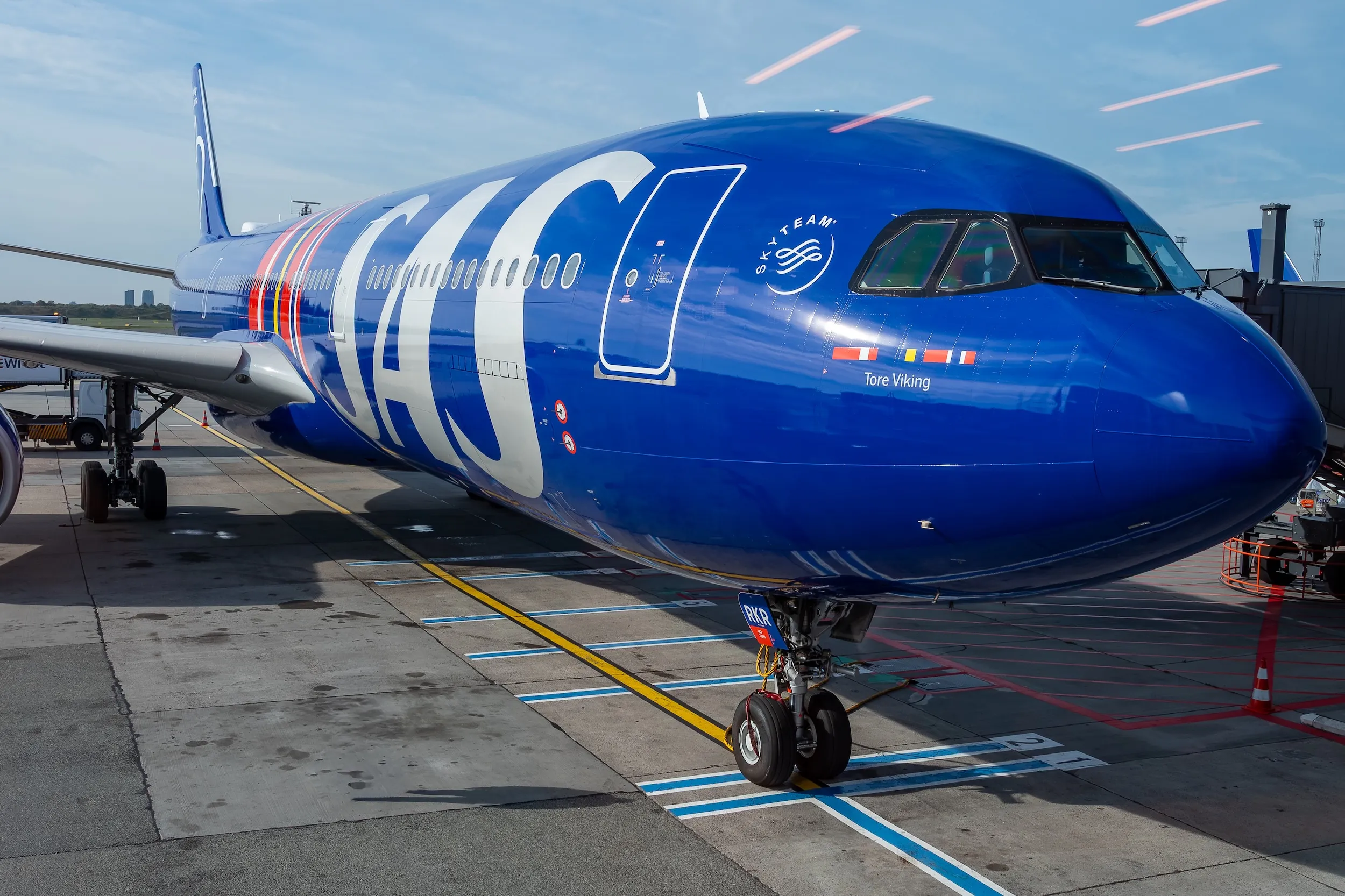
Featured image: Franceso Cecchetti/Airways





.avif)