Delta Holds 2026 Outlook as Revenue Strength Offsets Fuel Hit


.webp)
ATLANTA — Delta Air Lines (DL) reaffirmed its full-year 2026 profit outlook after reporting stronger-than-expected June-quarter results, with record revenue helping offset a sharp rise in fuel costs.
The Atlanta-based carrier reported US$19.8 billion in GAAP operating revenue, US$2.0 billion in pre-tax income, and US$2.44 in earnings per share for the quarter. On an adjusted basis, Delta reported US$17.7 billion in operating revenue, US$1.4 billion in pre-tax income, an 8.8% operating margin, and US$1.56 in earnings per share.
Delta said it continues to expect full-year adjusted earnings of US$6.50 to US$7.50 per share and free cash flow of US$3 billion to US$4 billion.
Revenue Outpaces Capacity Growth
Delta’s June-quarter revenue grew 14% year over year on approximately 1% capacity growth, underscoring the airline’s ability to generate stronger revenue without relying heavily on additional flying.
Adjusted total unit revenue, or TRASM, increased 12.4% from the prior year. Main cabin unit revenue grew by double digits for the second consecutive quarter, while domestic unit revenue increased 12% and international unit revenue rose 8%.
That revenue mix matters because it suggests Delta’s performance was driven less by simple capacity expansion and more by stronger fares, yield, and passenger mix. Reuters reported that Delta recovered about 60% of its fuel-cost increase through fare gains during the quarter and expects further recovery in the September quarter.
Premium, Loyalty, Cargo Drive the Mix
Delta’s diversified revenue streams remained a major source of strength.
The airline said premium revenue grew 17% year over year, supported by yield strength and continued investment in premium seating. Loyalty and related revenue grew 19%, while American Express remuneration reached US$2.4 billion, up 16% from the prior year.
Cargo revenue increased 39%, driven primarily by higher volume, while MRO revenue rose 32%, mainly on legacy engine platforms.
Together, those higher-margin revenue streams accounted for 61% of Delta’s total revenue, up two points from the same period last year.
Corporate sales also grew by double digits across all sectors, led by aerospace and defense, banking, and automotive. Delta said premium corporate sales increased more than 25%, supported by demand for higher-end products and recent investment in Delta Comfort and Delta Premium Select.
Fuel Costs Remain the Pressure Point
The main drag was fuel.
Delta reported US$4.4 billion in adjusted fuel expense, up 77% year over year. Its adjusted fuel price rose 75% to US$3.93 per gallon, including an 11-cent refinery benefit and a temporary refinery-outage impact.
The fuel increase compressed earnings despite the strong revenue result. The Wall Street Journal reported that Delta’s adjusted revenue beat analyst expectations, but higher fuel costs cut profit compared with the prior year.
For the September quarter, Delta expects total revenue to grow in the mid-teens, with an operating margin of 11% to 13% and adjusted earnings per share of US$2.00 to US$2.50. The forecast assumes an all-in fuel price of approximately US$3.15 per gallon, including a five-cent refinery benefit.
Operations and Fleet Investment
Delta said it led its competitive set in both on-time arrival and departure performance during the June quarter and set a company record for domestic mishandled baggage rate.
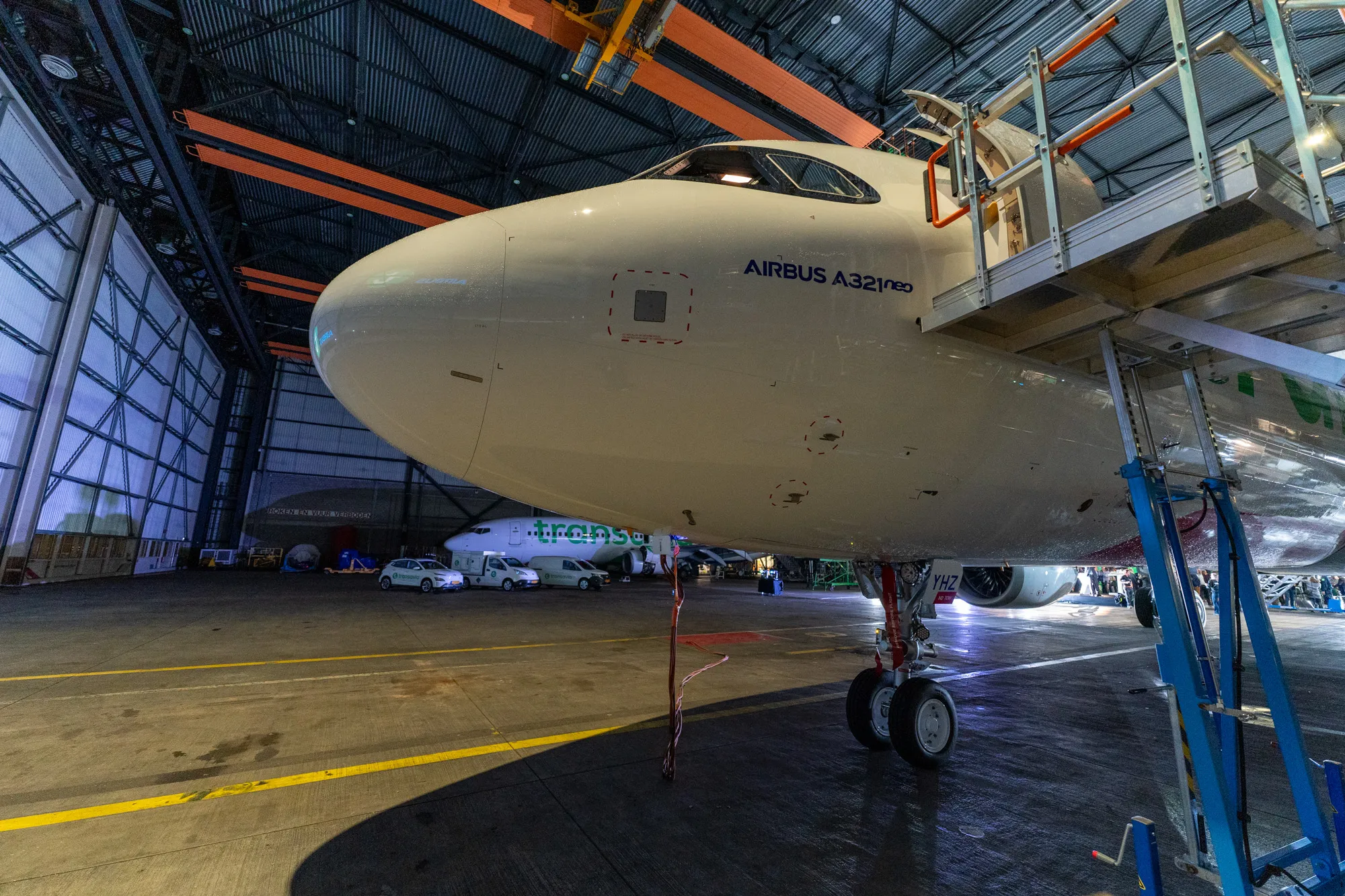
The airline also took delivery of 11 aircraft during the quarter, including Airbus A350-900, A321neo, and A220-300 aircraft. It launched new daily service from Los Angeles (LAX) to Hong Kong (HKG) and Chicago O’Hare (ORD), while adding or expanding seasonal transatlantic service to Porto (OPO), Malta (MLA), Sardinia, Madrid (MAD), Nice (NCE), Rome (FCO), and Barcelona (BCN).
Delta also highlighted continued product investment, including its next-generation Delta One suite for the A350-1000 fleet and an expanded suite offering for the A330ceo fleet.
Balance Sheet Still Improving
Delta ended the quarter with US$13.6 billion in adjusted net debt, down US$709 million from the end of 2025. Liquidity stood at US$7.7 billion, including US$3.1 billion in undrawn revolver capacity.
The airline generated US$1.7 billion in adjusted operating cash flow and US$209 million in free cash flow during the quarter after US$1.4 billion in gross capital expenditures.
Delta also announced a 15% increase in its dividend payment beginning in the September quarter.
Bottom Line
Delta’s June-quarter report shows an airline still absorbing one of the industry’s largest cost pressures while leaning on the parts of its business that are hardest for competitors to copy: premium demand, loyalty revenue, corporate strength, operational reliability, and balance-sheet progress.
The result does not remove the risk of softer demand or fare pressure later in the year. But by reaffirming guidance and forecasting stronger September-quarter margins, Delta is signaling that it believes the revenue gains made during the spring fuel shock can hold into the second half of 2026.
Featured image: Tony Bordelais/Airways



.avif)