In Photos: Inside Delta TechOps’ World’s Largest Production Engine Test Cell



ATLANTA — Atlanta’s home to a lot of big things. A big airport. A big aquarium. Big universities. Even the Big Chicken. And it’s also home to the world's largest production test cell.
During Airways’ tour of Delta TechOps, we visited the huge facility, guided by Duty Manager Mark Folsom, a former U.S. Marine who has been with the company for more than 38 years.
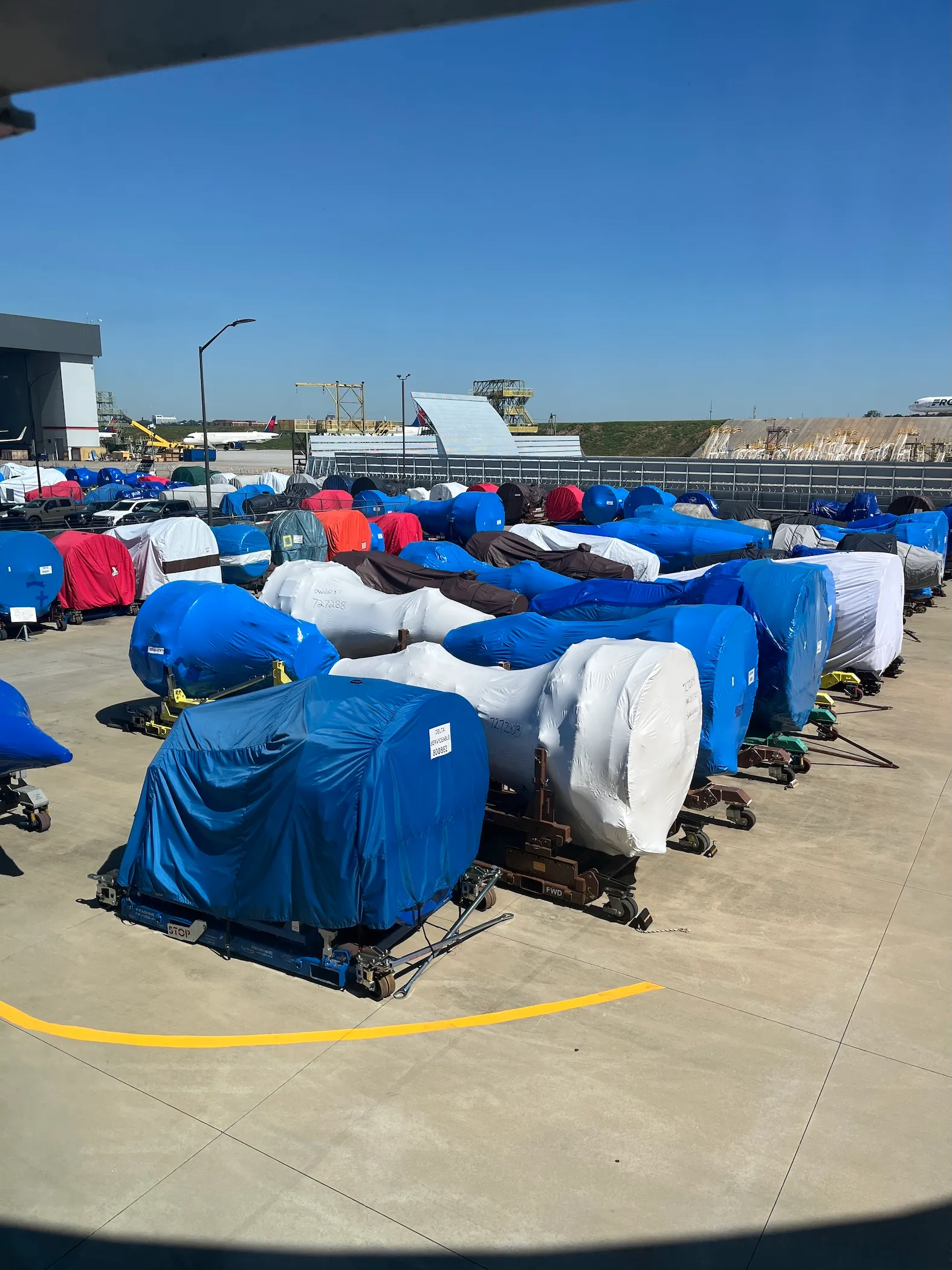
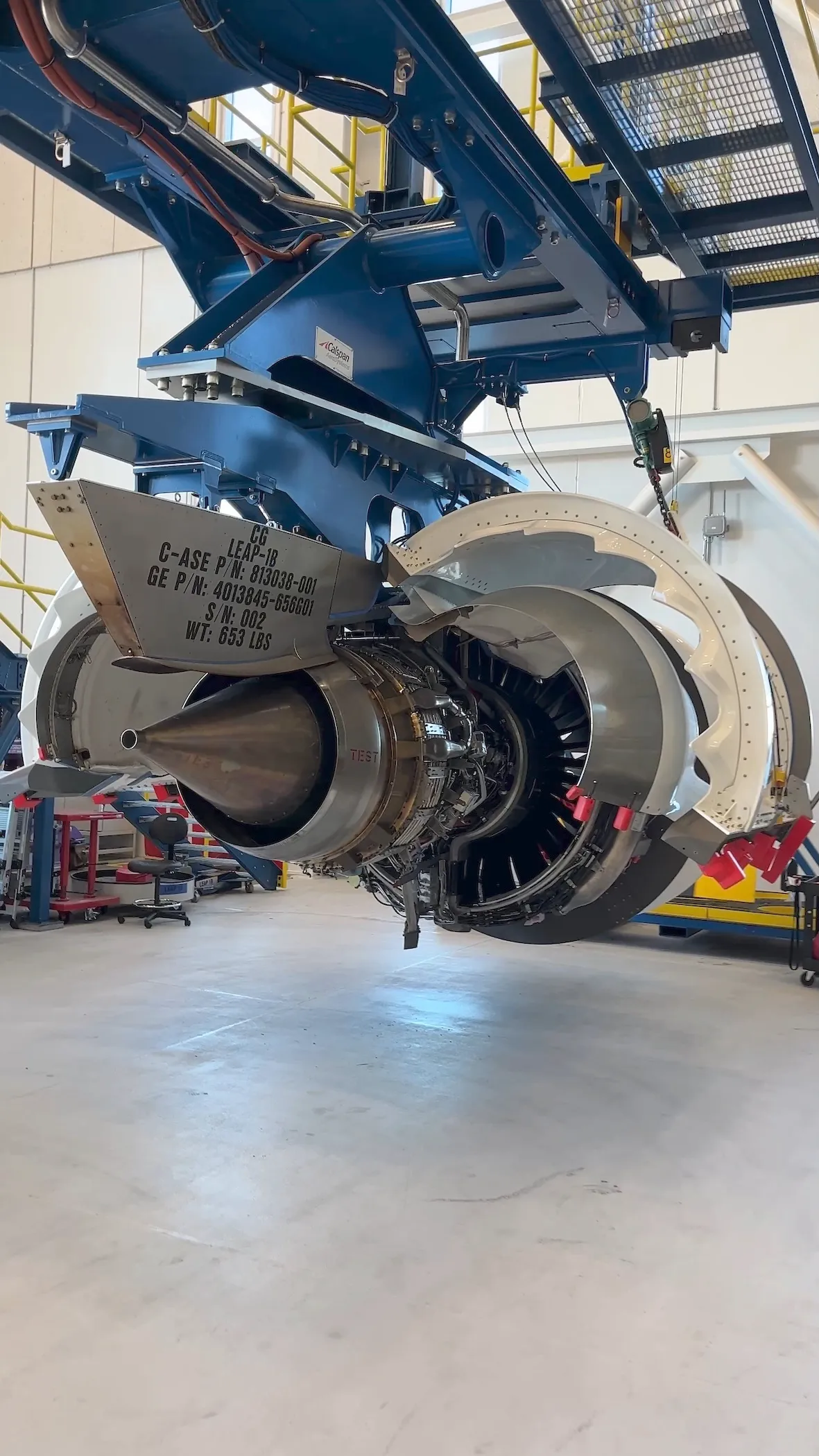
To recap, this facility, along with test cells three and four, is authorized to work on nearly every commercial engine type flying today, including Pratt & Whitney, GE and CFM legacy platforms. They are also the only North American MRO certified on all three major next-gen platforms: Rolls-Royce Trent 1000, 7000, and XWB; Pratt & Whitney GTF PW1100 and GTF 1500; and CFM LEAP-1B and LEAP-1A.
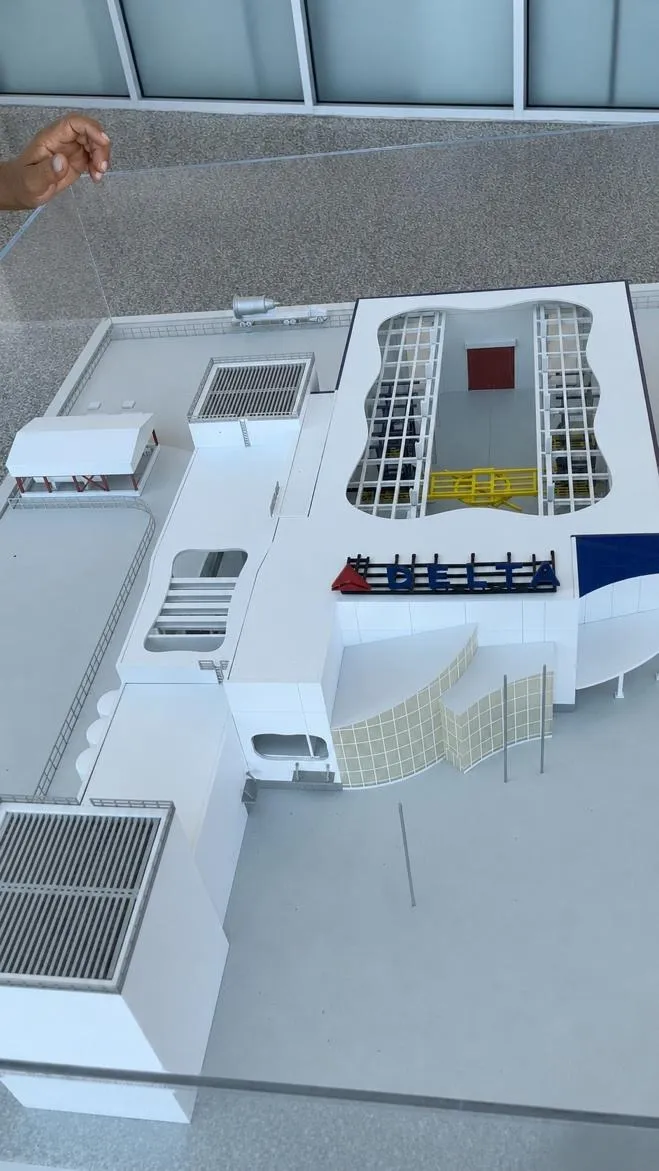
In 2018, TechOps pursued a contract to work on Rolls-Royce Trent engines, but this presented a challenge. “We had to build a cell capable of handling those big engines,” Folsom said. “The four cells we had at the time were limited at 70,000 pounds of thrust. So, to work with the big Trents — and even bigger ones that will come on board later — we had to design and build a much bigger facility. Delta got the approvals, did the groundwork, and once the site was developed and ready for construction, the facility was completed in just about 15 months.”
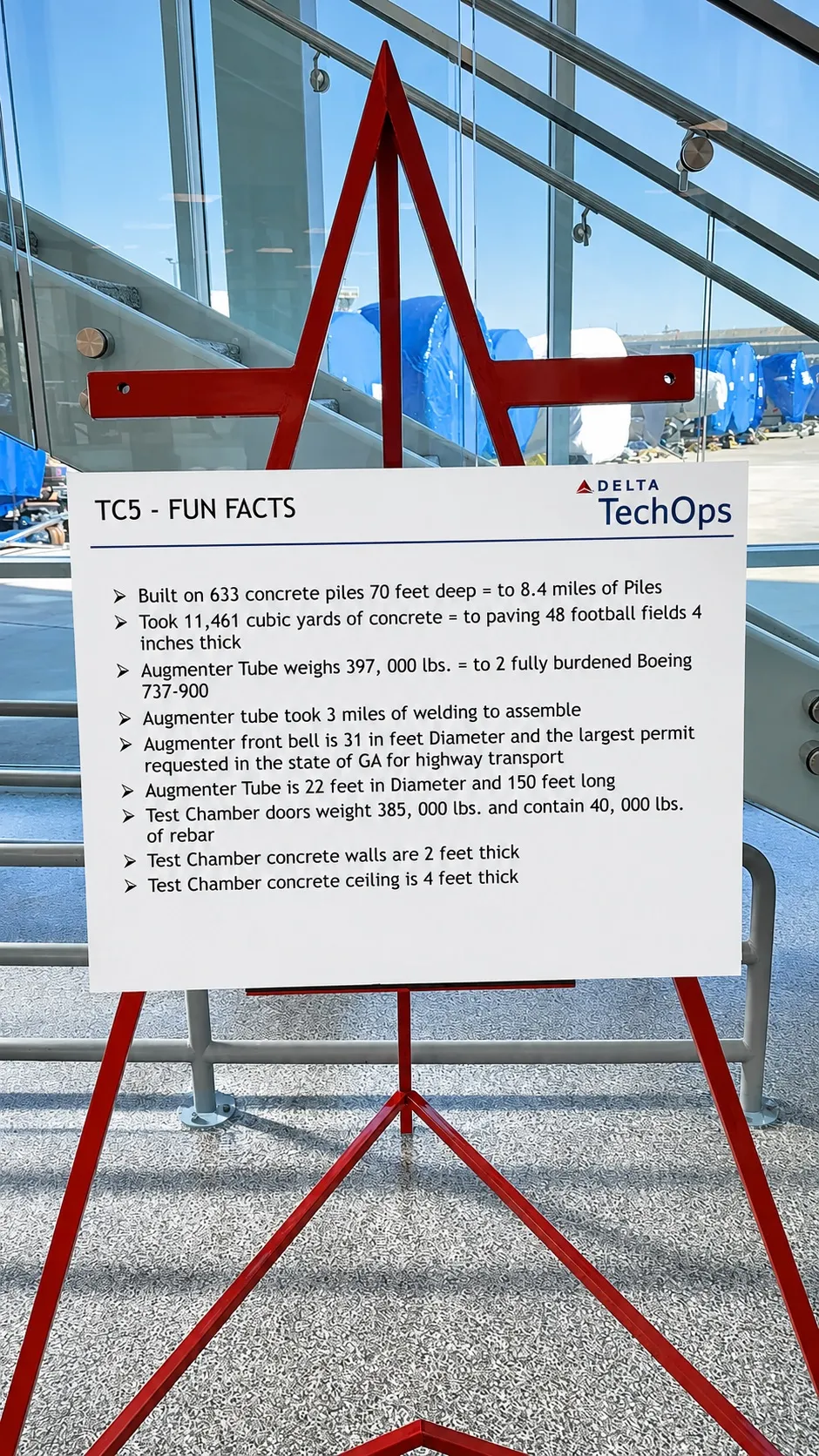
The test cell, opened in 2019 and built for around $65 million, can handle up to 150,000 pounds of thrust. And although Delta does not fly the Trent 1000 (B787 family, up to 81,000 pounds of thrust) or the GE90 (B777 family, up to 120,000 pounds of thrust), this test cell enables TechOps to perform work for third-party operators who do. (Delta does fly the Airbus A350 that uses the Rolls Royce Trent XWB engine that produces up to 97,000 pounds of thrust.)
And it’s a busy facility. “We're running around 700 engines a year through all of our test cells,” Folsom said. “Down here where we test the Rolls Royce Trent 1000, 7000 and the XWB, the volume runs anywhere from 70-to-90 a year. Now that the Leap engine has been certified, we expect that number to increase.
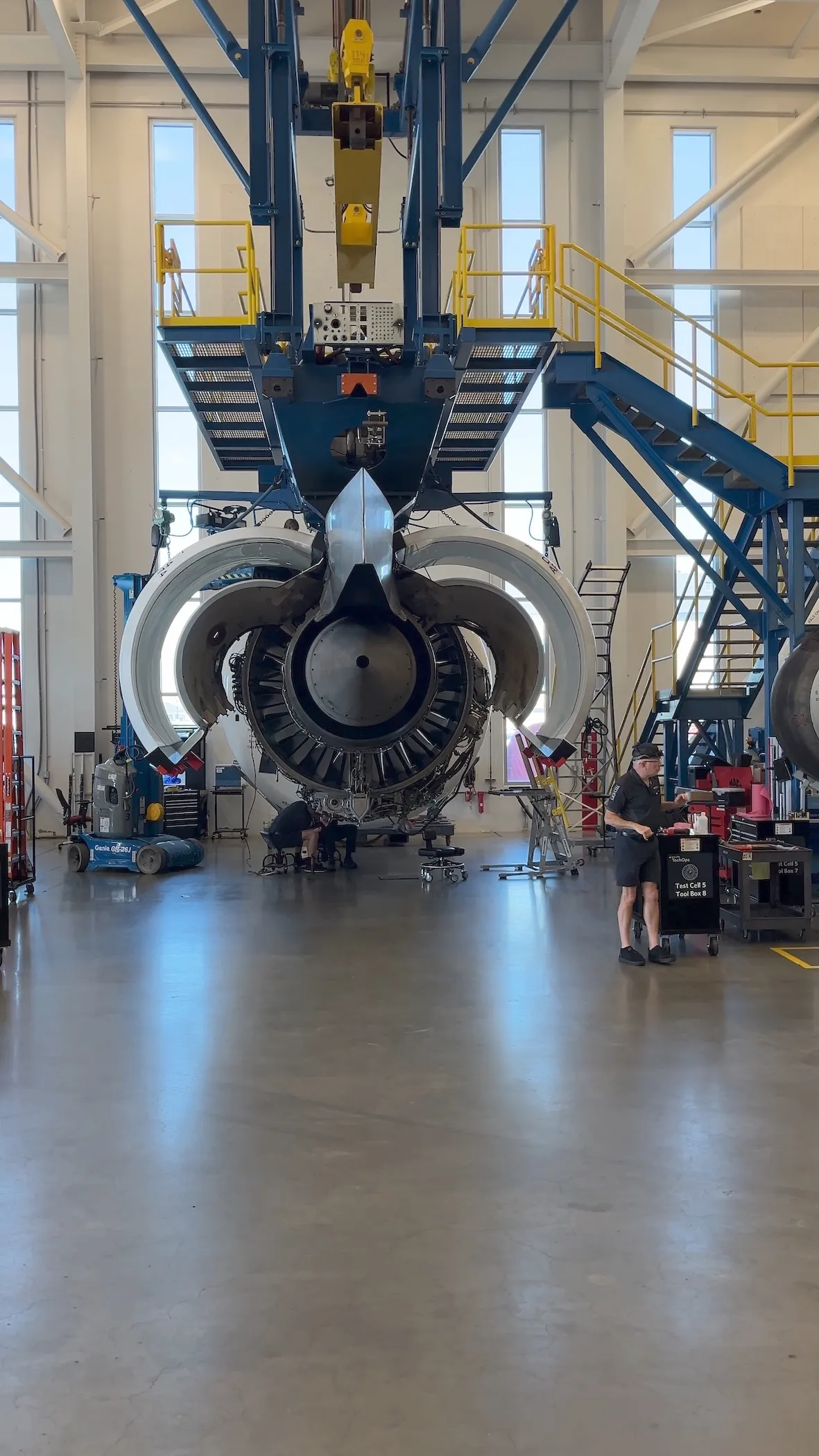
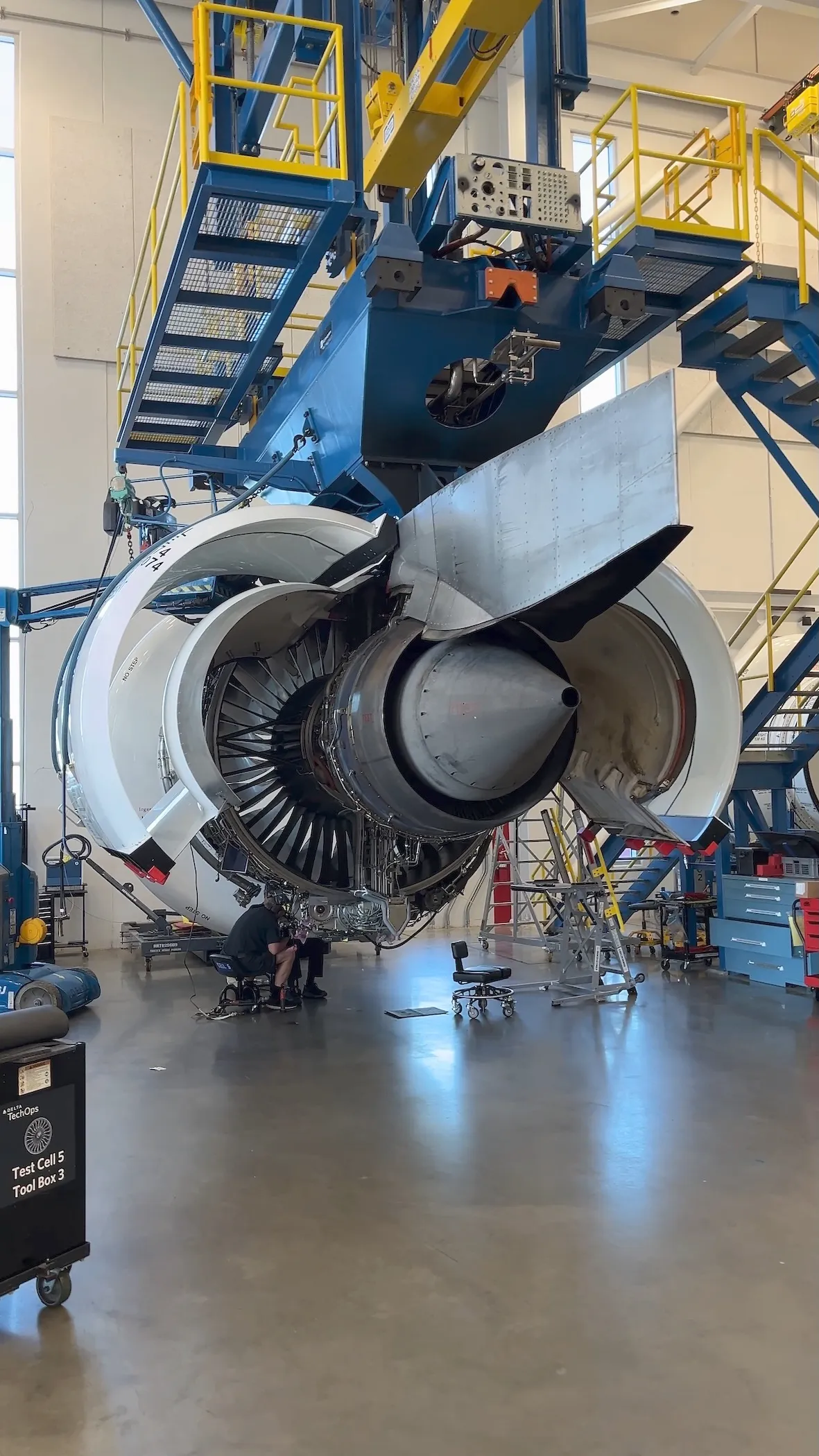
Upon arrival, engines are brought into the facility by a dedicated move crew, which has the sole duty of unloading, moving, and reinstalling engines all day. The test crew then maneuvers the engines into position for an adapter to be placed over each engine, picks it up from the stand, and moves it to a workstation. The load is locked and secured in the workstation, making it safe for technicians to work under it. Engine prep prior to testing can take from six to eight hours, with the actual time in the test cell ranging from eight hours to several days.
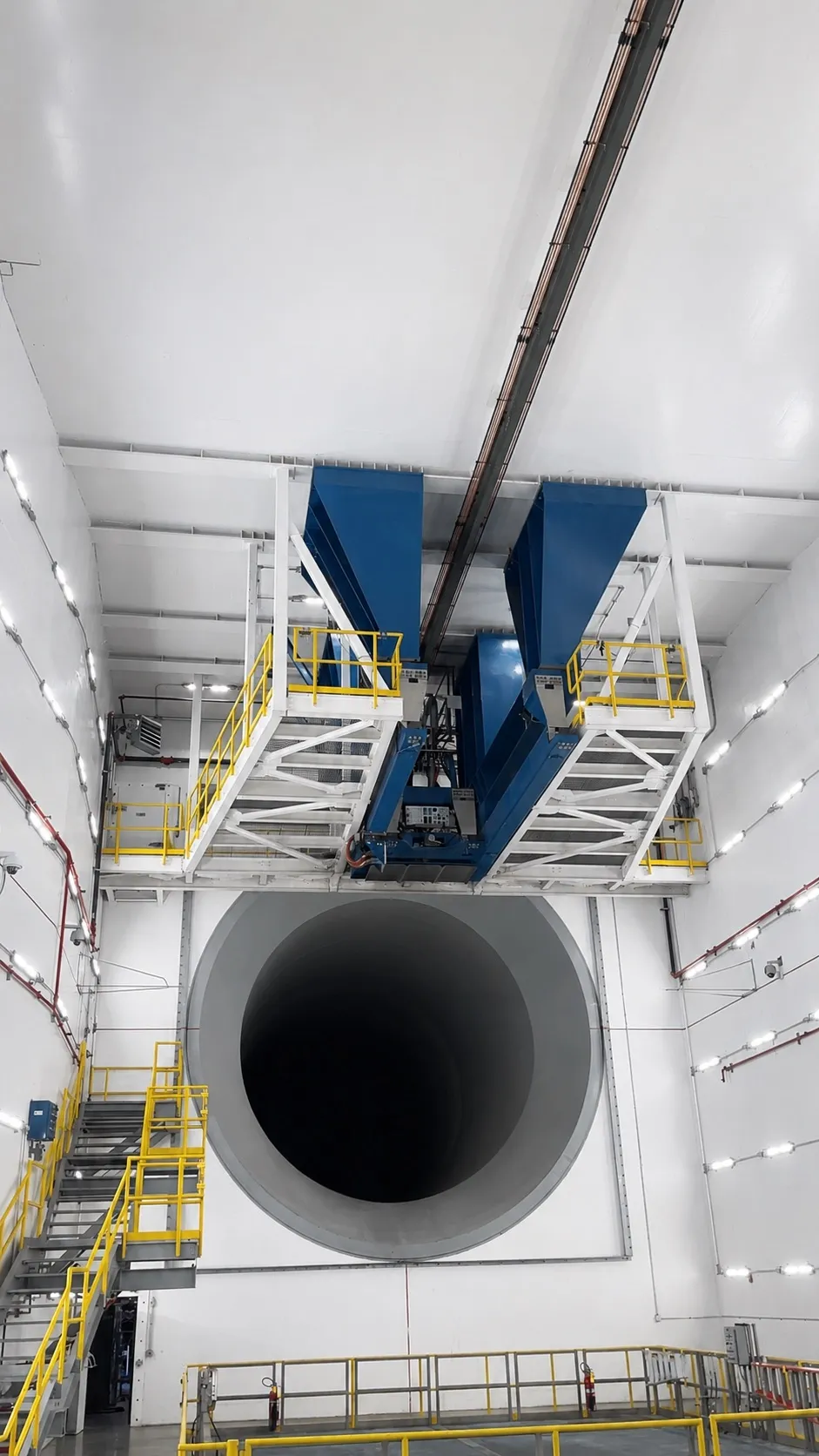
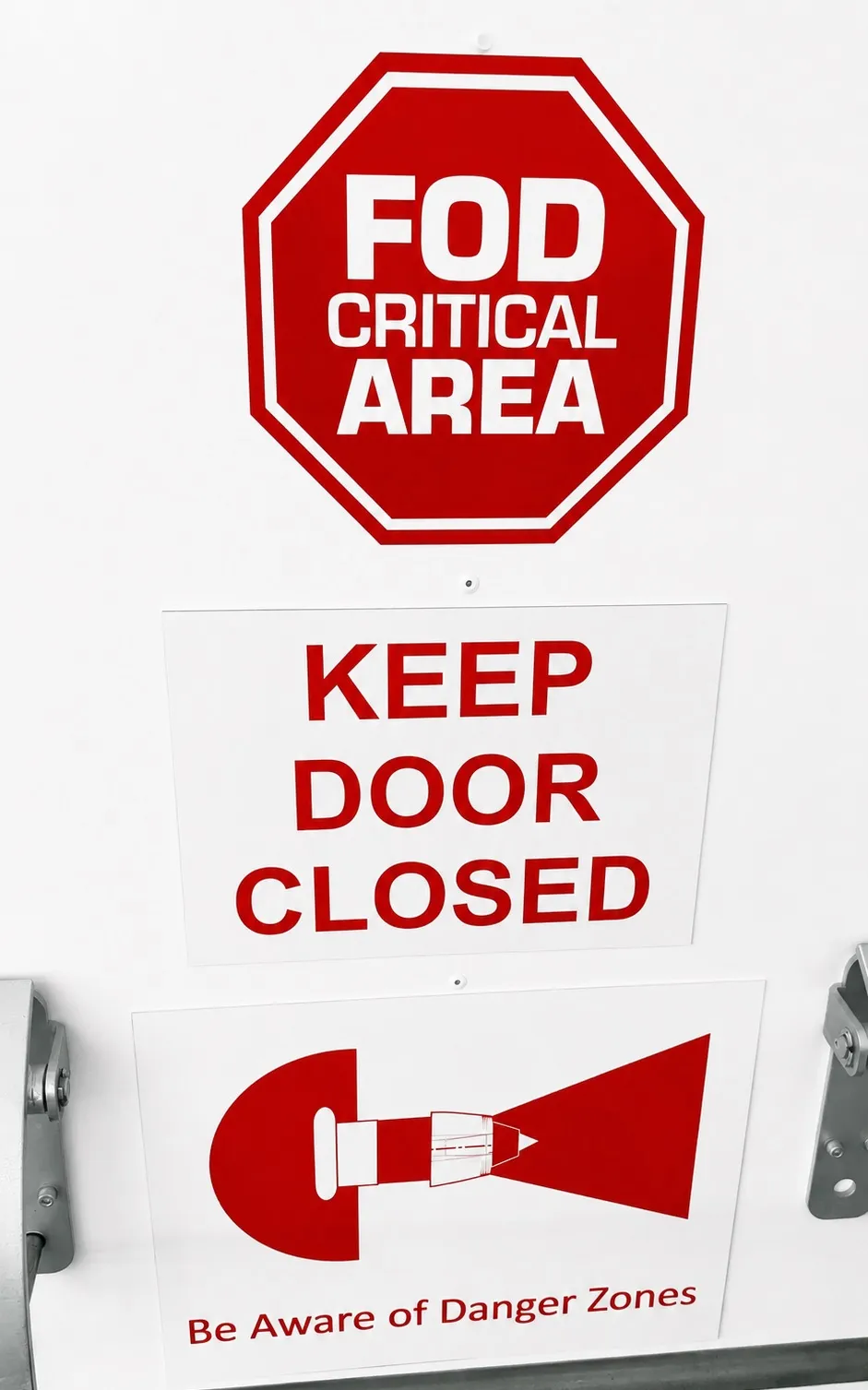
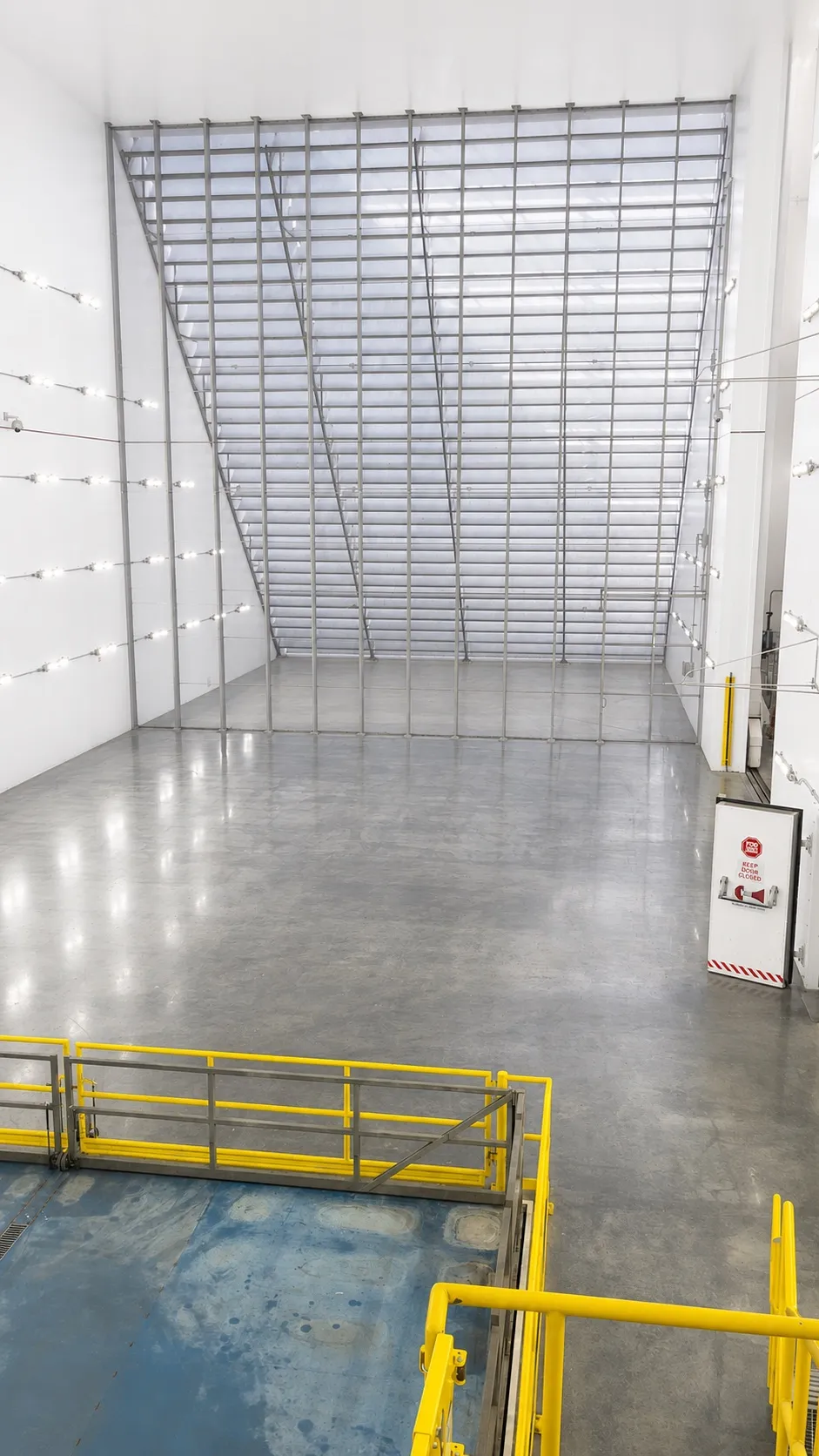
The test cell is built to withstand tremendous forces. The cell’s walls are two feet thick. The ceiling is four feet thick. An eight-inch gap separates the test cell from the adjacent prep building to eliminate vibrations. The two main doors are made from concrete and rebar and weigh in at 385,000 pounds apiece. Once the doors are shut, a seal inflates to make the space airtight.
“If you're standing outside and the engine is running at takeoff power,” Folsom said, “you won't even know the engine's running unless you feel the door vibrating.”
Inside the cell, the engine, still on the adapter, is locked into place. Pre-test leak checks are accomplished along with other system checks, engine test cowlings are closed, and the engine is ready to start testing. Fuel for the engines is stored in two adjacent 25,000-gallon tanks and piped into the cell.
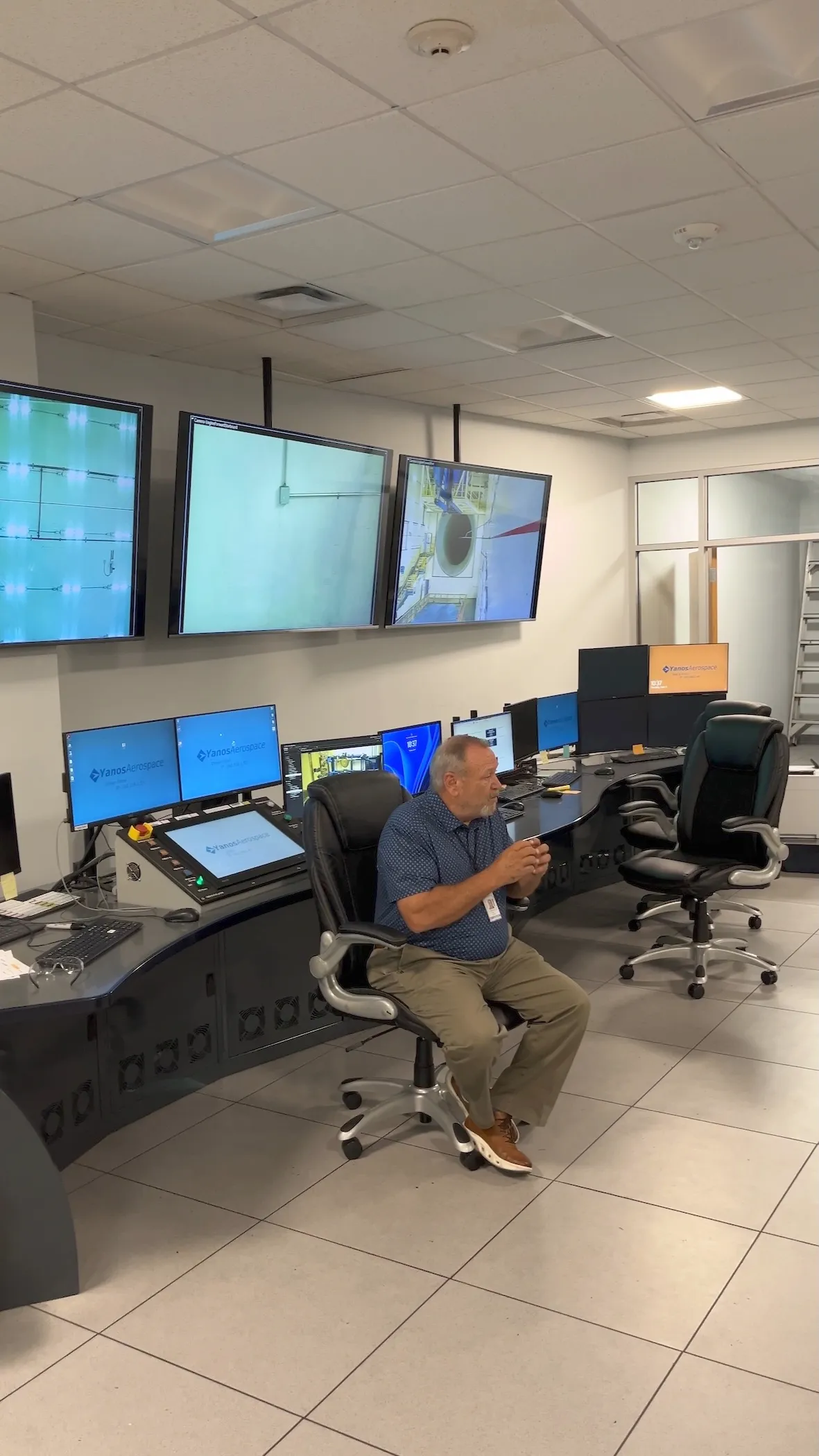
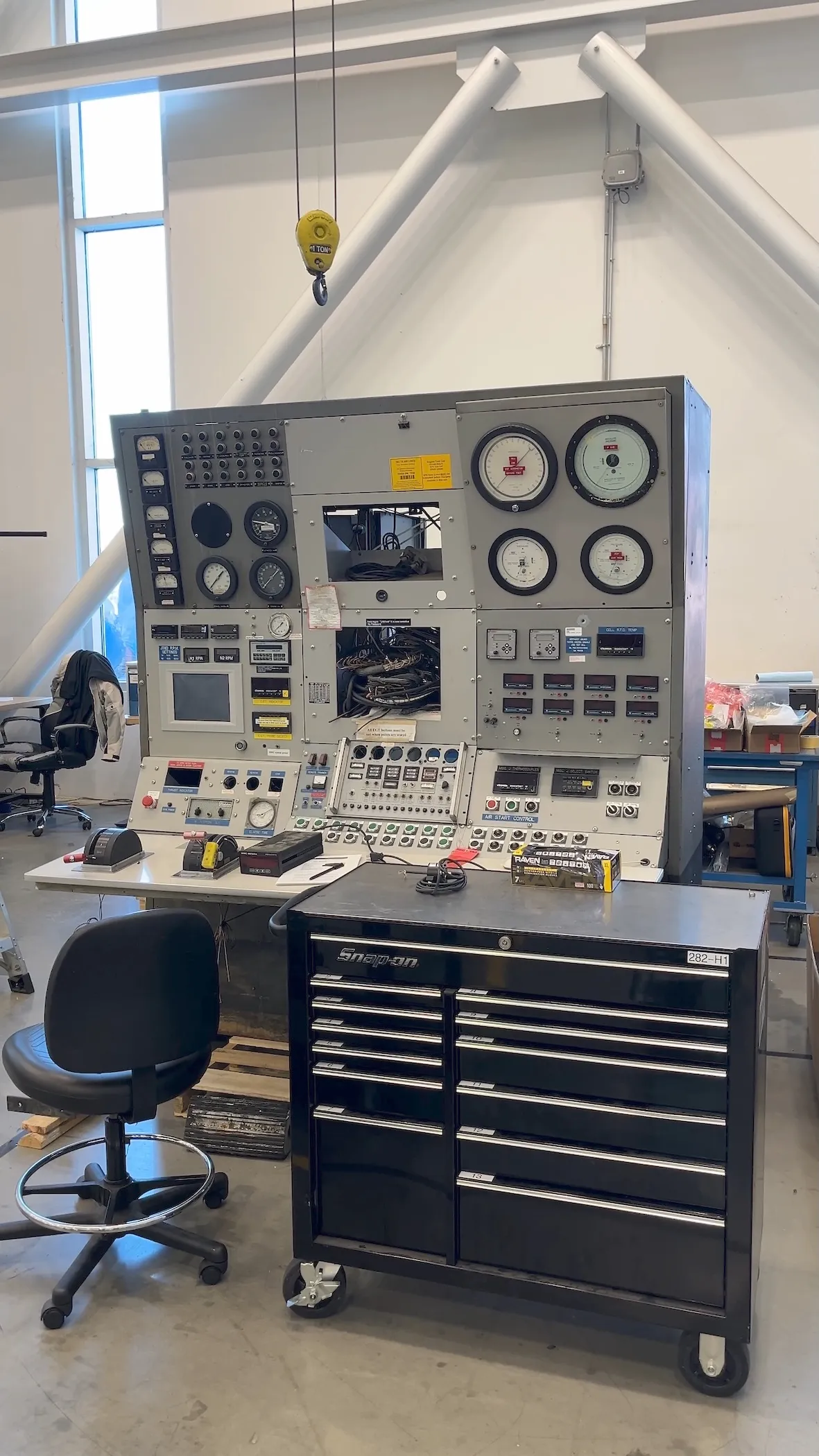
The test is run by technicians who monitor the event in a control room. “We do everything from vibration surveys to power runs and performance runs,” Folsom said. “At all different power settings. Our test depends on the scope of work completed per the engine manual for the engine type under test.
After the test is done, every engine is borescoped to ensure nothing was ingested and that no problems were missed. Some of these tests can last up to eight hours, occasionally running as long as 12 hours depending on the scope of the work.
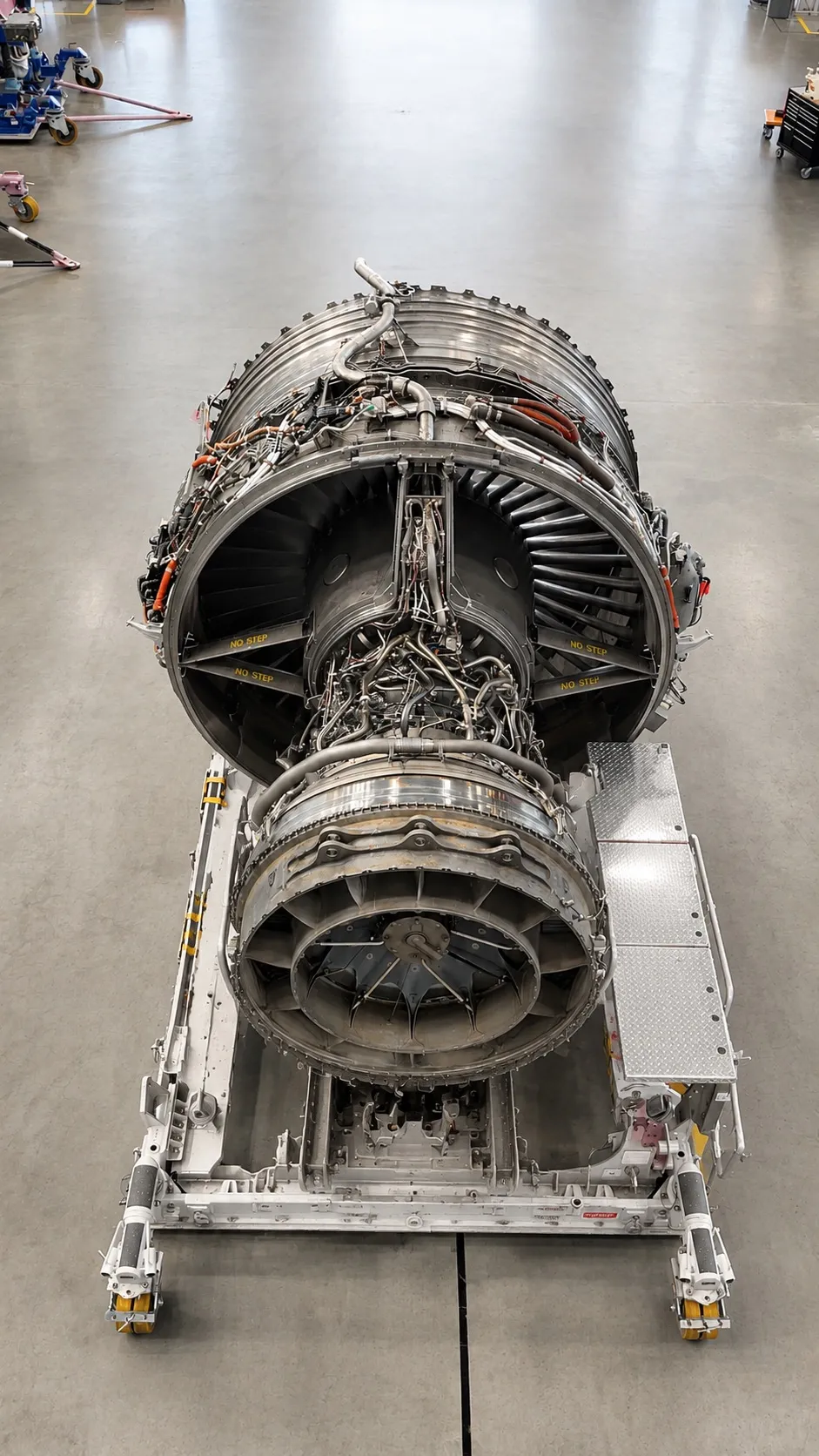
When it’s all done and over, engines are trucked over to Delta Cargo Operations and flown back to their owner. “We’ve shipped them out on all kinds of aircraft,” Folsom said. “Everything from the 747-400 to the Antonov.” Photo: John Huston/Airways
Featured image: Delta TechOps



.avif)