

BOURNEMOUTH — European Cargo (SE) has entered administration, marking a sudden reversal for the Bournemouth-based Airbus A340-600 freighter operator that had built a niche business around long-haul e-commerce cargo flights.
Stuart Morris, Robert Fishman, and David Soden of Teneo Financial Advisory Limited were appointed Joint Administrators of European Cargo Limited on June 3, 2026, according to a notice now published on the company’s website. The notice says the company’s affairs, business, and property are being managed by the Joint Administrators.
Operations halted in May
Flight-tracking data indicates European Cargo’s operations stopped before the formal administration filing. According to the story material, FlightAware shows no departures after May 19, 2026. FlightAware identifies the carrier under European Cargo’s SE/URO flight designator and lists the operator as based in the United Kingdom.
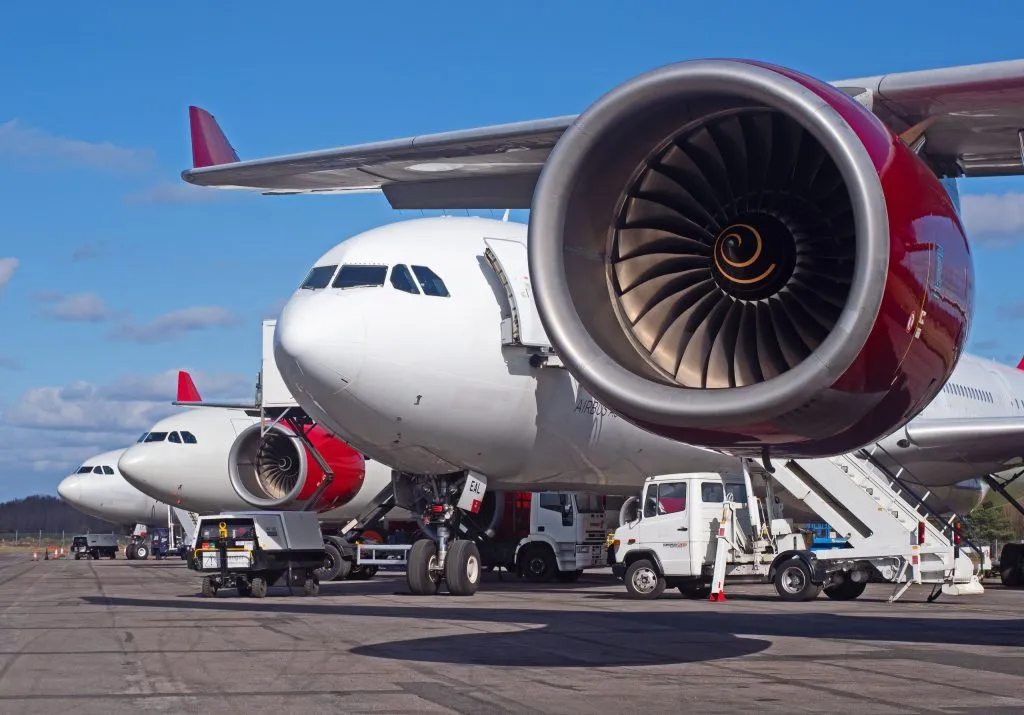
The stand-down leaves the future of European Cargo’s A340-600 fleet uncertain. Public fleet data cited in the story material shows seven Airbus A340-600s connected to the carrier: G-ECLB, G-ECLC, G-ECLD, G-ECLE, G-ECLJ, G-ECLM, and G-ECLN. All are listed as parked at Bournemouth (BOH), except G-ECLN, which is stored at Teesside (MME).
A rare A340 freighter model
European Cargo became known for operating former Virgin Atlantic Airbus A340-600 aircraft adapted for cargo missions. The airline’s own website describes the A340-600 as the largest-capacity member of the A340 family and says its fleet was based at Bournemouth International Airport.
The aircraft were repurposed during the pandemic for cargo missions carrying personal protective equipment and test kits, before European Cargo developed a more permanent widebody freighter operation. The carrier marketed itself around a distinctive A340-based cargo model, including long-haul e-commerce flows between China and the United Kingdom.
The model was unusual because the A340-600 is a four-engine passenger aircraft type that largely disappeared from front-line passenger service as airlines moved toward more efficient twin-engine widebodies. European Cargo’s use of the type gave it capacity and range, but also exposed the business to higher fuel burn and maintenance complexity than newer freighters.
Teesside expansion came months earlier
The administration filing comes only months after European Cargo had been expanding its UK footprint. In March, the carrier announced a new operating base at Teesside International Airport (MME), with plans for five weekly long-haul cargo flights focused on China-linked traffic.
That makes the timing especially sharp. European Cargo had been positioning itself as a specialist long-haul cargo operator serving regional UK gateways, but the business appears to have stopped flying less than three months after the Teesside growth announcement.
Why it matters
European Cargo’s administration removes one of the industry’s most distinctive widebody cargo operators from active service, at least for now. The carrier was not a large global freighter airline, but its A340-600 operation filled a specific niche: long-haul cargo capacity from UK regional airports, particularly for China-linked e-commerce flows.
The case also shows the fragility of specialist cargo models built around older aircraft. The A340-600 offered range and volume, but in a market shaped by fuel costs, belly-cargo recovery, changing e-commerce demand, and more efficient freighter capacity, the economics were difficult to sustain.
For Bournemouth and Teesside, the immediate question is what happens to the parked aircraft and whether any part of the operation can be rescued, sold, or restructured. For the wider cargo market, European Cargo’s collapse is another sign that the post-pandemic freighter boom has given way to a much tougher operating environment.
Featured image: C Kelly/CC BY-SA 4.0



.avif)