FAA Proposes $304K Fine for Southwest, Alleges Drug/Alcohol Testing Lapses



.webp)
.webp)
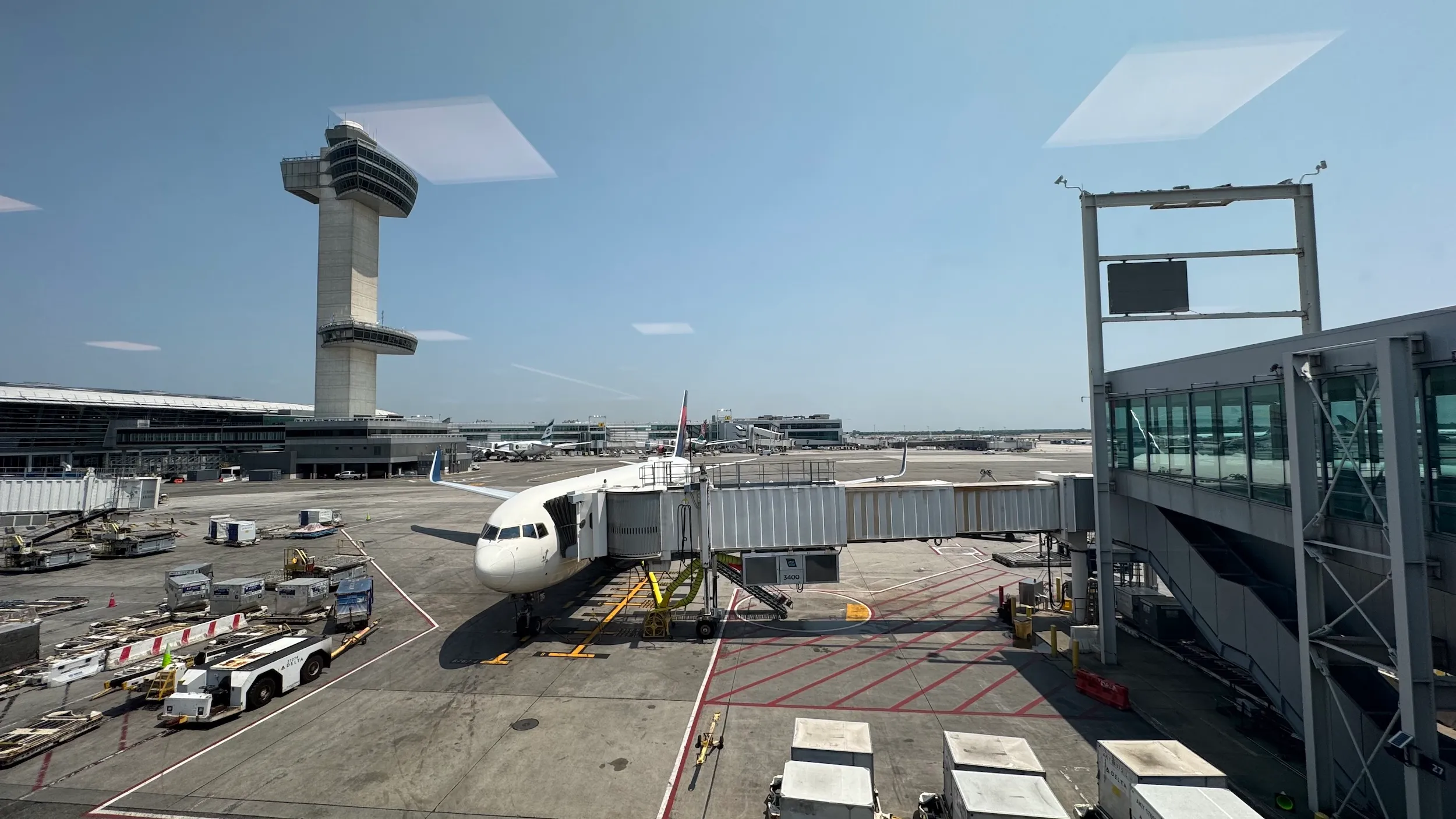

WASHINGTON, D.C. — The Federal Aviation Administration (FAA) a US$304,272 civil penalty against Southwest Airlines (WN), alleging the airline failed to conduct required follow-up drug and alcohol testing for 11 employees in safety-sensitive positions.
The FAA states that the 11 employees, including pilots, flight attendants, and aircraft mechanics, had previously tested positive for alcohol or drugs such as marijuana, cocaine, and amphetamines. The agency alleges that between August 2021 and July 2024, these employees performed safety-sensitive duties without completing all required follow-up testing.
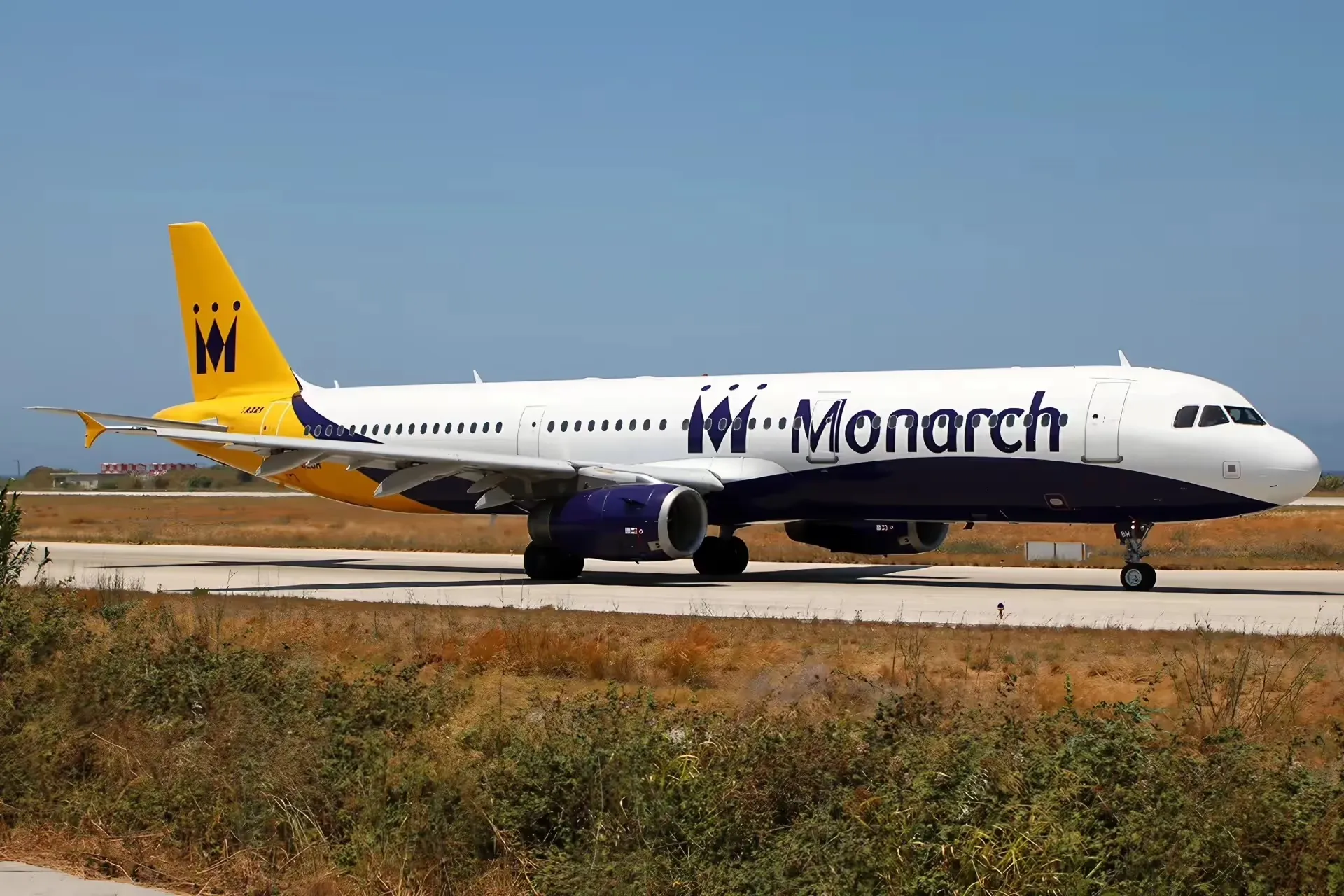
Two weeks ago, the FAA proposed a US$65,000 civil penalty against Avelo Airlines (XP) for exactly the same reasons. In a March 10 enforcement notice, the FAA stated that XP allegedly failed to meet several program and recordkeeping requirements, including maintaining testing records and ensuring proper documentation within its DOT/FAA-mandated framework.
Southwest has 30 days from the date of receipt of the FAA’s enforcement letter to respond.
What airline drug & alcohol testing compliance typically includes
Drug and alcohol testing compliance is a key oversight area for the FAA and DOT, as it directly affects safety-sensitive roles such as pilots, mechanics, dispatchers, and other operational staff. As such, airlines must run a DOT-regulated testing program that includes the following components:
- Random testing: Employees are selected through a random process at required annual rates, with testing spread across the year so it’s unpredictable.
- Pre-employment testing: New hires in safety-sensitive roles generally must test negative before performing covered duties.
- Reasonable suspicion testing: Triggered when trained supervisors observe specific behavior or signs consistent with impairment.
- Post-accident testing: Required after certain accidents/incidents, based on DOT criteria (severity and role), with time windows for alcohol and drug tests.
- Return-to-duty & follow-up testing: For employees who violated policy and are cleared to return, including a schedule of follow-up tests set by a substance-abuse professional process.
- Recordkeeping & audits: Airlines must maintain detailed documentation—test results, chain-of-custody, training records, vendor/collector credentials, and annual reporting—often with multi-year retention requirements.
- Vendor oversight: If a third party administers testing, the airline is still responsible for ensuring the vendor follows DOT procedures and that records are complete and accessible.
Featured image: Otto Kirchof/Airways



.avif)