FAA Issues Three ADs for Airbus Structures, ATR Cargo Valve Tests


.webp)
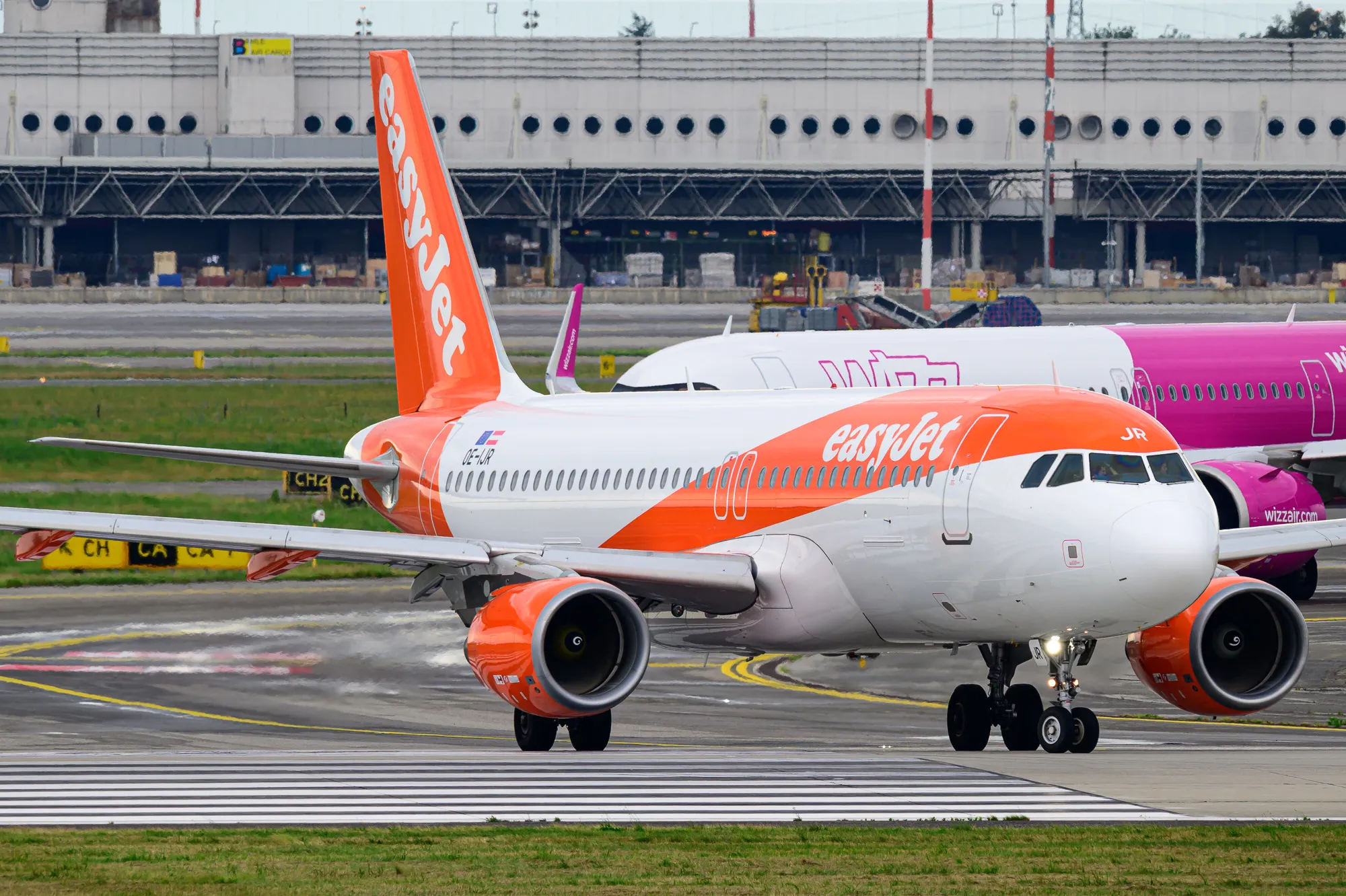



WASHINGTON — The Federal Aviation Administration (FAA) has issued three airworthiness directives covering Airbus narrowbody and widebody structures and an ATR 42-500 cargo-compartment system.
The three rules cover A320-family landing gear support structure, A350-1041 pylon fasteners and ATR 42-500 cargo ventilation. All three were published September 3 and become effective September 18. Although the FAA is accepting comments through October 19, the directives are final rules rather than proposals.
Only the A320-family rule has a nonzero U.S. fleet impact. The FAA says it affects 29 U.S.-registered aircraft. The agency reports no affected U.S.-registered airplanes under the Airbus A350-1000 or ATR 42-500 directives.
Airworthiness directives are legally enforceable FAA regulations. The agency issues them when it finds an unsafe condition in an aircraft, engine, propeller or appliance that is likely to exist or develop in other products of the same type design. Operating an affected product without meeting an applicable directive violates 14 CFR Part 39.
A320-Family Landing Gear Support Structure
AD 2026-18-03 addresses tool-mark damage in the bores of forward and aft lugs on main landing gear support rib 5. The FAA said an improper bushing-removal technique used by a supplier during assembly caused the production defect.
Support rib 5 is a safe-life principal structural element. The FAA said fatigue damage could lead to structural failure and collapse of the main landing gear.
The rule applies only to listed manufacturer serial numbers across specific A318-112, A319, A320 and A321 variants, including both current-engine-option and new-engine-option aircraft. The first detailed visual inspection is due by the later of two deadlines: the model-specific age threshold measured from the airplane's first flight, or 500 flight cycles or 1,000 flight hours after September 18. For either deadline, the cycle or flight-hour limit reached first controls. Operators must then repeat the inspection at intervals no longer than 500 flight cycles or 1,000 flight hours, whichever comes first.
The European Union Aviation Safety Agency (EASA) directive also calls for a one-time special detailed inspection of the lug bores at later life thresholds. The FAA did not mandate that action in this interim rule because its timing allowed for advance public comment. Operators may perform it as a terminating action for the repetitive inspections, and the FAA said it is considering another rule that would make it mandatory.
Any discrepancy found during a required inspection must be referred to Airbus before the next flight, followed by the approved corrective action. The FAA estimates each required inspection at US$255 per aircraft, or US$7,395 across the 29-aircraft U.S. fleet for each inspection cycle. The optional terminating inspection could cost up to US$59,625 per aircraft, including parts.
A350-1000 Pylon Fasteners
AD 2026-17-09 covers 53 manufacturer serial numbers of the Airbus A350-1041, which the EASA type-certificate data sheet identifies within the A350-1000 series.
Visual inspections found missing chamfers beneath the heads of critical fasteners on the primary structure of the left and right engine pylons. A chamfer removes a sharp edge around a hole or fastener seating area. In this case, the FAA said the defect may have resulted from a programming error or improper cutting-tool maintenance, potentially allowing improper fastener installation.
The FAA adopted the EASA requirement to inspect the affected fasteners before an airplane exceeds 20,000 flight cycles. If the gap beneath a fastener head is outside allowable limits, the operator must contact Airbus before the next flight and complete the approved repair no later than the same 20,000-cycle limit.
The FAA said an uncorrected defect could reduce fatigue life and affect the airplane's structural integrity. No affected aircraft are currently on the U.S. register. The agency estimates an inspection would cost US$680 per airplane if one is imported later; it did not estimate the cost of any repairs.
ATR 42-500 Cargo Ventilation Tests
AD 2026-18-01 applies to certain ATR 42-500 aircraft with a specified production modification or service bulletin incorporated. It introduces a maintenance limitation for repetitive operational tests of cargo-compartment ventilation electrical shut-off valves.
The valves are intended to close when smoke is annunciated in a Class E cargo compartment. The FAA said an inability to close them could allow a suppressed fire to reignite and spread, potentially resulting in an uncontrolled cargo-compartment fire.
Operators must add the new task and its thresholds and intervals to their maintenance or inspection programs within 90 days after September 18. The task comes from Temporary Revision 18.9 of the ATR42-400/-500 Time Limits Document, incorporated through EASA AD 2025-0135.
The FAA reports no affected U.S.-registered ATR 42-500s. It estimates that revising a future affected operator's maintenance program would take 90 work-hours and cost US$7,650.
The three rules illustrate how an FAA directive can range from a near-term repetitive inspection affecting an existing U.S.-registered fleet to a maintenance-program requirement with no currently affected aircraft on that register. Applicability turns on the exact aircraft model, manufacturer serial number, installed part or modification status—not the family name alone.
Operators can search current and historical directives through the FAA's Dynamic Regulatory System.
Featured image: Simone Chellini/Airways



.webp)