FIA2026 Day 2 Morning Recap: Boeing, Airbus Orders Build Morning Momentum


.webp)
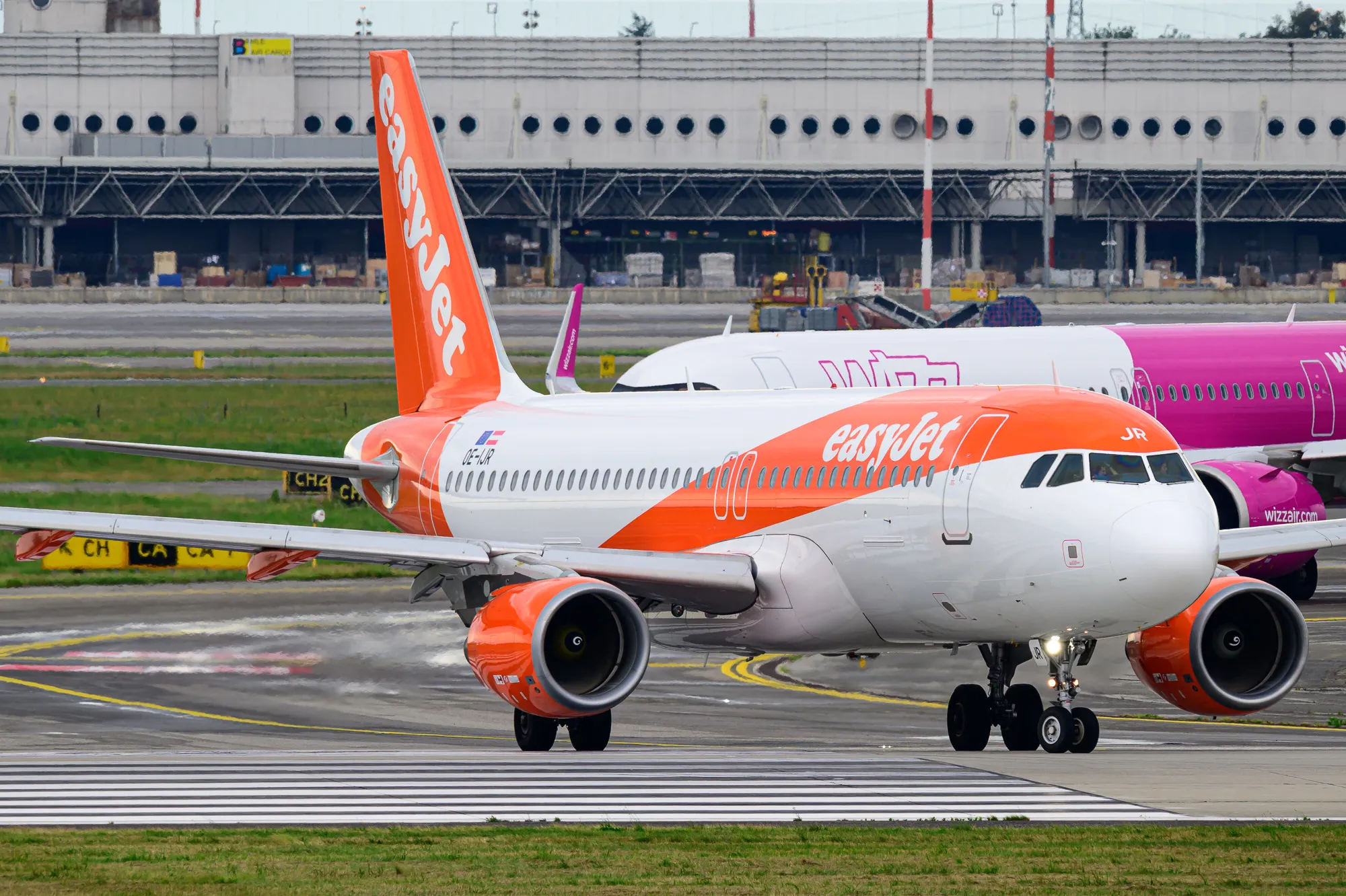
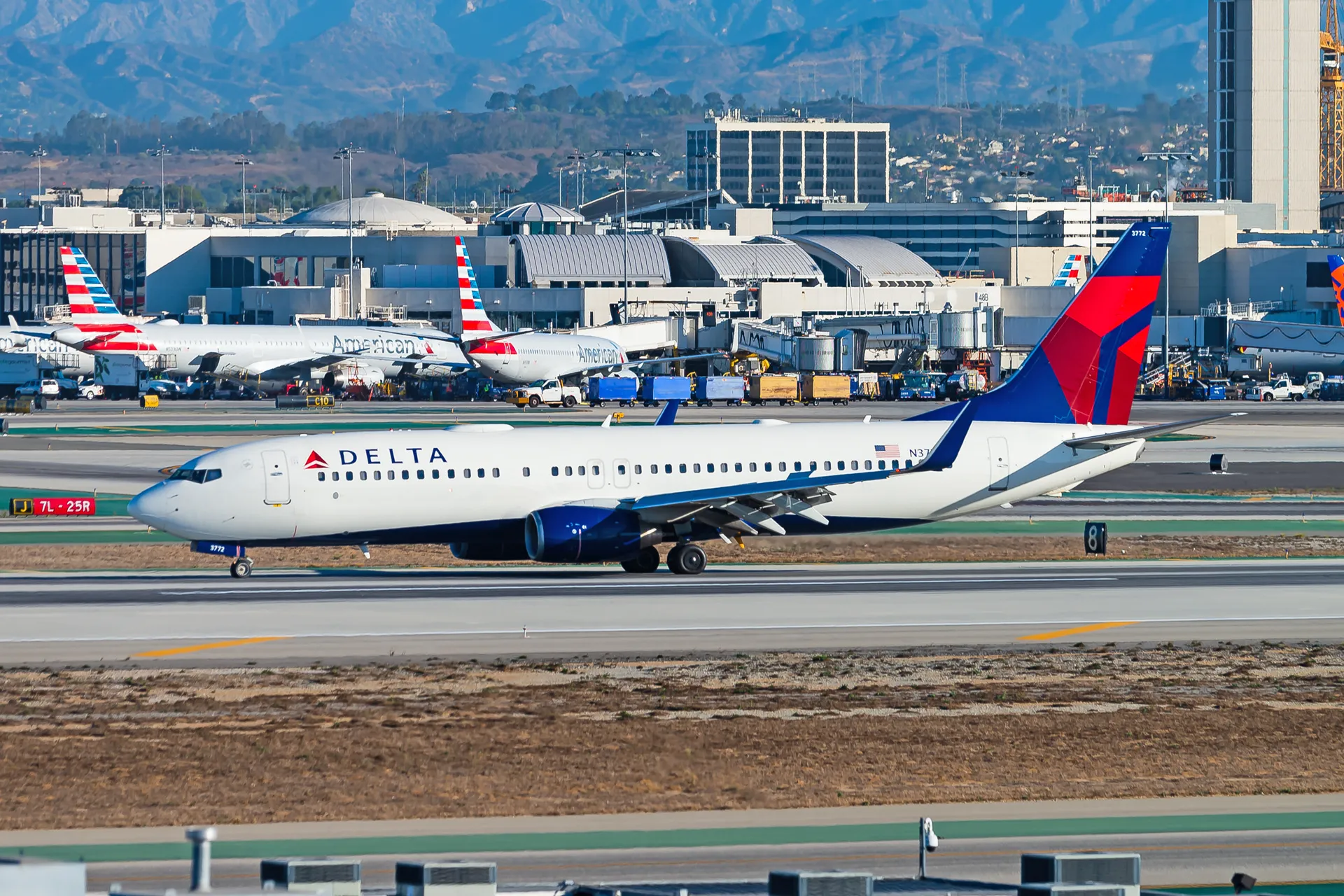

FARNBOROUGH — Day 2 of the 2026 Farnborough International Airshow opened with a fresh wave of commercial aircraft transactions, as Boeing and Airbus announced deals spanning widebodies, narrowbodies, freighters, lessors, and emerging-market carriers.
The morning activity covered at least 43 aircraft orders, commitments or memoranda of understanding, plus one Boeing 767-300ER passenger-to-freighter conversion for Kazakhstan’s SCAT Airlines. The announcements ranged from AerCap’s latest 787 order to Philippine Airlines’ additional A350-1000 commitment and Uganda Airlines’ first Boeing order.
The transactions reinforced one of the main themes of this year’s show: airlines and lessors are not only buying aircraft for near-term growth, but securing scarce fleet positions for the next decade.
Boeing: Widebodies, Freighters and First-Time Customers
Boeing’s largest lessor announcement of the morning came from AerCap, which ordered 15 Boeing 787-9 Dreamliners. Boeing said the agreement includes substitution rights for the larger 787-10, giving AerCap flexibility to adjust capacity for airline customers. The order increases AerCap’s Dreamliner portfolio to approximately 140 aircraft, strengthening its position as the world’s largest 787 owner. (Boeing)
Uganda Airlines placed its first Boeing order, selecting four 737-8s and four 787-9s. Boeing said the aircraft will support the carrier’s regional, continental, and long-haul growth from Entebbe. The 737-8 is positioned for intra-African, Middle Eastern, and India routes, while the 787-9 is aimed at longer-haul services to the Middle East, Asia, and Europe. (Boeing)
Boeing also announced a freighter win with MSC Air Cargo, which purchased five 777-8 Freighters. The order had previously been listed as unidentified and marks MSC Air Cargo’s first order for the 777-8F. Boeing said MSC becomes the third Europe-based air cargo operator to order the aircraft, and that the 777-8F program now has more than 80 orders. (Boeing)
Luxair added to Boeing’s narrowbody tally by converting two 737-10 options into firm orders and securing options for two additional 737-10s. Once current firm orders are delivered, Luxair’s Boeing 737 fleet will include eight 737-8s and four 737-10s. The airline plans to configure the 737-10 with 213 seats for higher-density leisure and business routes. (Boeing)
Boeing’s cargo theme extended beyond new-build freighters. The manufacturer also announced an agreement to convert a 767-300ER into a Boeing Converted Freighter for SCAT Airlines, enabling the Kazakh carrier to launch general and express cargo operations. Boeing said the aircraft will be the first 767-300BCF operated by a carrier in Kazakhstan. (Boeing)
Airbus: PAL Doubles Down on A350-1000, Shohin Enters A320neo Family
Airbus’ biggest morning announcement came from Philippine Airlines (PR), which signed a memorandum of understanding for nine additional Airbus A350-1000s. Once finalized, the agreement will double PAL’s total A350-1000 orders to 18 aircraft, two of which have already been delivered this year. Airbus said the A350-1000 will serve as PAL’s flagship and support long-haul growth from Manila, including nonstop services linking the Philippines with cities on the East Coast of the United States and Canada. (Airbus)
The Airbus announcement comes one day after Boeing and Philippine Airlines announced a separate commitment for up to 20 787-10 Dreamliners, making PAL one of the most closely watched widebody buyers at this year’s show. Airways covered PAL’s Boeing 787 commitment on Day 1.
Airbus also disclosed an order from Shohin Airlines, a new private airline established in Dushanbe, Tajikistan, for four A320neo-family aircraft. The order includes two A320neos and two A321neos and was previously listed in Airbus’ end-of-June order book as undisclosed. Airbus said Shohin’s A320neos will seat 176 passengers, while its A321neos will seat 196 passengers in a dual-class layout. (Airbus)
Lessors vs. Airlines
The morning split showed two different buying patterns.
AerCap’s 787 order reflects lessor demand for scarce widebody capacity at a time when airlines continue to face long delivery queues. Lessors remain critical to fleet planning because they can provide airlines with aircraft access when direct manufacturer slots are unavailable or too far out.
Airline orders told a different story. Uganda Airlines is using the show to launch its first Boeing purchase and define a mixed narrowbody-widebody growth plan. Luxair is adding narrowbody capacity for network growth and efficiency. PAL is moving deeper into ultra-long-haul widebody renewal. Shohin Airlines is using Airbus narrowbodies as the foundation of a new Tajik carrier.
Passenger vs. Cargo
Passenger growth was the dominant theme, but cargo remained visible.
MSC Air Cargo’s 777-8F order and SCAT’s 767-300BCF conversion both point to continued demand for dedicated freighter capacity, especially in markets tied to e-commerce, express cargo, and long-haul logistics flows. Boeing said SCAT’s conversion supports Kazakhstan’s ambition to grow as a Eurasian aviation hub, while MSC’s 777-8F order expands the all-Boeing freighter operator’s long-term cargo platform. (Boeing 1, 2)
Bottom Line
Day 2’s morning order flow showed Farnborough operating as a disclosure platform for several different fleet strategies, not headline-grabbing aircraft order announcements.
Boeing gained momentum across the 787, 777-8F, 737 MAX, and converted-freighter segments. Airbus secured additional A350-1000 momentum with PAL while adding a new A320neo-family customer in Central Asia. Lessors, flag carriers, cargo operators, and startups all used the same morning to lock in aircraft suited to very different business models.
The numbers matter, but the mix matters more. Farnborough Day 2 order cycle is not driven by one market segment. We see widebody replacement, narrowbody growth, cargo modernization, lessor positioning, and the need to secure delivery slots in a production system that remains tight well into the 2030s.
Featured image: Simone Chellini/Airways



.webp)