Inside American's New 777: More Premium Seats, No Flagship First


NEW YORK — A new cabin has a smell of its own, and American Airlines' (AA) first retrofitted Boeing 777-300ER still had it when I stepped aboard at Dallas Fort Worth International Airport (DFW) on September 2.
American invited Airways to a media-exclusive event at its DFW charter facility, then provided a media-only, non-revenue flight to John F. Kennedy International Airport (JFK) for a first look at the Flagship Suite interior. The airline also provided the meal and onboard access. The lightly occupied flight carried invited guests rather than paying passengers, so this was a product demonstration, not a normal test of revenue service.
Tracking data identifies the charter as AA9705 aboard N718AN. The aircraft took off from DFW at 10:21 CDT and landed at JFK at 14:38 EDT after 3 hrs 17 mins in the air.
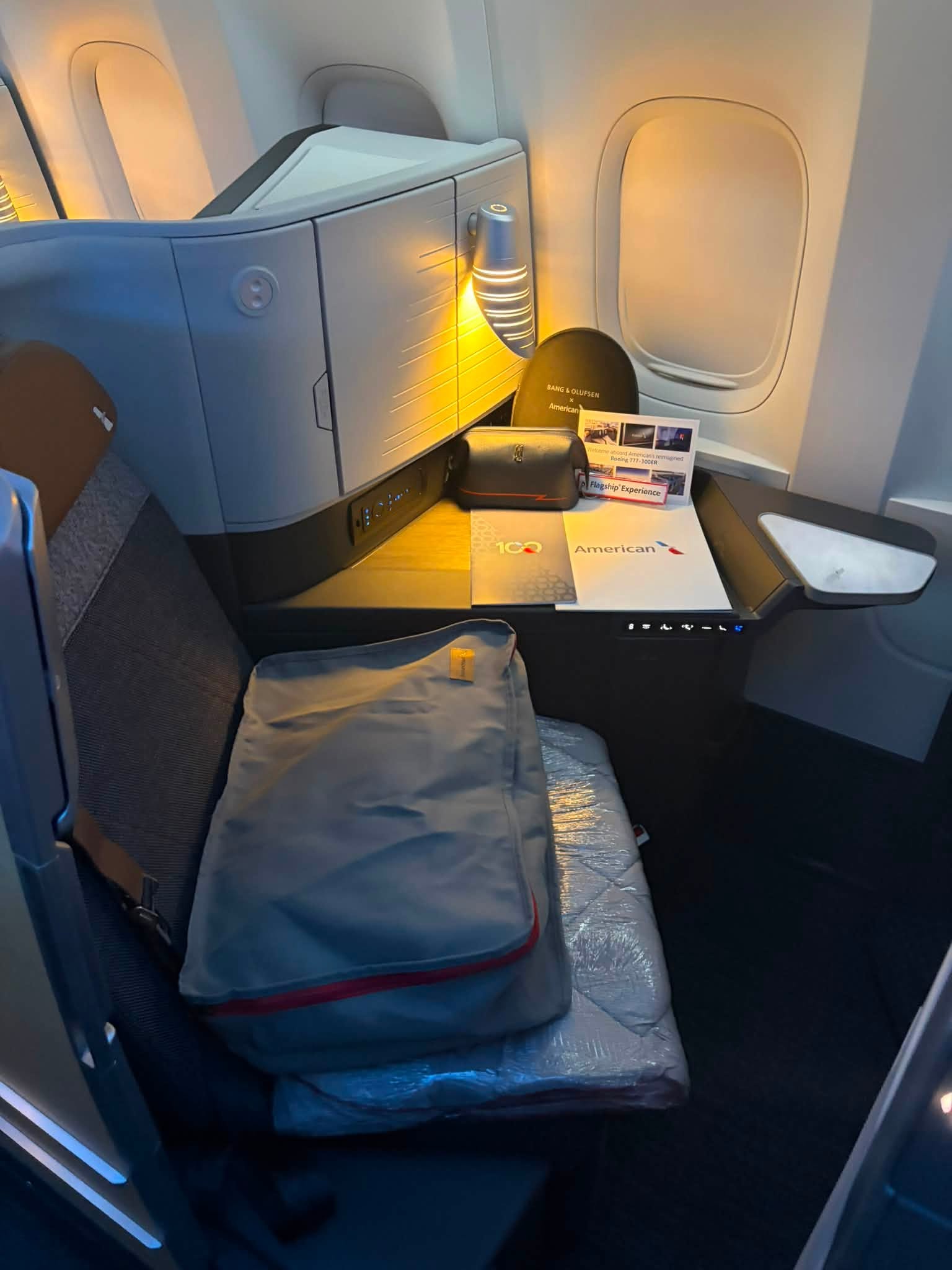
Inside the 70-Seat Flagship Suite Cabin
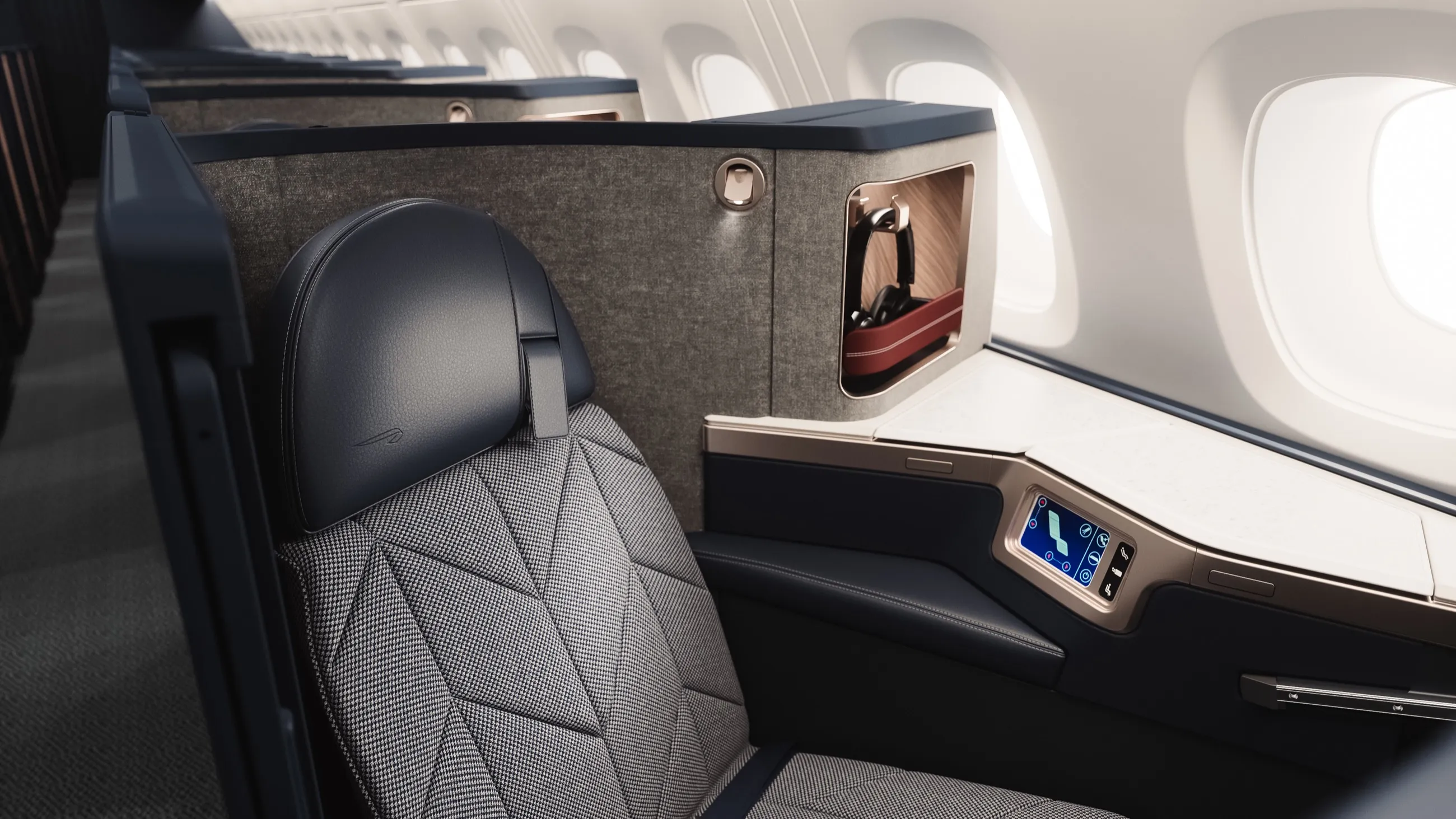
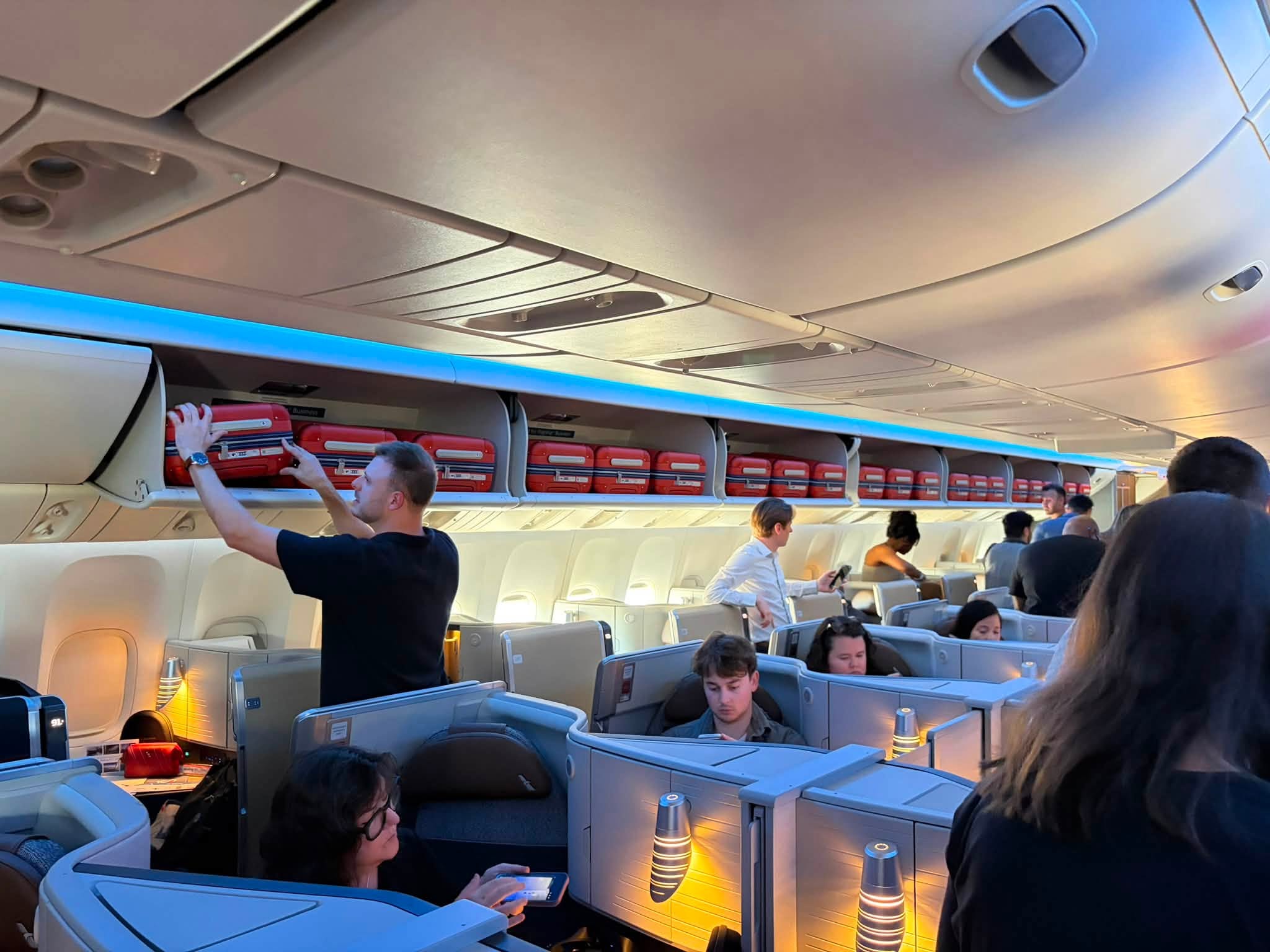
I sat in 17A, one of the aircraft's 70 Flagship Suite seats. Seeing that many lie-flat seats together was striking. Each suite has direct aisle access and a privacy door, while American also highlights extra storage and a chaise-lounge position.
The door gives the seat a stronger sense of separation from the aisle, but the scale of the cabin is the bigger story. American has increased the type's business-class count from 52 seats to 70. Premium Economy grows from 28 seats to 44, while Main Cabin Extra moves from 28 to 30.
American counts those three sections as 144 premium-category seats and says that is more than on any other aircraft operated by a U.S. carrier. That superlative is the airline's comparison, but the change on American's own aircraft is measurable: the same three categories total 108 seats in the outgoing layout, so the retrofit adds 36 across Flagship Business, Premium Economy and Main Cabin Extra.
The comparison changes when the separate Flagship First cabin is included. American's published 304-seat legacy layout has eight Flagship First seats, bringing the old premium total on the airline's new counting basis to 116. The new mix has 28 more premium-category seats, but no separate First cabin. Total capacity rises to 330; Reuters reported that standard-economy seating falls from 188 to 186.
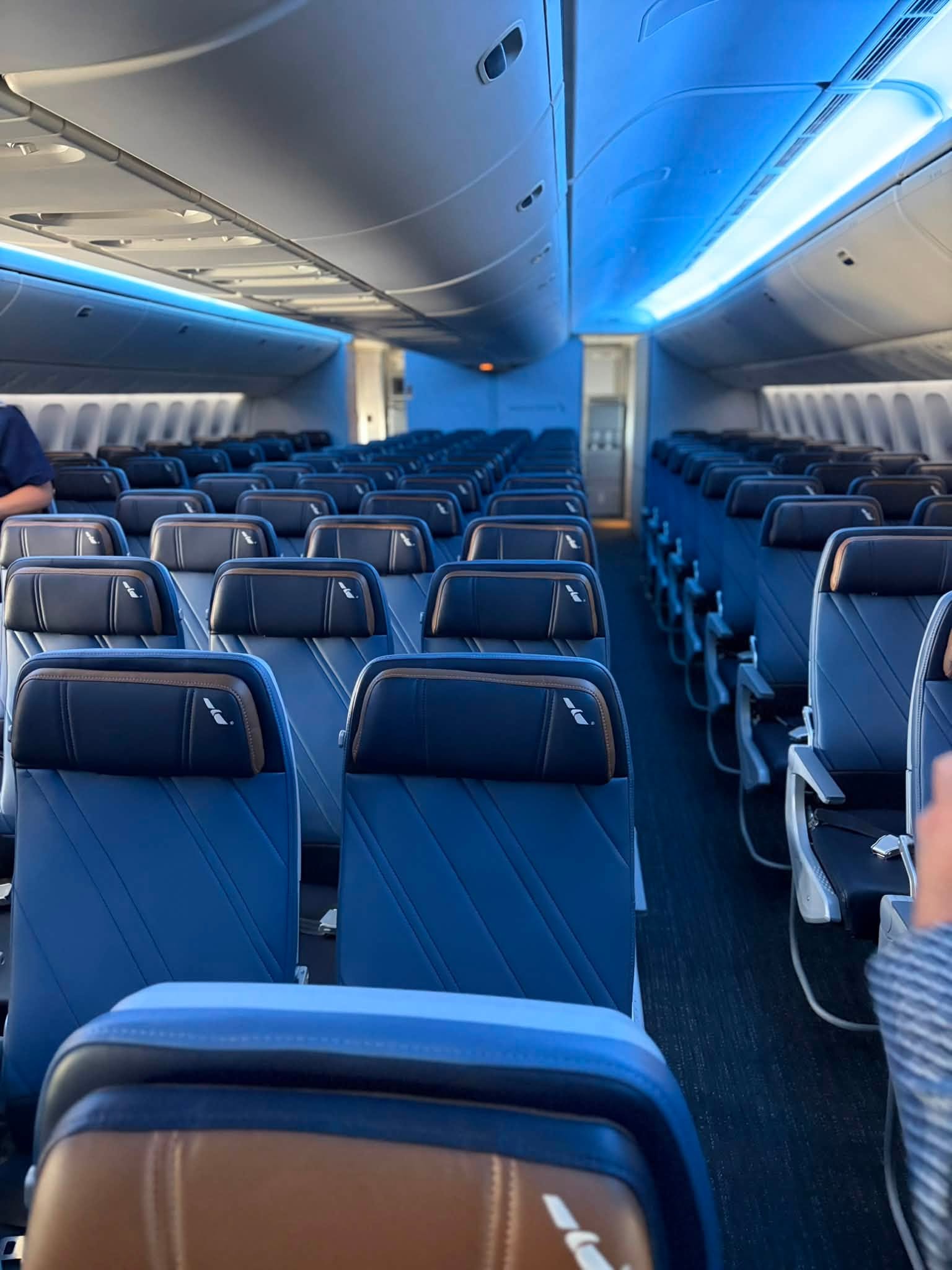
American says Flagship First will no longer be sold on its 777-300ER for travel beginning November 19. The retrofit therefore puts a larger business-class product at the top of the aircraft instead of retaining a small international First cabin.
Service on the Media Charter
American served lunch and beverages during the flight.
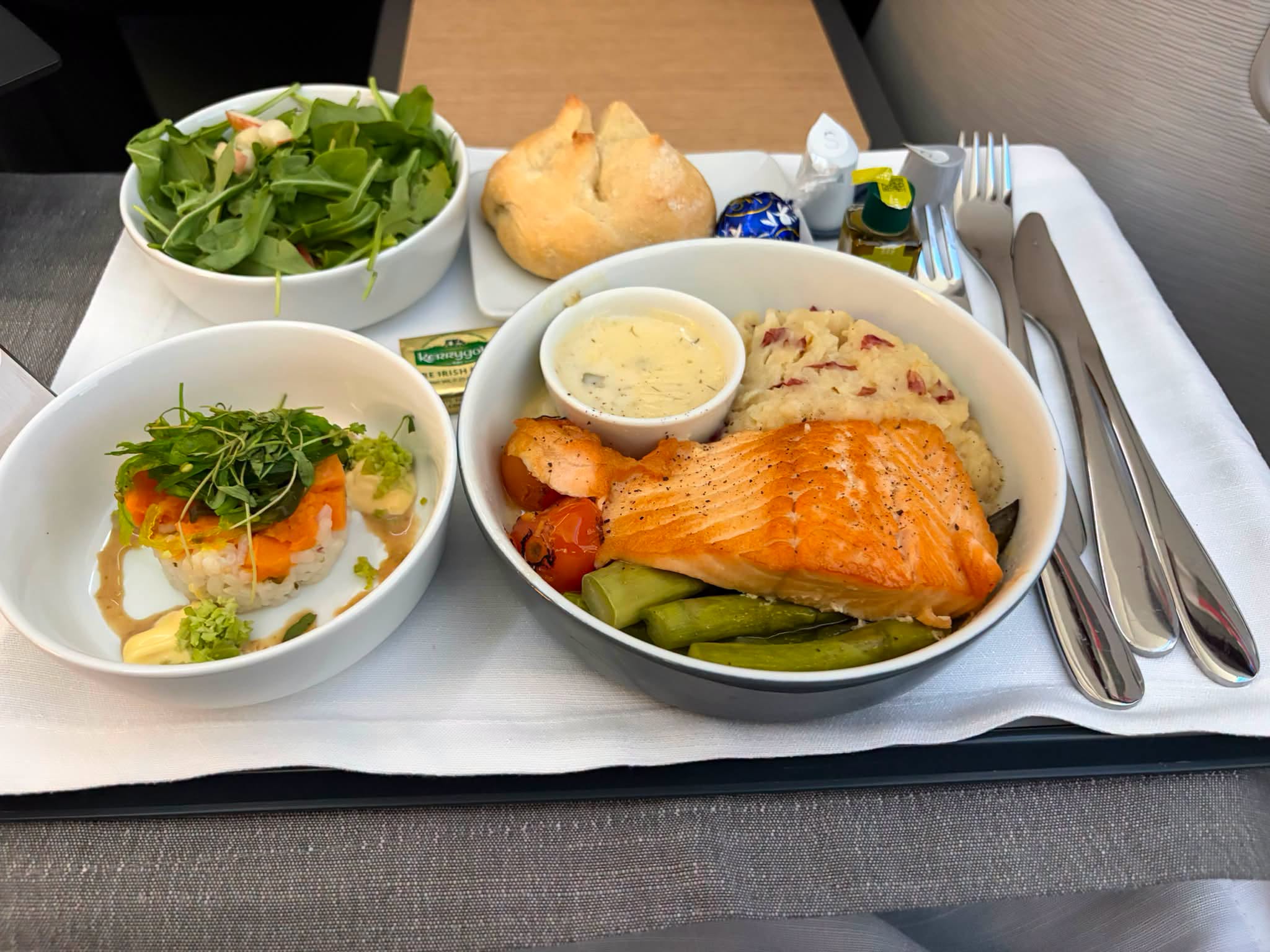
I found the crew friendly throughout the trip. The aircraft was nearly empty in the back, however, and the service took place under media-event conditions. The charter showed how American presented the Flagship product at this event, but it cannot establish how the same service will run on a full overnight flight.
From a Charter Arrival to Commercial Service
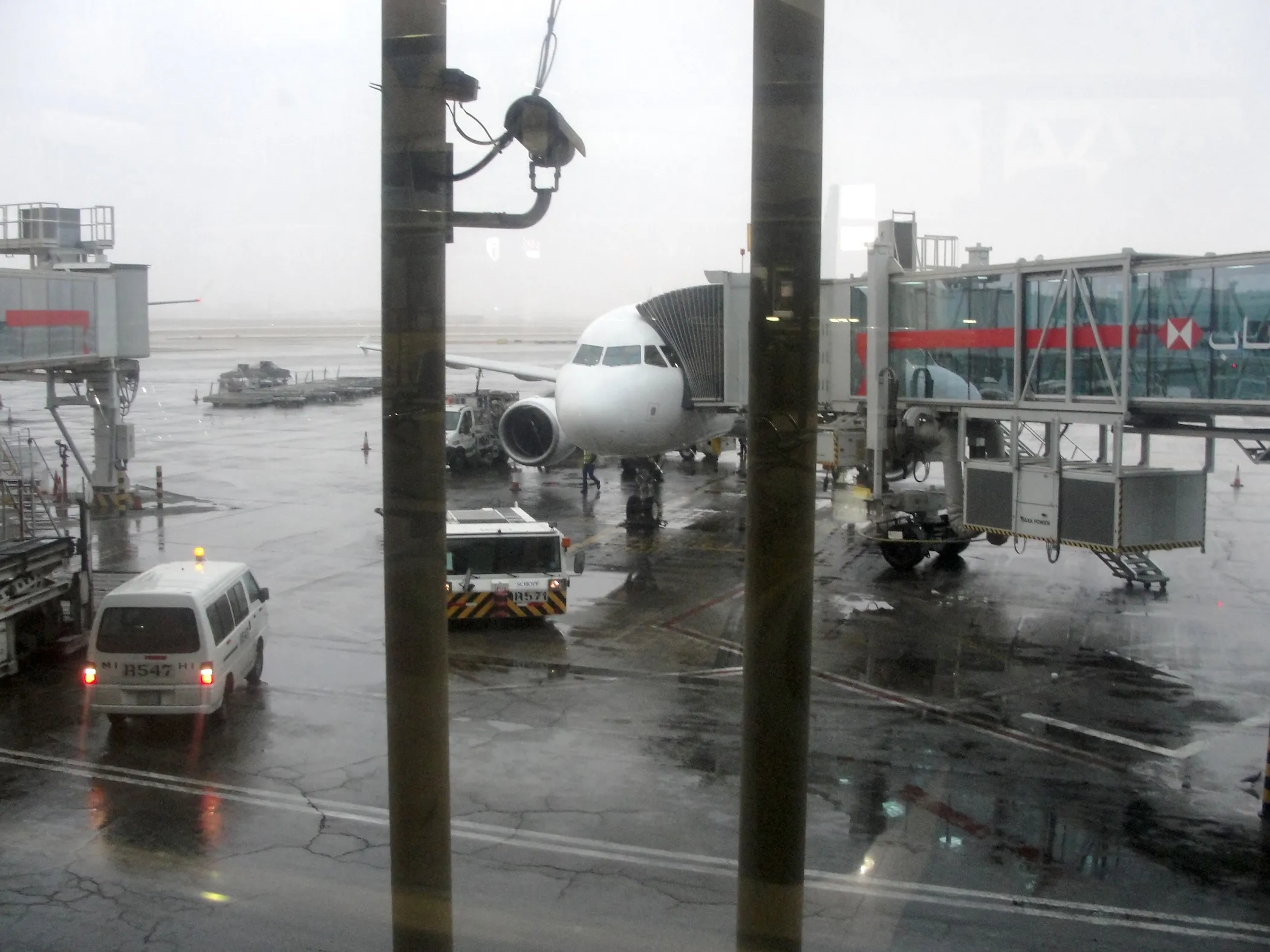
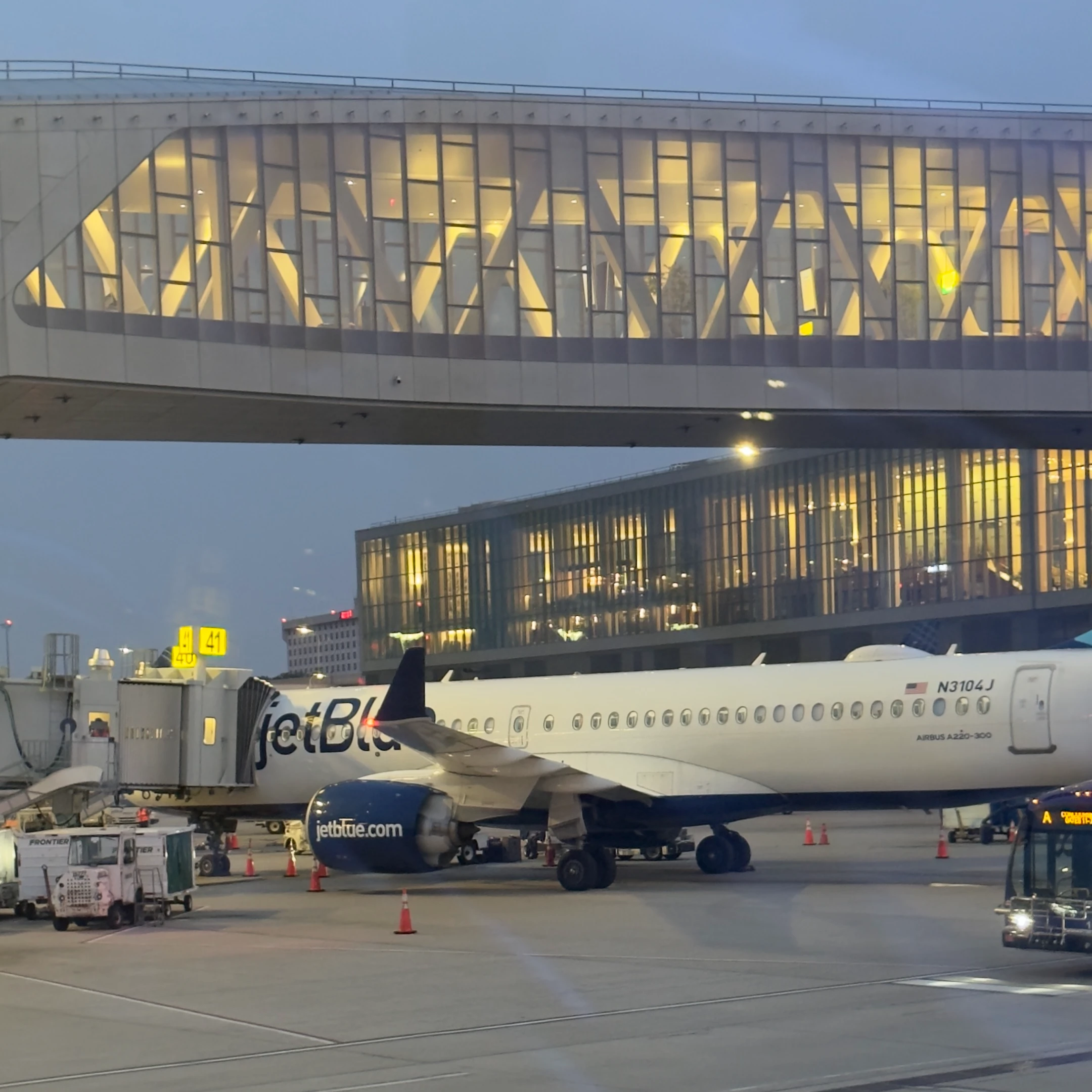
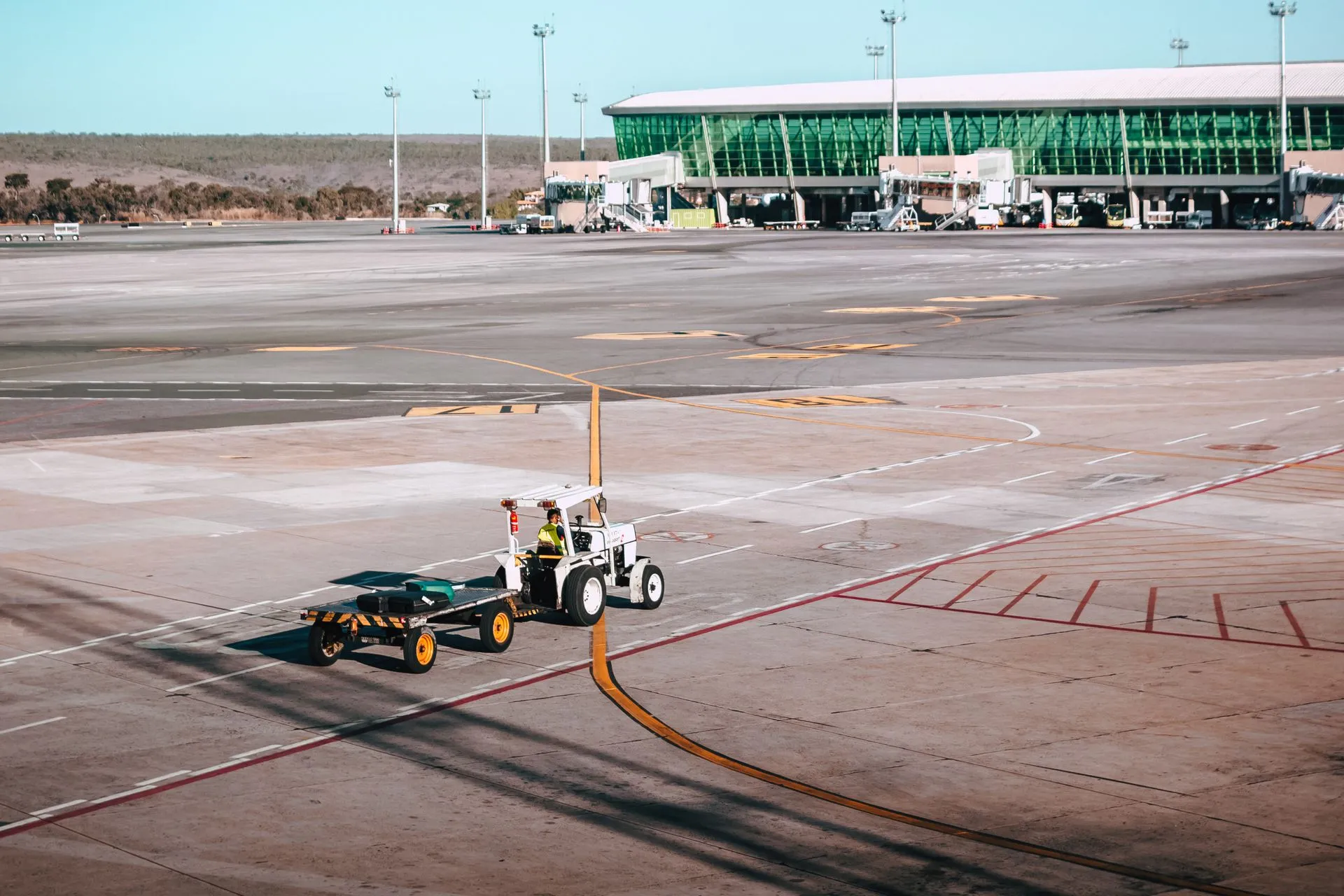
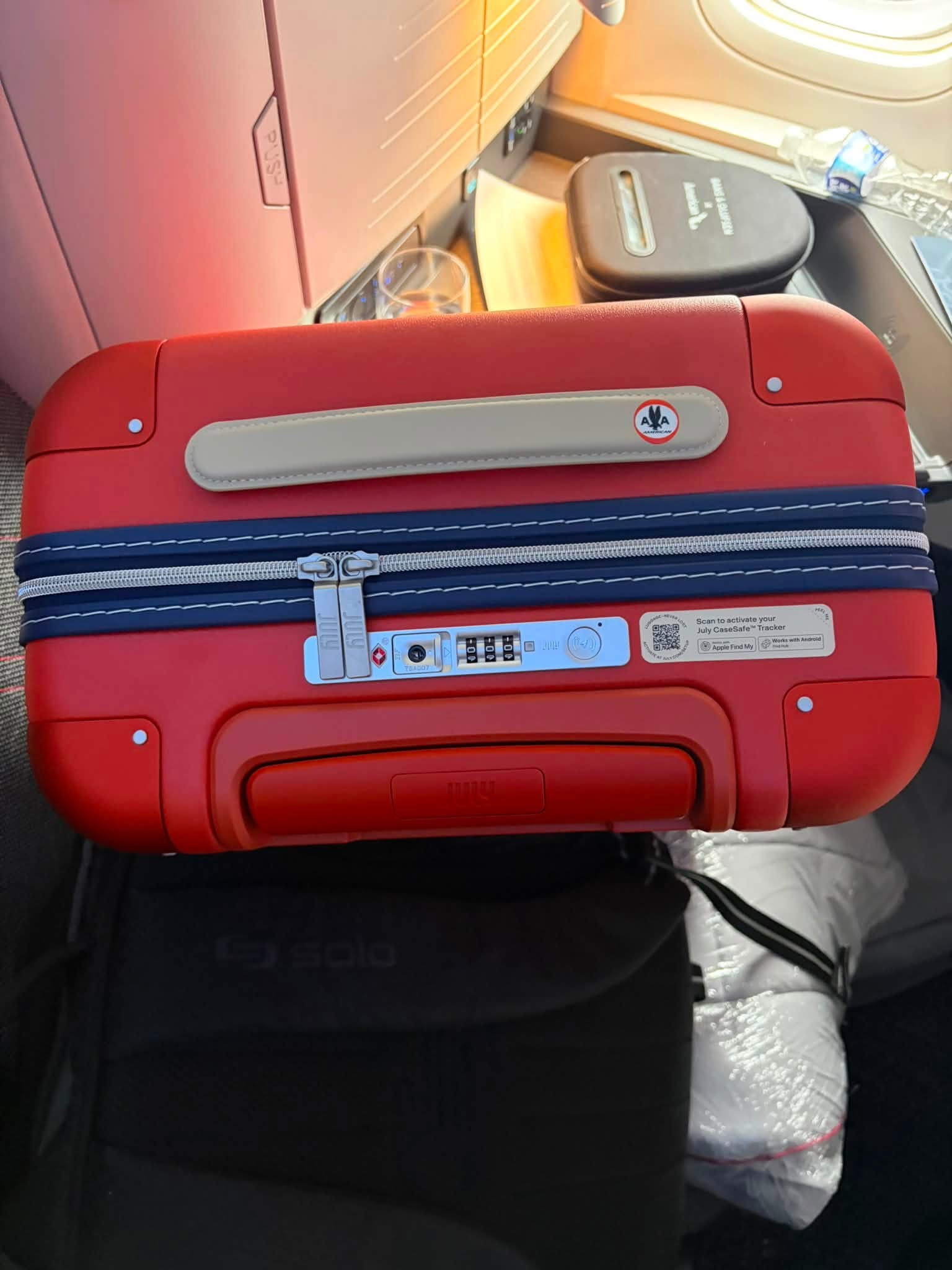
The flight itself was very smooth, and we reached New York before the rain. Instead of walking into a terminal, we descended by stairs and boarded a bus waiting on the ramp at JFK. Between the departure from American's charter facility at DFW and the ramp-side arrival, it felt a little like taking a team charter on a 777.
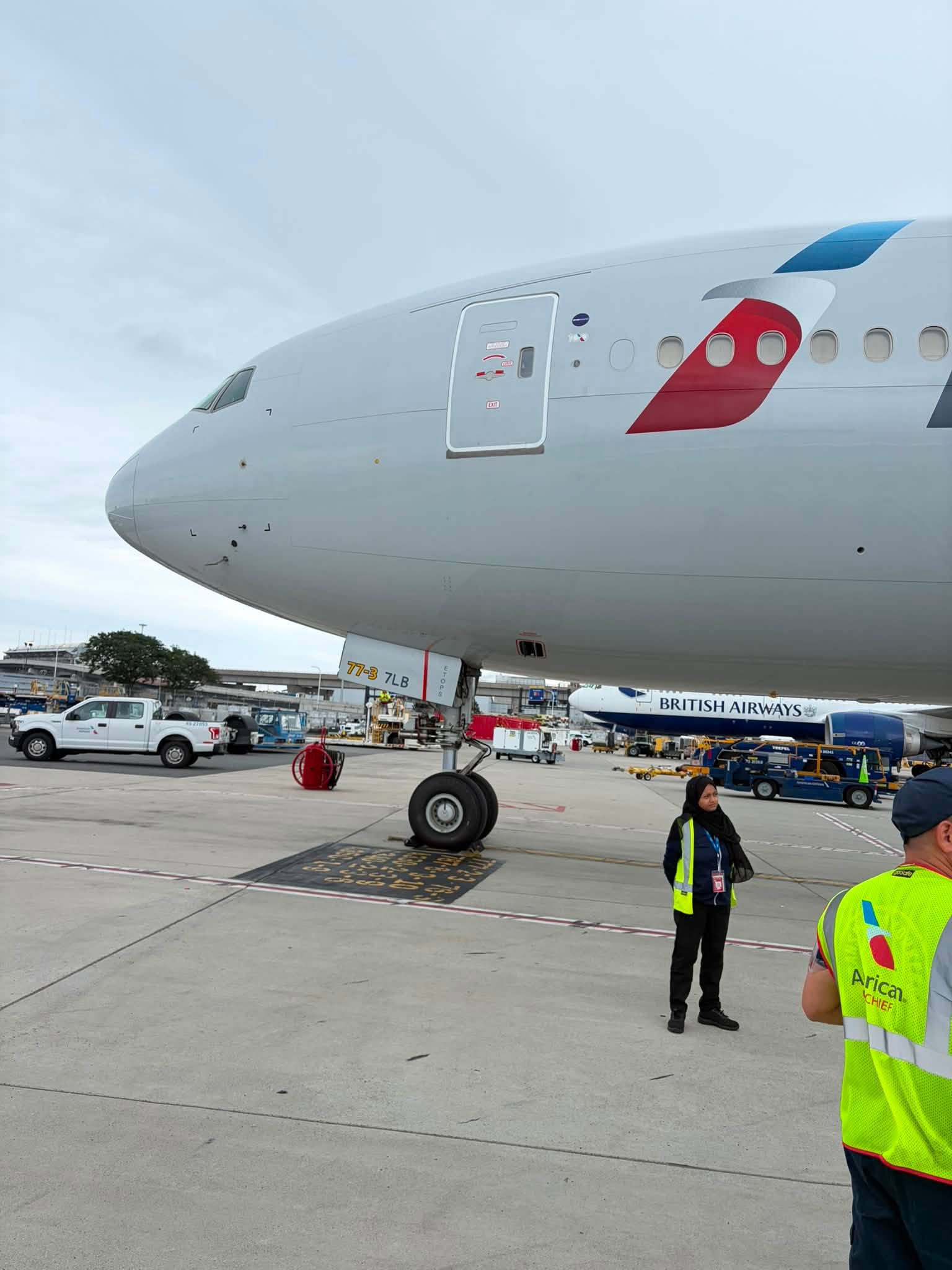
American announced the reconfigured aircraft's first commercial flight from JFK to Buenos Aires-Ezeiza (EZE) later on September 2. Flight-tracking data records N718AN operating AA953 to EZE that evening, after the charter ended. The charter did not establish what the later passenger operation was like, and one debut flight is not a promise of a permanent aircraft assignment on the route.
American announced plans to retrofit all 20 Boeing 777-300ERs in 2022, when it expected work to begin in late 2024. Airways covered the original Flagship Suite plans at the time. A 2025 update moved the start into 2026. Reuters now reports that American expects to finish all 20 conversions sometime in 2027. The airline separately expects new aircraft and widebody retrofits to increase international lie-flat seating by more than 50% by the end of the decade.
Why First Class Is Giving Way to More Premium Seats
The traveler-facing change is straightforward: the separate First cabin disappears, but the number of seats with a door, lie-flat bed, extra legroom or a larger premium-economy seat grows. It does not mean every passenger gets more room. Standard-economy seating falls slightly even as the aircraft gains 26 seats overall.
The commercial logic is visible in American's recent results. Reuters reported American's disclosure that premium customers supplied nearly half its ticketed revenue in the second quarter while accounting for about 30% of its seats. In its own second-quarter earnings materials, American said premium unit revenue rose more than 13% year over year, and its earnings-call transcript says lie-flat and Premium Economy capacity grew nearly twice as fast as Main Cabin capacity during the quarter.
Those aggregate figures do not establish the revenue or per-square-foot return of one particular 777 cabin. They put this conversion in the context of American's stated premium-revenue strategy: the airline is replacing eight international First seats with 18 more business seats and 16 more Premium Economy seats.
The wider U.S. market has already moved this way. Reuters notes that Delta merged its international First and Business cabins in 1998 and United stopped selling international First in 2018. When American ends Flagship First sales on the 777-300ER, it will no longer be the exception among the three largest U.S. network airlines. American says the 777 cabin carries design elements introduced on its premium-configured Boeing 787-9 and Airbus A321XLR, creating a more consistent Flagship Suite look across those long-haul products even though their seat counts and route deployment differ.
My short charter could not answer how the suite sleeps on an overnight flight, how the service holds up with every seat occupied or how quickly passengers will find the new interior across the network. It did make the central change clear. American has traded the 777-300ER's small First cabin for a much larger business-class cabin with doors, while expanding Premium Economy at the same time.
Featured/All images: Steve Cosgrove/Airways



.avif)