

.webp)
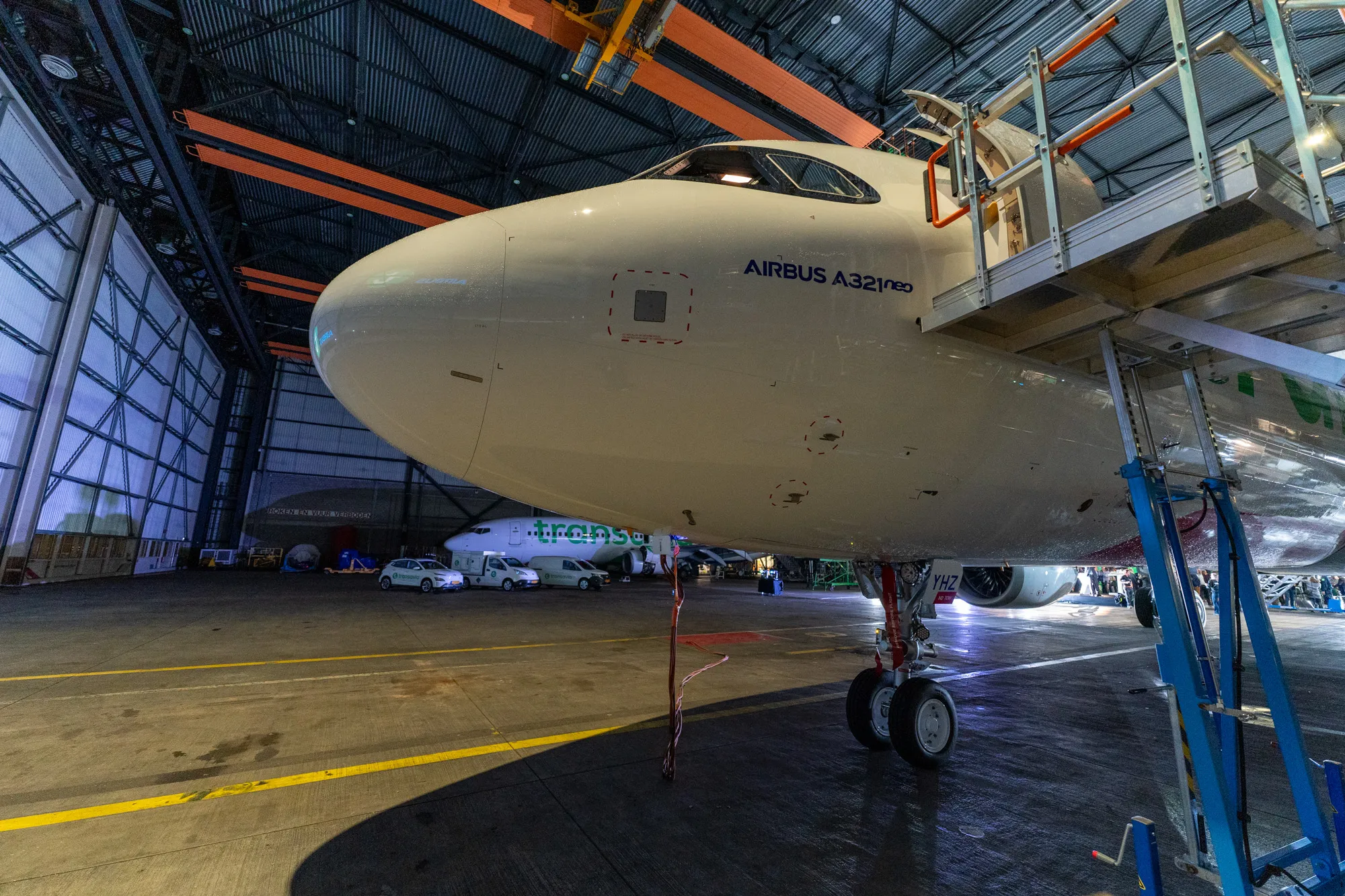

TOULOUSE — Saudia (SV) has taken delivery of its first Airbus A321XLR, becoming the first airline in the Middle East and Africa to operate Airbus’ extra-long-range single-aisle aircraft.
The aircraft is the first of 15 A321XLRs on order for the Saudi flag carrier and is powered by CFM International LEAP-1A engines. Airbus said the delivery supports Saudia’s fleet modernization program and its broader international expansion strategy under Saudi Vision 2030.
Long-range narrowbody for Saudi growth
The A321XLR gives Saudia a new tool between its conventional narrowbody fleet and widebody aircraft. With a range of up to 4,700 nautical miles, the type can support longer international sectors that would traditionally require larger widebody aircraft, while offering lower trip costs and more flexible capacity.
That matters for Saudia because the airline is expanding from both a national-connectivity and tourism-growth position. Airbus said the aircraft will support Saudi Arabia’s target of attracting more than 150 million visitors annually by the end of the decade.
Saudia currently serves more than 100 destinations across four continents, and the A321XLR is expected to support additional international markets where widebody capacity may be too large or inefficient for year-round operation.
Premium-heavy cabin
Saudia’s first A321XLR is configured with 24 lie-flat Business Class seats, each with direct aisle access, and 120 Economy Class seats. That gives the aircraft a low-density, premium-heavy layout for a single-aisle jet.
The cabin also features Airbus’ Airspace interior, including larger overhead bins, advanced lighting, and other features designed to give the aircraft a more widebody-like passenger experience.
The configuration is strategically important. Rather than using the A321XLR as a pure high-density narrowbody, Saudia is positioning it as a premium long-haul aircraft for thinner international routes where direct service and onboard product both matter.
A321XLR expands regional possibilities
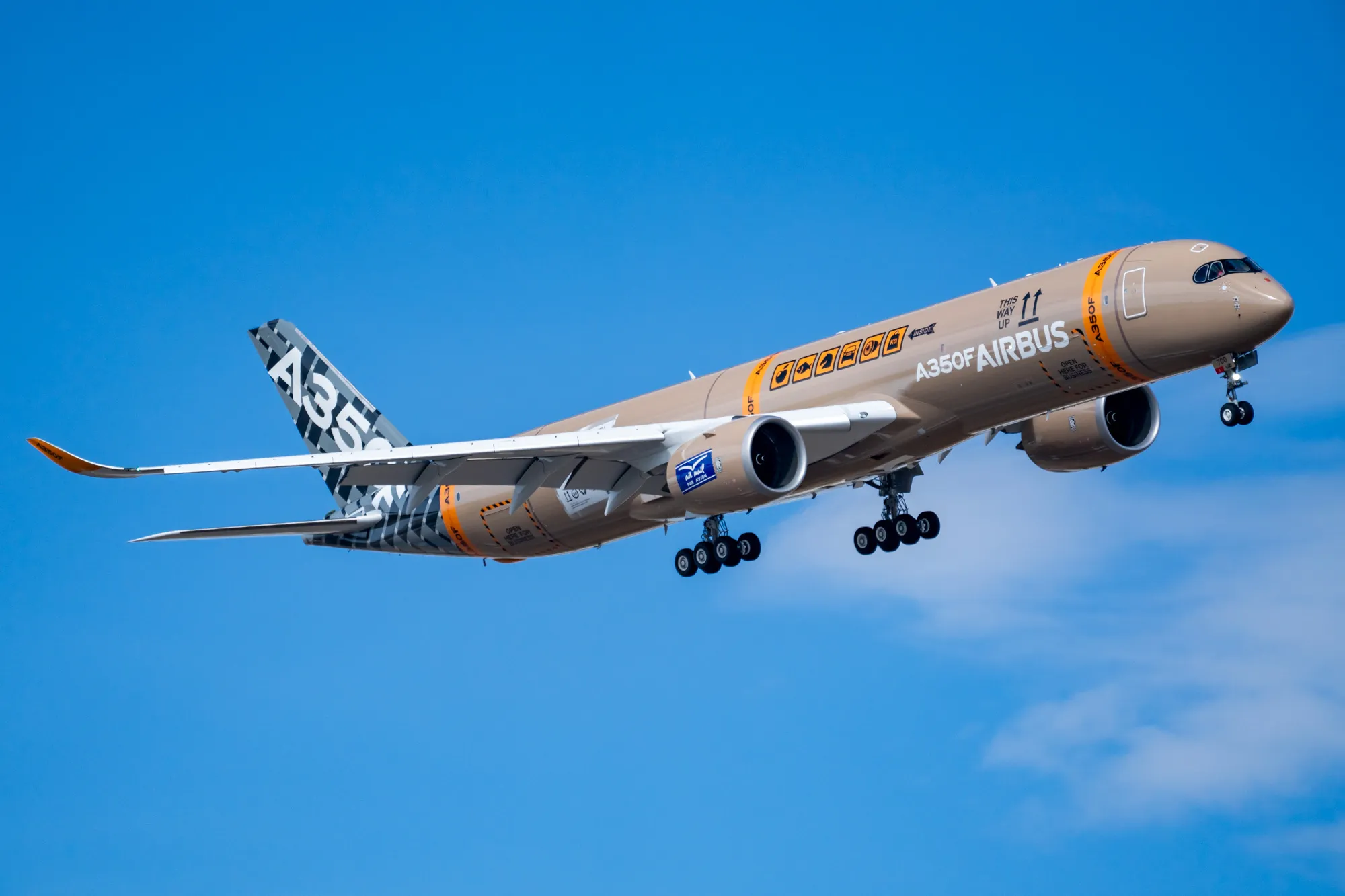
The A321XLR is the latest member of the A320neo family and is designed to deliver long-range flexibility with lower per-seat fuel burn than previous-generation aircraft. Airbus says the type offers a 30% reduction in fuel burn per seat compared with earlier-generation aircraft.
For Middle Eastern carriers, the aircraft opens a different network model from the traditional widebody hub strategy. Instead of relying only on large twin-aisle aircraft to connect major trunk markets, airlines can use the A321XLR to test or sustain thinner routes across Europe, Africa, Central Asia, and parts of the Indian Ocean region.
Saudia’s published A321XLR deployment plans have included routes from Jeddah (JED) to cities such as Vienna (VIE), Madrid (MAD), Geneva (GVA), Barcelona (BCN), and Malé (MLE), according to schedule data tracked by AeroRoutes. Those plans should be treated as schedule-based deployment information rather than a separate Airbus delivery announcement.
Why it matters
Saudia’s first A321XLR is more than a fleet milestone. It gives the airline a long-range narrowbody platform at a time when Saudi aviation is scaling aggressively through Saudia, Riyadh Air, airport development, and national tourism targets.
For Airbus, the delivery extends the A321XLR’s early global footprint into the Middle East and Africa, a region historically associated with widebody-led long-haul growth. For Saudia, the aircraft adds a more surgical network tool: enough range to open or maintain long international routes, but with capacity and economics better suited to markets that may not justify a widebody every day.
The next test will be how Saudia deploys the aircraft in scheduled service — whether primarily to replace widebodies on thinner routes, add frequency in existing markets, or open new nonstop links that were previously too small for larger aircraft.
Featured image: Airbus


.avif)