

PHOENIX — STARLUX Airlines (JX) has launched nonstop service to Taipei, ending Phoenix’s long-standing absence of direct flights to Asia and opening a new transpacific gateway in the American Southwest.
STARLUX inaugurated the Phoenix–Taipei route on January 15 with the arrival of an Airbus A350-900 at Phoenix Sky Harbor International Airport (PHX), which was welcomed by a water-arch salute and a gate ceremony.
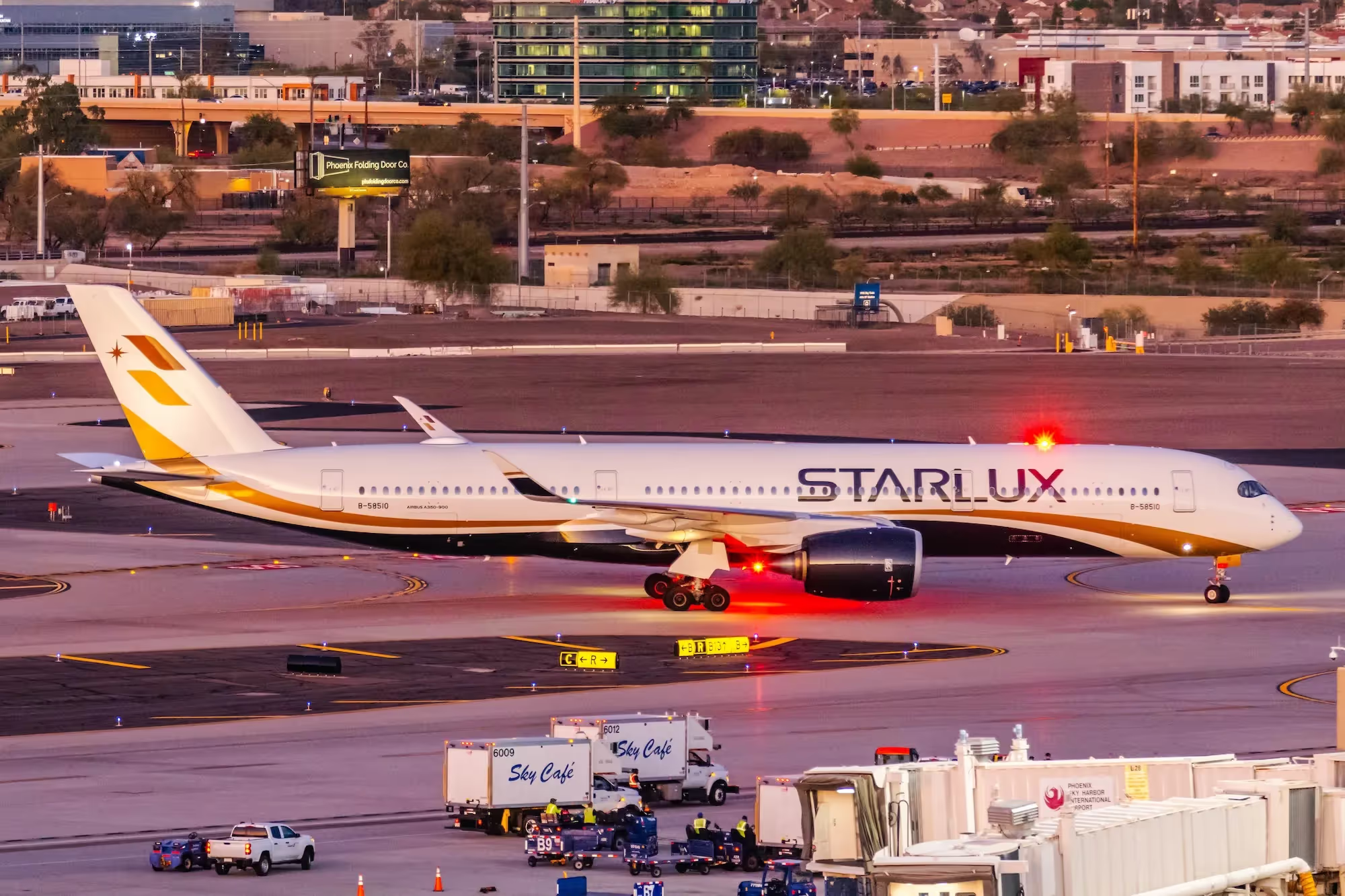
The flight marked Phoenix as the airline’s fifth U.S. destination and its first in the Southwest, following Los Angeles, San Francisco, Seattle, and Ontario, California.
Phoenix Mayor Kate Gallego, STARLUX Airlines Chief Executive Officer Glenn Chai, airport officials, and community leaders welcomed the airline’s inaugural flight to Phoenix with a ribbon-cutting celebration. Airways was also present for the ocassion.
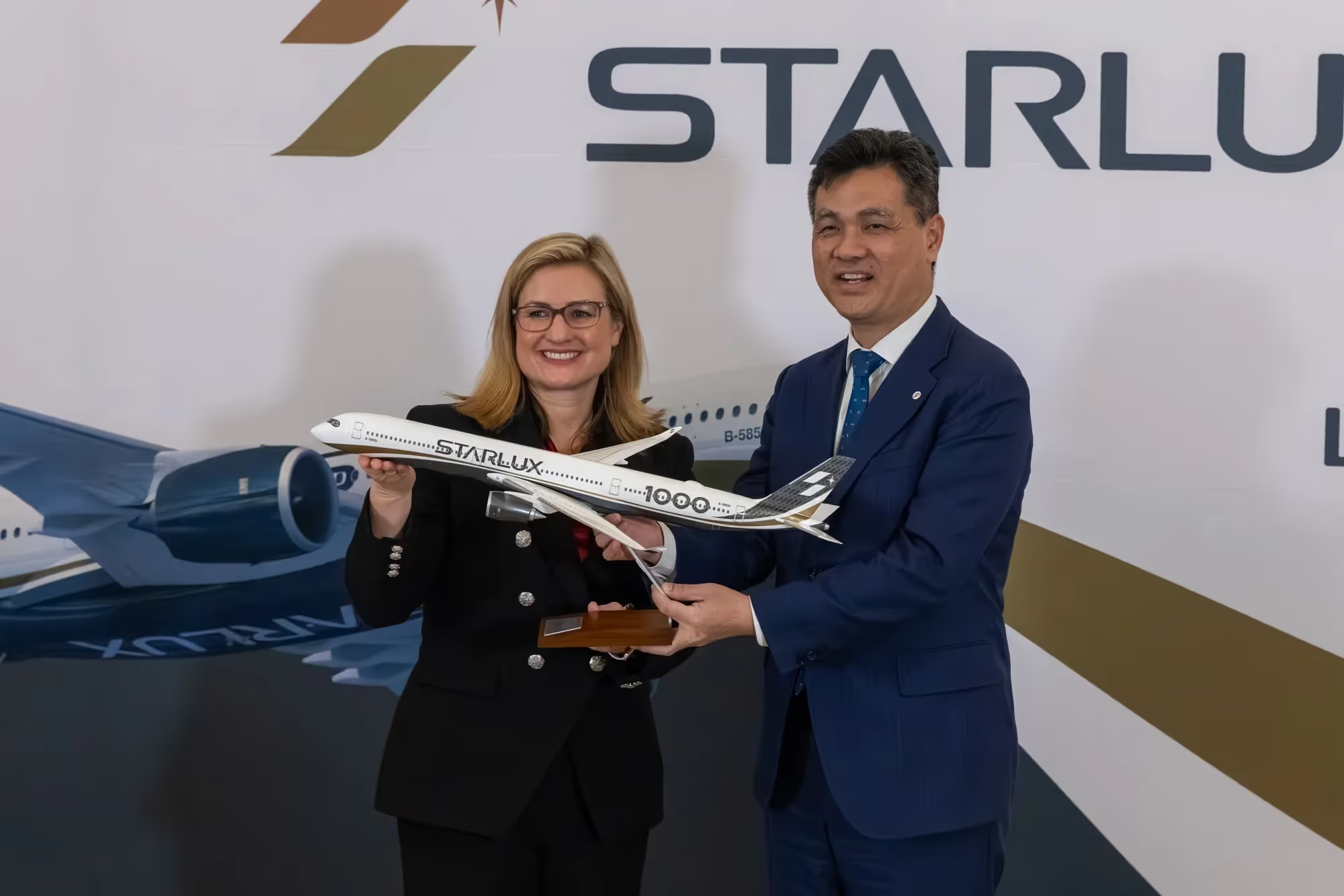
“This is a milestone event for the City of Phoenix. STARLUX was the first to commit to ending Phoenix being the only major American city without non-stop service to and from Asia,” said Phoenix Mayor Kate Gallego.
The Mayor continued: “STARLUX’s new service between Phoenix and Taipei opens the door to expanded tourism, stronger business relationships, and new opportunities for companies looking to invest in our fast-growing and vibrant region. It further strengthens Phoenix’s position as a global city and builds upon our partnership with one of Asia’s most dynamic and vital economies. We’re grateful to STARLUX and its leadership for their investment, confidence, and commitment to our community. Their presence in Phoenix helps bring jobs, economic growth, and a brighter future for all who call our city home.”
The new service operates three times weekly—Tuesdays, Thursdays, and Sundays—and connects Phoenix directly to Taipei, the airline’s primary hub. From there, JX offers onward access to 26 destinations across Northeast and Southeast Asia, while its partnership with American Airlines (AA) provides seamless connections to more than 40 U.S. cities via Phoenix.
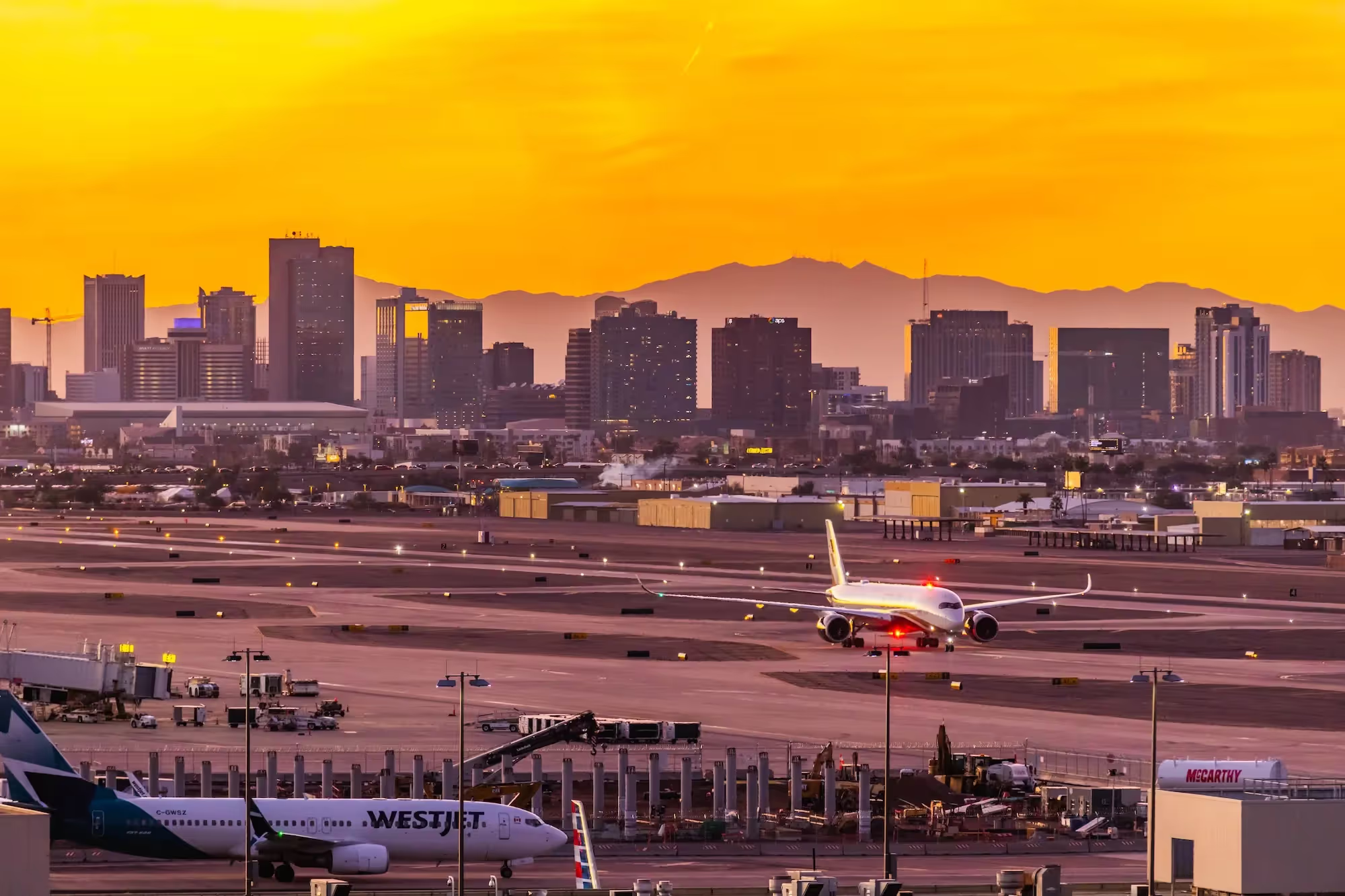
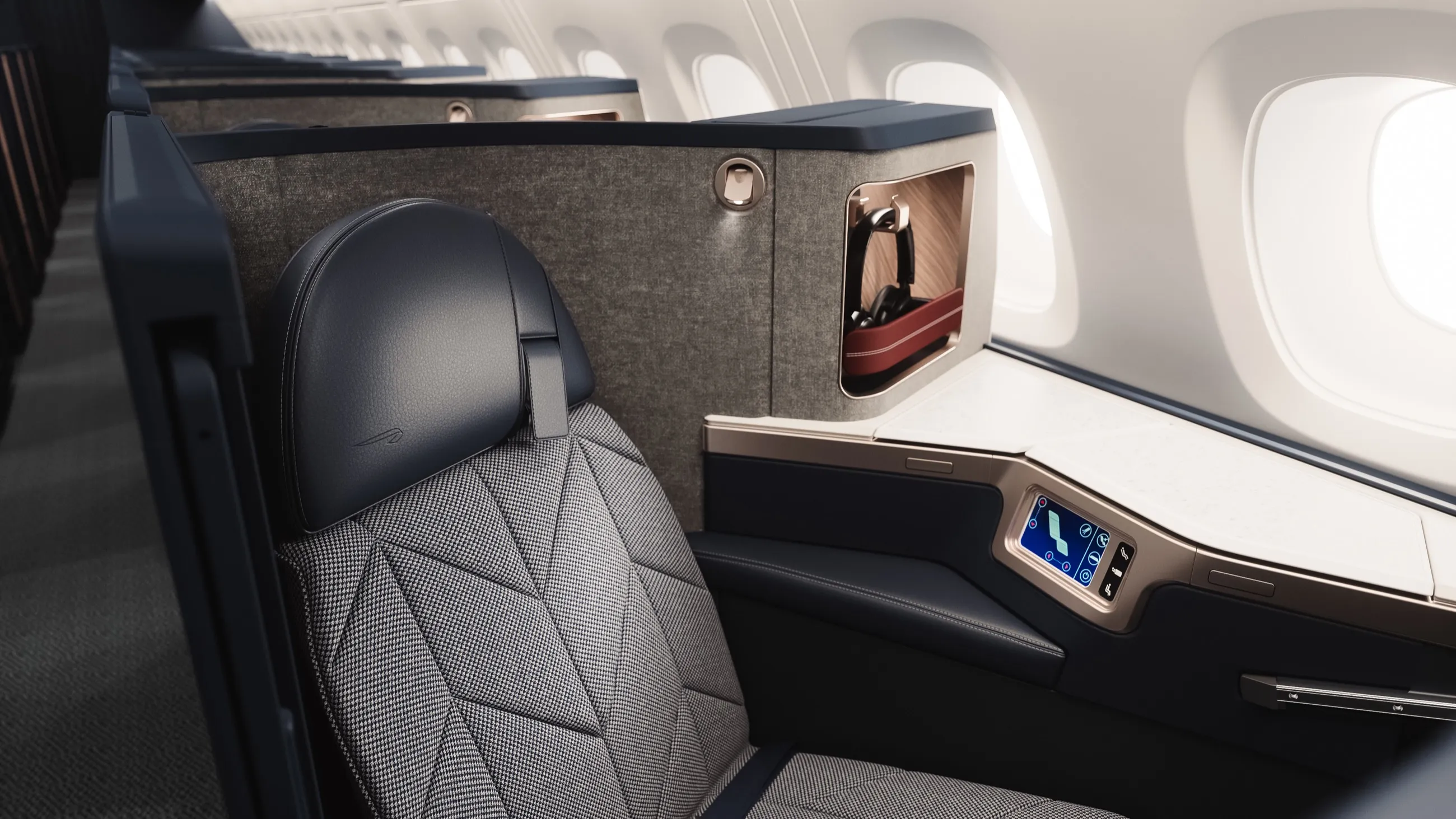
STARLUX deployed its next-generation A350-900 on the route, debuting updated premium amenities, including newly introduced Business Class loungewear and upgraded onboard service elements. The launch revs up the carrier’s design-forward positioning and its focus on premium long-haul travel rather than high-frequency volume.

A New Southwestern Link to Asia
For Phoenix, the route carried broader significance. The city had remained the largest U.S. metropolitan area without nonstop service to Asia, forcing travelers to route through West Coast hubs. JX became the first carrier to commit to closing that gap, positioning Phoenix as an emerging alternative transpacific gateway for business, technology, and leisure travelers.
Operationally, the route also reflected shifting transpacific network logic. By pairing a fast-growing Sun Belt market with a boutique long-haul product and alliance connectivity, JX avoided direct competition with mega-hub gateways while tapping underserved demand. For us, Phoenix–Taipei stands out as a rare example of a true “new Asia city-pair,” not a hub-to-hub extension.
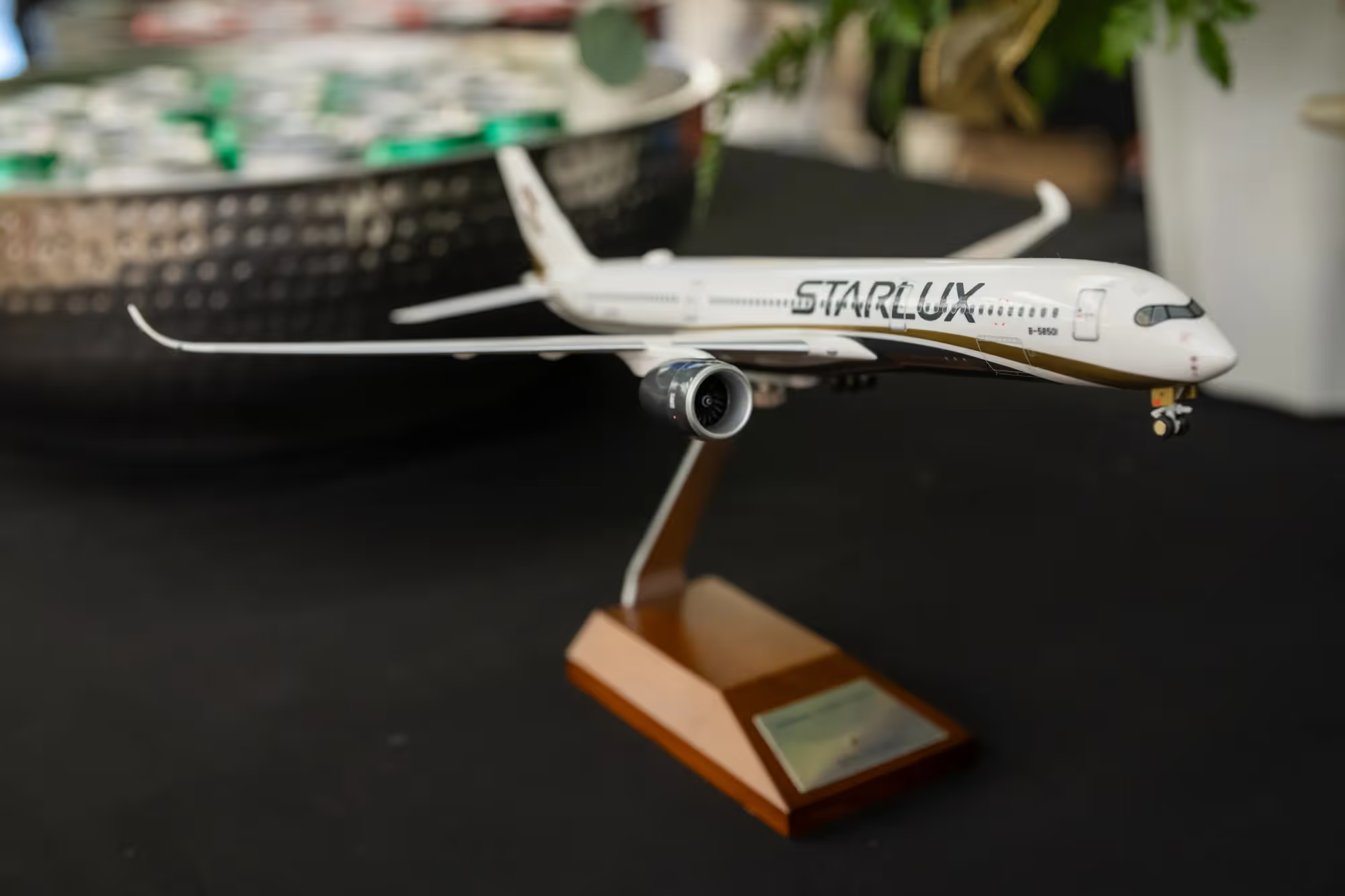
The Phoenix–Taipei launch reinforced JX's broader U.S. expansion strategy and highlighted how premium, mid-frequency routes can reshape long-haul connectivity beyond traditional coastal hubs.
Featured image: Chris Goulet/Airways


.avif)