

.webp)
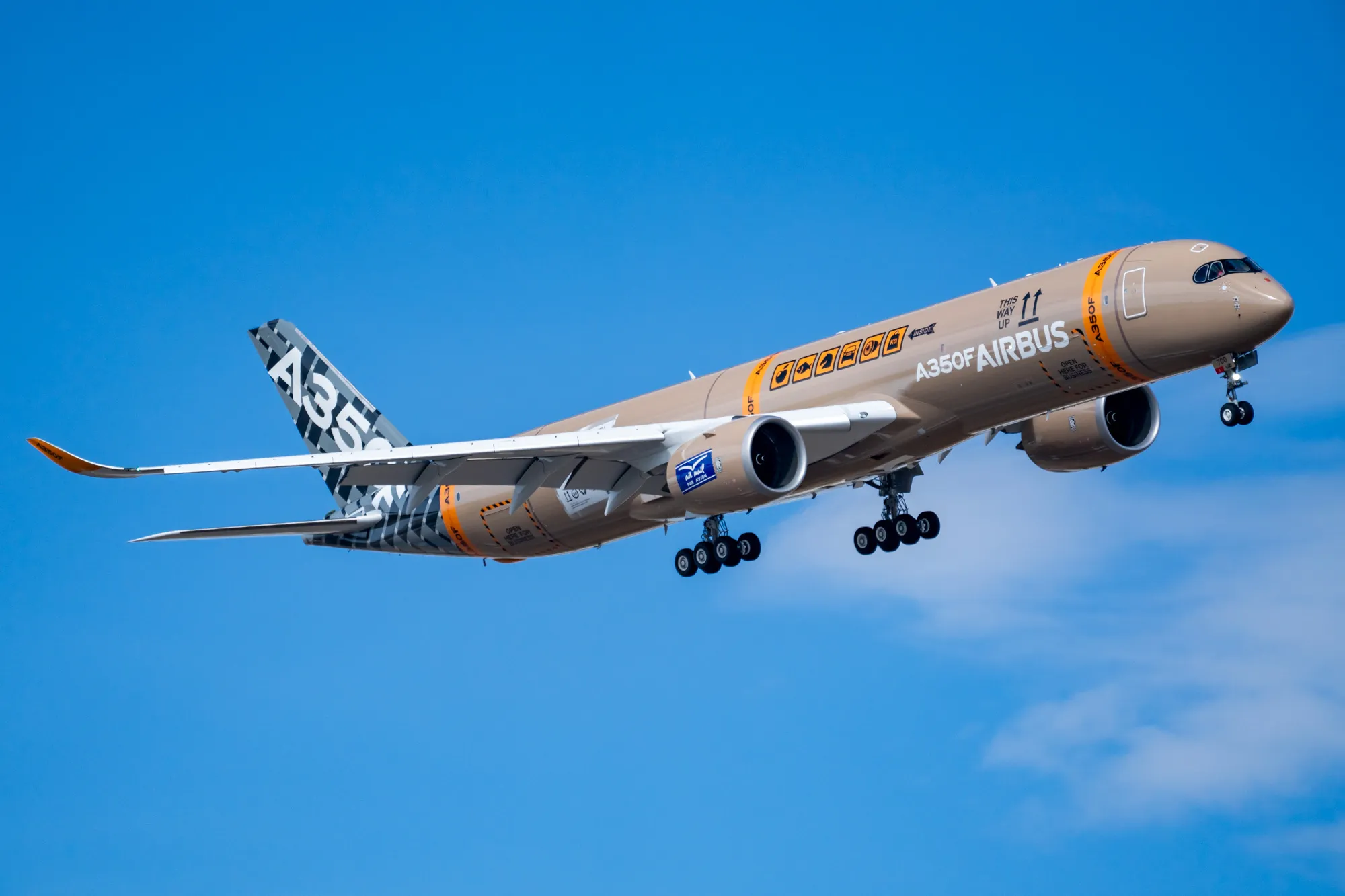
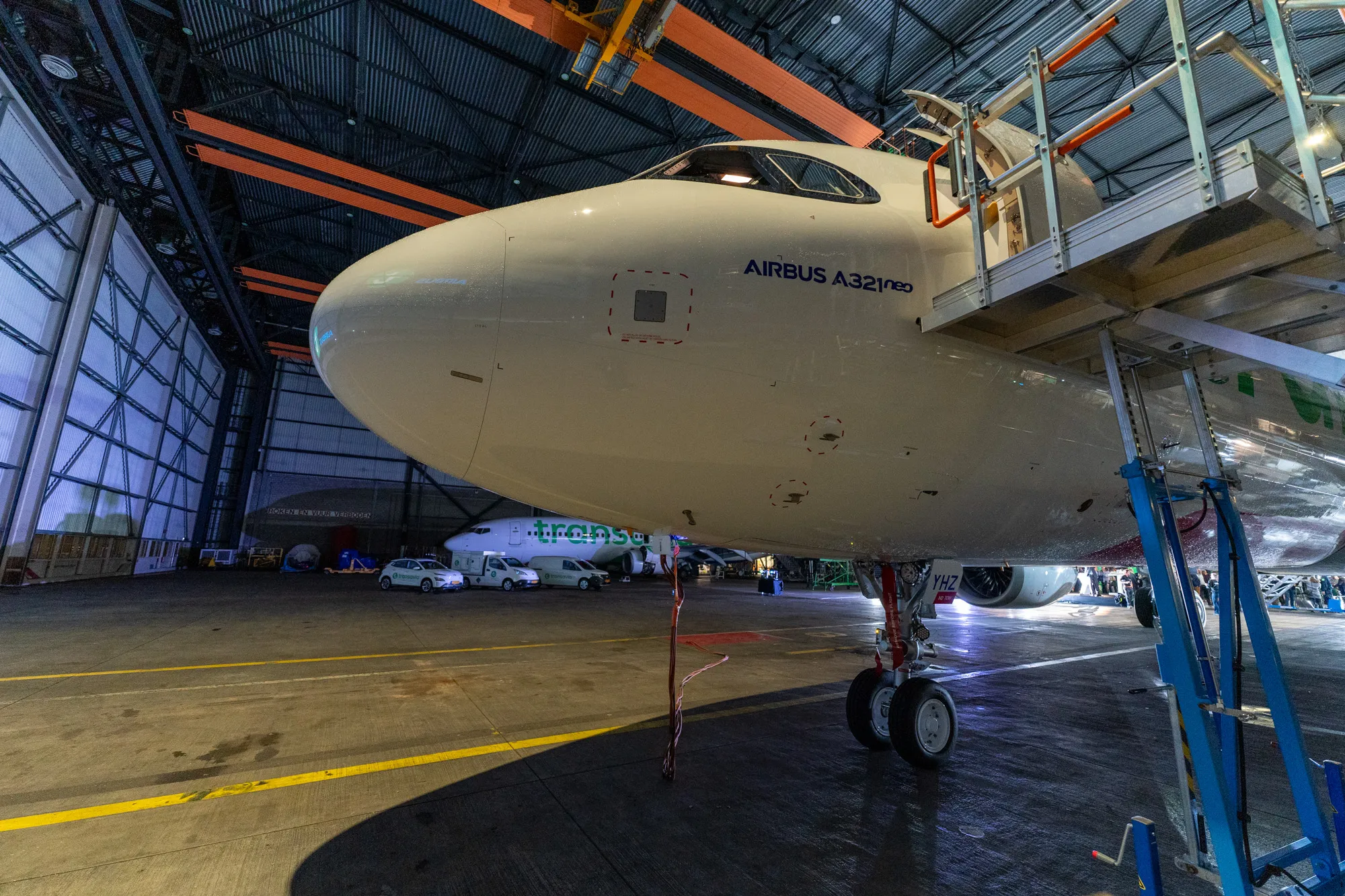
CHICAGO — United Airlines (UA) says its Airbus A321XLR cannot fly from New York to Italy, an operational constraint that helps explain why its first newly announced European routes for 2027 stop farther west. Patrick Quayle, United's senior vice president of global network planning and alliances, told Aviation Week that the aircraft had originally been marketed to United as reaching Italy from New York. “It obviously cannot do that,” he said in the publication's August 25 report.
The comment is a material qualification to United's August 25 announcement of 10 new international destinations for 2027. The airline plans to assign the A321XLR to Newark Liberty International Airport (EWR)–Luxembourg, EWR–Ibiza, EWR–Valencia, EWR–Marseille and Washington Dulles International Airport (IAD)–Toulouse. United says its new routes remain subject to government approval. Quayle said Spain and France were “well within” the aircraft's capabilities and described the new routes as conservative choices.
Airbus still markets the A321XLR with a maximum range of up to 4,700 nautical miles (8,700km). That figure is a manufacturer maximum, however, not a published guarantee that every airline configuration can operate every city pair at full payload in all conditions. United has not publicly disclosed a revised range figure, a payload-range chart for its 150-seat layout, or the assumptions behind its New York–Italy assessment. The reporting therefore does not establish how many nautical miles of range United effectively lost.
A narrower map, not a broken mission
The limitation does not make the XLR irrelevant to United's transatlantic strategy. It defines the part of the map where the airline believes the aircraft can work with margin. The published assignments show United planning to deploy a 150-seat, premium-heavy narrowbody on those five new city pairs; the airline has not released route-level commercial forecasts or a comparison with widebody economics.
United's configuration has 20 Polaris business-class suites, 12 Premium Plus seats, 34 Economy Plus seats and 84 economy seats, according to Aviation Week. Airbus lists a typical two-class A321XLR seating range of 180 to 220 passengers, illustrating that United has selected a much lower-density cabin for its version. The airline has not said publicly how that layout, passenger and cargo payload, fuel reserves, weather, or routing factors into the Italy limitation.
That distinction matters for how the aircraft is described. In 2019, when Airbus announced United's firm order for 50 A321XLRs, it said the type would support transatlantic expansion from the carrier's Newark and Washington hubs while replacing older aircraft. The manufacturer also said the XLR's range was up to 4,700nm. Quayle's new comments show that United's usable planning envelope is narrower than that broad marketing proposition for at least a New York–Italy mission.
Why Italy has widebody assignments
United's own 2027 assignments make the divide visible. The carrier plans Boeing 767-300ERs for Newark–Catania and Newark–Olbia, while it plans the XLR for Luxembourg, Ibiza, Valencia and Marseille. All are new routes subject to government approval. The aircraft allocations alone do not prove why United selected each gauge: the airline has not published route-level profitability forecasts, payload requirements, or a technical dispatch analysis.
The assignments give United a lower-capacity long-haul option on city pairs the carrier has decided are inside its operating boundaries. The 767 choices for the two new Italian destinations are consistent with Quayle's stated New York–Italy limit, but they are not proof that range was the only factor in United's planning.
What comes next
United plans to begin international A321XLR service on December 1, 2026, from Washington Dulles to Amsterdam Airport Schiphol (AMS) and Dublin Airport (DUB). The carrier received its first aircraft in June and expects five more by the end of 2026 and 15 during 2027, Aviation Week reported. Quayle also said the airline could eventually consider the XLR for Houston–South America routes after it receives more aircraft.
The first European schedule still captures the core promise of the program: using a long-range single-aisle aircraft to serve thinner nonstop markets. But United's public boundary matters as it builds the fleet. The open question is no longer whether the XLR can reach Europe from its eastern hubs. It is which missions leave enough operational margin for United's premium cabin, payload requirements and year-round schedule.
For context on the routes announced yesterday, see Airways' coverage of United's 2027 international expansion.
Featured image: Alex Berman/Arways




.avif)