Expected rollout: Airbus Has Five Months to Deliver Another 452 Aircraft


.webp)
.webp)

.webp)
TOULOUSE — Airbus delivered 67 commercial aircraft in July, leaving the manufacturer five months to hand over another 452 if it is to reach the 870-aircraft midpoint of its 2026 guidance.
The latest Airbus orders-and-deliveries data show 418 aircraft delivered to 82 customers through July. That is 45 more than Airbus had delivered at the same point in 2025, but the comparison flatters the remaining task: last year's output was heavily weighted toward its final five months and culminated in 136 December deliveries.
Airbus now needs an average of 90.4 deliveries in each month from August through December. That is not a forecast of five identical months. Aircraft handovers are uneven and year-end totals have historically depended on a much larger December. The average instead shows how much output the entire delivery system must convert into customer acceptances before December 31.
The Three-Year Monthly Benchmark
Airbus's monthly reports show both the recovery achieved during the second quarter of 2026 and the size of the year-end requirement.
The 90.4-aircraft pace required from here is higher than every August-November result Airbus recorded during those three completed years. Only December exceeded it, with 112 deliveries in 2023, 123 in 2024, and 136 in 2025.
The historical comparison is demanding. Airbus delivered 420 aircraft from August through December 2025, its strongest five-month finish of the period, yet this year it needs 32 more. The equivalent totals were 366 in 2024 and 354 in 2023. None of the past three finishes would be enough to reach 870 from the current starting point.
July also interrupted the sequential acceleration seen during the second quarter. Monthly deliveries rose from 67 in April to 81 in May and 89 in June before falling back to 67. Delivery timing can shift between adjacent months, so July alone does not establish a production reversal. It does, however, remove one month in which Airbus could have reduced the year-end concentration.
What Counts as Meeting Guidance?
Airbus formally guides to “around 870” commercial aircraft deliveries, not an exact 870. During the company's July analyst call, CEO Guillaume Faury said Airbus uses “around” to describe 20 aircraft on either side of the midpoint. On that interpretation, the implied range is 850 to 890 aircraft.
Even the lower end requires a stronger average than any individual August-November month since 2023. The distinction is therefore meaningful at the margin, but it does not remove the need for another substantial December.
The delivery task is also different from Airbus's stated production rates. The company continues to target A320-family production of 70 to 75 aircraft per month by the end of 2027, while stabilizing at 75 thereafter. The remaining 90.4-per-month requirement covers all commercial programs and aircraft that may already be at different stages between assembly and customer acceptance. It should not be read as a claim that Airbus must manufacture 90 newly started aircraft each month.
Which Airlines Have the Most Visible Exposure?
Airbus does not publish a customer-by-customer schedule for the 452 aircraft still needed. The most defensible public measure of airline exposure is therefore the number of 2026 deliveries already recorded against each named airline customer.
These eight airlines account for 127 aircraft, or about 30% of Airbus's 418 deliveries through July. The concentration is strongest around the A321neo: 95 of the 127 aircraft in the group were A321neos.
That mix matters operationally. 6E, W6, F9, U2, and UA are using A320neo-family deliveries for fleet growth, replacement, or both. Delta's intake spans three Airbus programs, while Emirates' 11 A350-900s make it the most visible widebody recipient in the year-to-date data.
The consequences of delivery timing differ by airline. Delta, for example, reported taking 11 aircraft during the June quarter, including A220-300s, A321neos, and A350-900s. easyJet said its June delivery of a 100th A320neo-family aircraft supported an ongoing fleet-renewal program. Frontier, which relies exclusively on Airbus single-aisle aircraft, identifies timely manufacturer deliveries as a business risk in its financial disclosures.
The ranking has limits. It measures aircraft Airbus recorded as delivered, not each airline's unpublished expectation for the rest of 2026. It also excludes deliveries recorded primarily under lessor names unless Airbus identifies the airline in the customer field. A leased aircraft can therefore expose an operator to the same timing risk without appearing under that airline's name in the table.
December Remains the Pressure Point
Airbus entered August in a better position than it did one year earlier. Through seven months, its 418 deliveries were also 37 ahead of 2023, though 18 behind the 400 recorded through July 2024.
The decisive comparison is what followed. Even Airbus's 2025 finish—the strongest of the three—would be 32 aircraft short of the 452 now required. That leaves the 2026 outcome dependent on Airbus sustaining the second-quarter improvement, converting completed aircraft into handovers, and again producing a three-digit December.
Airbus maintained its guidance after delivering 351 aircraft in the first half. July added 67 rather than extending June's 89-aircraft pace. The next four monthly reports will show whether that was ordinary delivery timing or whether December is being asked to carry an even larger share of the target.
Airways previously examined how Airbus's 793 deliveries in 2025 left the manufacturer short of its original plan despite a record December. In 2026, Airbus has a larger early-year base and a higher target. It also has less room for a merely average finish.
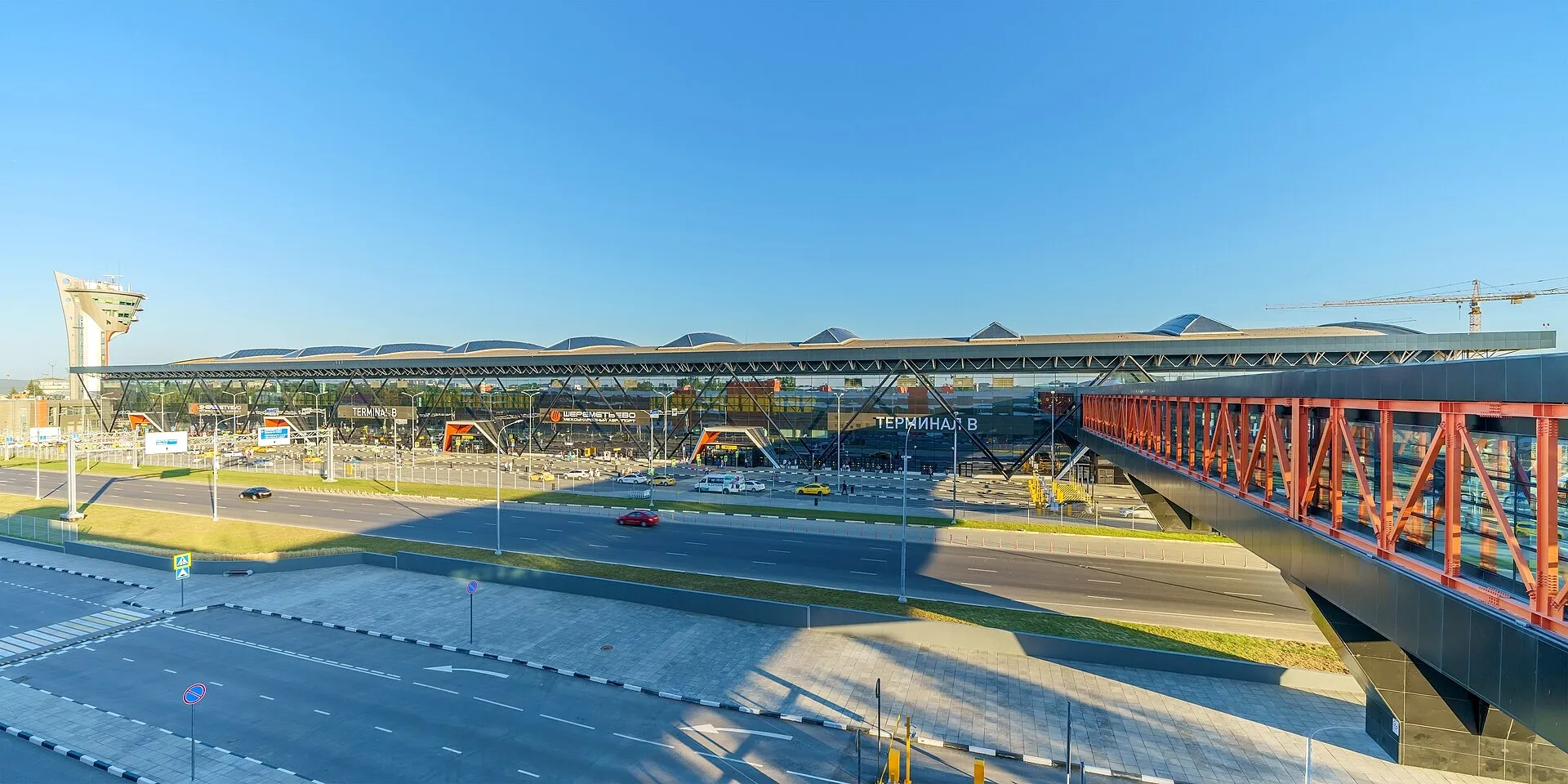
Featured image: Alexander Berman/Airways



.avif)