American Airlines Restarts Flights After Nationwide IT Ground Stop


.webp)
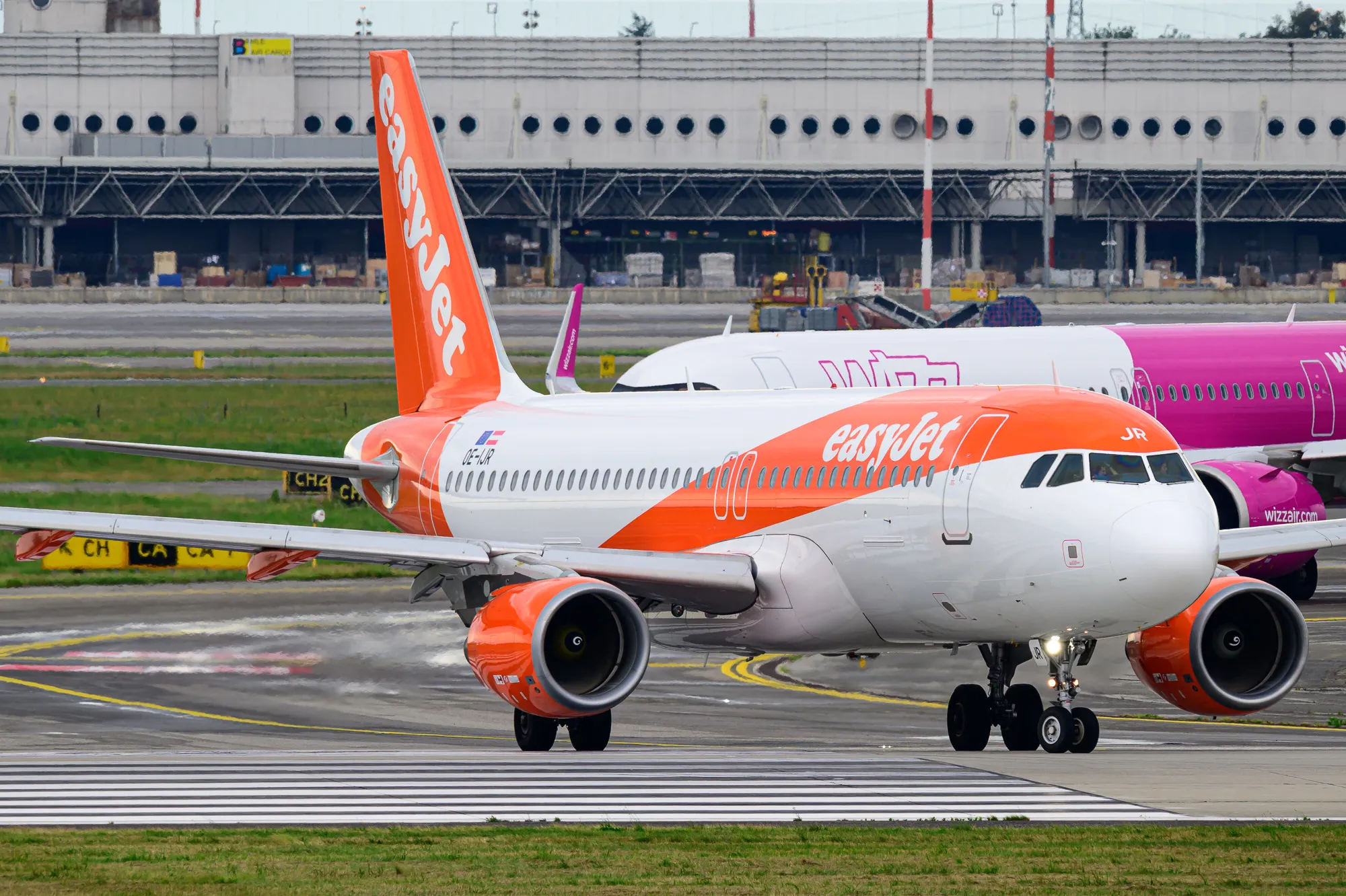


DALLAS — American Airlines (AA) resumed departures Tuesday evening after an information-technology issue prompted a temporary nationwide ground stop for the carrier's flights.
The initial restriction was reported shortly after 7 p.m. EDT, when Fox News said the Federal Aviation Administration had issued a nationwide American ground stop because of an IT issue.
By 8:10 p.m., the FAA's Air Traffic Control System Command Center status no longer listed the nationwide restriction. Flight-tracking data also showed American aircraft departing again, indicating that the systemwide pause had ended.
American had not published a newsroom explanation of the outage by the reporting cutoff. The airline had not identified the affected system, the cause of the failure, the exact duration of the nationwide stop, or attributable delay and cancellation totals.
What the Ground Stop Did
A ground stop pauses departures that meet the scope of an FAA traffic-management instruction. It does not recall aircraft already airborne and should not be confused with an airworthiness grounding of an aircraft type.
The FAA's National Airspace System status guide explains that ground stops are implemented by the Air Traffic Control System Command Center in collaboration with affected FAA facilities and industry partners. Flights covered by a stop are held at their departure points until the restriction ends or they receive authorization to depart.
In this case, the measure prevented additional American departures from entering the system while the airline addressed the IT disruption. The precise scope, including which American regional affiliates were covered and whether any operators were exempt, had not been confirmed by the reporting cutoff.
FlightAware's American Airlines fleet snapshot at 8:11 p.m. EDT showed several post-7 p.m. departures. They included AA100 from New York John F. Kennedy International Airport (JFK) to London Heathrow Airport (LHR), which departed at 7:24 p.m., and AA1069 from Pittsburgh International Airport (PIT) to Miami International Airport (MIA), which departed at 7:47 p.m.
Those departures corroborate the restart, but they do not mean the network immediately returned to schedule. Flights held during the stop still had to move through departure queues, while arriving aircraft continued to require gates and onward crews and passengers faced disrupted connections.
Charlotte, Miami Restrictions Remained
Although the nationwide measure had ended, the FAA's 8:10 p.m. update still listed two American-specific ground stops.
At Charlotte Douglas International Airport (CLT), the scope covered American mainline and subsidiary operations from all departure facilities. At Miami, a narrower second-tier stop applied to American mainline flights. The FAA classified both measures as "Other / Carrier Request."
The FAA status did not say whether those two airport restrictions were residual measures from the IT outage, responses to gate or traffic constraints, or separate carrier requests. Airways could not establish a relationship between those restrictions and the systemwide failure by the reporting cutoff.
The distinction matters because a nationwide technology disruption was not the only constraint affecting U.S. air travel Tuesday evening.
Thunderstorms Complicate the Impact Count
The same FAA update showed weather-related ground stops, delay programs, and departure delays across much of the Northeast and Mid-Atlantic.
Boston Logan International Airport (BOS), Newark Liberty International Airport (EWR), and Philadelphia International Airport (PHL) were operating under national programs attributed to thunderstorms. Weather-related ground stops or substantial departure delays were also listed at Baltimore/Washington International Airport (BWI), Ronald Reagan Washington National Airport (DCA), New York John F. Kennedy International Airport, New York LaGuardia Airport (LGA), and several nearby general-aviation airports.
Those concurrent restrictions mean that a systemwide total from a flight-tracking service would not, by itself, measure the effect of American's IT outage. Some flights had already been delayed or canceled by weather, air-traffic programs, or earlier operational disruption before the technology problem began.
An attributable impact figure will require American to separate the outage's effects from those other constraints.
Recalling AA Outage from 2024
American experienced another brief nationwide technical interruption on December 24, 2024. Airways reported that the separate Christmas Eve ground stop was lifted after American restored its operation.
No evidence currently connects the July 2026 disruption with the 2024 event. The earlier incident is relevant as operational context, but it should not be used to infer the failed system, provider, or cause of Tuesday's outage.
American had also not said whether Tuesday's disruption involved a vendor or a cybersecurity event by the cutoff. Claims involving CrowdStrike, T-Mobile, a data center, a server failure, or a flight-operations platform remain unsupported and should not be attributed to this event without confirmation.
For passengers, the immediate issue is the recovery rather than the ended nationwide restriction. Travelers should continue checking the American Airlines flight-status tool or the airline's app before leaving for the airport, particularly when traveling through Charlotte, Miami, or airports affected by evening thunderstorms.
The next official update should establish what failed, when American fully restored the affected systems, how many flights the outage disrupted, and whether residual delays extend into Wednesday.
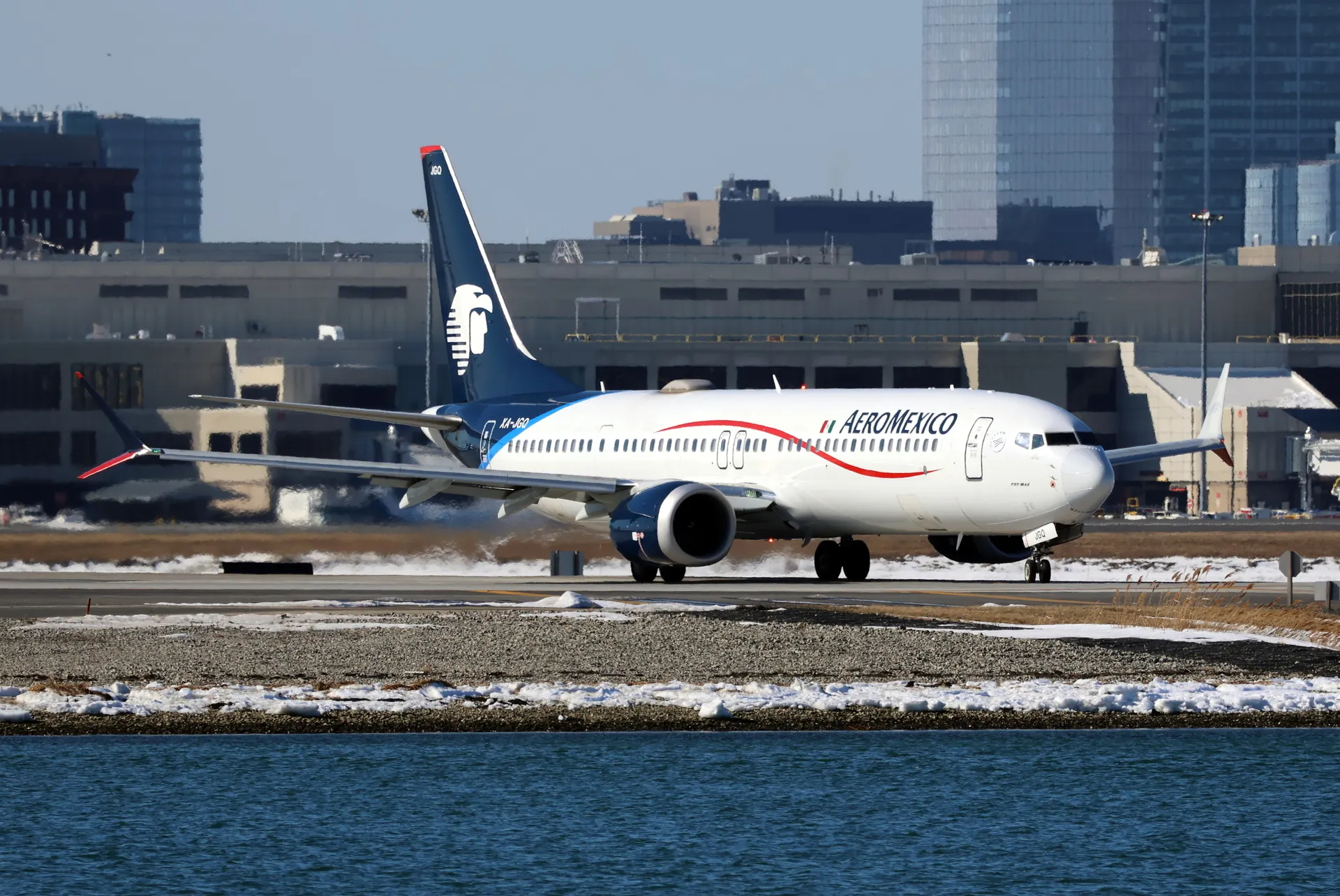
Featured image: Chris Goulet/Airways


.webp)