Asian Airlines Report Surging Demand as Travelers Reroute Around Gulf


HONG KONG — Major Asian carriers are reporting sharp increases in demand on European routes as the ongoing Iran conflict forces travelers to reroute away from Middle Eastern hubs, with analysts warning the shift could outlast the conflict itself.
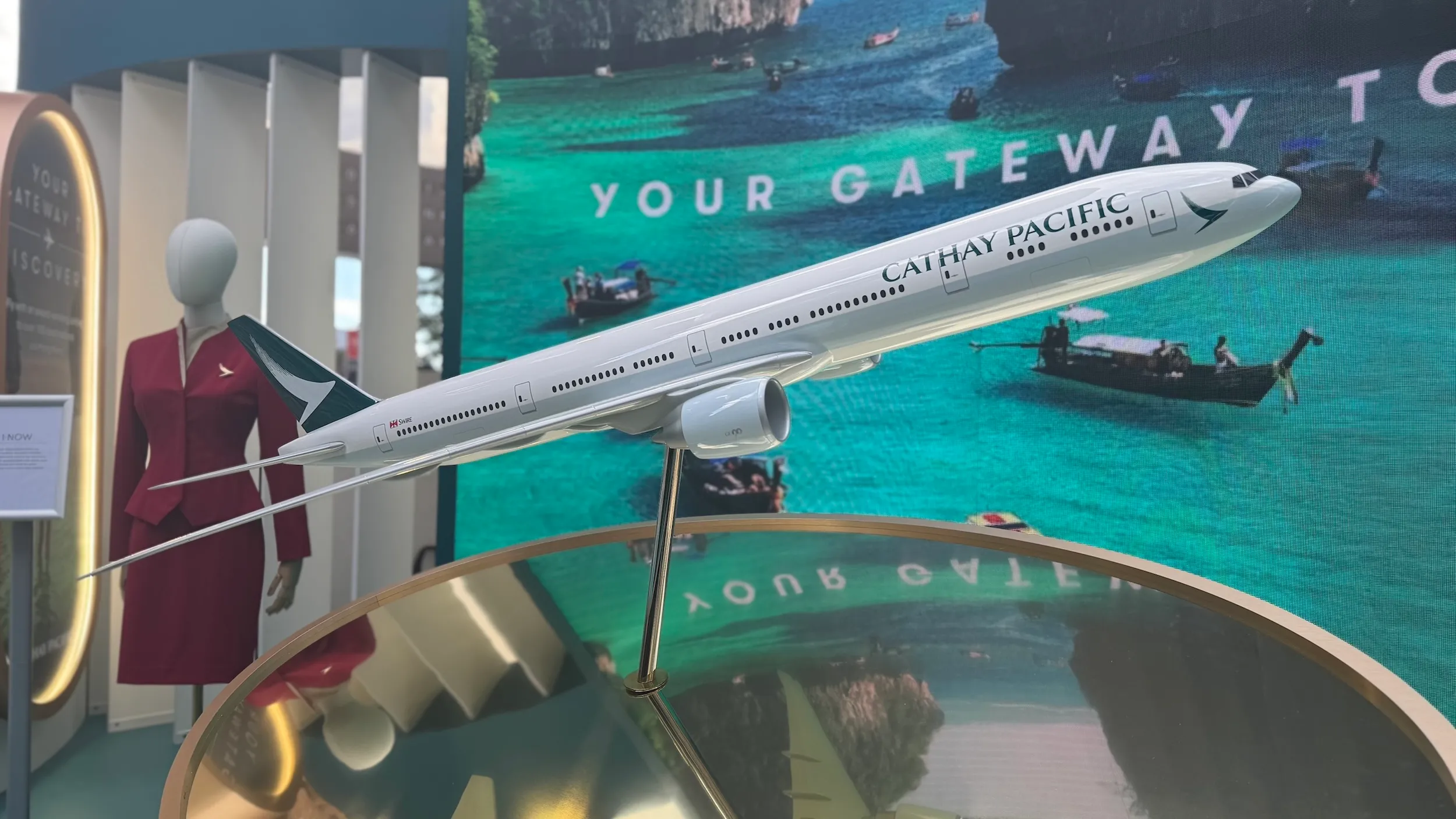
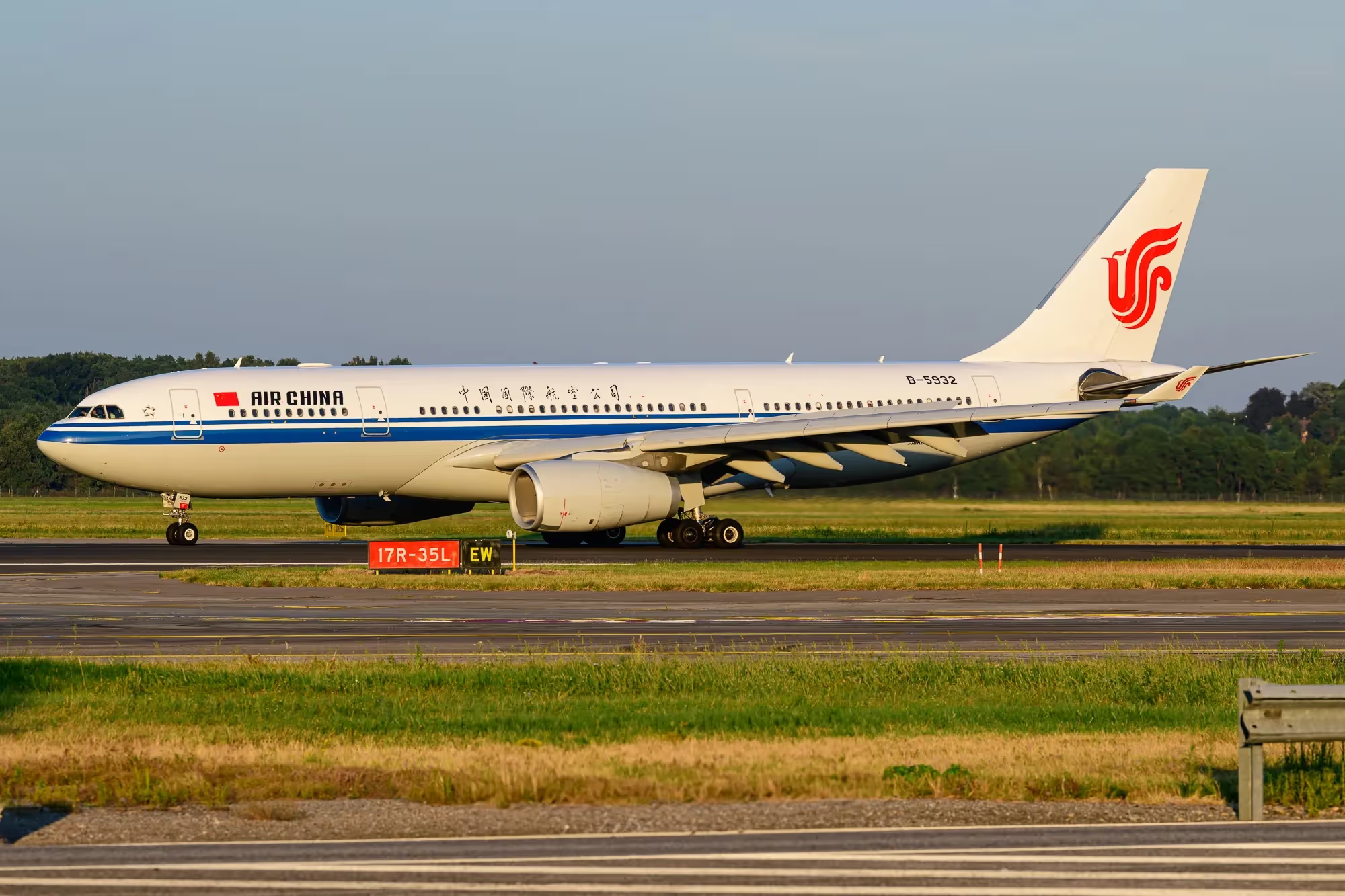
Reuters reports that Cathay Pacific Airways (CX), Singapore Airlines (SQ), Korean Air (KE), and Qantas Airways (QF) all disclosed strong European route performance in March, even as jet fuel costs doubled amid the regional crisis.
Load factors and capacity
Singapore Airlines (SQ) reported European seat load factors of 93.5% in March, up from 79.7% a year earlier, the sharpest regional gain in its network. Cathay Pacific (CX) said it mounted additional flights to Europe in March and April to meet surging demand, with strong bookings expected to continue through April, fueled by Easter travel and increased long-haul transits through Hong Kong International Airport (HKG).
Gulf carrier fallout
Before the conflict, Emirates (EK), Qatar Airways (QR), and Etihad Airways (EY) together carried roughly one third of all Europe-Asia passenger traffic and more than half of all passengers flying between Europe and Australia, New Zealand, and the Pacific Islands, according to aviation data firm Cirium. All three have restored at least 60% of pre-conflict flight numbers, per Flightradar24 data.
Recovery has been complicated by travel advisories, however. Australia has warned citizens against transiting through Gulf airports, leaving those passengers uninsured and pushing them toward alternative routings at a significant price premium.
For a Sydney (SYD) to London Heathrow (LHR) economy return departing next Saturday, Etihad via Abu Dhabi (AUH) remains the cheapest option at A$1,861, while the most affordable Gulf-free alternatives are United Airlines (UA) via San Francisco (SFO) at A$3,144 and Thai Airways (TG) via Bangkok (BKK) at A$3,901.
Outlook
Bank of America analysts suggest that tight pricing and market-share gains for non-Gulf carriers could persist for six to twelve months even after the conflict ends, as traveler habits and booking patterns take time to normalize.
Featured image: Rohan Ramalingam/Airways


.avif)