Avianca, El Salvador Launch Humanitarian Airlift to Venezuela


.webp)
.webp)

.webp)
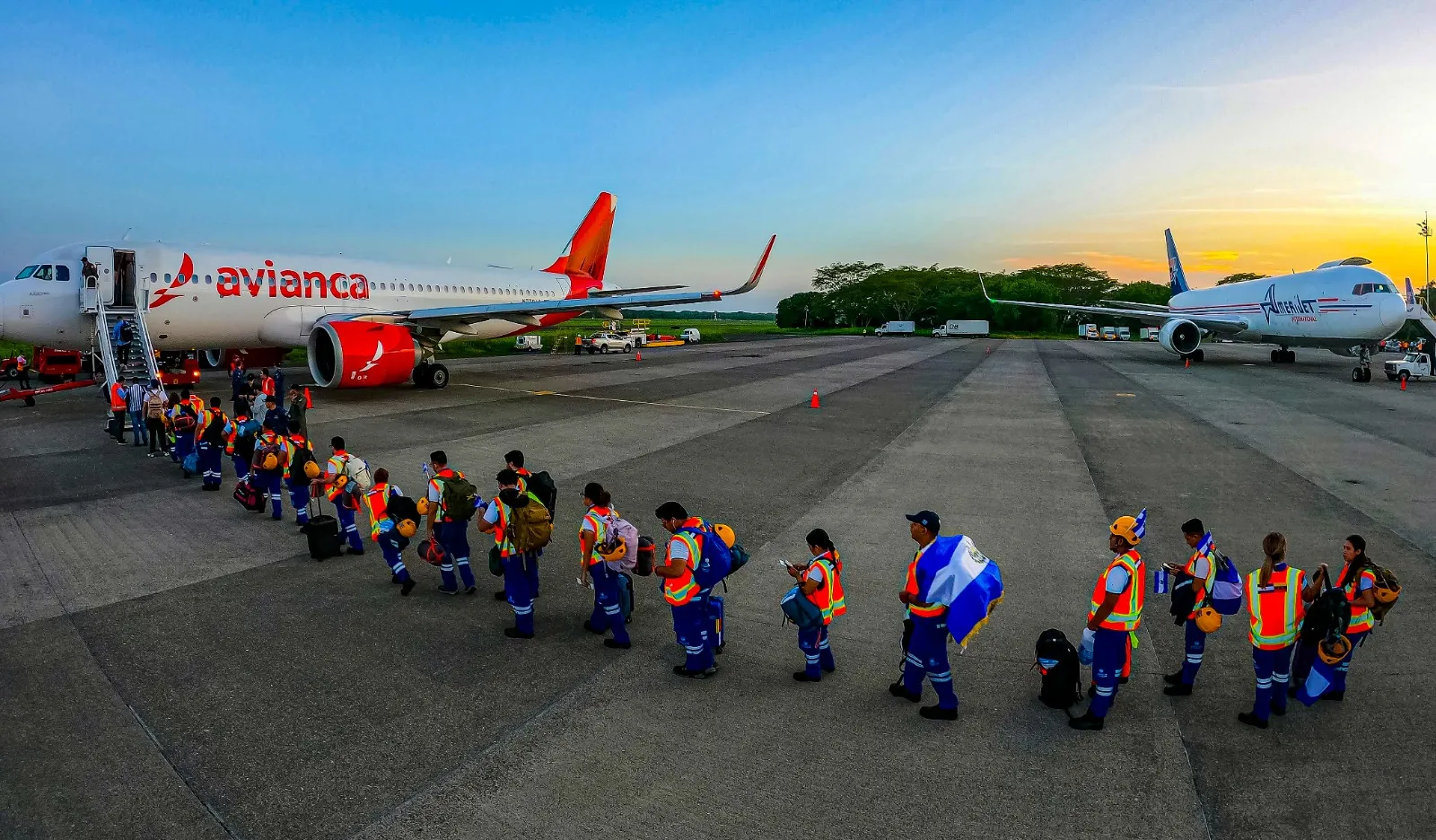
SAN SALVADOR — Avianca (AV) and the Government of El Salvador have launched a three-flight humanitarian airlift to Venezuela, deploying rescue personnel, emergency equipment, and relief supplies after the earthquakes that struck the country this week.
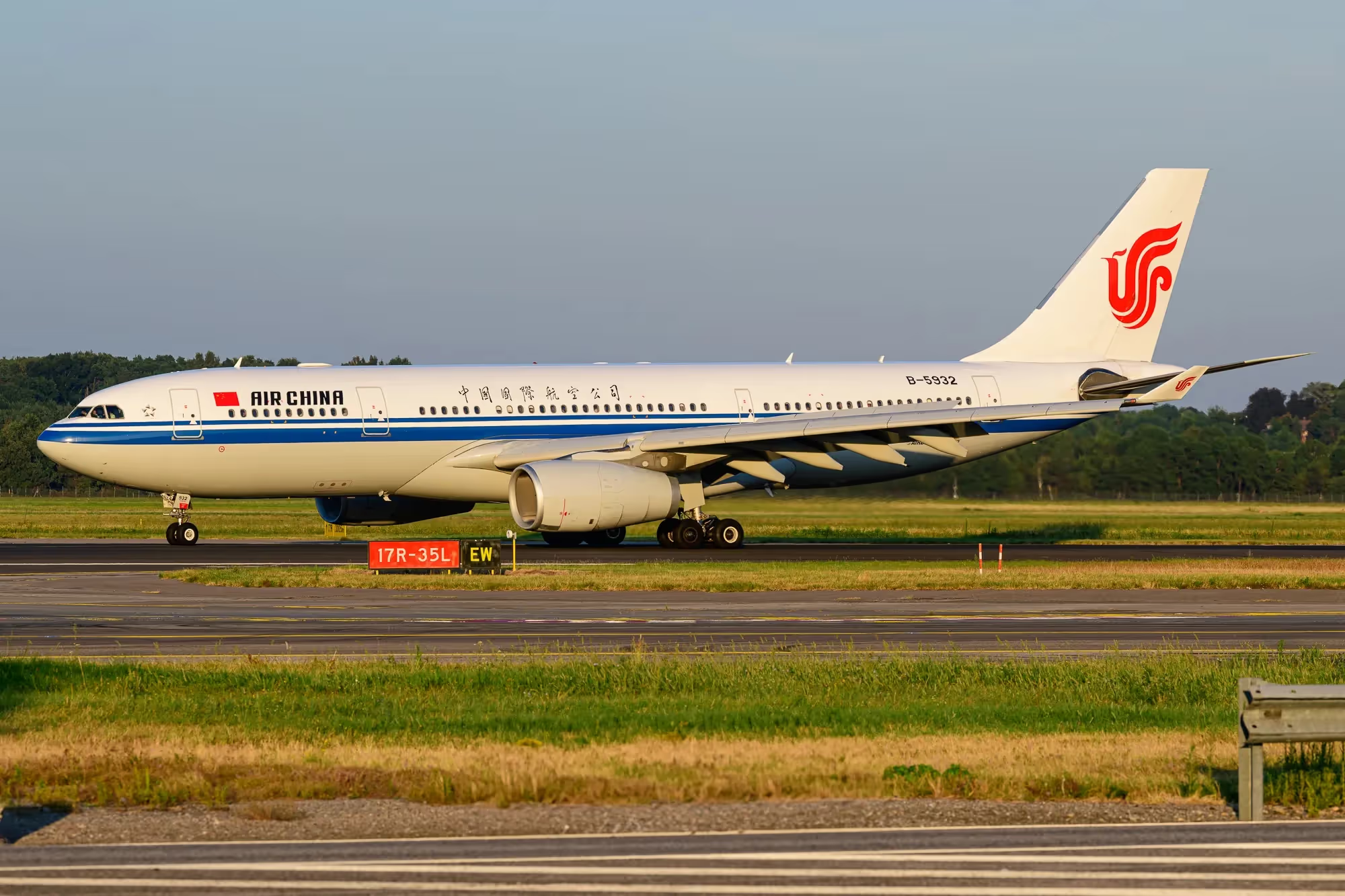
The operation includes two Airbus A320 passenger charters and one Airbus A330 cargo flight, scheduled across June 25 and 26. Together, the flights will transport approximately 300 rescuers and 50 tonnes of humanitarian cargo, including search-and-rescue equipment and food supplies.
A three-flight emergency operation
The passenger charters will carry Salvadoran rescue workers and other specialized support personnel, while the A330 freighter will transport the bulk of the relief supplies.
Avianca said it has been coordinating with Venezuelan authorities, governments across the region, and humanitarian partners since the first reports of the emergency. The airline said it has placed its fleet, route network, and operational resources at the disposal of authorities and aid organizations responding to the disaster.
The carrier did not identify the Venezuelan airport or airports serving the humanitarian flights.
That detail is significant because scheduled passenger operations at Simón Bolívar International Airport (CCS) in Maiquetía remain suspended after earthquake damage affected the airport complex. Humanitarian flights may be handled under different operational arrangements, depending on infrastructure availability, airport inspections, and government authorization.
Commercial service remains suspended
The humanitarian airlift comes as Avianca’s regular Bogotá (BOG)–Caracas service remains disrupted.
Avianca cancelled its June 24 AV122 flight and cancelled AV123, AV142, and AV143 on June 25. The airline has activated a flexibility policy for passengers booked to or from Caracas through July 1, allowing eligible travelers to rebook, request a refund, or reroute through Cúcuta (CUC).
The contrast is notable: while commercial passenger flights remain paused pending airport and operational assessments, aviation is still being used to move responders, medical personnel, equipment, and supplies into the country.
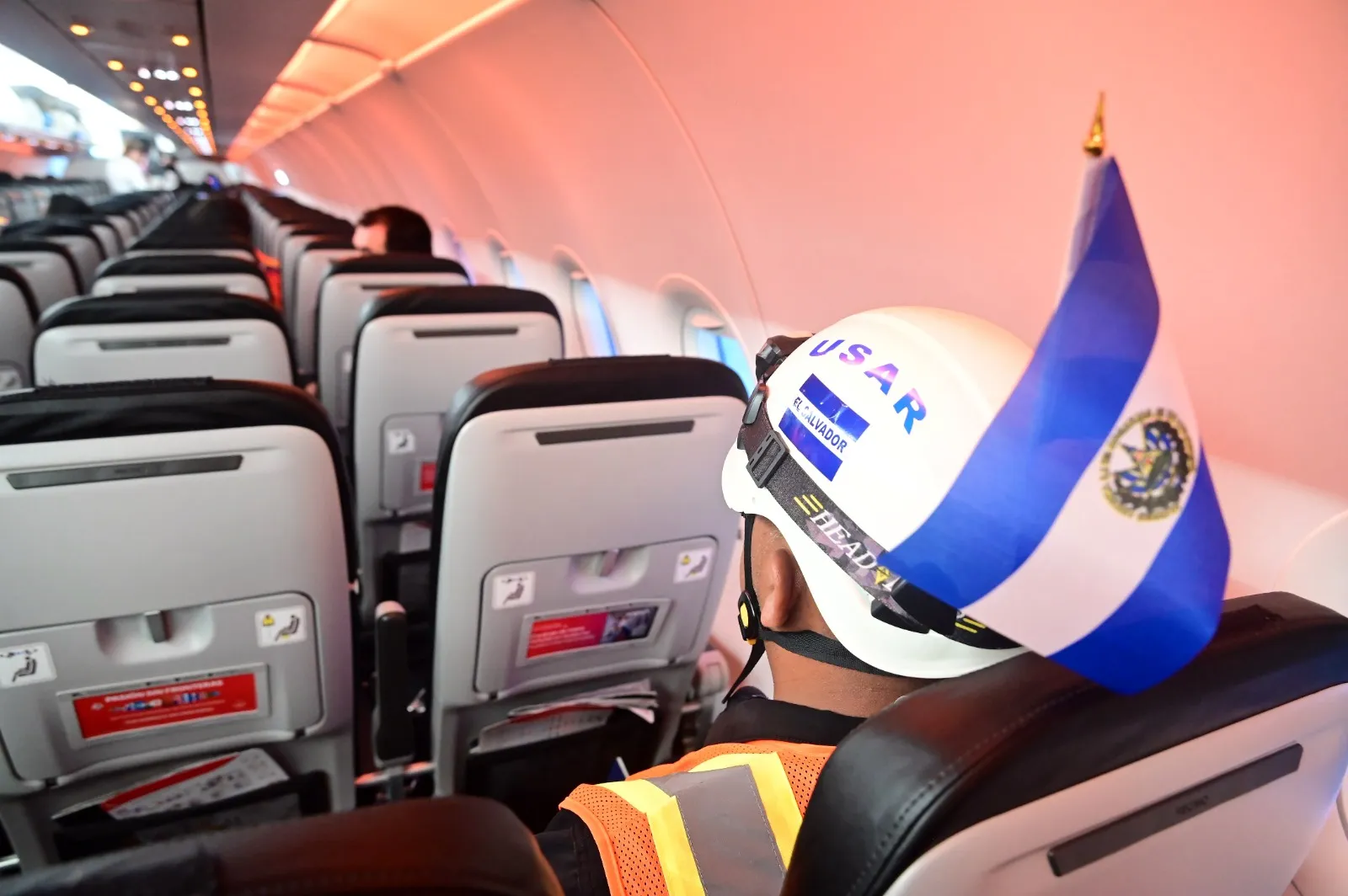
From flight cancellations to air bridge ops
The deployment is part of a broader pattern in which airlines shift from scheduled operations to emergency logistics after natural disasters.
Passenger aircraft can move large groups of responders quickly, while freighters can carry heavy, time-sensitive cargo that would be difficult to transport overland. In this case, the A320 charters provide personnel lift, while the A330 cargo aircraft gives the operation capacity for rescue gear, food, and other relief material.
Avianca said the effort builds on earlier emergency-response operations it has supported in Costa Rica and Jamaica.
The humanitarian flights show that the aviation response to Venezuela’s earthquake is no longer only about cancellations and damaged infrastructure. It is also about how quickly airlines, governments, and aid organizations can create an air bridge for the people and material needed on the ground.
For Venezuela, that capability is particularly important because the damage to CCS has interrupted the country’s main international gateway just as scheduled international service was beginning to recover. The ability to keep emergency flights moving—whether through Maiquetía under restricted conditions or through alternative airports—may become essential in the first days of rescue and relief operations.
The immediate aviation question is therefore twofold: when commercial operations can safely return, and whether humanitarian capacity can continue reaching the areas that need it most.
Featured image: Luca Flores/Airways



.avif)