



ATLANTA — The U.S. Centers for Disease Control and Prevention (CDC) has issued an order requiring passengers on international flights to the United States to declare that they have not been in the Democratic Republic of the Congo (DRC) during the preceding 21 days.
The requirement applies to flights departing foreign countries at or after 23:59 EST on November 3, 2026. Airlines must review each declaration before boarding and refuse passengers who do not provide a completed, signed attestation, unless exempt.
Under the CDC's passenger and airline instructions, the requirement includes U.S. citizens, permanent residents and travelers connecting through the United States to another country. Commercial services, general aviation and private aircraft are covered, including departures from airports with U.S. preclearance.
Digital Declarations at Check-In
The agency recommends collecting declarations at check-in or boarding at the last foreign departure airport before the United States. Airlines may use paper forms, authenticated digital signatures or electronic checkboxes. For digital attestations, operators must be reasonably certain that only the passenger or an authorized representative can access the data-entry process.
CDC encourages carriers to add the declaration to passenger check-in websites or reservation applications. The instructions say attestations should not be transmitted through the Advance Passenger Information System, the separate channel used for passenger information.
The passenger attestation form requires a separate declaration for each traveler. A parent or other authorized person can sign for someone under 18, while an authorized representative may act for a passenger unable to complete it independently.
An airport connection in the DRC counts as presence even if the passenger stays aboard the aircraft. Overflights are excluded. The signed order counts the departure day as Day 0 and permits boarding a U.S.-bound flight on Day 22.
Records and Existing Restrictions
Operators must retain declarations for at least 42 days and provide them to the U.S. government on request. There is a difference between the published documents: the signed order measures retention from departure, while the technical instructions measure it from arrival.
The order exempts operators transporting Ebola patients with U.S. government authorization and in accordance with CDC guidance. Individuals may also receive CDC exemptions on humanitarian or other important government grounds. The order is scheduled to run until December 18, 2026, unless rescinded or modified earlier.
The declaration adds documentation to existing restrictions on travelers recently present in the DRC. Those restrictions already prevent travelers, including Americans, from boarding U.S.-bound flights within the specified period after leaving the country. The signed order says it supplements earlier Ebola orders.
Airways previously covered the expansion of Ebola entry screening in May. The new requirement brings declaration collection to foreign departure points across U.S.-bound international flying, including passengers whose journeys did not involve the DRC.
In its October 22 outbreak update, CDC said no Ebola cases associated with this outbreak had been reported in the United States and that the overall risk to the American public and travelers remained low.
Reuters reported October 22 that CDC would brief major U.S. and foreign airlines on October 23 about compliance. The agency's published instructions provide collection options but do not quantify any effect on boarding times.
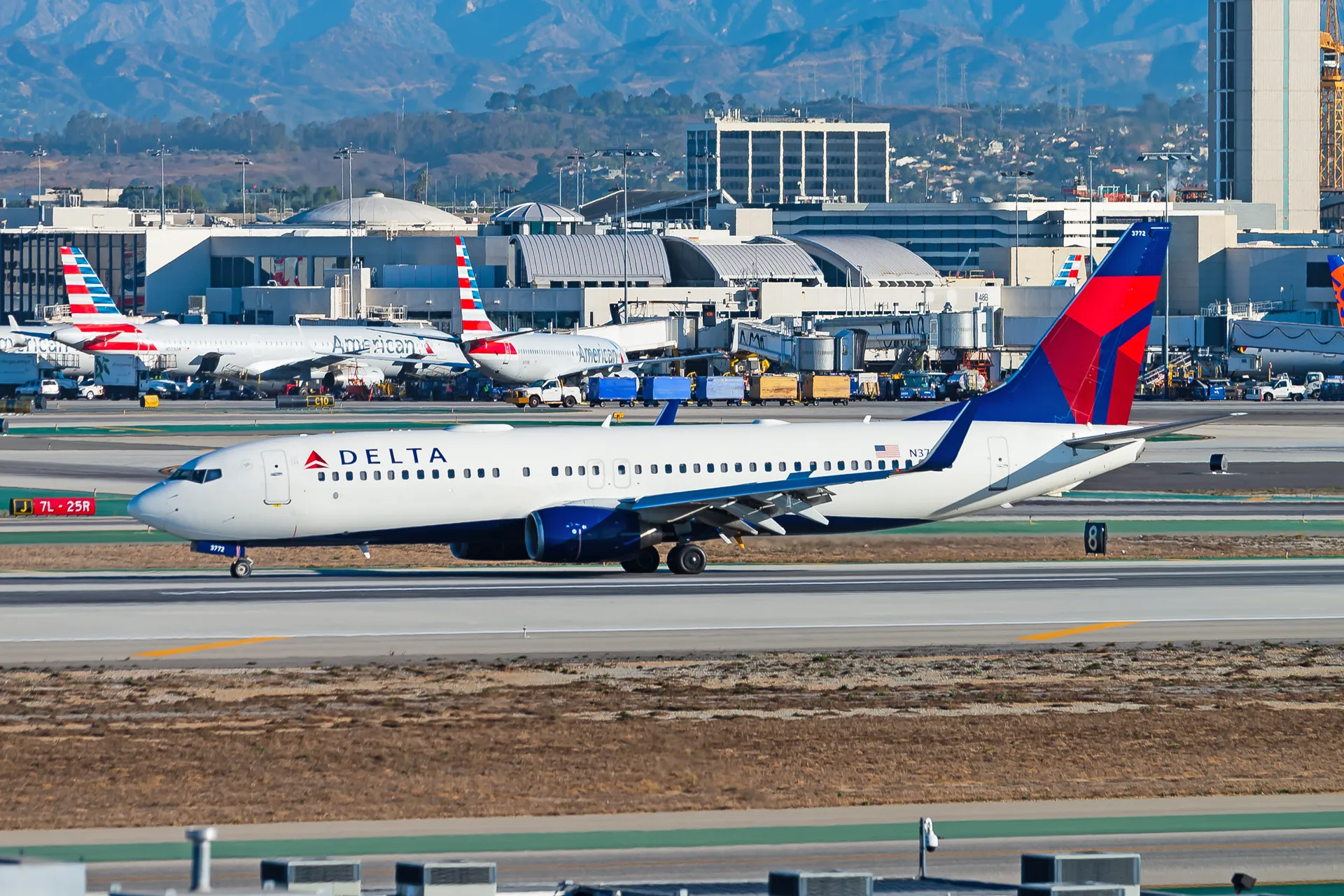
Featured image: Traveler at John F. Kennedy International Airport (JFK), July 1, 2026. Photo: Helwing Villamizar/Airways