


.webp)
.webp)

TEL AVIV — El Al Israel Airlines (LY) reported weak headline results for Q1 2026: revenue fell 27%, the carrier posted a net loss of US$67 million, and EBITDAR dropped from US$213 million to US$16 million. But the numbers reflected an external shock rather than structural deterioration.
What actually happened at Ben Gurion
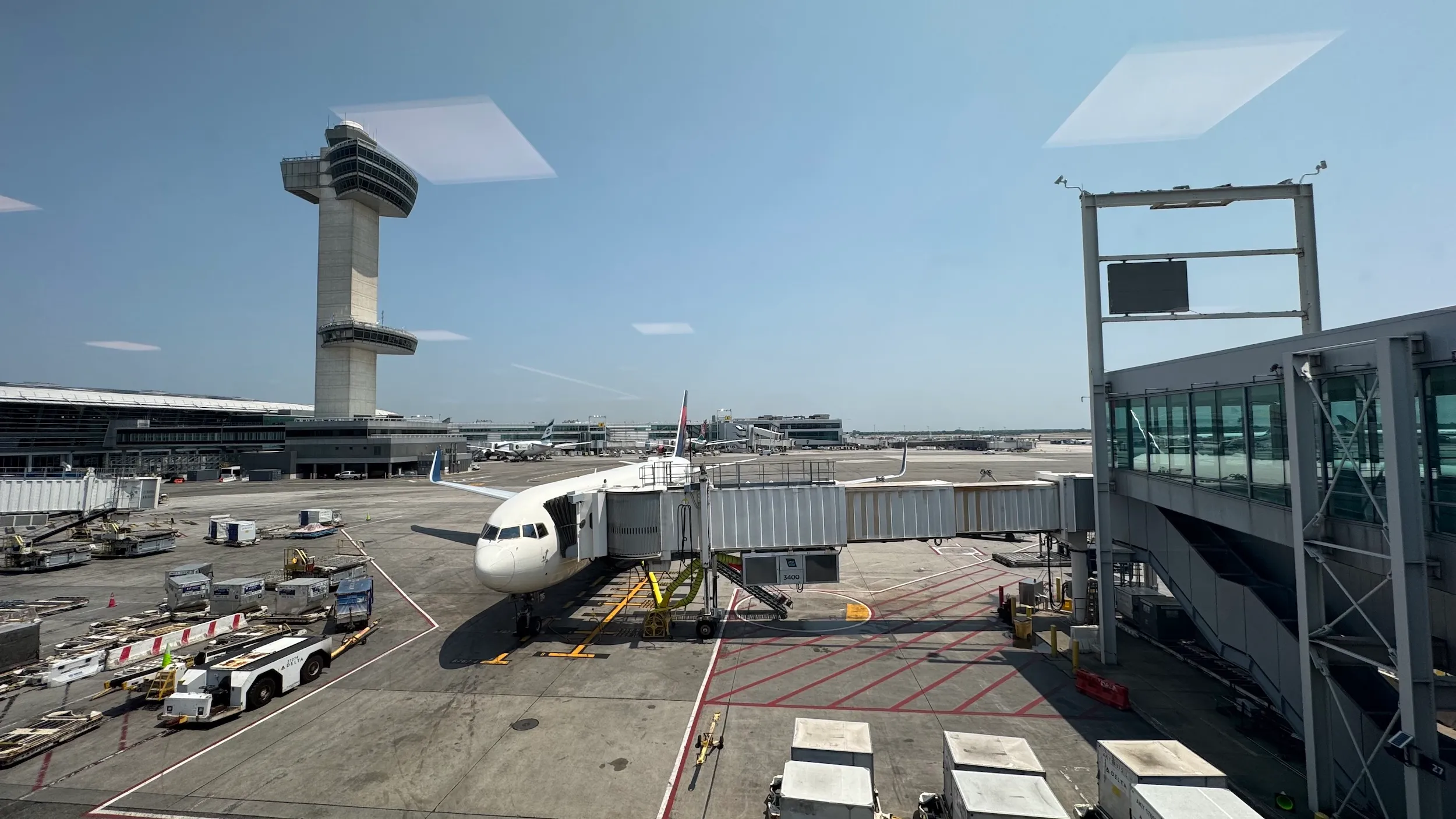
Understanding the quarter requires understanding the impact of Operation Roaring Lion on Ben Gurion International Airport (TLV). Hostilities escalated after U.S. and Israeli strikes on Iran on February 28, prompting Iranian drone and missile attacks. TLV closed to traffic, and Israel’s Transport Ministry extended the shutdown through mid‑April. The result was roughly 40 days of near‑total stoppage at Israel’s main international gateway.
The disruption spread across the region. IATA data showed Middle Eastern carriers’ March 2026 traffic down 60.8% year over year, capacity down 56.9%, and load factor at 67.8%, a 6.6‑point drop from March 2025. IATA attributed the decline to widespread airspace closures. Cirium estimated that about five million passengers were affected by cancellations between February 28 and March 11 alone.
El Al quantified its own hit clearly. CFO Gil Feldman said the after‑tax operational impact reached about US$145 million, built from a potential pre‑tax loss of roughly US$4 million per day, Aviation Services Law provisions, one‑time costs, and lost profit. About US$90 million fell in Q1, with the remaining US$55 million rolling into Q2 as operations restarted in April.
Operational flexibility is the real story
The more telling figure is the balance sheet. El Al held about US$1.9 billion in available liquidity and net cash exceeding debt by roughly US$734 million. That cushion reflects several years of disciplined capital management that produced net profits of about US$410 million in 2025 and US$545 million in 2024.
Demand also rebounded quickly. April ticket sales reached about US$560 million, a monthly record, and forward bookings at the end of April totaled US$1.2 billion. Even during the disrupted quarter, with rescue flights capped by security rules, El Al still posted an 83% load factor—nearly matching IATA’s global March figure of 83.6%.
CEO Levy Halevy said the airline’s strong financial position allowed it to operate responsibly and maintain stability through the crisis. The company also used the period to finalize long‑term agreements with both the Workers’ Union and the Pilots’ Committee, securing labor stability during a difficult stretch.
Fuel hedging provided some protection, though fuel remained a challenge. IATA Director General Willie Walsh warned that jet‑fuel supply shortages could emerge in regions dependent on Gulf production, including Asia and Europe—an issue that carries particular weight for a carrier based inside the conflict zone driving those pressures.
The competitive landscape is shifting
El Al is projected to hold about 28% of Israel’s seat capacity in the first half of 2026, keeping it the country’s largest airline. But international carriers are returning, and low‑cost competition is intensifying. Wizz Air (W6) has become Israel’s largest non‑local operator and is pursuing base rights at TLV and Eilat (ETH).
A Wizz Air base at TLV would represent more than added low‑fare capacity. It would bring permanent ULCC infrastructure from a carrier known for accepting thin margins to secure long‑term share. Domestically, Arkia Israeli Airlines (IZ) launched Tel Aviv–New York (JFK) service in early 2025 after receiving FAA approval, and Israir (6H) is targeting similar long‑haul routes.
During the conflict, foreign airlines suspended service, giving El Al pricing power in a constrained market. But high fares pushed more Israelis toward carriers like Emirates (EK) and Etihad (EY), which continued operating.
The Isracard deal and the loyalty pivot
A notable element of the Q1 announcement is the new 10‑year agreement transferring Fly Card activity to Isracard. The deal is expected to contribute about NIS 1 billion, or roughly US$270 million, over the term. With 528,000 cardholders, the program provides recurring revenue insulated from fuel prices, airspace closures, and competitive shifts.
The bottom line
El Al enters the summer with a solid financial base, a clear fleet plan and a loyalty program that provides stable revenue. The Aviation Services Law, often seen as a burden, also ensures that the airline remains the national carrier in moments when foreign airlines withdraw.
The main risks are competitive normalization and the possibility of Boeing delivery delays. As international capacity returns, yields will fall. The cost of airspace closure remains a structural exposure. And the global airline sector continues to earn less than its cost of capital, which limits long‑term returns for every carrier, not just El Al.
Even so, the airline has come through a period that included a pandemic, repeated conflict disruptions and a six‑week shutdown of its home airport. The next 18 months will show whether it can turn the post‑conflict surge in demand into lasting market share before low‑cost carriers deepen their presence and the temporary advantages of scarcity fade.
Featured image: Daniel Gorun/Airways



.avif)