

For decades, airlines and manufacturers have chased the same elusive goal: a commercial aircraft capable of flying nearly 10,000 nautical miles without stopping. On 2 June 2026, that ambition moved closer to reality when Airbus’s A350-1000ULR lifted off from Toulouse for the first time—quietly beginning a certification campaign that could redefine the limits of long‑haul travel.
The aircraft, developed for Qantas’s (QF) Project Sunrise, is designed to connect cities such as Sydney (SYD) and London Heathrow (LHR) nonstop. The challenge has always been the same: carrying enough fuel for a 22‑hour mission while still transporting a commercially viable number of passengers.
International travel demand continues to grow, especially in the Asia‑Pacific region, where IATA projects traffic to expand 7.3% in 2026, outpacing the global forecast of 4.9%. That momentum underpins Qantas’s belief that a premium market exists for passengers willing to pay to avoid stopovers on the world’s longest routes. Against this backdrop, Airbus secured the Project Sunrise program in 2022 after Boeing’s 777X delays, with Qantas ordering 12 A350‑1000ULR aircraft and making Airbus the sole supplier for the initiative.
The structural change that makes It possible
The defining modification of the A350‑1000ULR is a permanent rear center tank integrated into the fuselage. This structural addition increases fuel capacity by about 20,000 liters, pushing total capacity beyond 170,000 liters and extending range by roughly 1,000 nautical miles.
Because the tank is built into the airframe, not added as an optional module, it requires full regulatory scrutiny. Certification teams must validate structural loads, fatigue life, fuel system safety and overall performance before approval.
The extra fuel also shifts the aircraft’s center of gravity aft. To keep the aircraft within safe limits over a 22‑hour mission, the new fuel management system must continuously balance fuel across tanks. Testing this architecture—particularly how it behaves at altitude—was a central objective of the first flight.
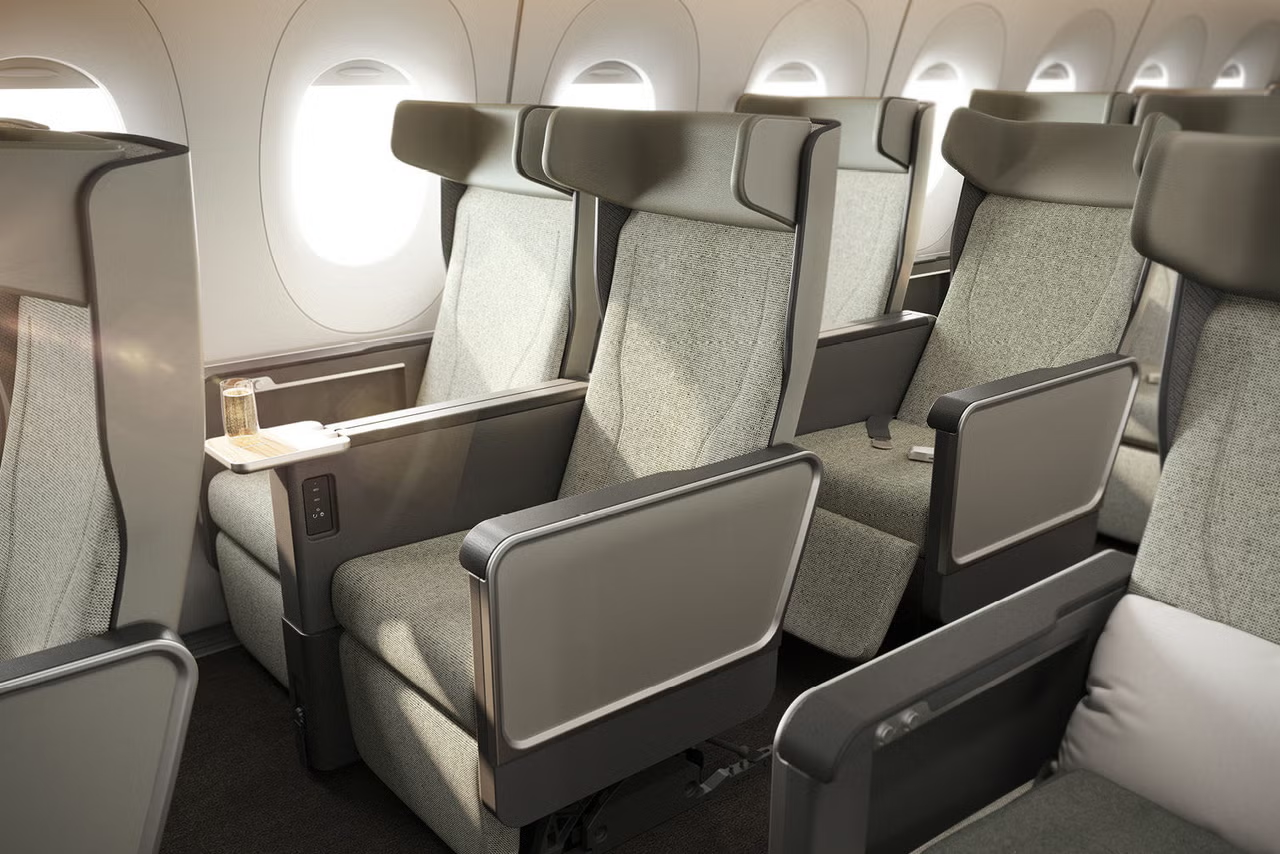
Designing an aircraft for 22 hours in the air
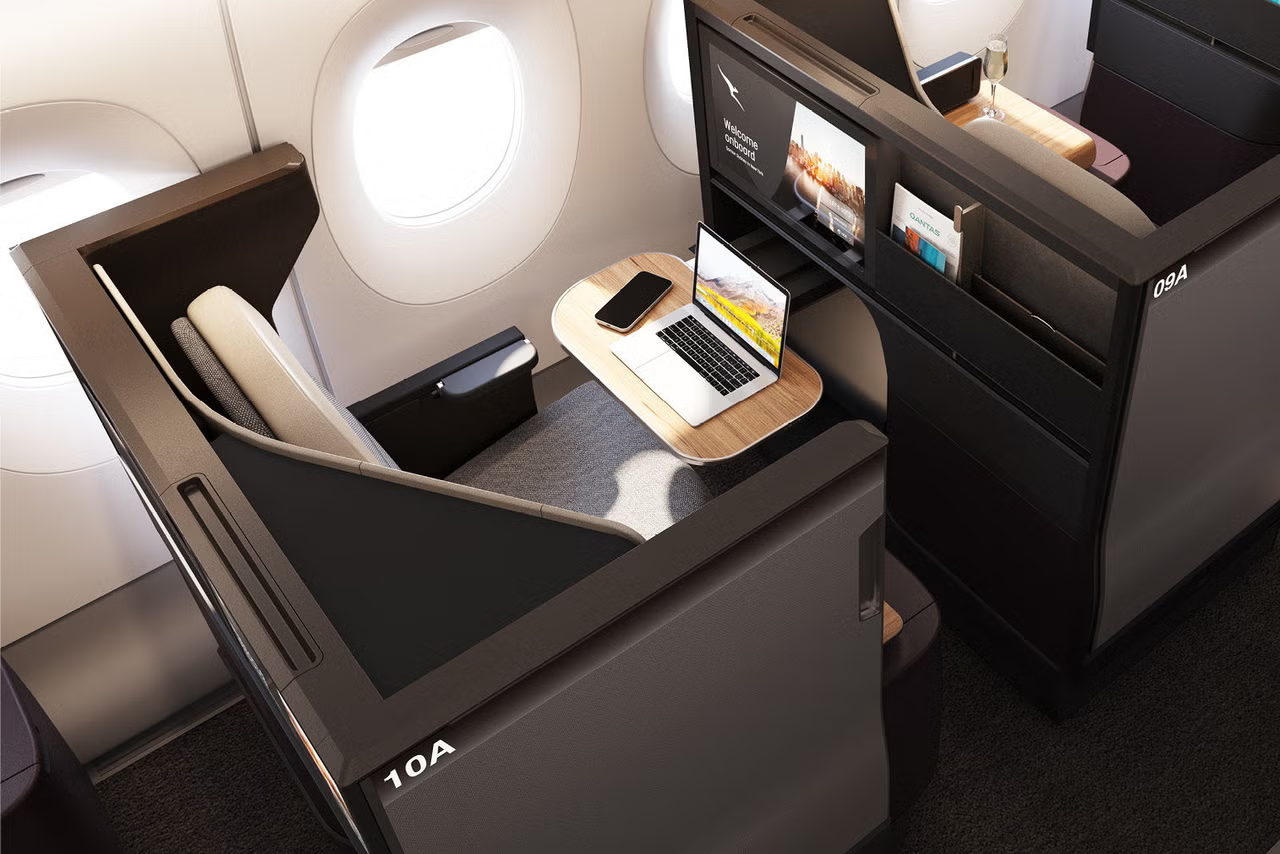
Carrying more fuel means carrying fewer passengers. While a standard A350‑1000 seats more than 300 people, the Qantas configuration will carry 238 to remain within the 322‑tonne maximum take-off weight. The A350’s composite structure—more than 70% carbon‑fiber reinforced materials—makes this feasible by reducing weight and improving fatigue and corrosion resistance.
A 22‑hour flight places unusual demands on catering. Airbus developed a lighter, more efficient galley cooling system to safely store food throughout the entire journey. Every kilogram saved in the galley can be used for fuel or payload.
The A350 already offers a low cabin altitude of around 5,500 feet and humidity levels of 20–23%, both significantly better than older aircraft. For the ULR variant, Airbus is conducting additional testing to ensure temperature, air quality and humidity remain stable throughout extended operations.
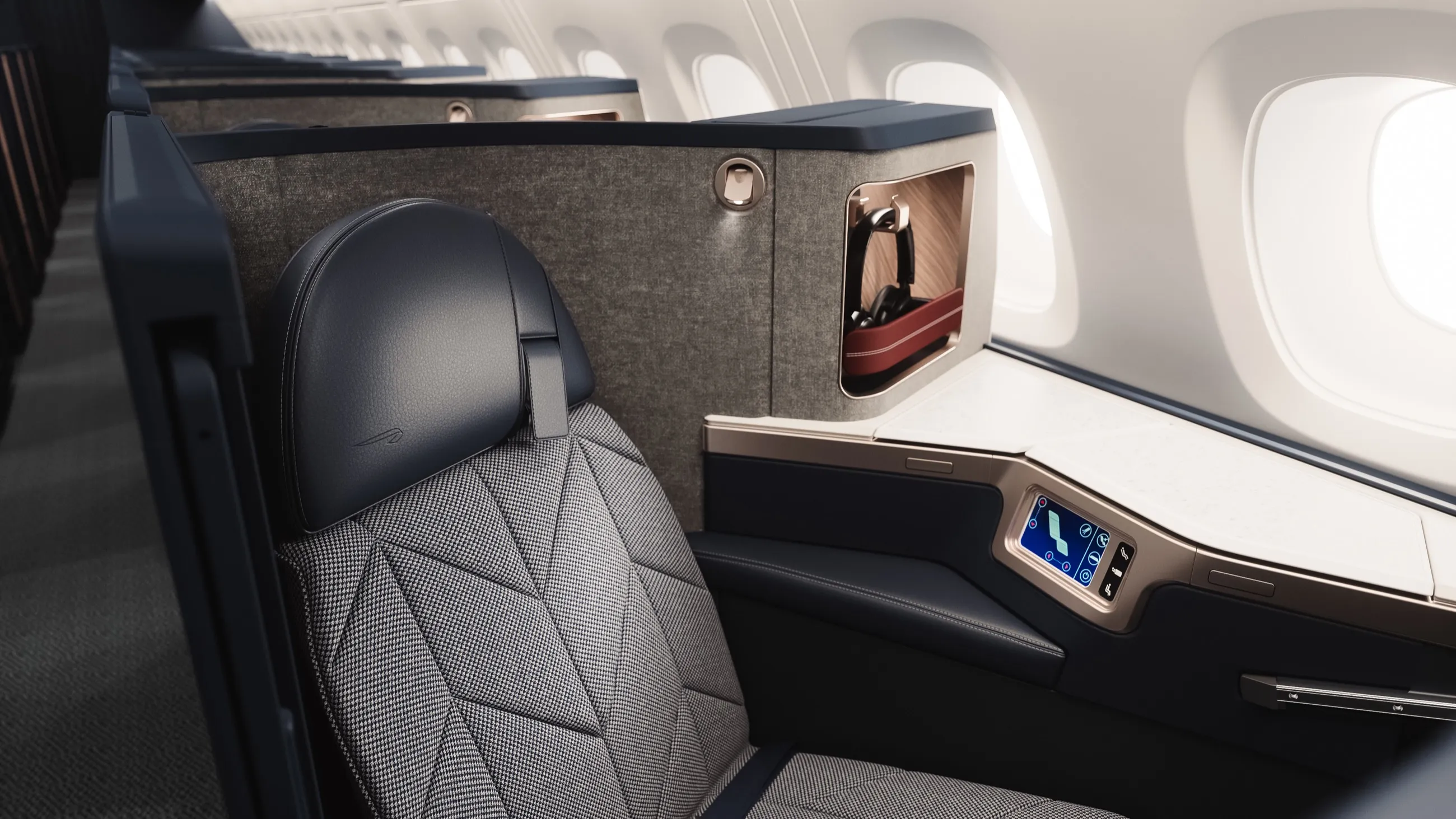
Qantas’s research with the University of Sydney’s Charles Perkins Centre also shaped the cabin design. Studies on lighting, meal timing and movement informed a lighting system intended to support sleep, wakefulness and circadian adjustment over extremely long flights.
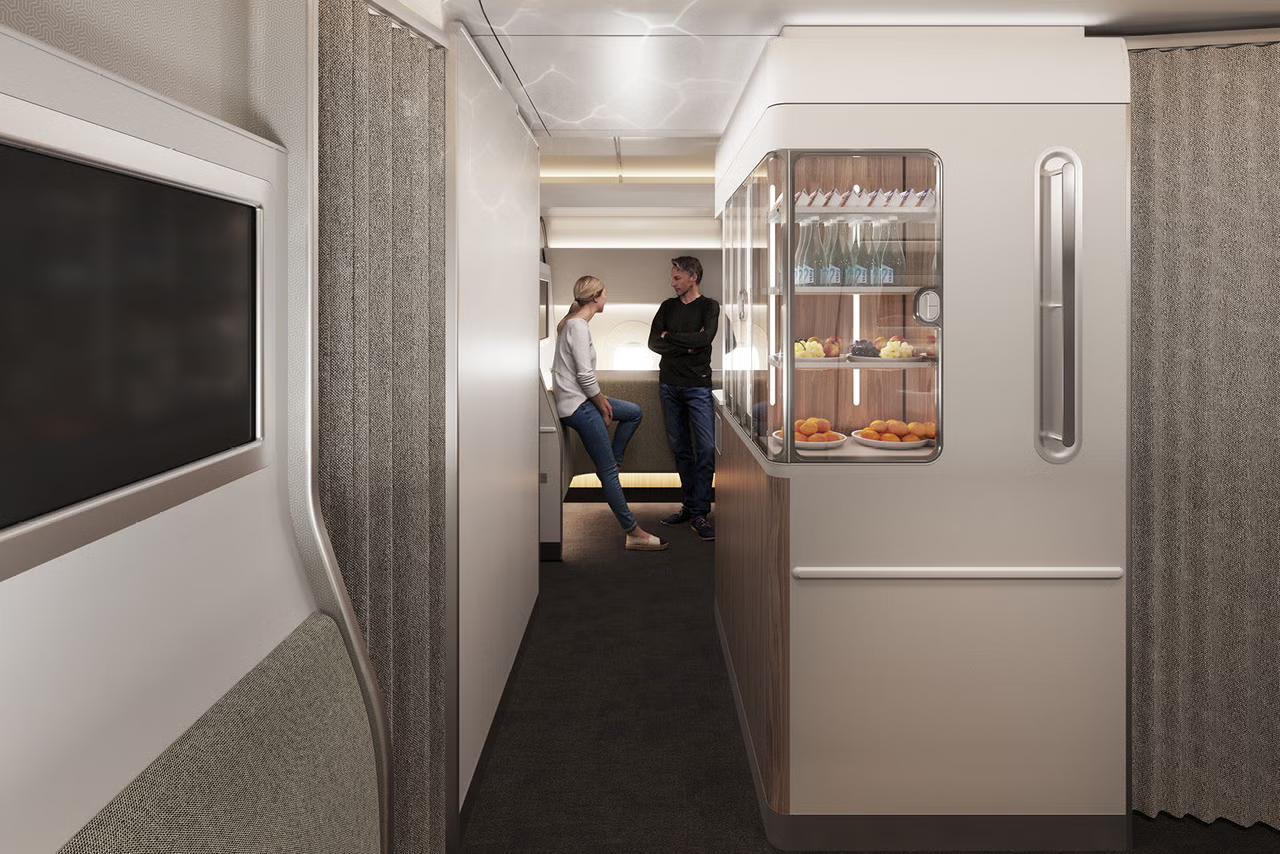
The road to entry into service
The certification campaign will continue for several months, evaluating the aircraft’s fuel system, environmental controls, cooling equipment and overall performance. If successful, the A350‑1000ULR will become the first airliner capable of operating regular nonstop flights between Sydney and London—turning one of aviation’s longest‑standing ambitions into an operational reality.
Featured image: Airbus


.avif)