

.webp)
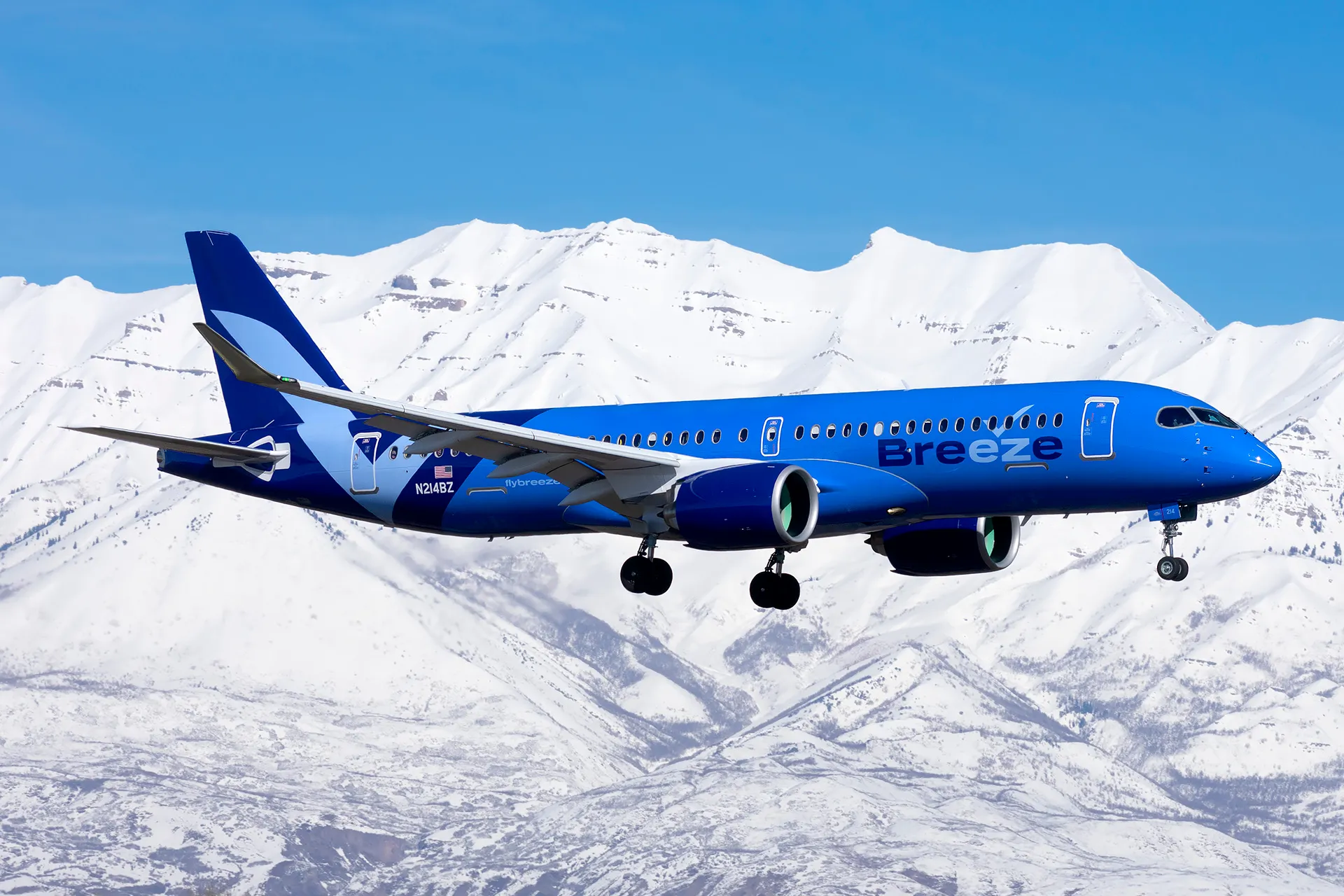

WASHINGTON, D.C. — The U.S. Department of Transportation and the Federal Aviation Administration (FAA) have formalized permanent restrictions on helicopter and powered-lift operations near Ronald Reagan Washington National Airport (DCA), codifying emergency measures adopted after the January 2025 midair collision involving American Airlines (AA) Flight 5342.
U.S. Transportation Secretary Sean P. Duffy said the move fulfills a post-accident commitment to reduce collision risk in one of the nation’s most complex and congested airspace environments. The FAA published an Interim Final Rule (IFR) that implements preliminary safety recommendations from the National Transportation Safety Board (NTSB) and takes effect immediately upon publication.
What the Rule Does
The IFR permanently restricts helicopter and powered-lift operations in specified areas around DCA, except when conducting essential missions. A central provision prohibits certain helicopter operations when Runways 15 and 33 are active—an NTSB-recommended step aimed at eliminating mixed traffic during critical arrival and departure phases.
FAA Administrator Bryan Bedford said the action “locks in” risk-reduction measures introduced right after the crash and reflects continued coordination with the NTSB to prevent a recurrence.
Airspace Changes Already in Force
Alongside the IFR, the FAA detailed a series of operational and procedural changes already implemented around DCA, including:
- Eliminating helicopter and fixed-wing mixed traffic near the airport
- Closing Route 4 between Hains Point and the Wilson Bridge
- Revising military agreements to require ADS-B Out broadcasting
- Discontinuing takeoffs from the Pentagon heliport until procedures and technical issues were addressed
- Ending visual separation within 5 nautical miles of DCA
- Moving helicopter zones and routes farther from DCA flight paths
- Increasing staffing, oversight, and operational support at DCA
In October 2025, the FAA also updated helicopter routes and zones at Washington Dulles International Airport (IAD) and Baltimore/Washington International Thurgood Marshall Airport (BWI) as part of a broader regional review.
Rulemaking Path
The IFR, published today, January 23, 2026, and effective immediately, converts earlier temporary flight restrictions into permanent rules. While the restrictions are now in force, the FAA opened a public comment period and will review submissions before issuing a final rule.
For operators and avgeeks alike, the decision marks a structural shift in how helicopter traffic coexists with fixed-wing operations in the National Capital Region. By formalizing post-crash measures, the FAA aims to reduce complexity around DCA’s tight runway geometry and river visual procedures—setting a precedent for permanent, data-driven airspace constraints in high-risk terminal environments.
Featured image: Jinyuan Liu/Airways



.webp)