

ABU DHABI — In coordination with neighboring Gulf countries, the United Arab Emirates has opened what it calls “safe air corridors,” according to Minister of Economy and Tourism Abdulla bin Touq Al Marri.
The move allows UAE carriers Emirates (EK), Etihad Airways (EY), and flydubai (FZ) to operate higher capacity schedules amid the ongoing conflict in the region. However, details surrounding the plan aren’t exactly clear.
"The capacity as of today, based on the emergency routes available, is 48 flights per hour with a possibility of increasing this figure at a later stage, according to the latest development and security ratings and measures,” said the minister, implying that the UAE has created special emergency air corridors that can handle up to 48 aircraft movements per hour safely.
The corridors were established in conjunction with neighbouring countries and the International Civil Aviation Organization (ICAO) to ensure aircraft safety, with the statement that “airspace safety and human safety will always remain our first priority.”
UAE airlines have begun slowly resuming flights to and from the Gulf country; however, operations remain minuscule compared to normal levels. Just 60 flights operated to or from the UAE from March 1-3, a stark contrast to the over 3,000 EK flights every week typically.
Passengers are urged not to travel to the airport unless they receive communication from the airline that their flight will depart. Though operations have resumed, priority will be given to stranded passengers and crew.
Airplanes, everywhere
Though flights are resuming, the biggest hindrance beyond airspace restrictions will be crew and aircraft availability.
Massive chunks of the UAE airline fleets are still stranded abroad along with their crews.
While not too shabby for flight crews, having their layovers extended, each carrier’s dispatch will have to coordinate irregular schedules and repatriations across its airlines.
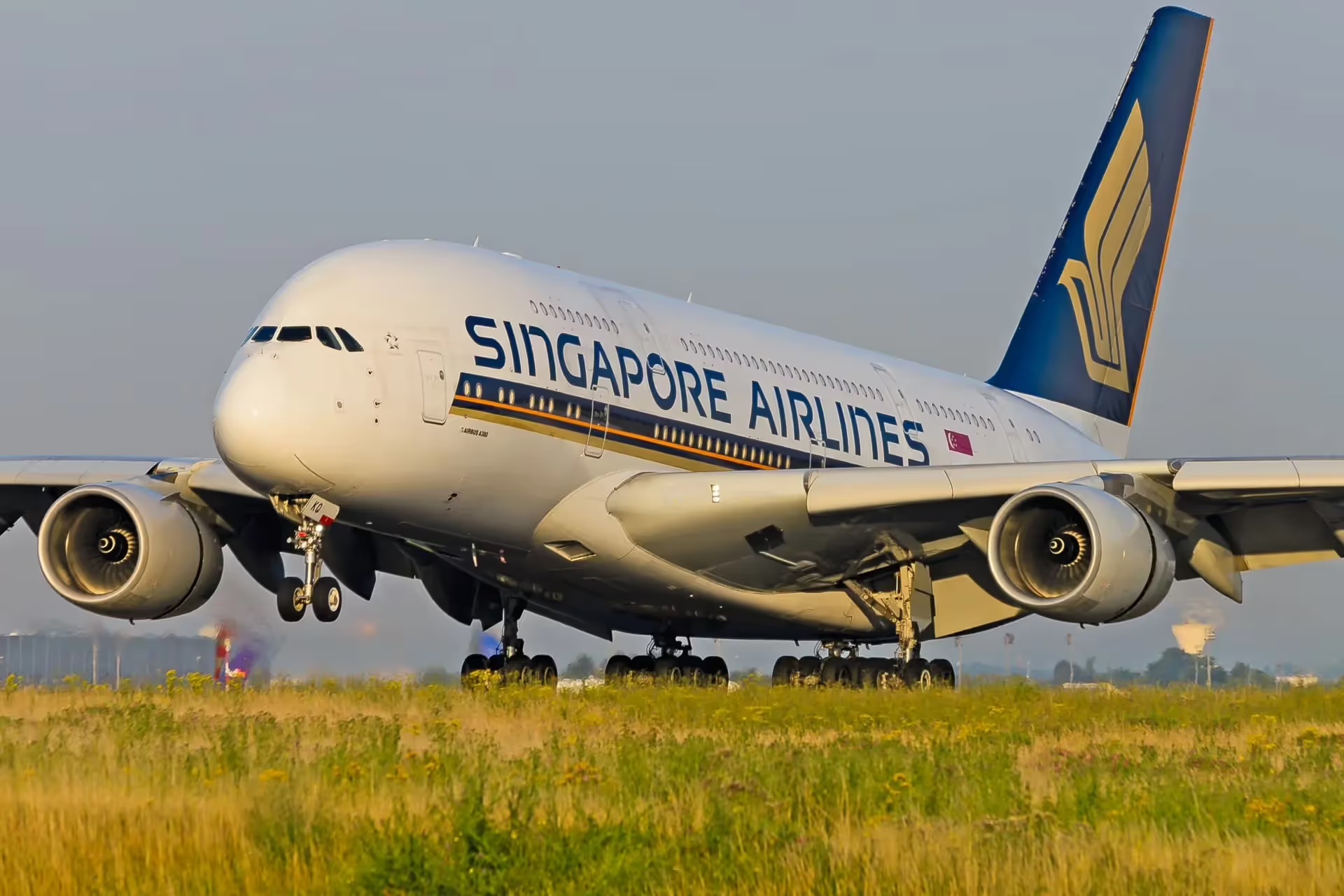
Looking at just Gulf A380s as examples, on Sunday, EK had 37 of 116 super jumbos at their hub in Dubai (DXB), while Etihad had half of their eight at Abu Dhabi (AUH), and Qatar Airways (QR) had just one of their eight in Doha (DOH), according to FlightRadar24.
In fact, Sydney (SYD) and London Heathrow (LHR) had more stranded A380s parked than at Abu Dhabi or Doha, at 5 each, among other aircraft.
Latest airline statements
While the specifics of this logistical feat and the resumption of schedules remain up in the air, it is important for passengers to stay tuned to updates from their airlines before traveling.
Emirates
“All scheduled Emirates flights to and from Dubai remain suspended until 2359hrs UAE time on March 4, due to airspace closures across the region.
Emirates continues to operate a limited number of passenger repatriation and freighter flights on March 3-4. We are prioritizing customers with earlier bookings on these limited flights. Please do not go to the airport unless you have been notified directly by Emirates or hold a confirmed booking for these flights.
Emirates continues to monitor the situation, and we will develop our operational schedule accordingly.”
Etihad
“All Etihad’s scheduled commercial flights to and from Abu Dhabi remain suspended until 14:00 UAE time on Thursday, March 5.
Some repositioning, cargo, and repatriation flights may operate in coordination with UAE authorities and be subject to strict operational and safety approvals.
Guests should not travel to the airport unless they have been contacted directly by Etihad and advised to do so. Access to the airport will be restricted for those without confirmed travel documentation.”
Featured image: Simone Chellini/Airways



.avif)