
.webp)
HELSINKI — On February 24, Finnair (AY) hosted its first international media day in seven years. After learning more about Finnair's strategy with its board, in full Finnish style, we concluded the day by heading to the Sauna and swimming in the frozen sea, a new experience for most of the media delegation and one I will not forget easily.
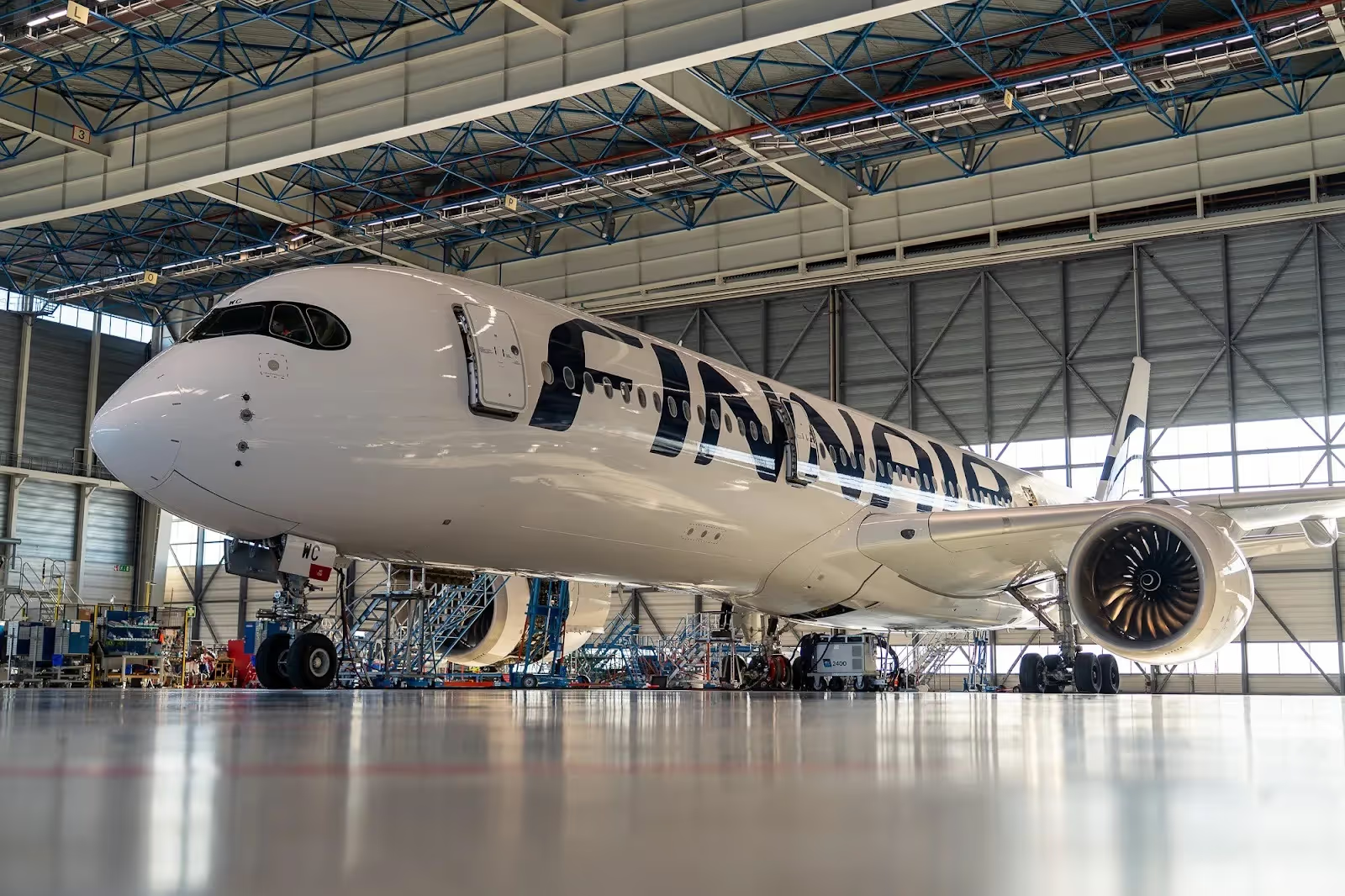
The morning after, Finnair had prepared a special tour of its facilities for the international media delegation. Joined by colleagues, we first headed to AY's hangar 7, airside at Helsinki International Airport (HEL).
About the building
At the time of opening in 1990, the building was the largest in Finland by volume, at over a million cubic meters. Today, it still features Finland's largest sliding doors. Finnair carries out all its maintenance in-house. The airline has developed enough real estate space to accommodate up to 12 airliners in its two hangars.
Finnair can house up to four widebody and eight narrowbody aircraft at the same time. Hangar 7 functions as a parking slot for the airline's fleet of ground vehicles. While both narrowbodies and widebodies often visit these premises, the same does not apply to AY's leased fleet to Qantas (QF), which is handled in Singapore.
The A350 visit
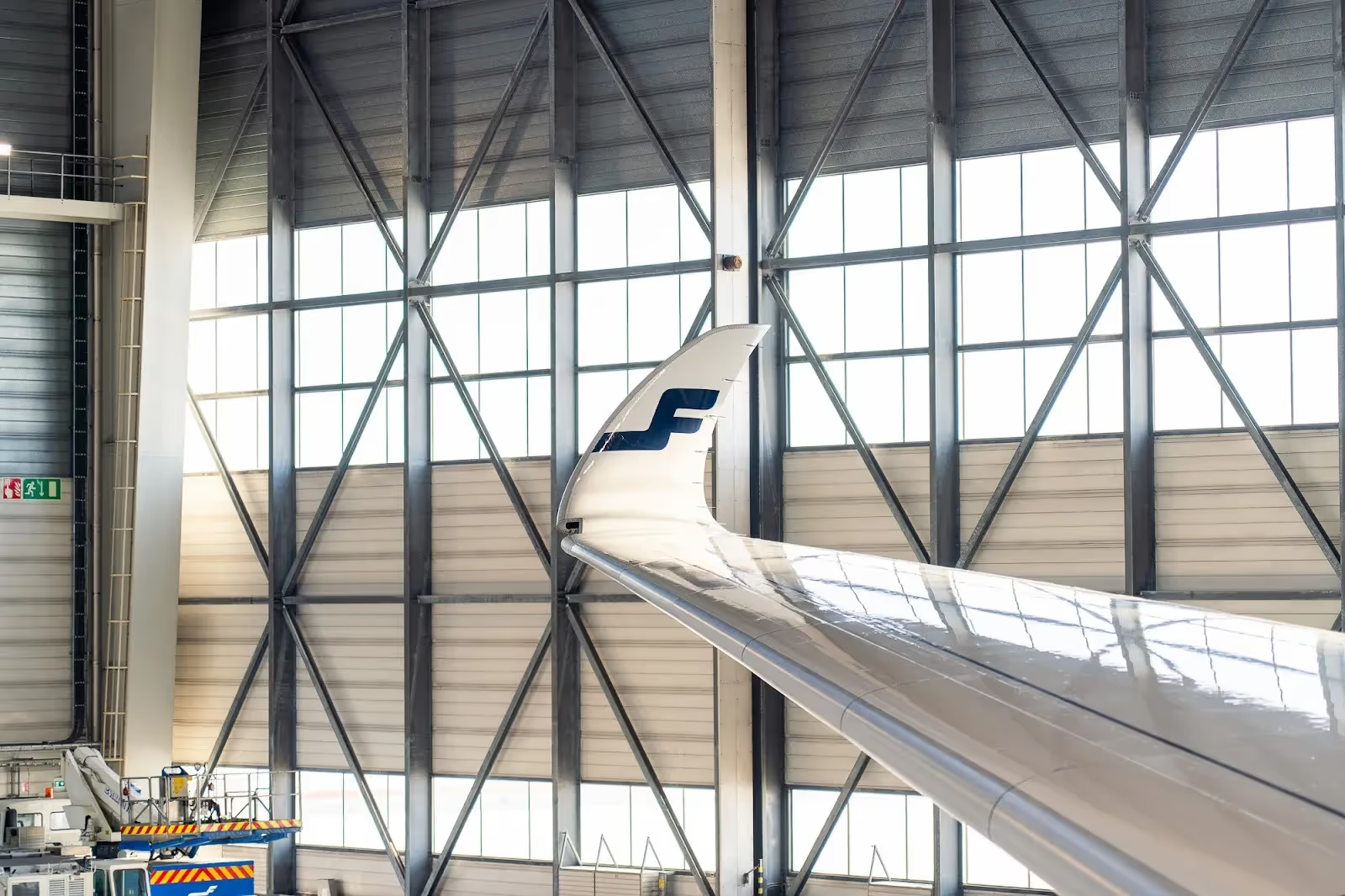
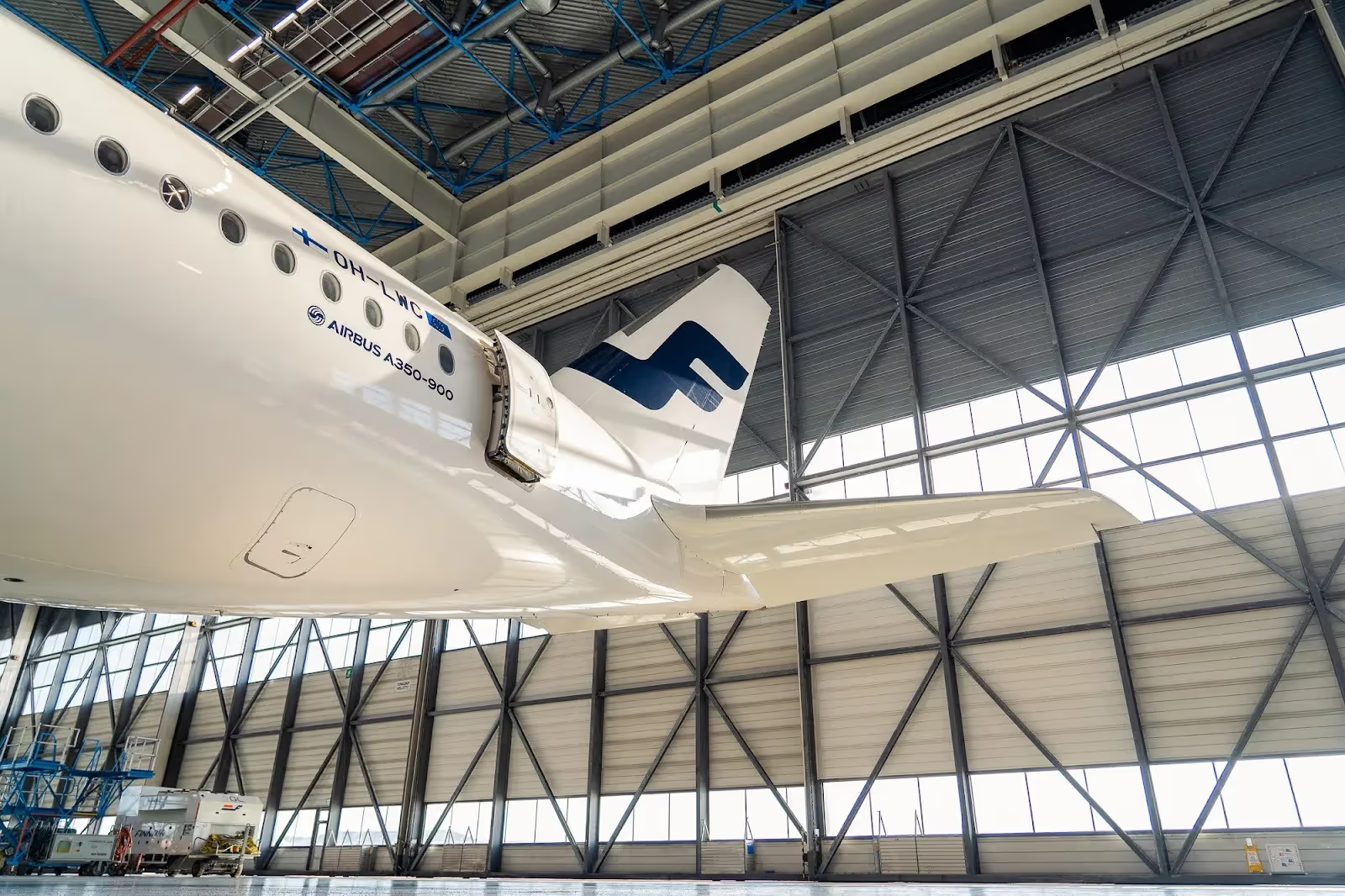
Occupying hangar 7, we found OH-LWC, the third Airbus A350-900 to join AY. The airline was one of the first in Europe to fly Airbus's next-generation widebody back in 2015. More than ten years later, its entire widebody fleet has been refurbished with the brand-new Premium Economy product and the AirLounge Business Class seat.
Finnair's A350-900s are configured in two layouts: "standard one" features 30 Business Class seats, and "Premium Heavy" features 43 Business Class seats. Both layouts feature a similarly sized Premium Economy Cabin, with the Economy Class cabin varying accordingly.
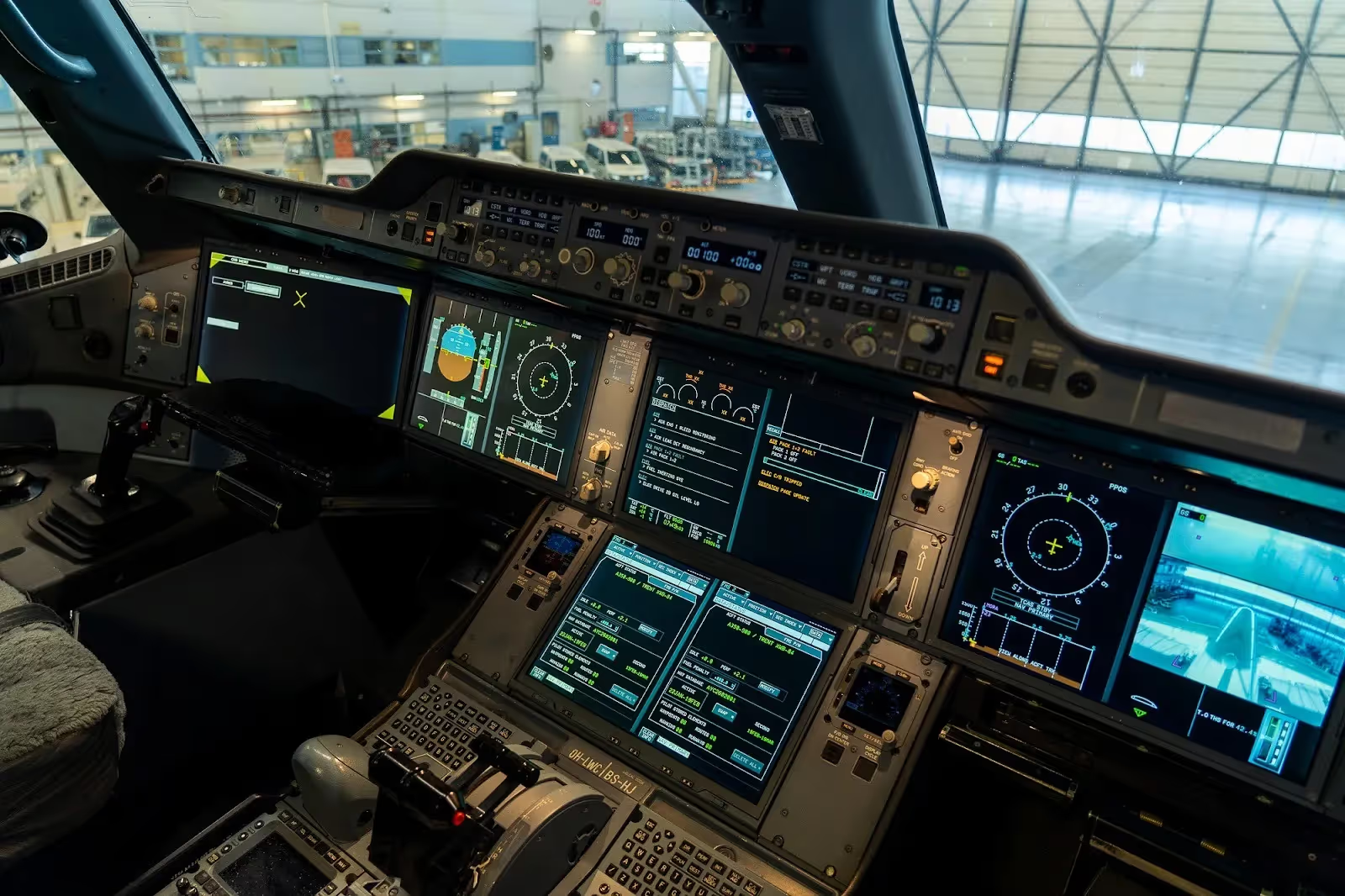
After putting on our mandatory safety equipment, we boarded OH-LWC. The aircraft had landed from Tokyo Haneda (HND) just a few hours before our visit and was scheduled to take off again on the same day. The maintenance check was planned to address minor issues and conduct routine checks. We boarded from the left side, a rarity in commercial aviation, from door 2L. AY's ground staff was busy working on the Economy Class lavatories.
I first headed to the front of the aircraft to explore the flight deck crew rest area. Then it was time to check out what is widely regarded as the best office in the world, the A350 cockpit. The glass cockpit, large screens and spacious seats made me reflect once again on the technological progress that aviation has undergone, and the ingenuity and expertise that made the A350 possible.
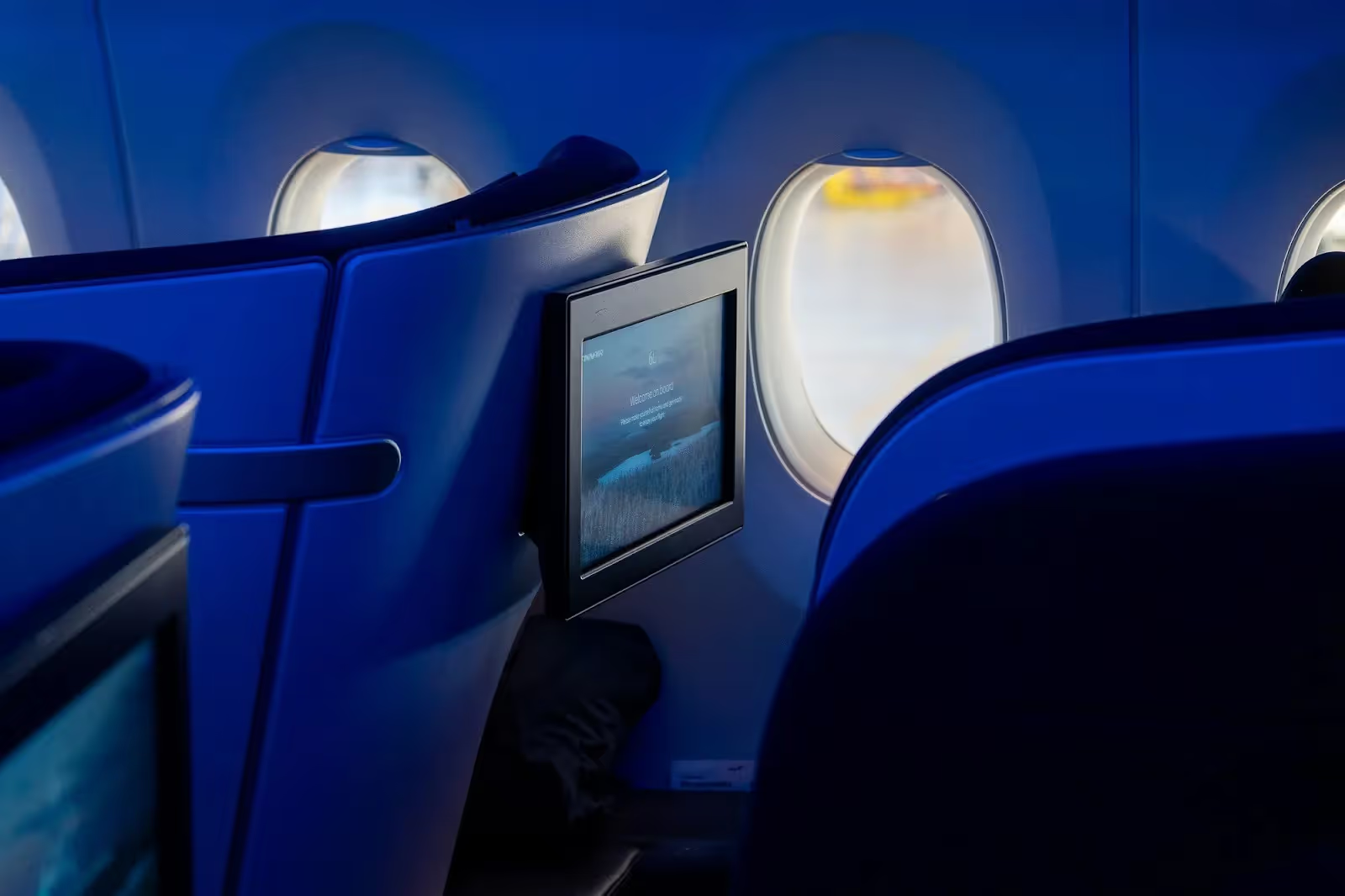
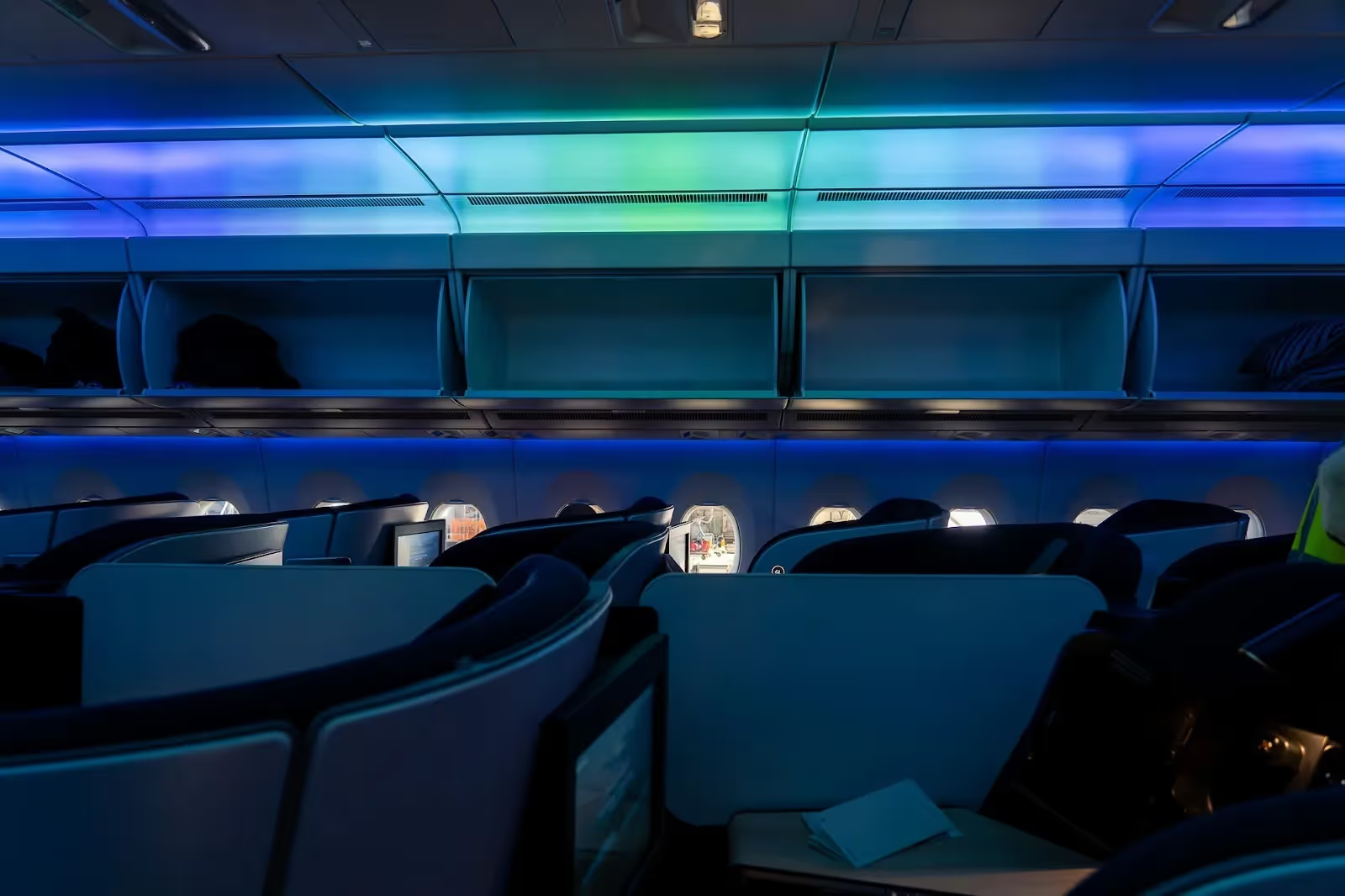
Then I briefly explored the Business Class cabin. Here, Finnair has installed the AirLounge seat. Back in 2022, the design divided the aviation world: some loved it for the large volume and space it offered, while others hated it for the lack of a traditional reclining system.
I have always found it one of the smartest, most optimised seat designs in the world; surely there is room for improvement, yet the sheer space, sense of calm and comfort make the AirLounge one of the best reasons to fly long-haul with Finnair.
Not only is the passenger experience improved, but the airline can also make sizable financial savings from weight reduction, an important detail that helps offset the longer flight times due to the ongoing closure of the Russian Airspace.
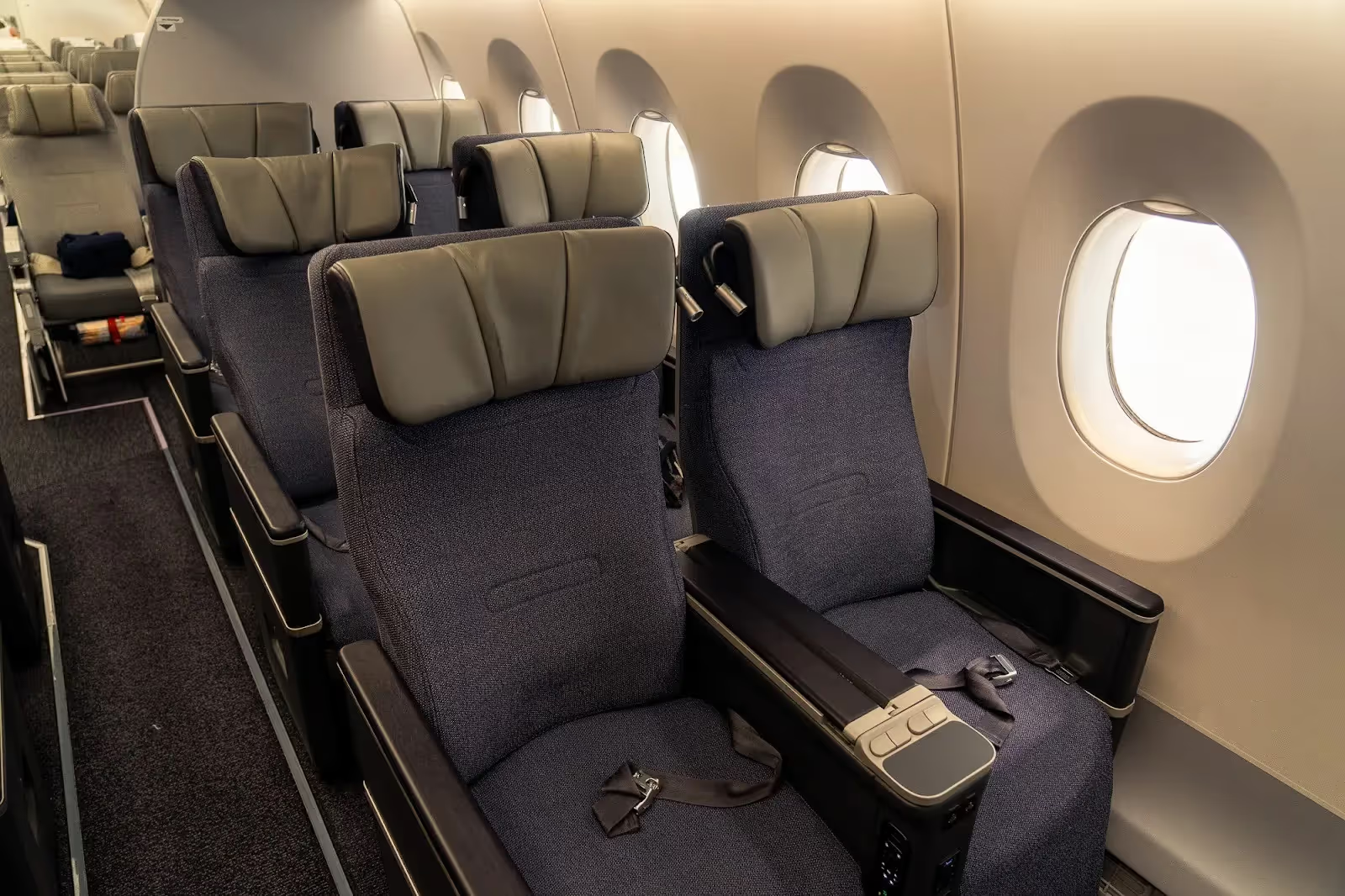
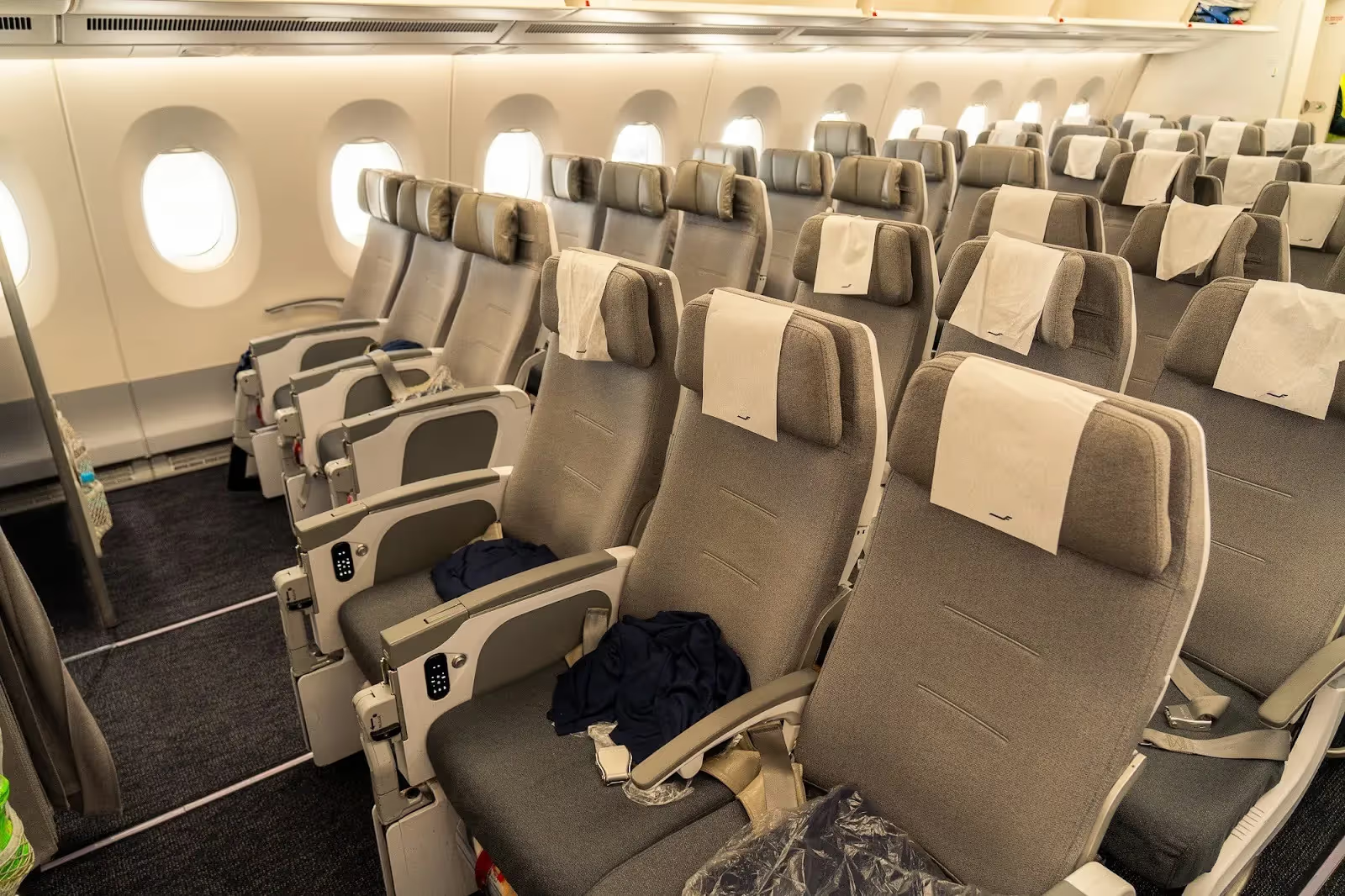
Back, the Premium Economy cabin is configured in a 2-4-2 layout, which is not necessarily the most spacious on the A350. Finnair introduced this product just a few years ago; it features good storage, a large IFE screen, and extended legroom compared to the standard Economy Class cabin.
According to AY's team, the cabin has been widely popular among its customers, confirming a global trend that has proven itself across Asia, the GCC region, and Europe. Particularly after the COVID-19 pandemic, airlines are investing in their premium products, increasing revenue per passenger, and expanding premium cabins. From Cathay Pacific (CX) to SWISS (LX), the trend is clear.
Engine time
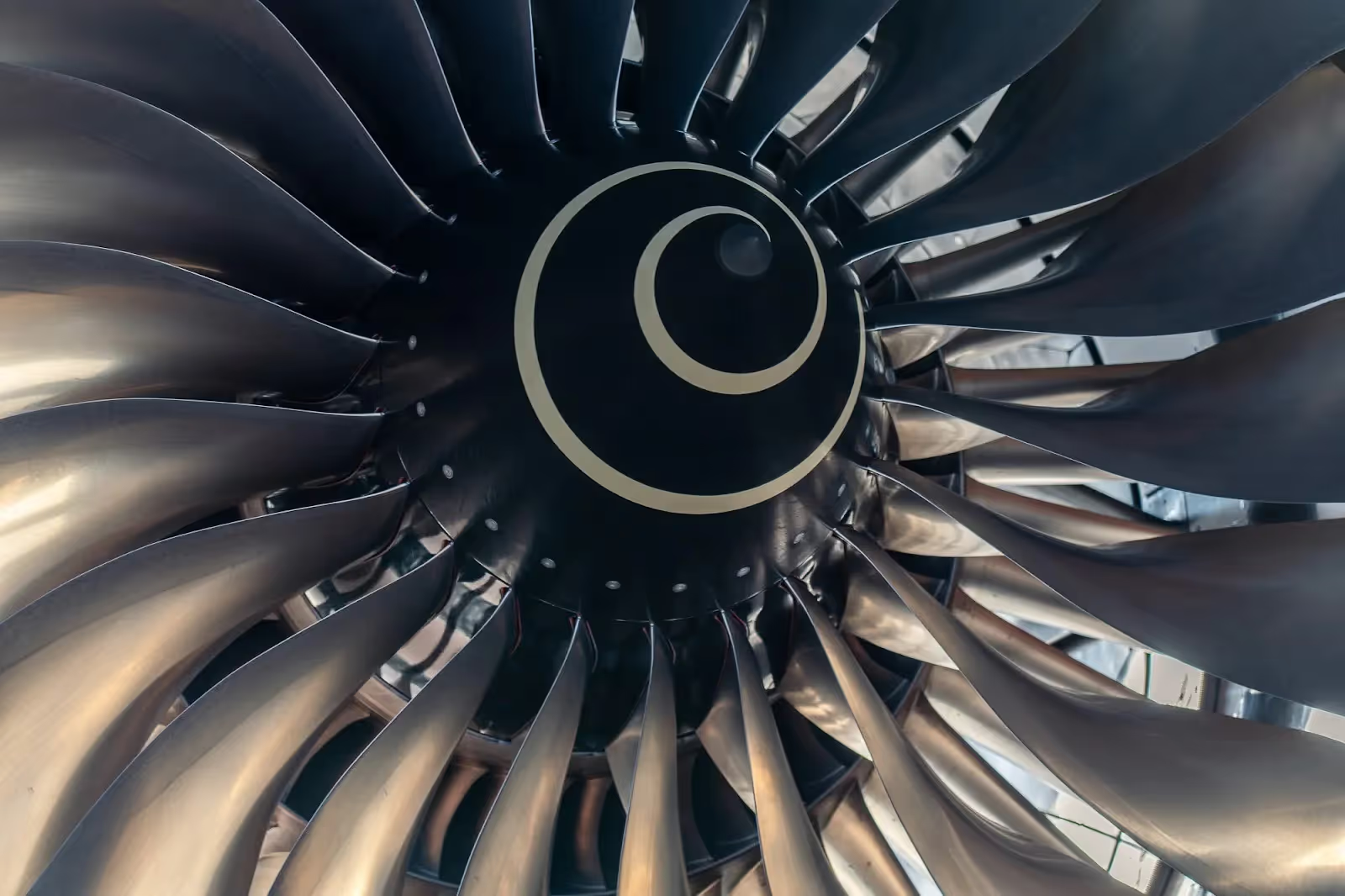
We then deboarded the A350, checking its advanced aerodynamics from up close. While it was not possible to film or take pictures, the right RR Trent XWB 84 engine had been opened for controls. The compressor, combustion chamber, turbine, and nozzle were on display for our eyes to enjoy, fascinating the tour attendees and reminding me of my studies in aerospace propulsion.
The combustion chamber itself has a relatively small cross-sectional area, given the high bypass ratio of RR's flagship widebody engine. It was particularly interesting to discuss the various subsystems with the maintenance team.
Mealtime
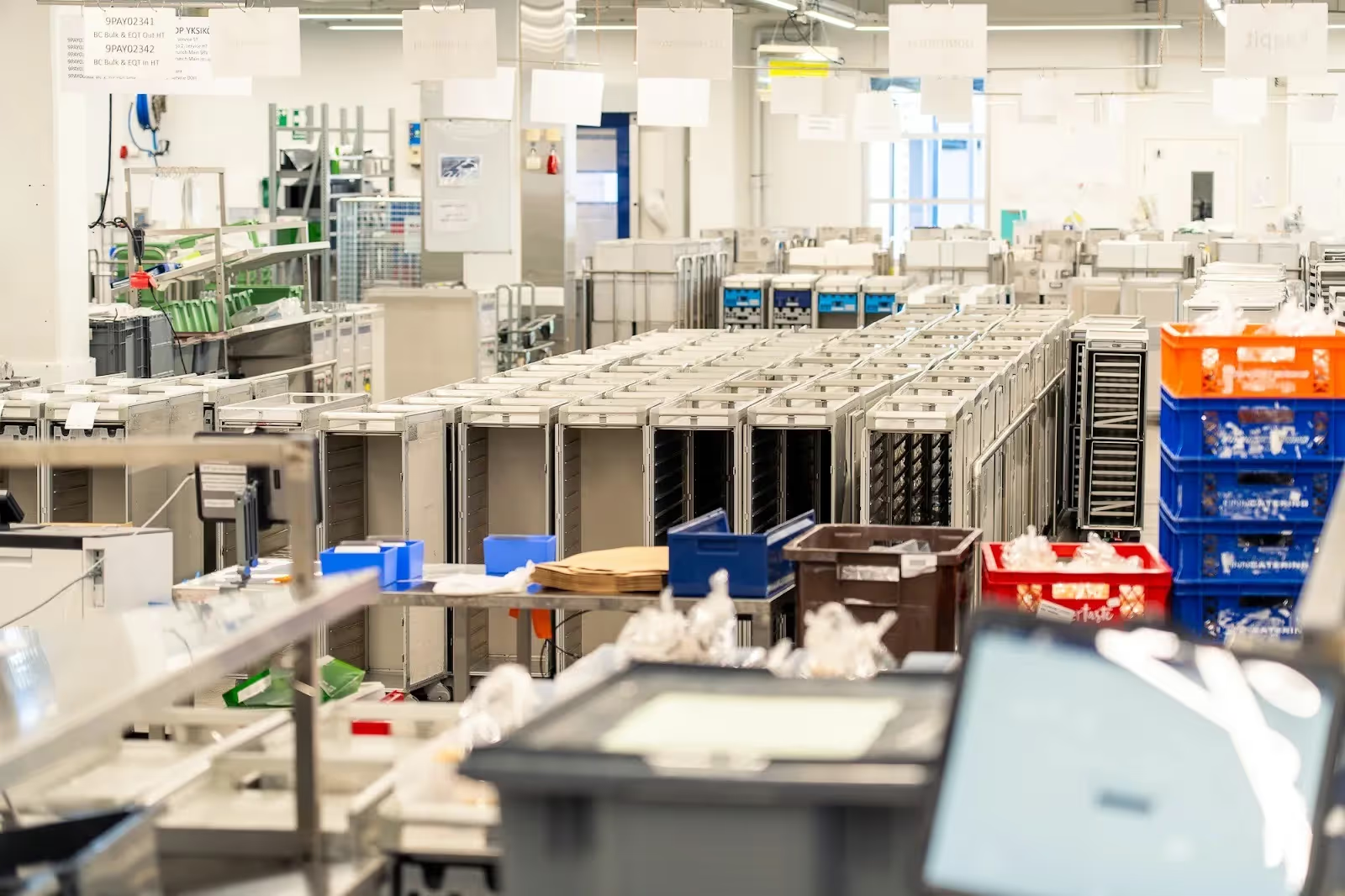
A group picture later, we headed to the catering facilities. Located just in front of AY's headquarters, over 7000 meals are prepared here daily. Head of Production Jaakko Koivusaari guided us through the large, complex company that employs over 400 people, with peaks of 450 in the summer.
After the security check, we put on our safety equipment (no FOD equipment), disinfected our hands, and headed to the first station, where inbound materials are unloaded and sorted. Here we learnt that Finnair always keeps a food sample from each order batch. This is done to address potential quality complaints if a passenger reports any.
We then headed to the main kitchen; here Finnair prepares and delivers meals for other airlines serving Helsinki (HEL), including Japan Airlines (JL) and Juneyao (HO). Special meals account for ~8% of the daily workload, with up to ten different choices.
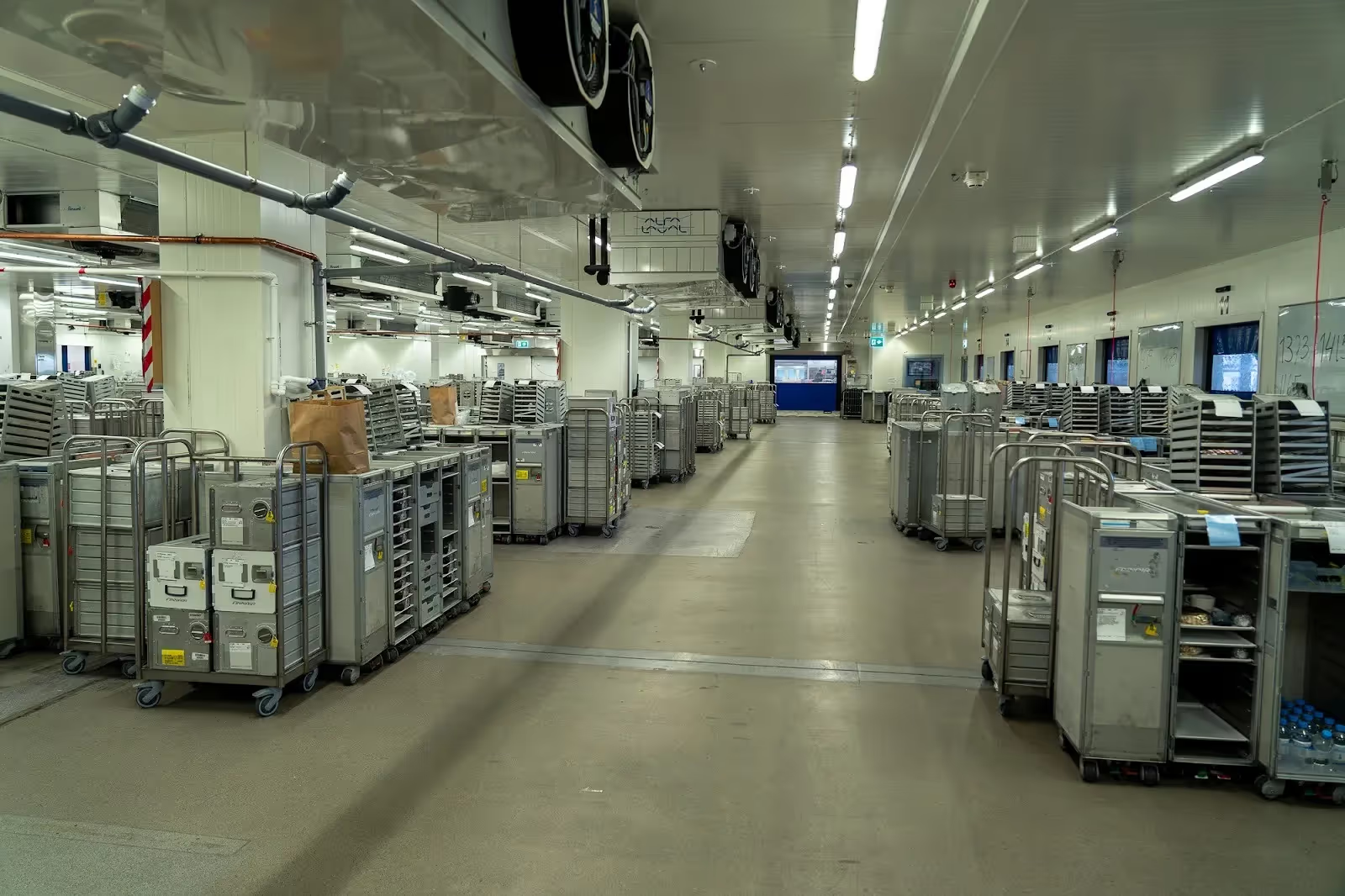
All meals are carefully prepared according to clear guidelines; Finnair has implemented a digital system that allows each workstation to efficiently track its workflow, replacing traditional whiteboards.
Meals are then chilled in a large freezer room, except for those destined for the ATR network, which must be rolled out of the facility warm to make up for the lack of an oven on board.
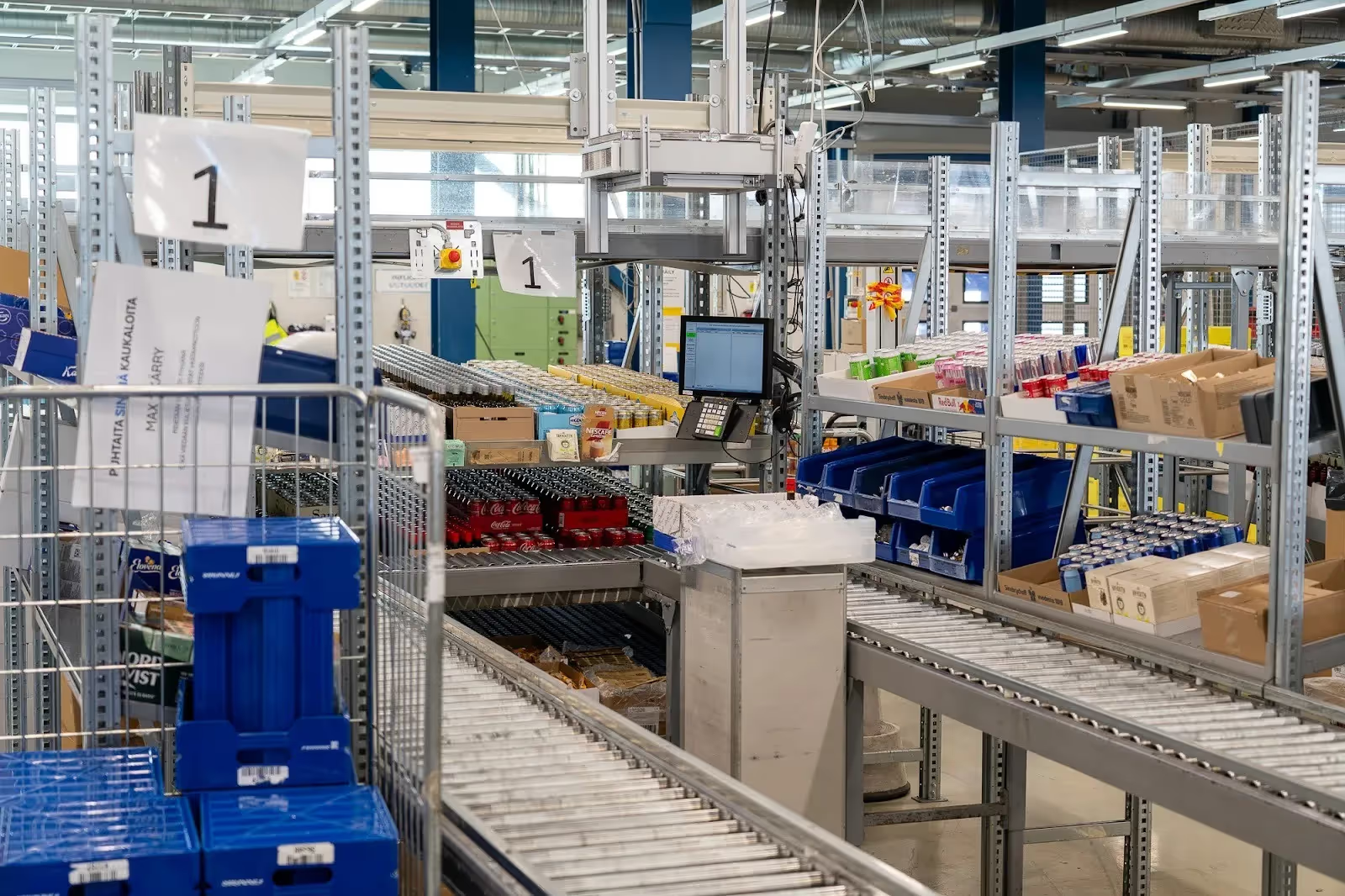
A separate section hosts the dishwashing procedures, where the airline aims to recycle and reduce waste as much as possible. In 2026, Finnair will further improve its workflow by tailoring its drink loads to passenger demand on routes across its network.
Interestingly, it is not unusual for glassware and plates to go missing. Finnair has been collaborating with the Finnish brand Iittala for decades, and glasses and plates go missing regularly.
Our guide explained that, following the launch of a brand-new bowl design some time ago, up to 75 units a day went missing in the first rollout weeks, which translates into two full Business Class cabins not returning their dining kits every day. Luckily, the trend stopped shortly after the rollout, minimizing the need for replacements.
Finnair serves over a million liters of the iconic blueberry juice every year, translating into more than 2.5 tonnes across its network and lounges every single day. Blueberry juice remains complimentary across all travel classes and has been a passenger favorite for many years.
Anyone in Finland can purchase it at local supermarkets, including the author of this article, who came home with three bottles in his suitcase.
We then headed back to the airport, ready to check in for our flights to multiple destinations all across Europe and Asia, which we will cover in a separate article.
Featured image: Simone Chellini/Airways


.avif)