


.webp)


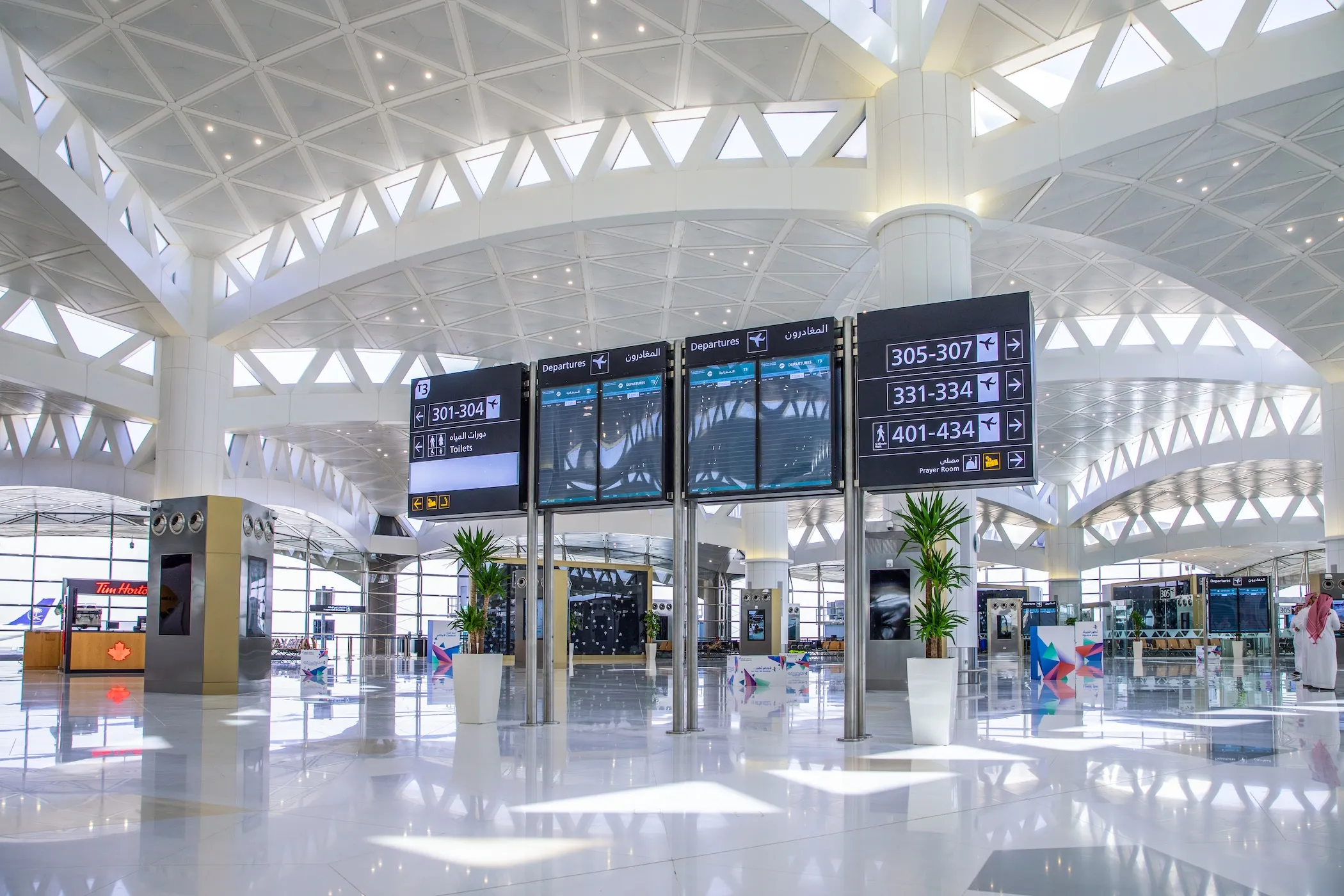
FRANKFURT — Frankfurt Airport (FRA) returned to passenger growth in May, with 5.7 million travelers passing through Germany’s largest airport as holiday timing and stronger long-haul demand helped offset recent operational volatility.
Fraport said May passenger traffic at Frankfurt increased 2.7% year-on-year, supported by public holidays and school vacation periods. The airport saw particularly strong demand for Southern Europe, while long-haul growth was driven by routes to the Far East, Africa, and Latin America.
The improvement follows a difficult April, when Frankfurt handled 4.8 million passengers, down 11.0% year-on-year, after six days of Lufthansa-related strike action affected roughly 500,000 passengers.
More passengers, fewer movements
The May figures point to a rebound in passenger demand, but not a full operational upswing across all metrics.
Cargo volumes at Frankfurt fell 1.3% year-on-year to 176,725 metric tons, while aircraft movements declined 2.1% to 41,377 takeoffs and landings. Maximum takeoff weights also slipped 1.9% to around 2.5 million metric tons.
That mix suggests Frankfurt carried more passengers with fewer aircraft movements, reflecting a combination of load factors, aircraft size, and schedule mix rather than a broad increase in flight activity.
Fraport network reaches 17.1 Million
Across Fraport’s actively managed airport network, passenger traffic rose 1.9% year-on-year to approximately 17.1 million travelers in May.
Most international airports in the group posted increases. Ljubljana Airport (LJU) handled 168,820 passengers, up 11.2%, while Fraport’s Brazilian airports at Fortaleza (FOR) and Porto Alegre (POA) recorded 1.2 million passengers, up 5.7%. Lima (LIM) grew 1.3% to around 2.2 million passengers.
Fraport’s 14 Greek airports handled 4.0 million passengers, up 6.0%, while Burgas (BOJ) and Varna (VAR) in Bulgaria rose 13.3% to 252,375 passengers. Antalya (AYT) was the main weak point in the portfolio, with traffic down 5.0% to 3.7 million passengers.
An uneven recovery
Frankfurt’s May rebound is encouraging, but the underlying picture is more nuanced than a simple return to growth.
Passenger demand is improving, especially on leisure and long-haul routes, but cargo weakness and lower aircraft movements show that the recovery is still uneven. For Fraport, the international portfolio remains important because airports in Greece, Bulgaria, Slovenia, Brazil, and Peru help balance slower or more disrupted performance at the Frankfurt hub.
The broader takeaway is that Europe’s airport recovery remains traffic-positive but operationally mixed. Frankfurt is back on a passenger growth track, yet the airport is still navigating the same pressures shaping much of European aviation: labor disruption, cargo softness, uneven regional demand, and the need to move more passengers through constrained infrastructure.
Featured image: Fraport




.webp)