In Photos: Melbourne Airport’s AU$500m International Baggage System



MELBOURNE — After spending a few days in beautiful Melbourne, it was time to head home with Finnair (AY) to Helsinki (HEL) and then Amsterdam Schiphol (AMS). I had reported on Finnair’s inaugural Australian service on the outbound trip. Before boarding the Airbus A350-900, I had the opportunity to look inside Melbourne Airport’s (MEL) new international baggage-handling system.
Melbourne Airport arranged the baggage-system visit.
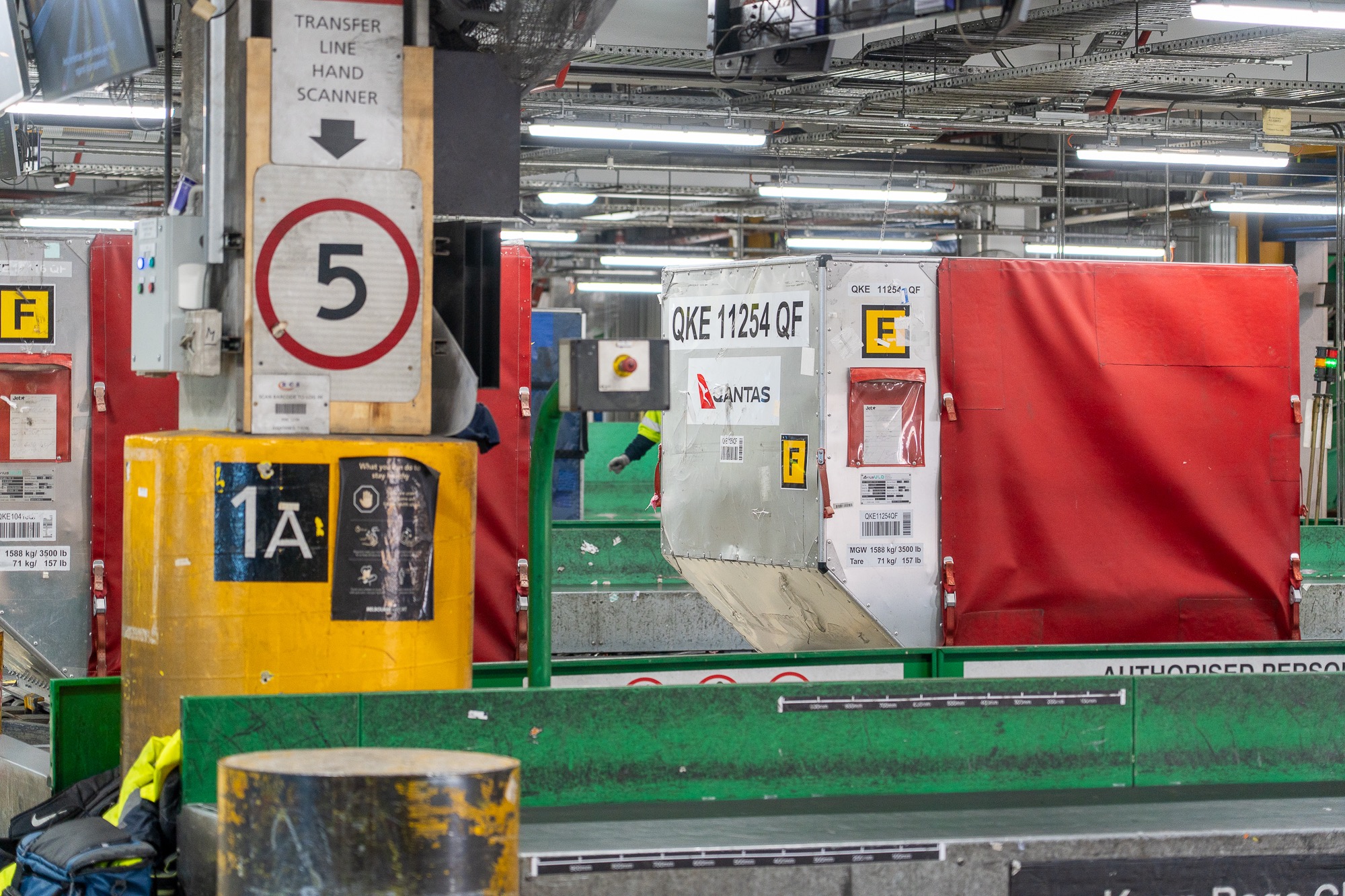
The baggage project is part of the airport’s preparations for growth. Its preliminary draft Master Plan 2027 sets out a 20-year development vision, while the third runway is expected to open in 2031 and allow parallel operations.
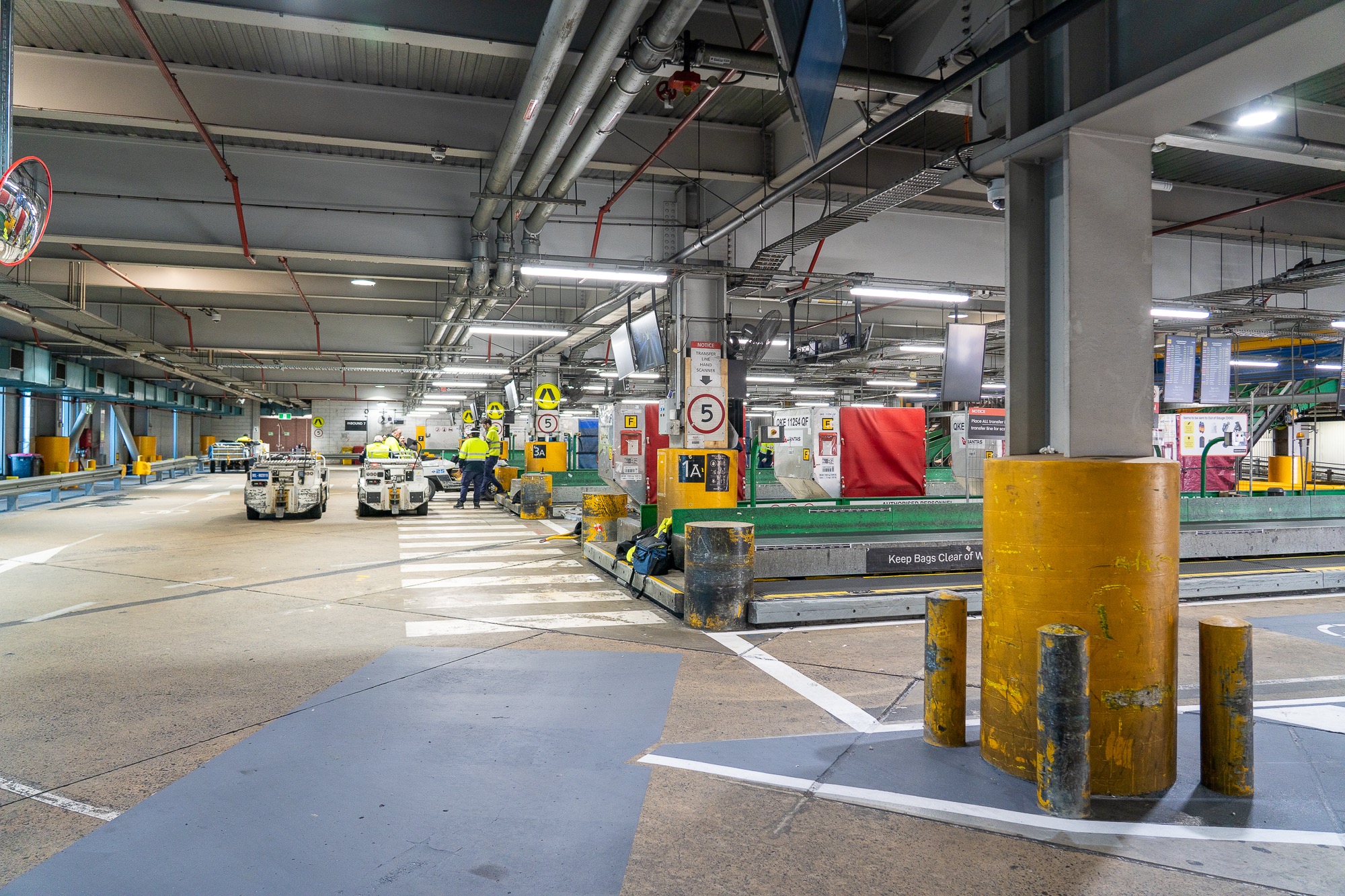
The AU$500m baggage project more than doubles the outbound international system’s capacity from 1,800 to more than 4,000 bags an hour. The airport’s current expansion update confirms the system is operational.
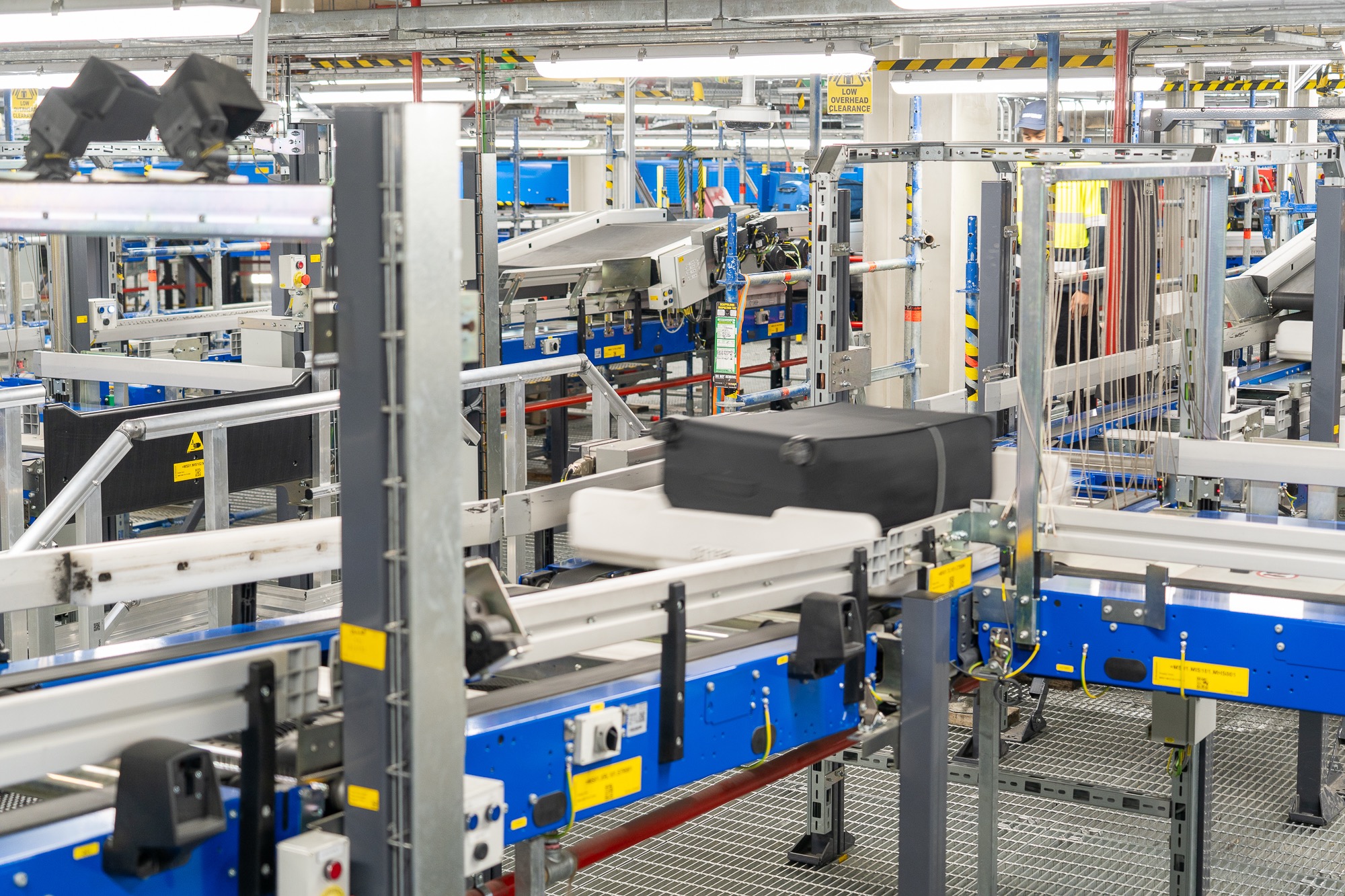
Following a Bag Through the System
Once a suitcase enters the system, it is electronically paired with an individual carrier, or tote, which transports it through the facility. If the bag is poorly positioned and cannot fit through the conveyor route safely, staff need to reposition it on the tray.
The system I toured uses four scanners. Each loaded carrier passes through one before continuing along its assigned route. Depending on the screening result, some bags require further checks by staff in a separate room.
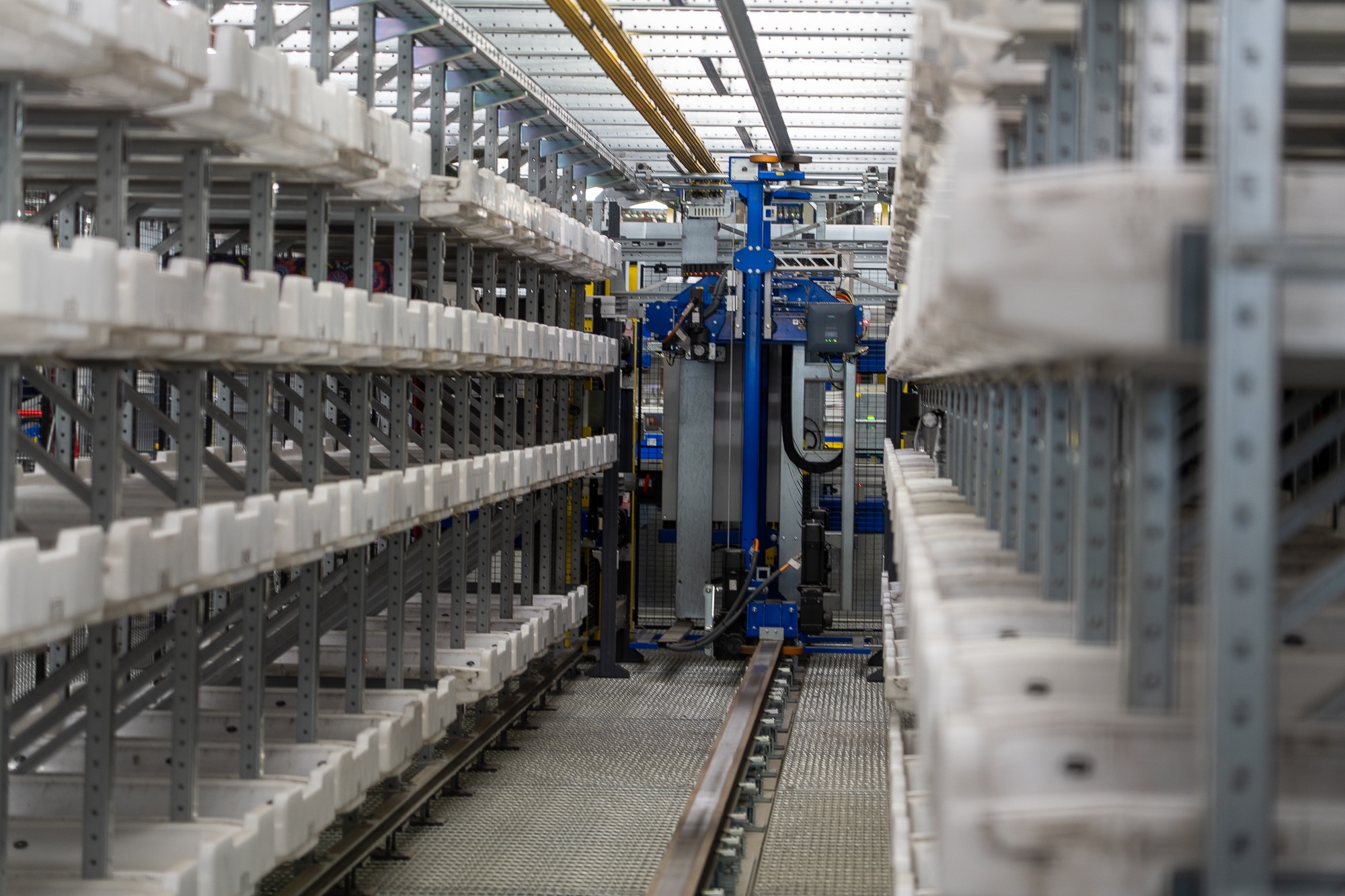
Bags then continue toward the chutes for loading onto their departing aircraft or enter storage if they arrive before loading is ready. The airport describes an automated early-bag store holding about 1,400 bags, which dispatches them when the flight is ready to load.
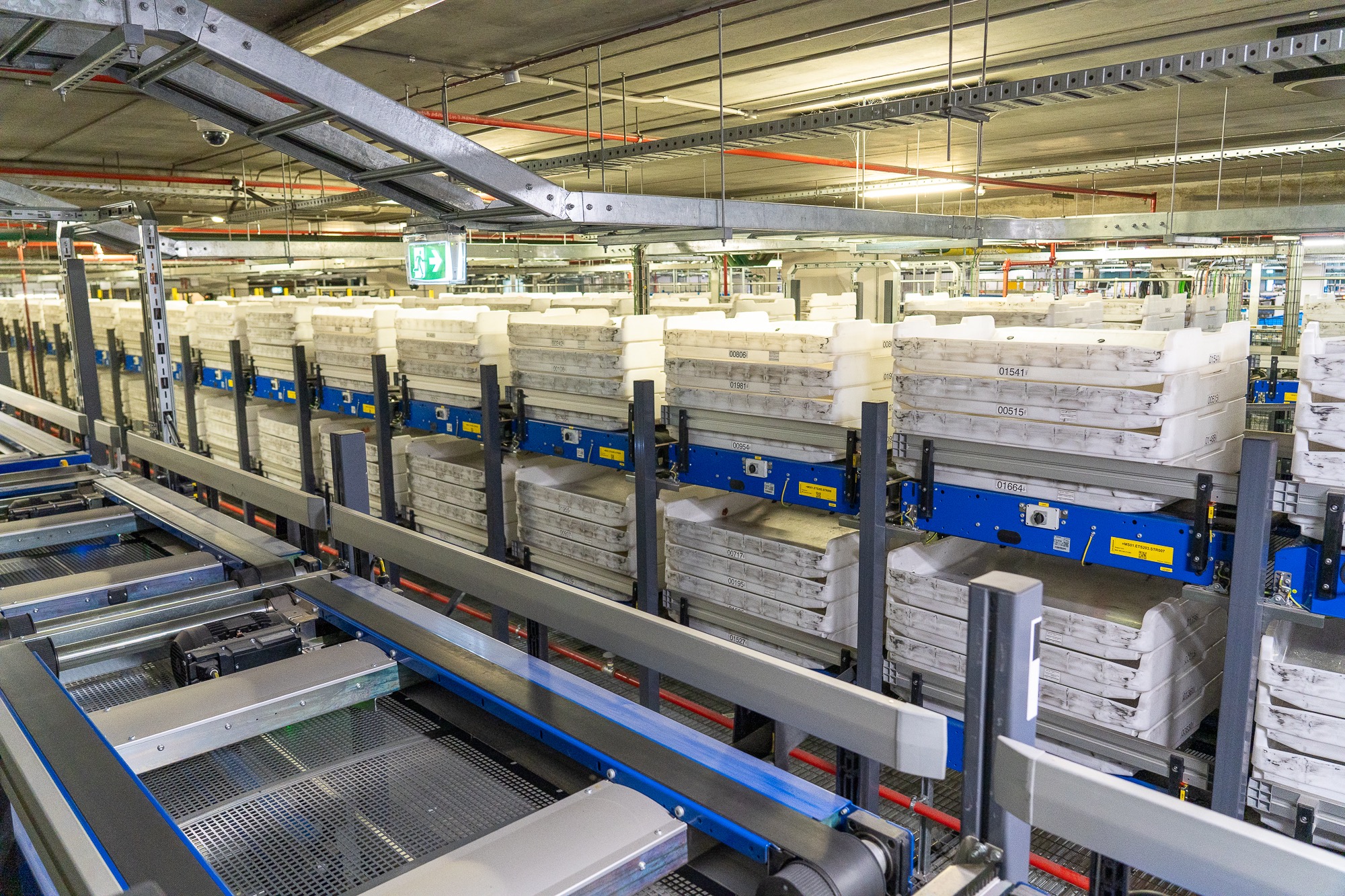
The conveyor sections run only when needed. Motors activate as trays approach, rather than keeping the entire route moving continuously. This limits unnecessary running time without requiring every section of the system to stay in motion.
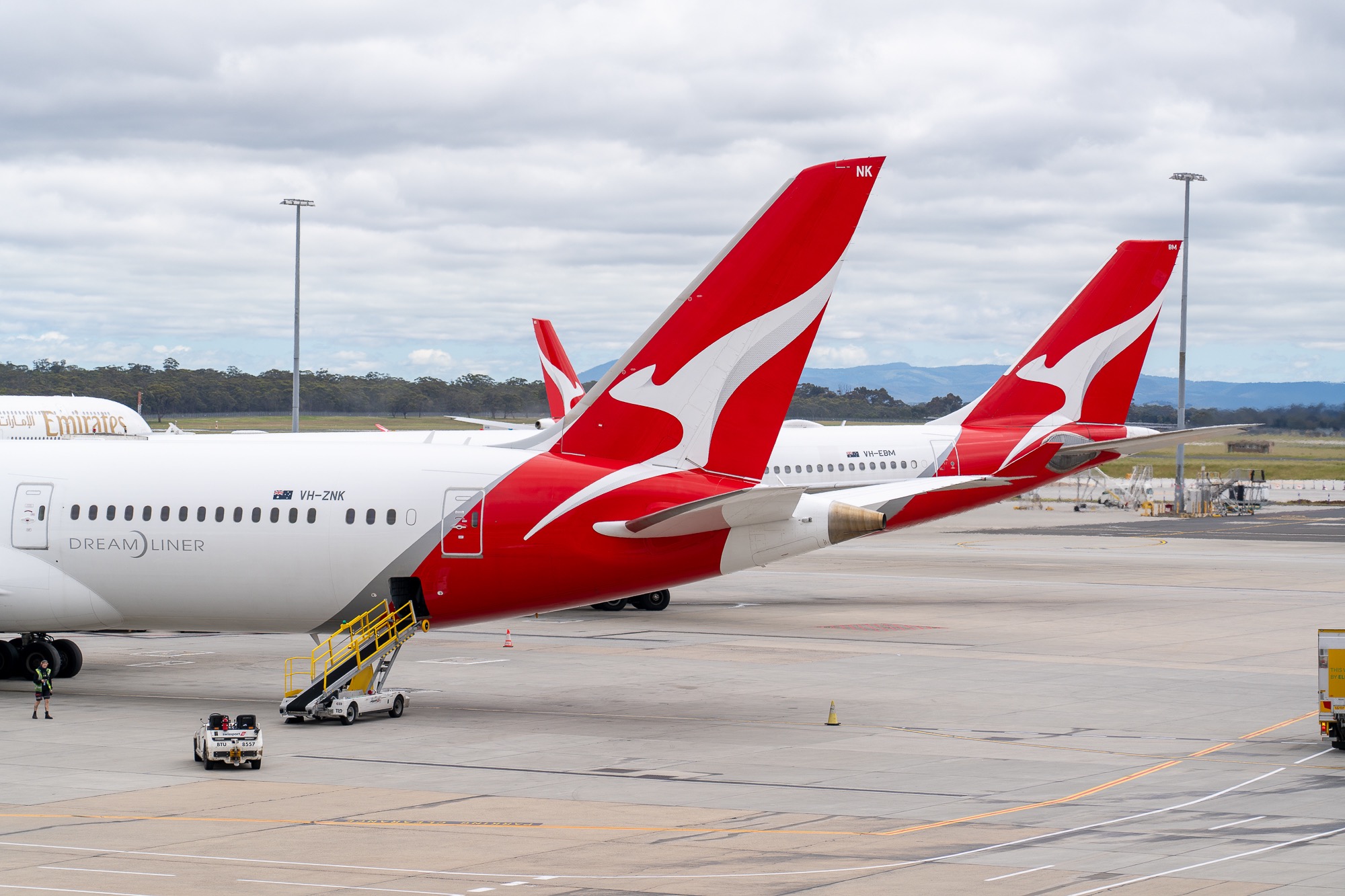
Featured image: Simone Chellini/Airways