What JetBlue Could Actually Do With 22 More LaGuardia Slots


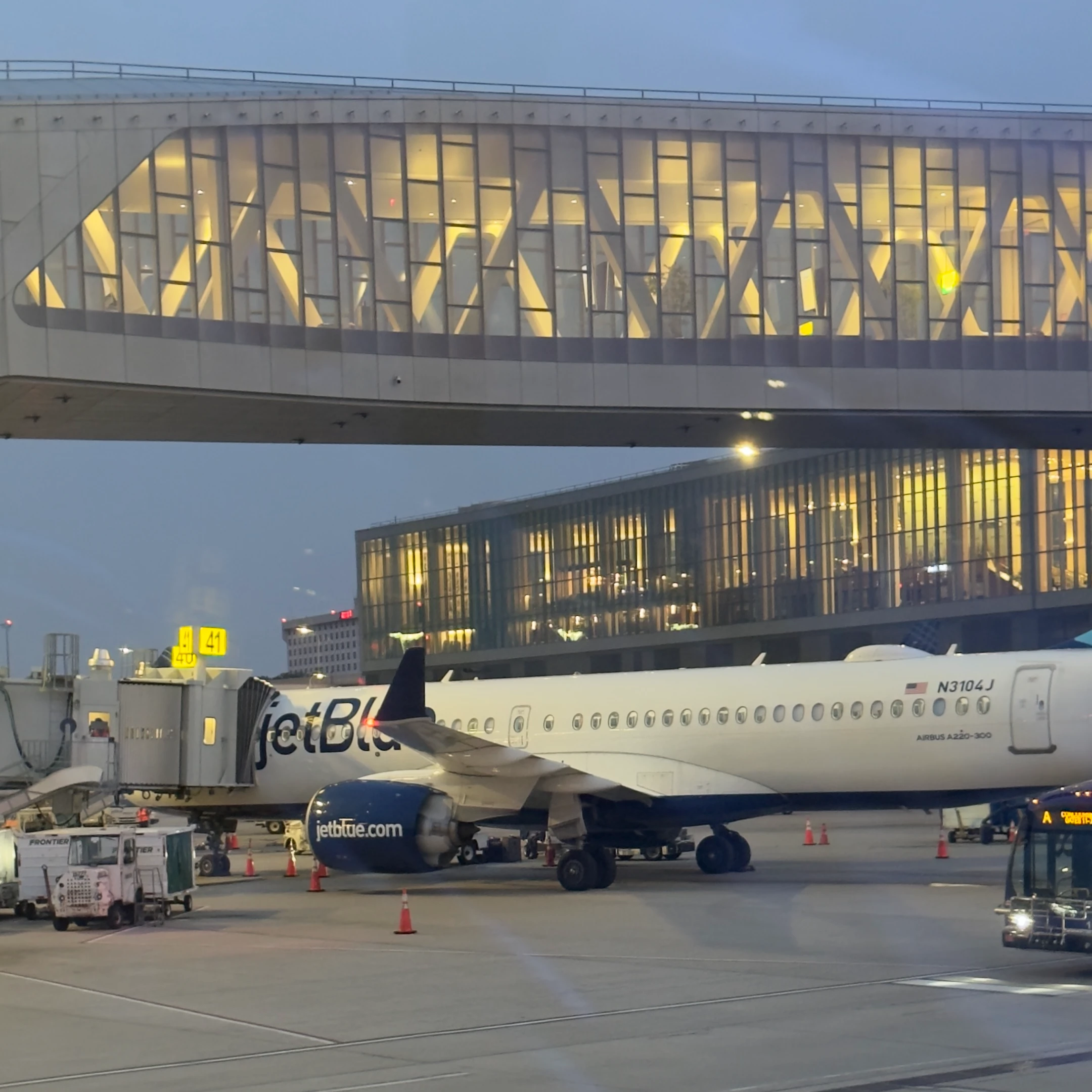
WASHINGTON — The Federal Aviation Administration (FAA) has tentatively cleared JetBlue Airways (B6) to buy 22 former Spirit Airlines (NK) takeoff and landing rights at New York LaGuardia Airport (LGA), in a notice of petition for exemption scheduled for Federal Register publication on August 31. The agency is taking comments through September 21 before it decides.
Most of the attention has gone to the price. JetBlue paid US$58.5m at a bankruptcy auction, Aviation Week reported. The conditions the FAA attached determine what the carrier can actually do with the capacity, and they are more restrictive than the purchase suggests.
The Conditions Rule Out the Easy Money
Slots at LaGuardia are Operating Authorizations issued under an FAA order first published in December 2006. That order lets carriers lease and trade authorizations between themselves for consideration. It flatly prohibits buying and selling them. An exemption is the only way a sale can happen at all, which is why a bankruptcy auction result needed a federal exemption docket before it could close.
The FAA's tentative grant comes with a lock. JetBlue "is precluded from trading or leasing the slots to any carrier until after April 2028," the notice says, and while it may trade or lease them after that date, the carrier "is precluded from outright sale of these slots in the future."
That closes off the ways of monetizing scarce New York capacity without flying it. JetBlue cannot hold the authorizations and lease them to a competitor for income, and it cannot resell them. The FAA says the restriction exists so "the traveling public will receive the benefits of the service and price competition provided by JetBlue." In practice it means the only thing JetBlue can do with these 22 slots is fly them.
The agency did give JetBlue room to get started. It tentatively waived the order's use-or-lose requirements through April 2027, so the authorizations will not be withdrawn for non-usage while the carrier builds schedules around them. JetBlue told the FAA it needs that window to "integrate the Operating Authorizations into its network, assign aircraft and crews, complete schedule and revenue-management work, load and publish the flights through distribution channels, and market the service."
What 22 Authorizations Actually Buy
The package is not symmetrical. It consists of 12 departure and 10 arrival authorizations, Aviation Week reported from the bankruptcy filings.
That asymmetry matters more than the headline number. A daily LaGuardia round trip consumes one arrival authorization and one departure authorization. On its own terms the package therefore supports 10 new daily round trips, with two departure authorizations left over that JetBlue would have to pair against arrival rights already in its portfolio, or leave unflown.
Aviation Week reported the transfer would take JetBlue from 31 authorizations at LaGuardia to 53, lifting its share of the airport's 1,141 carrier-held slots from about 2.7% to 4.6%. The carriers used the same 4.6% figure in their petition, describing it as an increase of "approximately 71 percent" in JetBlue's LaGuardia portfolio.
That is a large proportional gain on a small base, and the base is the point. Even after the transfer, JetBlue would hold fewer than one in 20 of the airport's carrier-held authorizations.
Why the 5% Line Decides This
The reason JetBlue qualifies is a threshold. After the transfer, the FAA notes, JetBlue "would continue to hold less than five percent of the total slot interest holdings at LGA," does not codeshare at LaGuardia with any carrier holding five percent or more, and is not a subsidiary of a company at or above that level.
The Department of Transportation has long used the below-five-percent test to identify carriers with a limited airport presence, the category that makes a slot transfer defensible on competition grounds. The FAA frames the grant as letting "a limited incumbent, independent, non-aligned carrier" strengthen its position against dominant competitors.
The qualification and the outcome sit close together. JetBlue is eligible because it is small at LaGuardia, and the transfer keeps it under the line that made it eligible, at a reported 4.6%. The notice does not treat five percent as a cap on what any carrier may hold, and the FAA does not say what it would do with a further transfer on the same reasoning.
The Case Frontier Could Make
Frontier Airlines (F9) bid US$57.5m and was designated the alternate bidder, Aviation Week reported, losing the auction by US$1m.
The FAA's stated rationale invites the comparison. Approving the sale, the agency wrote, "ensures that scarce public airspace resources are returned to active commercial service under a proven low-fare business model." Spirit was an ultra-low-cost carrier. Frontier is one. JetBlue is not, and has been repositioning around premium products under its JetForward turnaround plan while posting a US$247m second-quarter loss.
A carrier arguing that it would replace Spirit's fare-discipline role more directly than JetBlue now has a docket in which to say so. Whether Frontier files is unknown.
The FAA Refused to Skip the Comment Period
The carriers asked the agency to grant the exemption without notice and comment, citing past practice and the expiration of use-or-lose relief. The FAA declined, finding "there is no good cause to forego notice and comment based on past practice or the deadlines put forth." It noted it had already extended use-or-lose relief at LaGuardia through October 31, 2026, and that in earlier cases where it did skip comment there had been a robust administrative process beforehand.
Comments are due on or before September 21 under docket FAA-2026-9043. The FAA says it "will issue a final decision after reviewing any relevant comments that it receives."
Nothing about the transfer is settled until then. The slots also remain permanently subject to what the order calls the FAA's "authority, superior interest, and absolute control," including withdrawal for non-usage or when the agency judges it in the public interest.
Spirit ceased all passenger operations on May 2, 2026 and entered a wind-down and liquidation, stopping service on the 22 authorizations it had held, the notice records. Airways covered the carrier's shutdown in May and the market consequences of its exit in June. Under the conditions the FAA has proposed, the LaGuardia authorizations cannot be sold on again.
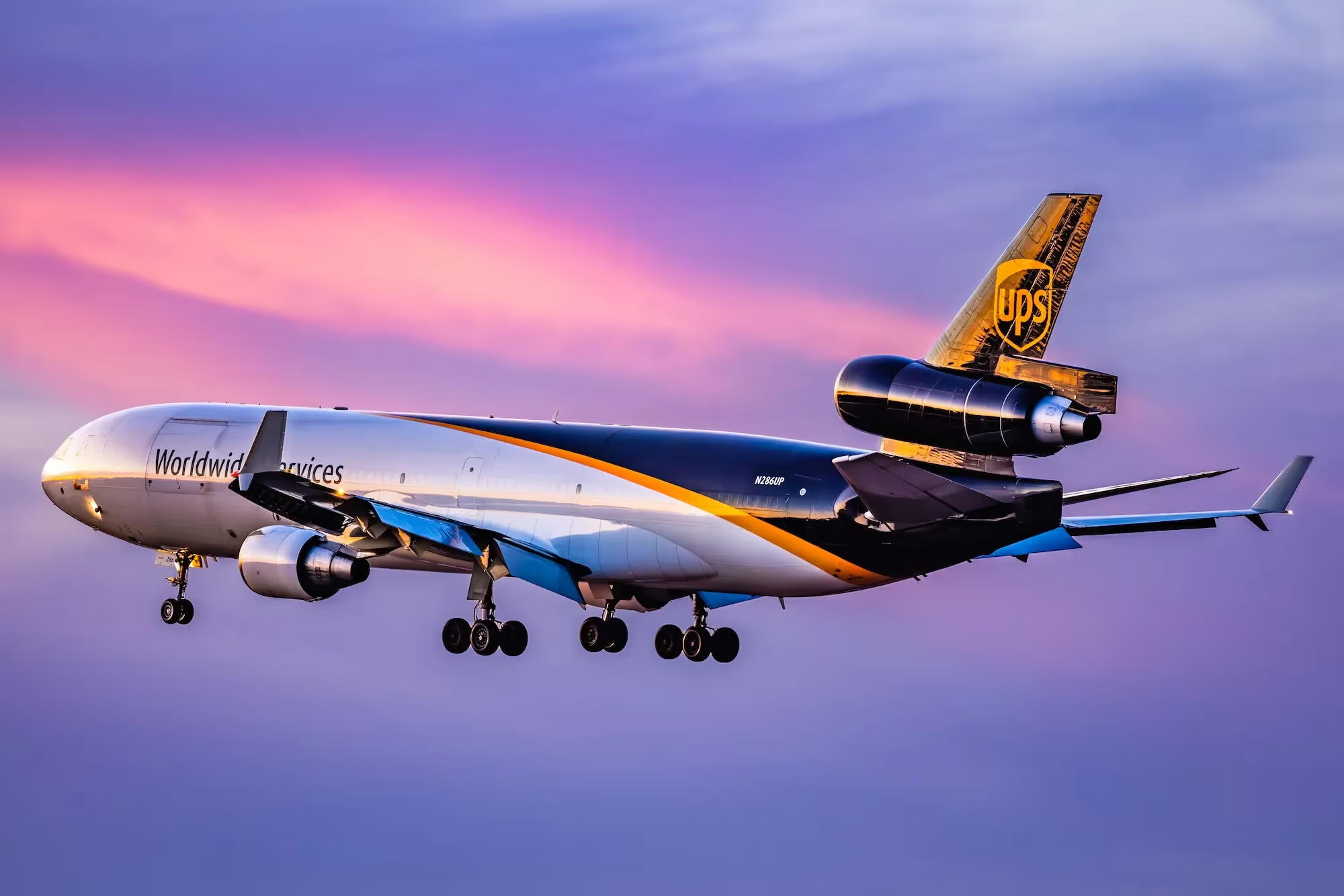
Featured image:



.avif)