

.webp)


BRISBANE — Virgin Australia (VA) expects to take delivery of its first Boeing 737-10 in late 2027, marking the next phase of the airline’s fleet renewal program and adding what will become the largest aircraft in its fleet.
The carrier has 10 firm orders for the larger 737 MAX variant, with the first delivery tied to Boeing’s progress toward U.S. regulatory approval for the aircraft. Virgin said the 737-10 will provide additional capacity and flexibility across its domestic and short-haul international network while preserving commonality with its existing 737 fleet.
More seats, same fleet family
The 737-10 is the largest member of the Boeing 737 MAX family. Virgin Australia has not yet disclosed its final seating configuration, but the aircraft is typically positioned with room for roughly 188 to 204 passengers in a two-class layout.
For Virgin Australia, the aircraft gives the airline a higher-capacity narrowbody option without moving away from its all-737 mainline fleet strategy. That makes the 737-10 useful for trunk domestic routes and short-haul international services where demand is strong but widebody capacity is unnecessary.
Virgin Australia CEO Dave Emerson said the aircraft will give the airline “more capacity and more flexibility” across its network, while supporting a younger, quieter, and more fuel-efficient fleet.
Certification still matters
The timing remains subject to Boeing securing certification for the 737-10. Virgin said the late-2027 expectation is based on Boeing’s positive progress with U.S. regulatory approvals.
That caveat matters. The 737-10 has been delayed for years, affecting airline fleet plans globally. Virgin previously adjusted part of its MAX orderbook toward the smaller 737-8 as Boeing’s larger variant remained uncertified.
If the 737-10 enters service on the revised timeline, it would give Virgin a needed upgauge tool at a time when airlines are trying to add seats without adding proportionally more aircraft, crews, and operating complexity.
737-8 fleet keeps growing
Virgin Australia is already three years into Boeing 737 MAX operations. The airline currently operates 19 Boeing 737-8 aircraft and expects to receive seven more before the end of 2026, bringing its 737-8 fleet to 26 aircraft.
The airline said its 737 MAX operations have saved approximately 30 million liters of fuel and reduced more than 77,000 tonnes of CO2 emissions compared with previous-generation Boeing 737-800 operations.
The 737-10 would build on that modernization push by adding a larger aircraft to the same family. Boeing said the type will preserve fleet commonality, improve flexibility, and support environmental performance on domestic and international routes.
Bottom line
Virgin Australia’s 737-10 plan is less about launching a new fleet type and more about adding capacity discipline to an existing fleet strategy.
The airline is not moving into a mixed narrowbody platform. It is staying with Boeing while using the 737-8 for renewal and the 737-10 for higher-demand markets. That approach gives Virgin more seats where it needs them while keeping pilot training, maintenance, and scheduling complexity lower than a broader fleet split would allow.
As always with the American manufacturer, the bigger question is timing. I Boeing can complete certification and deliver the aircraft as expected, Virgin Australia will gain a useful upgauge tool for its busiest domestic and short-haul international routes. If the program slips again, the airline may have to keep leaning on 737-8 deliveries and existing 737-800 capacity for longer.
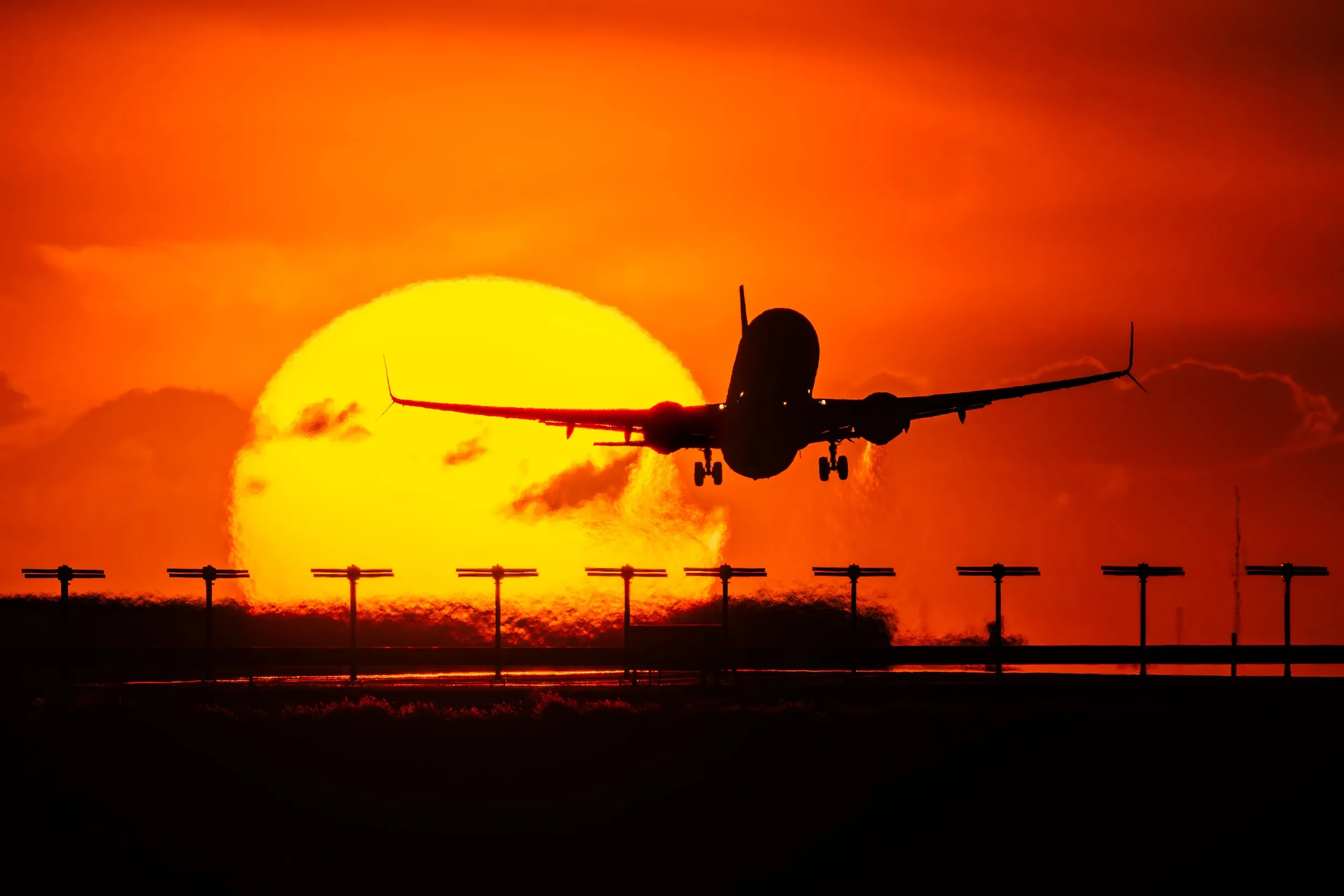
Featured image: Brandon Farris/Airways


.webp)