

.webp)
.webp)

DALLAS — Today, in 2008, Ottawa-based transatlantic low-cost carrier Zoom Airlines (Z4) ceased operations, stranding thousands of passengers on both sides of the Atlantic.
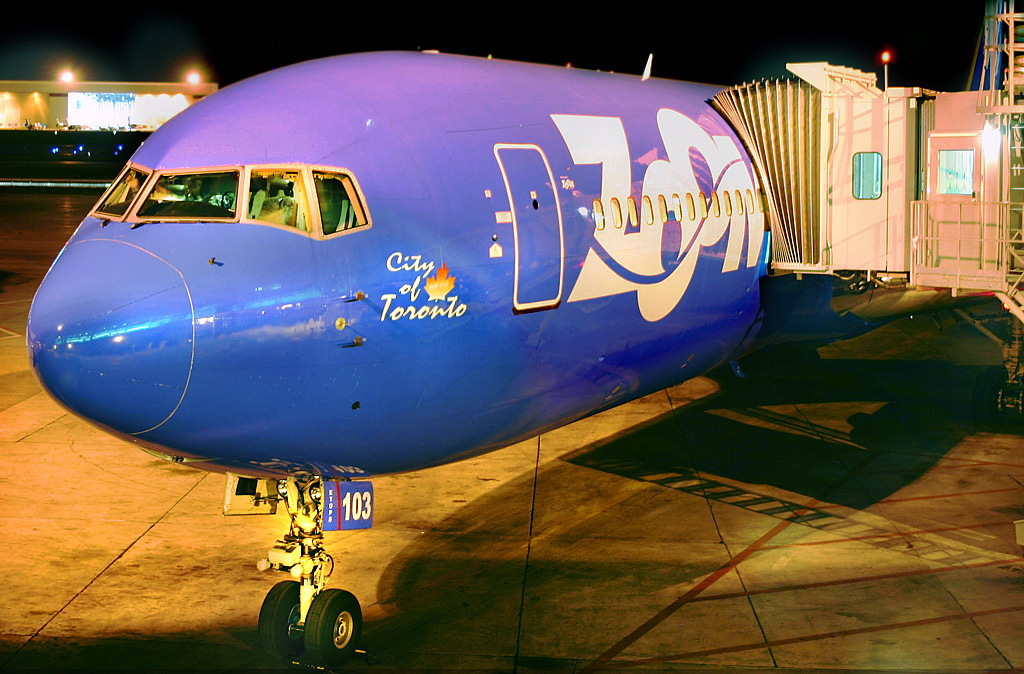
Scottish brothers John and Hugh Boyle founded Zoom in May 2002, after building and selling holiday businesses in their native Scotland. The airline launched operations with an Airbus A320 leased from Monarch Airlines (ZB) and a single Boeing 767-300ER.
Transatlantic Operations
Early flights covered leisure destinations including Barbados, Fort Lauderdale (FLL), and Jamaica. Services to the UK and Europe took in London Gatwick (LGW), Glasgow (GLA), Manchester (MAN), Cardiff (CWL), and Belfast, as well as Paris and Rome.
Zoom added further 767s and the smaller 757s after returning the A320 to Monarch in April 2003.
In the summer of 2006, the Boyles established a UK sister carrier, Zoom Airlines Limited, based at Gatwick. A codeshare with UK-based Flyglobespan (Y2) followed in November 2006, covering Manchester–Toronto (YYZ) and Ottawa (YOW)–London. Zoom aircraft operated the Manchester service, and the carrier's UK flights could also be booked through the Flyglobespan website.
Financial Struggles
Financial pressure built through early 2008 as jet fuel prices climbed and the wider economy weakened. Zoom blamed the sagging economy and what it called "horrendous" increases in fuel prices, which it said had added $50m to operating costs in 2007 alone.
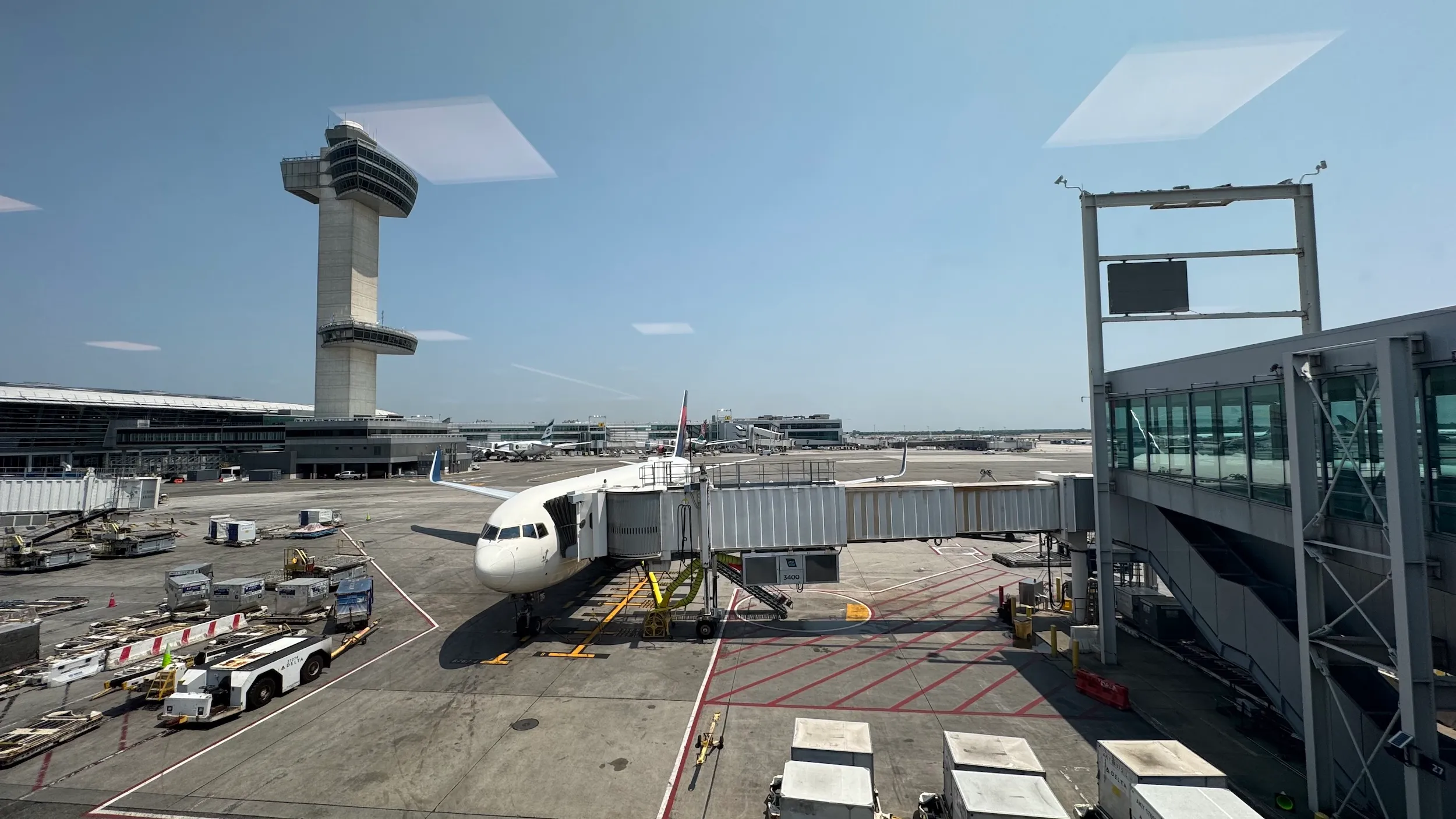
On August 27, an aircraft leased to Zoom was grounded at Calgary International Airport (YYC) after its owner canceled the lease agreement, and the airline's fuel supplier refused to refuel it over unpaid bills.
The following day, the UK Civil Aviation Authority held back a departure from Glasgow over unpaid accounts, and a second aircraft was stopped at Cardiff. In Halifax, ground crews refused to release a jet because their employer was owed $2m, and the airport authority obtained a court order to seize one of Zoom's Boeing aircraft against nearly $200,000 it was owed.
Zoom canceled its remaining departures that afternoon and grounded the fleet. Executive chair Hugh Boyle said the British and Canadian operations had "sought creditor protection by filing legal notices of intention to appoint an administrator in both the U.K. and Canada." Zoom Airlines Limited ceased trading the same day.
Aftermath
Some 4,500 people in Britain were due to fly with Zoom over the following week. The Associated Press reported that passengers scrambled for alternatives as the Civil Aviation Authority advised them to travel on other airlines and seek reimbursement through their credit card companies, leaving those who had paid by cash or check without that protection. British Airways (BA) and Virgin Atlantic (VS) offered special rates to stranded Zoom customers.
Zoom had built its network around regional airports rather than the main transatlantic gateways, and its failure removed low-fare capacity from cities including Glasgow, Manchester, and Cardiff. The long-haul, low-cost model it pursued has continued to attract new ventures, among them Belfast-based startup Fly Atlantic, which has yet to begin flying.
Featured image: Zoom Airlines Boeing 767-328ER C-GZUM at Glasgow International Airport (GLA). Photo: Martin J. Galloway (Dotonegroup) at English Wikipedia/CC BY-SA 3.0.
Featured image: Martin J. Galloway/CC BY-SA 3.0



.avif)