

FARNBOROUGH — With the 2026 Farnborough Airshow starting next week, the real story behind the order tally relies on a production system booked solid into the 2030s, playing out against an airline industry whose 2026 profit outlook has been cut sharply amid fuel costs, supply chain woes, and geopolitical uncertainties.
Aviation analytics firm IBA is forecasting up to 875 commercial aircraft orders, options, letters of intent and memoranda of understanding. If it holds, that would mark a sharp rebound from Farnborough 2024's 438 transactions and an improvement on Paris Air Show 2025's subdued 601, though it would fall well short of the 1,338 commitments recorded at Paris in 2023.
Not every analyst is as bullish. Airbus and Boeing had already logged 1,210 combined orders in the first half of 2026, above the 995 aircraft average for the same January-to-June period between 2022 and 2025, and the two manufacturers' combined backlog stands at around 16,000 aircraft, giving both companies demand visibility to the end of the decade regardless of what gets announced the next week during the Airshow.
A backlog, not a boom
According to IBA, narrowbody production slots on the A320neo family and 737 MAX are largely unavailable until around 2033. Widebody slots are similarly constrained, with Airbus booked into 2032-33 and Boeing into 2034. COMAC's C919 line, still ramping toward its own production targets, is booked into 2034-35. Airlines placing orders at Farnborough this year are, in practical terms, securing aircraft for delivery in the early to mid-2030s.
The International Air Transport Association puts a finer point on the same problem from the airline side. In its financial outlook released at the 82nd Annual General Meeting in Rio de Janeiro, IATA said the global order backlog reached 18,100 aircraft as of May 2026, up from 17,000 in 2024 and representing more than half of the active fleet.
IATA was explicit that this is as much a demand problem as a production one: "aircraft production is increasing but not at a sufficient pace to close the gap created during the pandemic," with orders continuing to exceed deliveries.
A separate IATA supply-chain analysis published in December put the average global fleet age at a record 15.2 years and projected that the mismatch between airline capacity needs and manufacturer output would not normalize before 2031-2034, a window that closely aligns with IBA's own slot estimates.
That combination, a production system sold out for years and an engine aftermarket already struggling with today's fleet, is the deeper context for whatever order total Farnborough produces. Rather than securing additional capacity, airlines are locking in replacement aircraft for a fleet that is aging faster than manufacturers can refresh it.
The practical effect of that shortfall shows up on the airline side. Finnair, which placed an order for up to 46 E195-E2s earlier this year, will not receive its first aircraft under that deal until the end of 2027. In the meantime, the carrier told analysts in June it was making progress sourcing as many as 12 used Airbus A320ceo-family jets and was weighing leases, or even wet-leases, to support its medium-term network plans.
IATA and consultancy Emerton, in a joint study published June 24, quantified part of the engine bottleneck directly: groundings of Pratt & Whitney GTF-powered aircraft peaked at 648 jets in March 2025, roughly 28% of the global GTF fleet, and annual shop visits for CFM International LEAP engines are projected to rise from around 600 to 800 in 2025 to more than 5,000 by 2040, a workload the maintenance aftermarket is not yet resourced to absorb.
That scarcity, on the manufacturing side, helps explain order volumes that have already been running well ahead of prior years, largely outside the airshow calendar. Boeing and Airbus combined for roughly 2,600 gross commercial orders in the thirteen months since Paris Air Show 2025 closed, based on figures compiled from the manufacturers' own quarterly disclosures.
Boeing recorded approximately 767 gross orders in the second half of 2025 and 445 through the first half of 2026, for a total of about 1,212. The 737 MAX led the total, anchored by Alaska Airlines' December order for 105 737-10s, its largest ever, alongside continued 787 and 777X activity. Airbus recorded roughly 506 gross orders in the second half of 2025 and 886 in the first half of 2026, for a total of about 1,392, with the A320neo family dominant throughout and a 331-order surge in March tied to lessor and Chinese carrier fleet renewal.
Embraer added an estimated 180 to 200 firm E2-family orders over the same period, its strongest run in the program's history, including a 50-firm, 50-option order from U.S. startup Avelo Airlines and continued growth in its E195-E2 backlog. COMAC's publicly disclosed activity in the same window was comparatively modest, including a 10-firm, 10-option C909 order from Air Cambodia and a small firefighting-variant deal announced at the Singapore Airshow in February, though Chinese domestic commitments are typically not disclosed with the same transparency as Western orders.
Embraer's own struggle to make good on a production promise illustrates how widespread the delivery mismatch has become, even at the one major manufacturer that was supposed to have spare capacity. At the 2024 show, the company said it was targeting linear, quarter-by-quarter production through 2025 and 2026, a break from its longstanding habit of clustering deliveries into the final quarter of the year. This has not happened.
Commercial deliveries through the first nine months of 2025 totaled 46 aircraft, 57% of the midpoint of full-year guidance, only marginally better than the 55% nine-month share Embraer has averaged over the past five years, and the company still needed a 32-aircraft fourth quarter, entirely in keeping with its old pattern, to close the year at 78 commercial jets.
Embraer has pointed to delays tied to the CF34-8E5 engine affecting its E175 line, alongside broader supply-chain constraints that CEO Francisco Gomes Neto said in November were largely behind the company, even as execution on the factory floor continued to lag. Embraer has since pushed its leveling goal into 2026: total deliveries across all business lines reached 109 in the first half, up from 91 a year earlier, though whether that translates into steadier commercial output through the balance of the year is still an open question.
Much of 2026's order activity has already been transacted through direct manufacturer-airline deals rather than airshow announcements, with the show serving more as a venue for disclosure and reputational signaling among OEMs than as the primary channel through which the industry conducts business.
Widebodies and the wild card
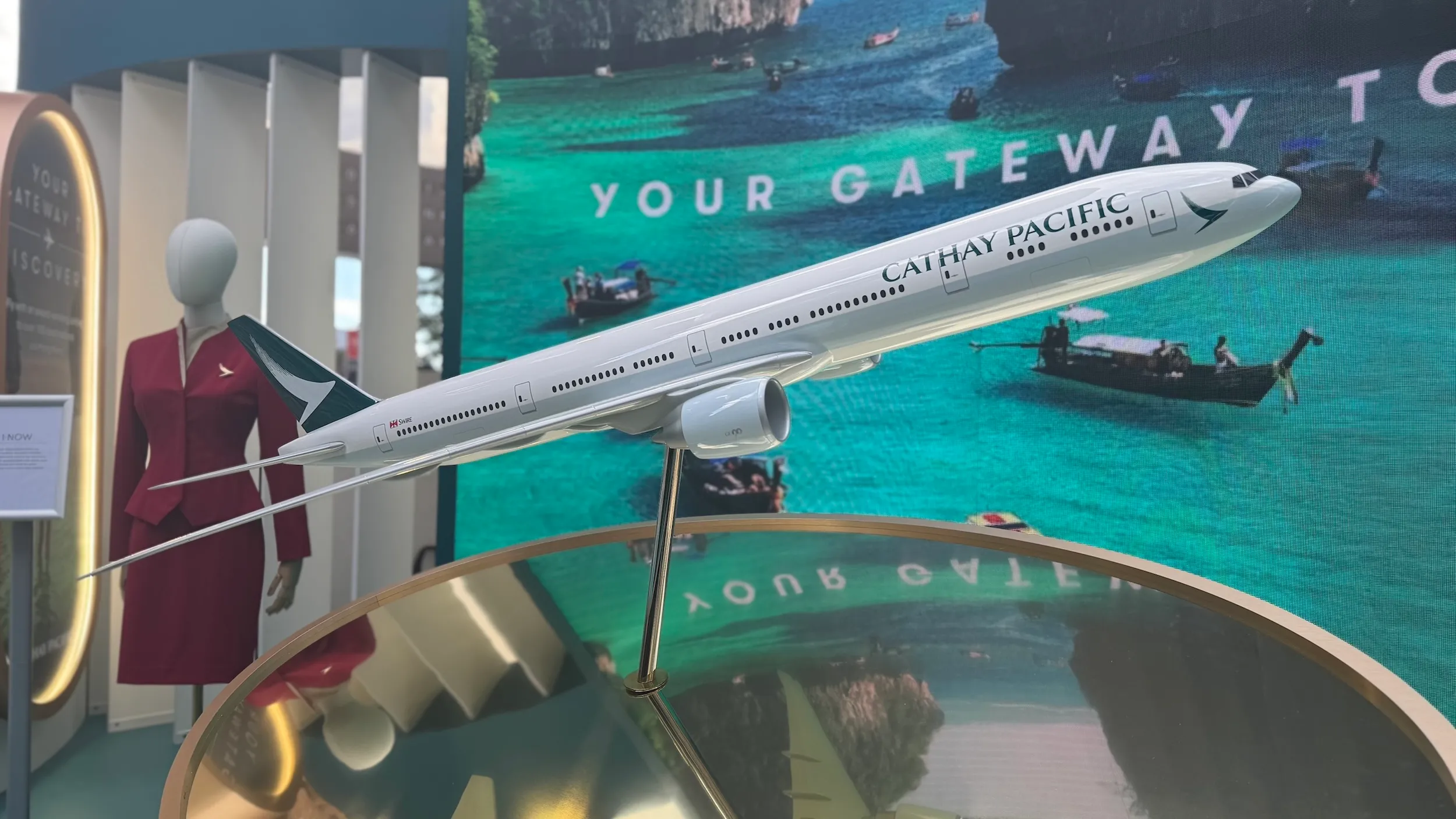
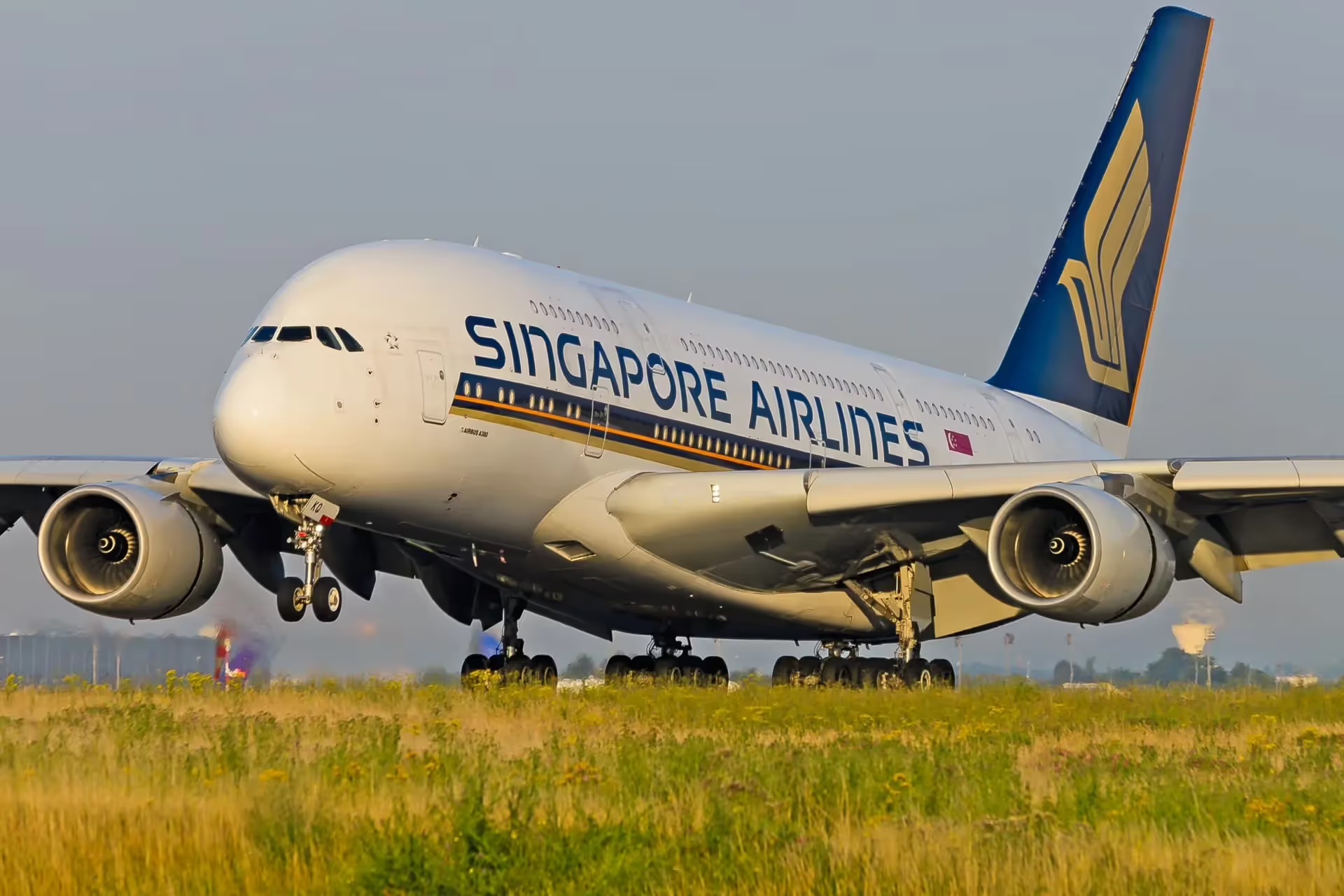
IBA's forecast puts widebody activity at roughly 280 aircraft, or about 32% of its projected total, with the A330neo cited as gaining traction across a broadening operator base. The firm also lists carriers it expects to feature in widebody activity at the show, including American Airlines, Etihad Airways, Qantas, Air India, Cathay Pacific, China Eastern, China Southern and Singapore Airlines, alongside confirmation of a previously undisclosed order from Korean Air. On the narrowbody side, IBA points to potential activity from Turkish Airlines, Ethiopian Airlines and Alaska Airlines.
None of those carrier names should be read as confirmed. IBA describes them as potential activity identified by its own analysts, not as commitments sourced to the airlines themselves.
The single most consequential line in IBA's forecast concerns China. The firm flags the possibility of a roughly 200-aircraft Boeing order tied to the Chinese market, a deal that, if confirmed, would materially shift the Airbus-Boeing order balance for the year and carry obvious weight given the broader state of Boeing-China commercial relations.
A caveat for the final tally
Whichever number Farnborough produces, it will say less about aviation's health than the fact that the industry no longer needs airshows to tell that story. A decade ago, a soft order week at Farnborough would have read as a demand problem. This year, with backlogs at 18,100 aircraft and airlines locking in delivery positions for the early 2030s regardless of what gets announced in the airshow, a soft order week would mean only that the sold-out plane makers had less left to sell.
The order count is no longer the constraint. What airlines build a fleet strategy around now is a delivery slot, and those were spoken for long before the gates open on Monday, July 20.
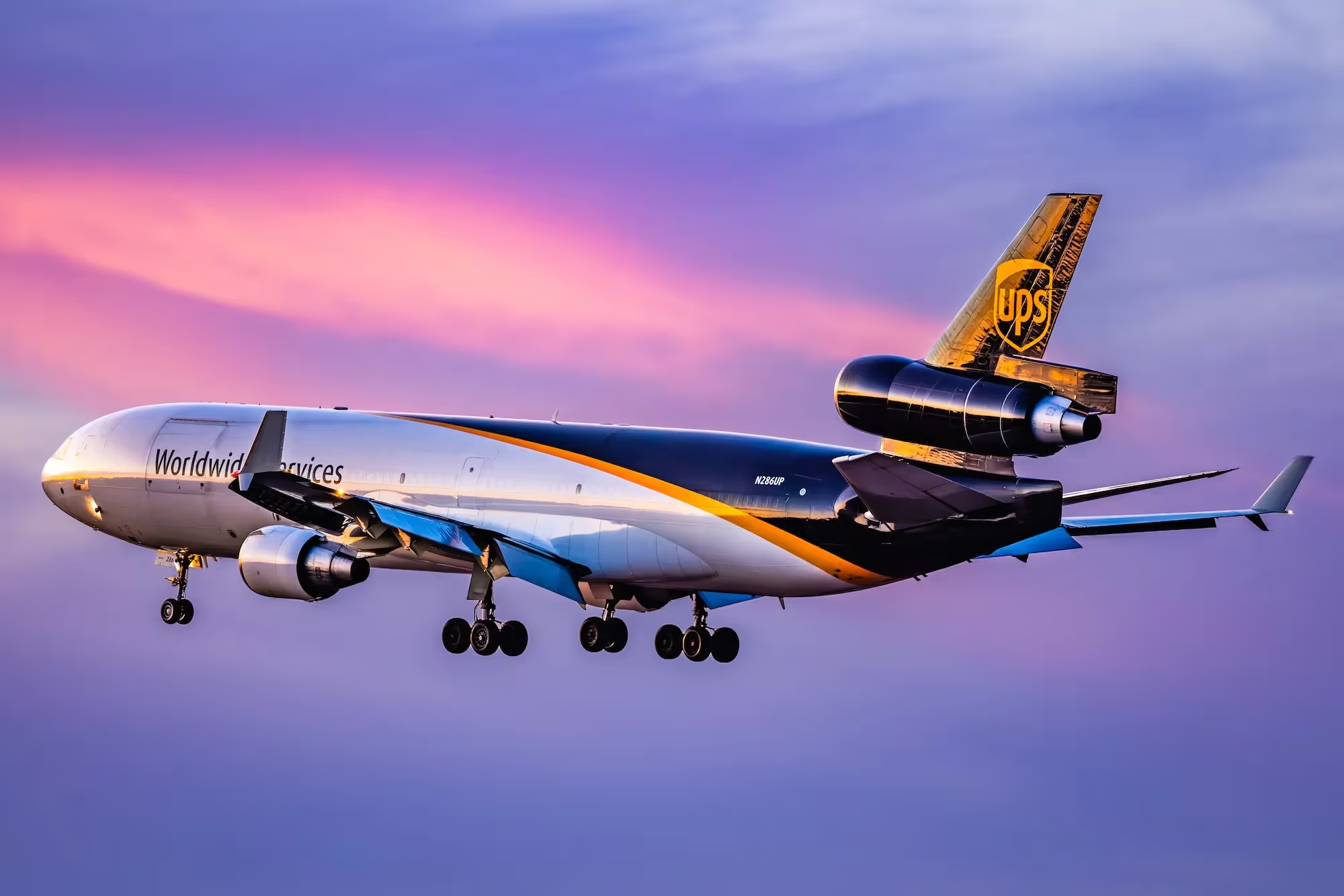
Featured image: Simone Chellini/Airways



.avif)