.webp)


FARNBOROUGH – SMBC Aviation Capital and BOC Aviation didn’t bring liveries or fanfare to Farnborough today, but they did quietly reshape the backbone of the global fleet by placing large orders of aircraft and engines. The biggest aircraft transactions announced today aren’t coming from airlines but from the lessors who supply them.
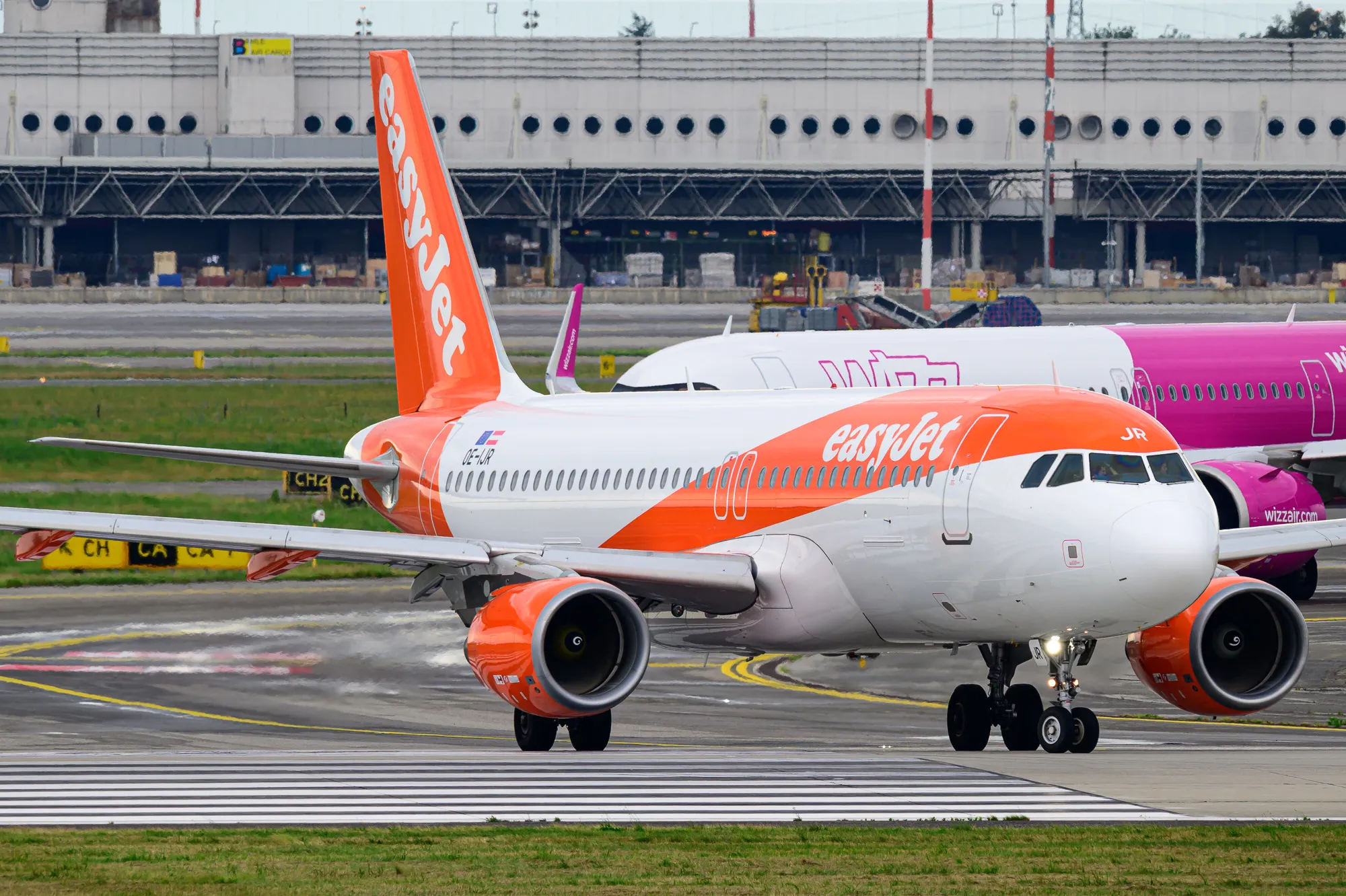
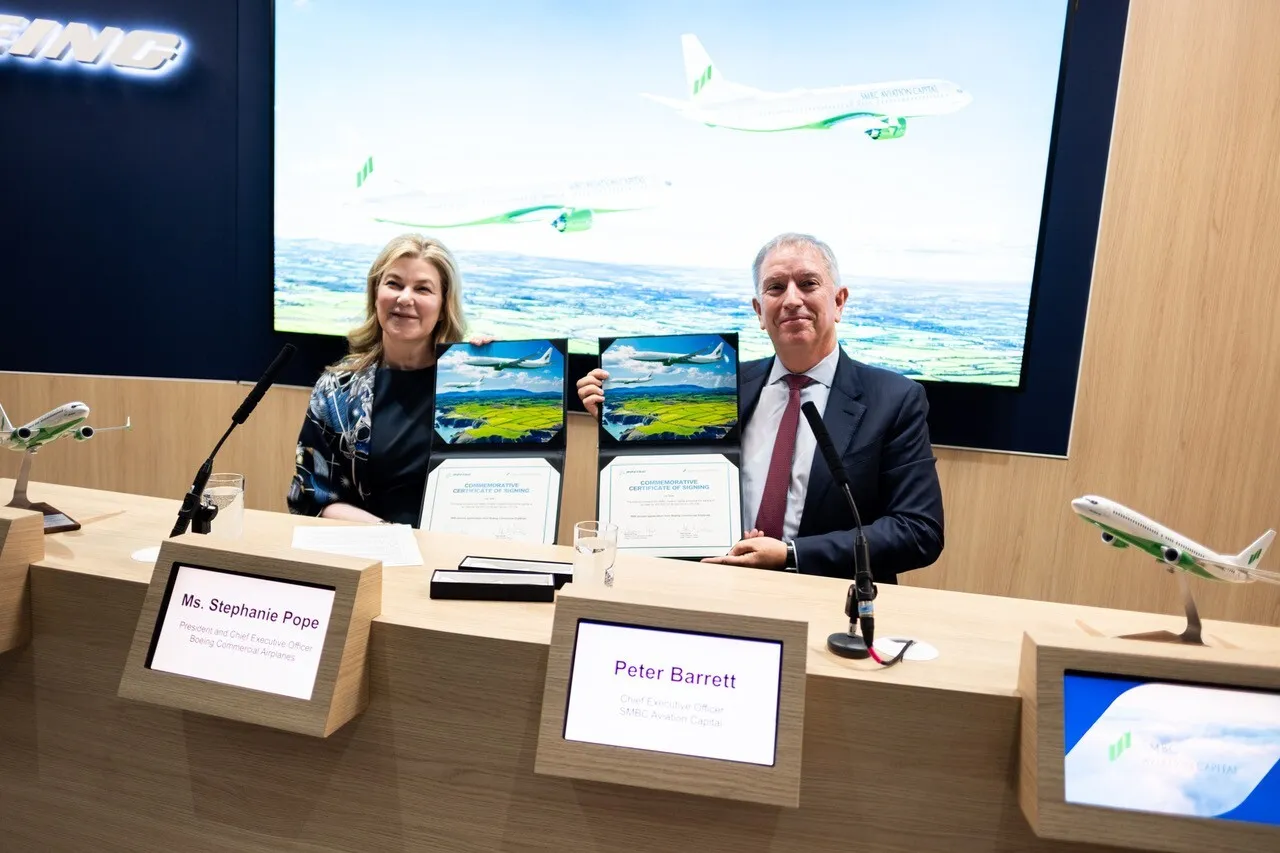
SMBC Aviation Capital, the Dublin-based lessor owned by Sumitomo Mitsui Financial Group and Sumitomo Corporation, signed for 200 new narrowbody jets. Boeing got an order for 100 737 MAX aircraft, 60 of them the larger -10 and 40 the -8 variant. Airbus got the same number: 65 A321neo and 35 A320neo. Then, the lessor went a step further and signed with CFM International for up to 90 more LEAP-1A engines to power the Airbus jets, 70 of them firm and 20 held as options.
Chief executive Peter Barrett called it a defining moment in the company's 25-year history, one built to keep new aircraft flowing to its airline customers all the way into the mid 2030s.
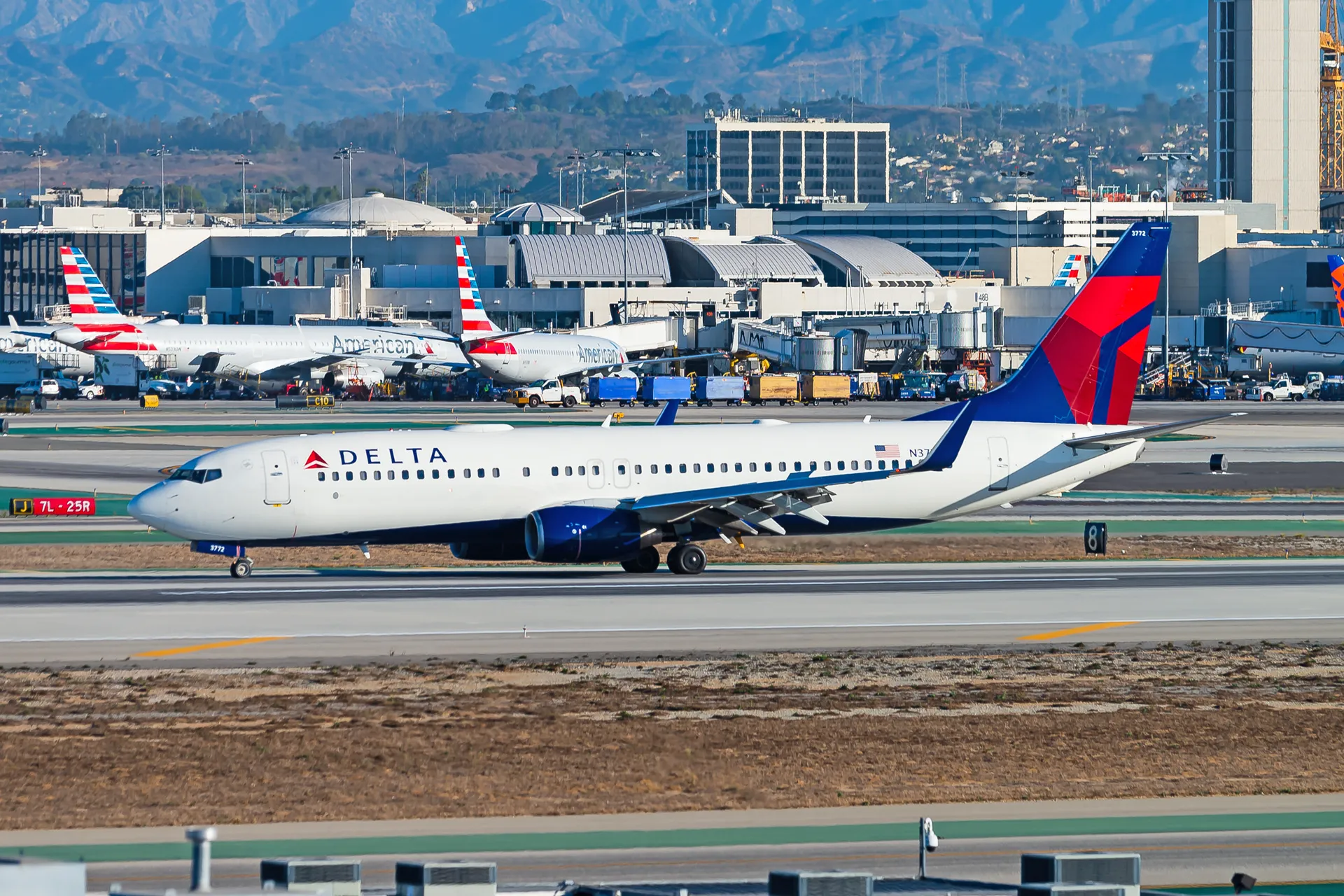
Hours later, on the same show floor, BOC Aviation, a Singapore-based lessor listed in Hong Kong and backed by the Bank of China, ordered and took options on up to 300 engines from CFM International, 200 LEAP-1A and 100 LEAP-1B. It is the largest engine transaction in the company's history. The engines are destined for Airbus A320neo family jets and Boeing 737-8s already existing in BOC Aviation's order book, aircraft the lessor had committed to buying long before it locked down the powerplants that would fly them.
"This is our largest ever engine transaction and it will support our growth from this decade into the next," said Steven Townend, the company's chief executive and managing director. CFM's own president, Gael Meheust, described BOC Aviation as an integral part of the engine maker's long-term strategy, a relationship built over more than a decade since the lessor's first LEAP order back in 2013.
Two announcements, neither one involving a passenger airline by name, and together they account for hundreds of aircraft and engines worth billions of dollars. That is not an accident of scheduling. It is how the leasing business works.
The Lessor Playbook
Lessors do not fly people anywhere. They buy jets, sometimes straight from the factory and sometimes by purchasing aircraft an airline already owns and leasing it right back to that same airline, and then they collect rent for years while the metal does the actual flying. What makes companies like SMBC and BOC Aviation different from the airlines they serve is money. Backed by major banking groups, they carry investment-grade credit and can borrow more cheaply than most carriers ever could. That allows them to commit billions of dollars to aircraft years before a single airline has agreed to fly them, betting that by the time the jets are built, demand will have caught up.
A single lessor order can eventually be spread across dozens of carriers on multiple continents, filling gaps for a startup in one region and a legacy carrier in another. For Airbus, Boeing and CFM, that scale is valuable in its own right. A big lessor order smooths out years of production planning that would otherwise depend on the far less predictable rhythm of individual airline budgets.
Today, roughly half of the world's narrowbody fleet flies under lease rather than airline ownership, a share that has climbed steadily for three decades according to data tracked by Cirium's Ascend consultancy. During the 2010s alone, the leased fleet grew by approximately 88%, reflecting the structural shift toward operating lessors. That number explains why a Farnborough order book filled with lessor names is not a footnote to the airshow story but a good part of the story itself.

A Market That Needs Them, and Is Testing Them
The backdrop makes the timing easy to understand. IATA counted about 35,550 commercial aircraft worldwide in mid 2025, with roughly 30,300 of them active, and it expects global passenger numbers to climb to about 5.2 billion in 2026, a jump of nearly 5% over the year before. Airlines are projected to carry those passengers at record load factors near 84%, squeezing every seat they can out of a fleet that is not growing fast enough to keep up.
IATA has calculated that the industry received roughly 5,284 fewer new aircraft than pre-pandemic projections expected between 2019 and 2026, a shortfall that has pushed the average age of the global fleet to about 15 years, the oldest it has ever been. Demand is rising while supply lags behind it, and that gap is exactly the environment in which lessors, with the financial support to commit years ahead of delivery, become more valuable to manufacturers and airlines alike.
None of that means the leasing business is having an easy run of it. The same production delays that make lessor orders so useful to Airbus and Boeing are also a headache for the lessors themselves, since aircraft they have already paid deposits on keep arriving later than planned, leaving portfolios and delivery schedules harder to plan around.
Engines have become a particular source of strain. The geared turbofan inspections tied to a powder metal defect in certain Pratt and Whitney engines have kept a meaningful number of A320neo family jets grounded for extended maintenance checks, and industry analysts expect that problem to take another two to three years to fully work through the fleet. CFM's LEAP engines, the very engines at the center of both the SMBC and BOC Aviation orders, are dealing with a version of the same story, as raw material shortages, a shortage of skilled maintenance labor, and crowded repair shops stretch out turnaround times and leave fewer spare engines available to keep leased aircraft flying while their own engines sit in the shop.
Money adds another layer of pressure. Major lessors are due to refinance close to US$19bn dollars in debt in 2026 alone, on top of funding the aircraft already sitting in their delivery pipelines, all while interest rates remain higher than lessors were used to for much of the last decade. Higher funding costs tend to flow straight through into higher lease rates for airlines, which is good for lessor profitability in the near term but adds to the affordability squeeze airlines are already feeling. Further, so much of a lessor's business rests on what an aircraft will be worth once the lease ends; engine reliability problems and maintenance delays complicate something lessors depend on just as much as new orders, an accurate read on residual value.
None of that has slowed the two companies that made news at Farnborough today. If anything, tight supply and strong demand are the exact conditions in which SMBC Aviation Capital and BOC Aviation have chosen to expand furthest. So, when they stepped up on the same day and signed for aircraft and engines with no airline logo attached, they were not doing something unusual. Instead, they were doing exactly what the largest lessors in the world do best: moving first, moving at scale, and trusting that the airlines will follow, even in a market where every part of that bet has gotten harder to make.
Featured image: Airways



.webp)