Portugal Awaits Binding TAP Bids From Air France-KLM, Lufthansa


.webp)
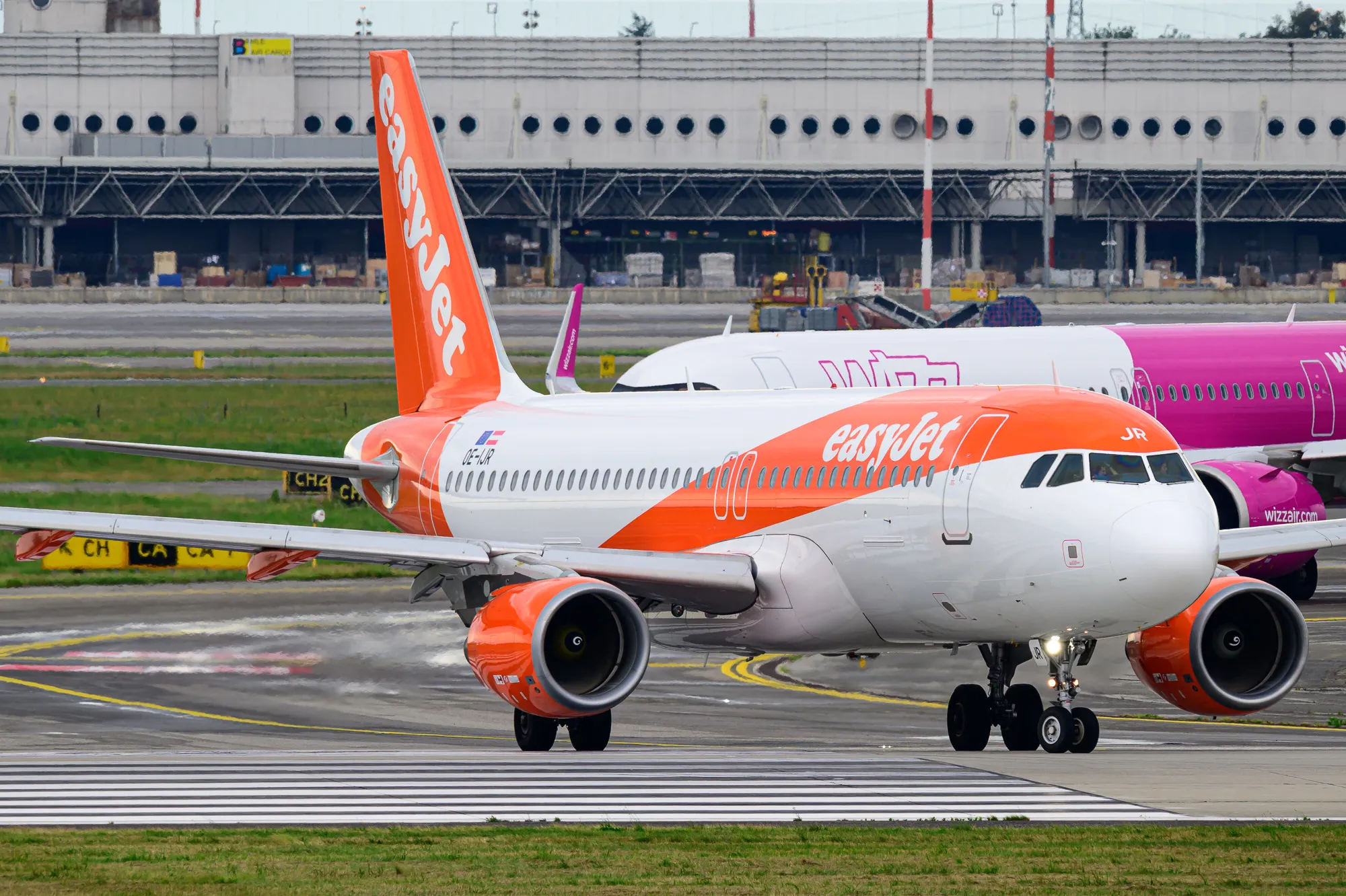


LISBON — Portugal is awaiting binding proposals from Air France-KLM and Lufthansa Group for a 44.9% stake in TAP Air Portugal (TP), bringing the flag carrier's partial privatization to its decisive competitive stage.
Reuters reported that the two groups face a July 29 deadline. The bid amounts, proposed governance rights, and detailed industrial commitments were not public at the time of drafting.
The transaction would not amount to a full sale. The state would retain 50.1% of TAP at this stage, while selling 44.9% to a reference investor and reserving up to 5% for employees. The winning airline group would therefore be a substantial minority shareholder negotiating meaningful management influence with a state majority owner.
Air France-KLM—the parent of Air France (AF) and KLM (KL)—and Lufthansa Group, led by Lufthansa (LH), were the only bidders to submit non-binding proposals by April 2. International Airlines Group did not proceed to that stage.
What Becomes Binding on July 29?
The April offers included an indicative price and broad industrial and strategic plans. The July submissions must convert that interest into proposals backed by internal approvals and detailed transaction terms.
Portugal's published bid rules require each binding offer to explain the governance and management rights the bidder wants, its approach to regulatory and competition approvals, and its objectives for TAP. The proposals must remain effective for at least 90 days and generally cannot include conditions other than those required by law.
That distinction matters. A binding bid gives Portugal a proposal it can formally evaluate and select; it does not mean the sale closes on deadline day. Regulatory review, definitive contracts, payment, and any remaining closing conditions would follow a government decision.
Portugal's stated selection criteria extend beyond the purchase price. The government will also assess the industrial plan, connectivity commitments, and the buyer's financial capacity.
The bidders have been asked to address growth at Humberto Delgado Airport (LIS) and Francisco Sá Carneiro Airport (OPO), connections to the Azores and Madeira, Portuguese communities abroad and Portuguese-speaking countries, fleet investment, maintenance and engineering, sustainability, and a 10-year growth plan.
Those requirements make this a contest over execution as much as valuation. In April, Infrastructure Minister Miguel Pinto Luz described the two preliminary industrial plans as close, ambitious, and aligned with the government's strategic requirements.
Air France-KLM and Lufthansa Offer Different Group Structures
Air France-KLM has presented TAP as a natural addition to its multi-hub model. In its statement accompanying the April non-binding offer, the group said Lisbon would become its Southern European hub, focused particularly on connections to the Americas and Africa, while it would also develop service elsewhere in Portugal, including Porto.
The Franco-Dutch group said its airlines planned up to 346 weekly flights across 29 routes linking Portugal with France, the Netherlands, and Belgium in summer 2026. It also emphasized its experience working with state shareholders, a relevant point in a transaction that leaves Portugal in majority control.
Lufthansa has emphasized continuity, scale, and its existing presence in Portugal. The German group said it wants to strengthen Lisbon as an Atlantic hub, preserve TAP's Portuguese identity, and expand connections to South America, Africa, and North America.
TAP and Lufthansa are already members of Star Alliance. Lufthansa Group airlines also operate more than 280 weekly flights to and from Portugal, and the group is building a Lufthansa Technik component-repair facility near Porto. Lufthansa expects that investment to increase its Portuguese workforce from more than 400 to about 1,000 by 2030.
Air France-KLM's core airlines belong to SkyTeam, creating a different alliance alignment from TAP's current position. Neither bidder, however, has publicly committed to a specific outcome for TAP's alliance membership, Miles&Go loyalty program, codeshares, or passenger benefits. Those matters should remain open questions until the offers or a later integration plan are disclosed.
TAP Brings a Distinct Atlantic Network
Airways has previously examined why TAP's Lisbon hub and Atlantic network are difficult assets for another European group to replicate. TAP says it operates more than 1,250 weekly flights to 88 cities, including 15 in South America, 10 in North America, and 13 in Africa and the Middle East.
That network gives a buyer established access to Brazil, Portuguese-speaking African markets, and the North Atlantic without building a new hub from the ground up. It also explains why Portugal has tied the sale to connectivity safeguards rather than evaluating price alone.
TAP enters the deadline with stronger first-quarter performance but continuing cost exposure. The airline reported an 11% increase in first-quarter operating revenue to EUR 914.4 million, while passenger numbers rose 6.4% to 3.7 million and load factor improved 4.8 percentage points to 83.5%.
Recurring earnings before interest, taxes, depreciation, and amortization improved by EUR 92.6 million to EUR 95.5 million. Recurring operating profit remained negative, however, with an EBIT loss of EUR 36.1 million in the seasonally weaker quarter.
For full-year 2025, TAP recorded a EUR 4.1 million net profit on EUR 4.313 billion in operating revenue. It was the airline's fourth consecutive annual profit, but the narrow bottom line and TAP's warning that higher fuel prices would pressure subsequent quarters show why financial capacity and an executable industrial plan matter to Portugal's choice.
What Happens After the Bids Arrive?
State holding company Parpública must evaluate the binding proposals and send a report to the government within 30 days of the deadline. That clock can be extended or paused while the company seeks clarifications.
The Council of Ministers can then select a bid, invite one or both groups into an optional negotiation stage for improved final proposals, or reject all offers if they do not satisfy the published criteria. The government previously targeted a decision between late August and early September, although that timetable is not the same as a transaction closing date.
For passengers, the July 29 deadline does not itself change TAP's flights, tickets, alliance membership, or loyalty program. The immediate milestone is the conversion of two strategic proposals into enforceable offers. Operational changes would depend on the bidder Portugal selects, the shareholder agreement it negotiates, and the regulatory approvals that follow.
Featured image: Nuno Seletti/Airways




.webp)