

.webp)
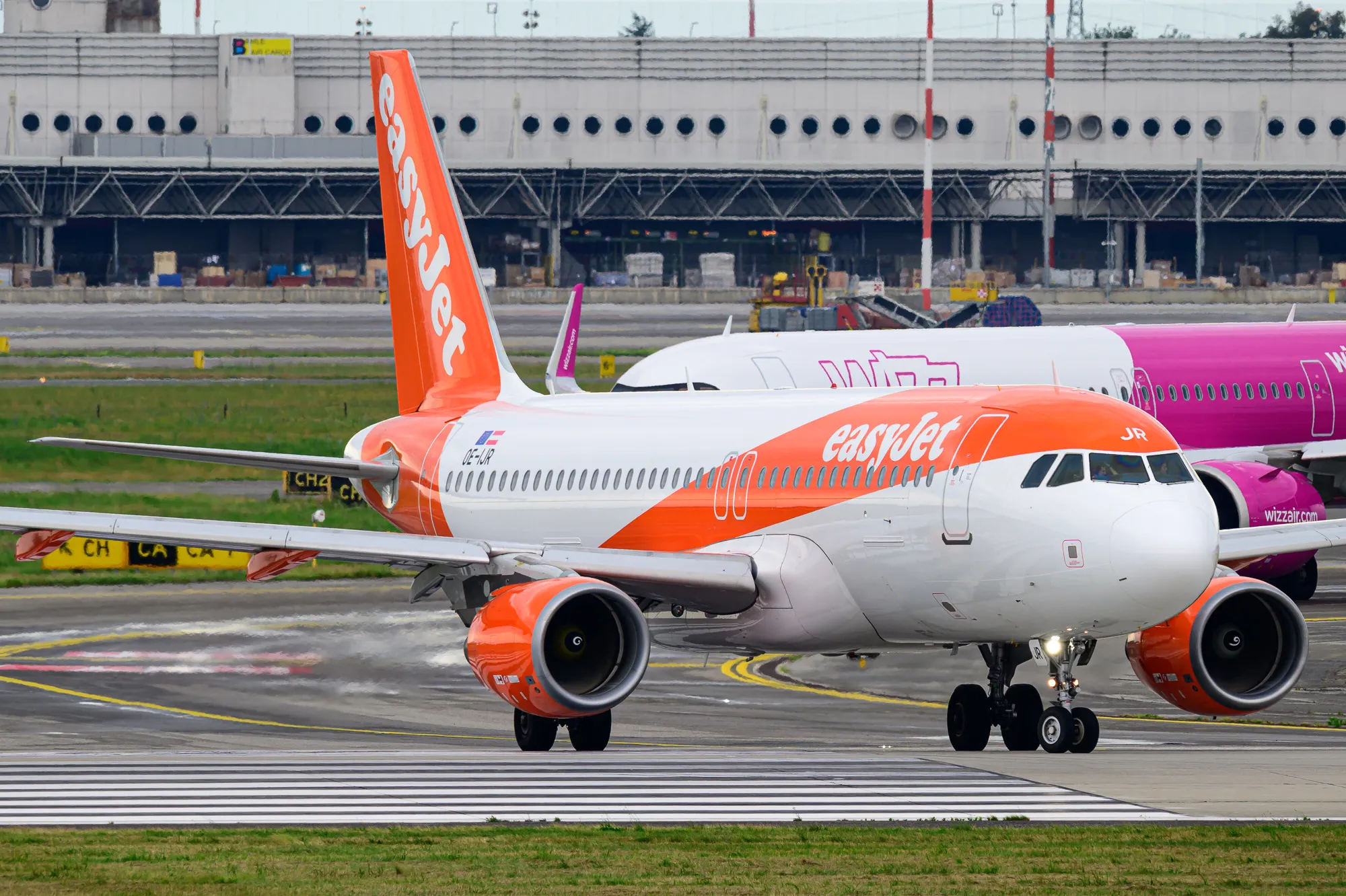

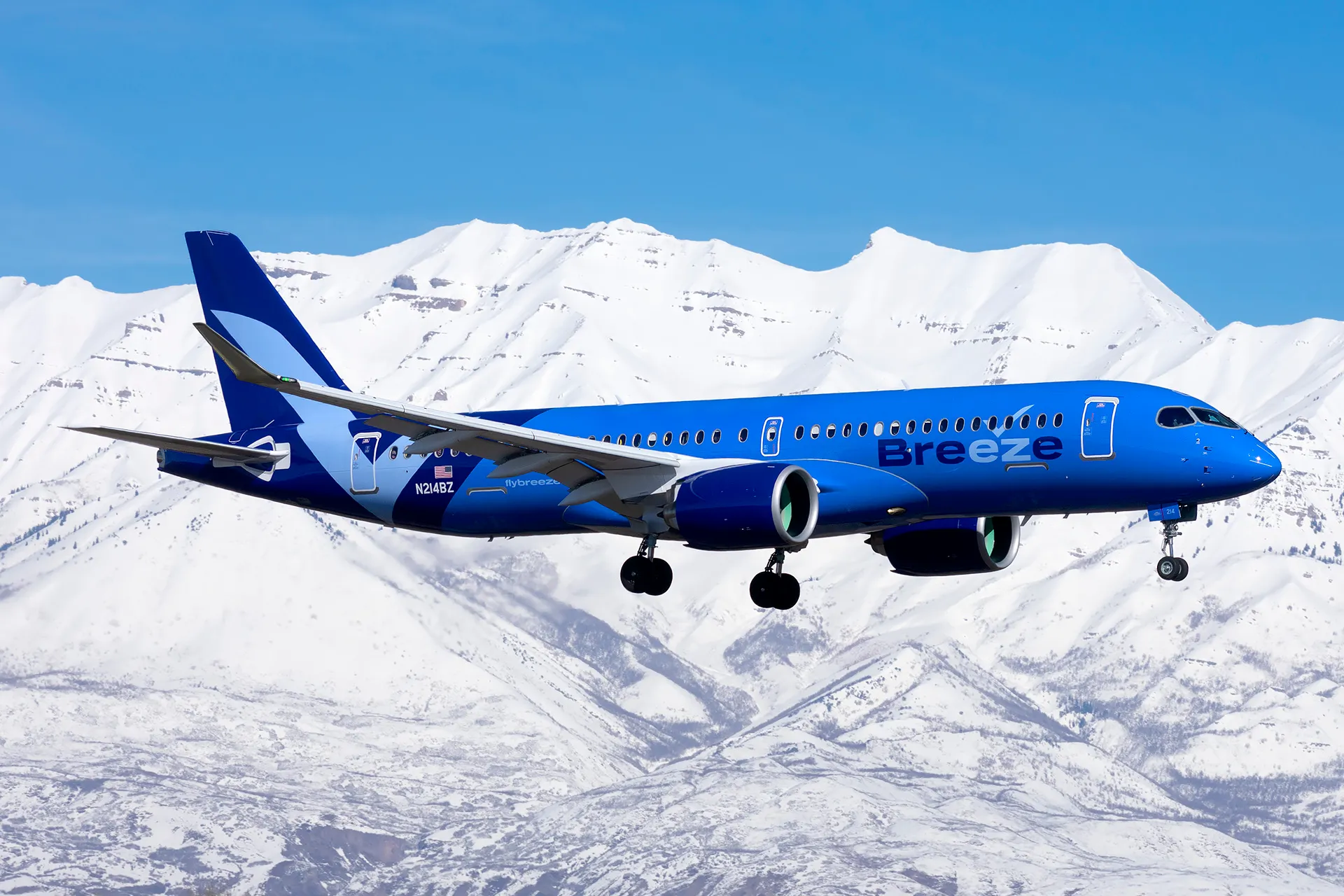

BUDAPEST — Wizz Air (W6) will bring Starlink satellite internet to its fleet from 2027, becoming the first European ultra-low-cost carrier to commit to the SpaceX-powered inflight connectivity system. But the announcement also raises a larger industry question: when airlines make high-speed Wi-Fi free or near-frictionless, what is the passenger really trading?
The airline has not disclosed the commercial terms of its Starlink agreement, nor has it confirmed whether the onboard service will be free, paid, or tied to a Wizz account or loyalty mechanism.
The common message is that W6’s move is intended to improve the inflight passenger experience with high-speed connectivity; however, the carrier has not revealed the deal’s financial terms, which is all well and good... but we do wonder.
The real tradeoff behind “free” Wi-Fi
The privacy question is not as simple as “Starlink sells your browsing history.” A more realistic reading is that airline Wi-Fi creates a layered data environment: the satellite internet provider, the airline, the captive portal, and sometimes the loyalty program may all have roles in authentication, network management, service delivery, marketing, and legal compliance.
That distinction matters because Starlink is not only a hardware supplier. In airline implementations, it can function as the internet service provider behind the onboard connection. British Airways’ Starlink Wi-Fi terms, for example, say its service is provided by IAG Connect on behalf of British Airways and is “powered by Starlink acting as the Internet Service Provider.”
British Airways’ terms also show how broad the operating layer can be. They state that content and associated data sent or received through the service may be transmitted, processed, or stored across networks and countries, and that British Airways, IAG Connect, and Starlink may disclose usage records or other collected information to law enforcement if legally required.
Network management is not a neutral pipe
Airline Wi-Fi services are also managed networks, not a private home broadband connection in the sky. British Airways’ terms say the service may use technical means to identify, inspect, remove, block, filter, or restrict access to certain content, websites, applications, or online services for network-management or legal reasons.
That does not mean an airline or Starlink is reading the contents of an encrypted banking session. HTTPS, app encryption, and VPNs still matter. But it does mean passengers should not think of free inflight Wi-Fi as an entirely neutral pipe. At minimum, the network operator can generally process technical and usage metadata needed to authenticate devices, route traffic, manage bandwidth, comply with laws, and troubleshoot performance.
The AI policy issue
The broader Starlink privacy concern intensified after Reuters reported that Starlink updated its global privacy policy, effective January 15, 2026, to allow consumer data to be used to train machine-learning or artificial intelligence models unless users opt out. Reuters reported that the policy was not fully clear about exactly which data categories could be used for AI training.
The Reuters report added the categories collected by Starlink can include location information, payment data, contact details, IP addresses, communication data, and inferences made from other personal information. That does not prove that airline passengers’ browsing history will be used for AI training. It does, however, show why vague data-use language matters when a satellite internet provider expands into mass inflight connectivity.
Airlines want more than connectivity
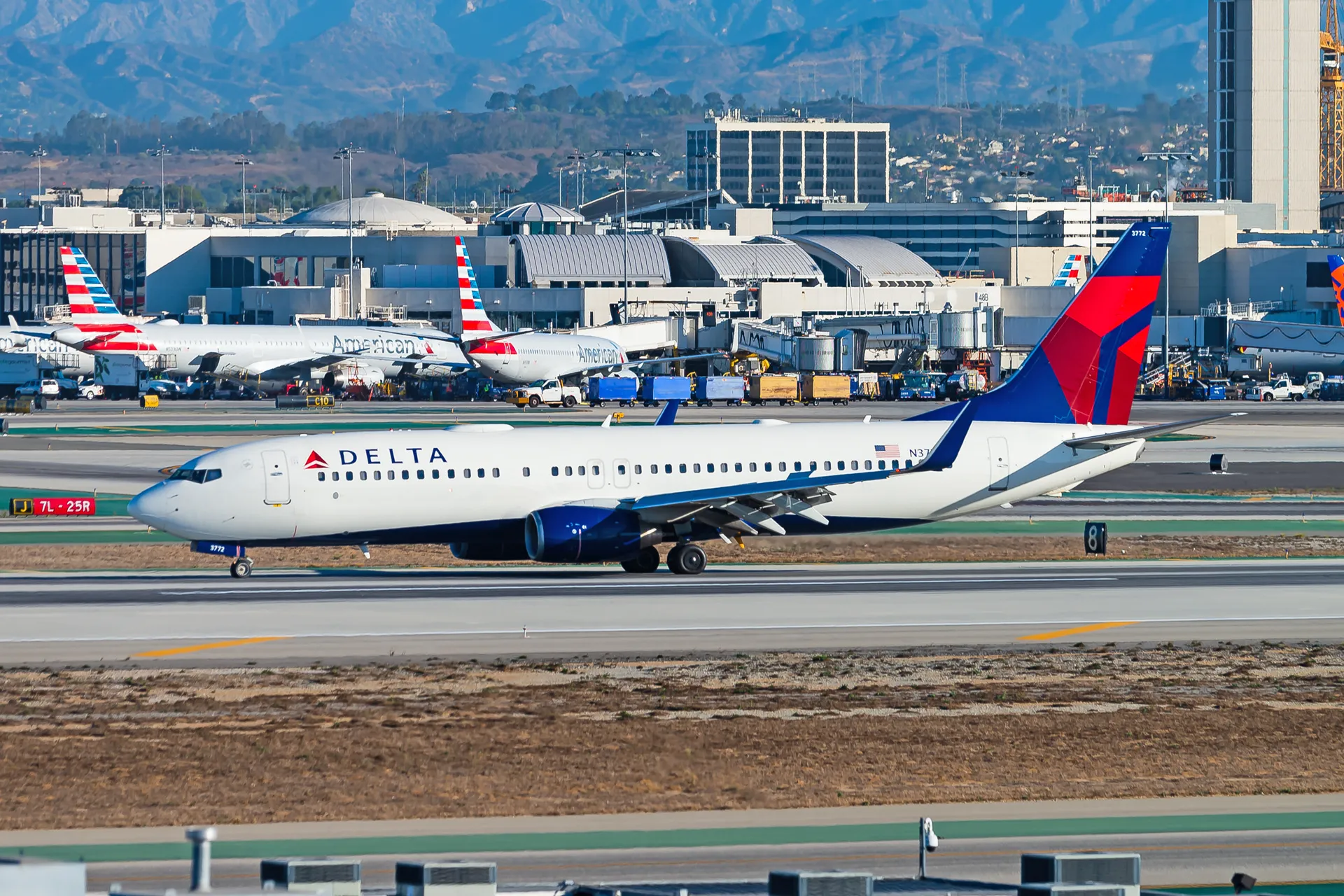
For airlines, free Wi-Fi has become more than a passenger amenity. It is increasingly a loyalty and customer-data tool. United Airlines (UA) signed a large Starlink agreement covering more than 1,000 aircraft and said Starlink service on United aircraft would be free. Delta Air Lines (DL) requires SkyMiles membership for fast, free Delta Sync Wi-Fi on most domestic U.S. flights, while Delta’s own Delta Sync page promotes personalized content and partner offers unlocked through SkyMiles login.
American Airlines (AA) has also moved toward free Wi-Fi for loyalty members, rolling out free inflight Wi-Fi to AAdvantage members in partnership with AT&T.
That is the key commercial model. The airline may pay for connectivity because it improves customer satisfaction, supports premium positioning, and pushes passengers into account-based ecosystems. Once a passenger logs in, the airline can connect onboard behavior with loyalty identity, booking history, route preferences, ancillary spending, co-branded card economics, and future marketing.
Wizz Air’s low-cost tyest
For Wizz Air, Starlink could be especially interesting because ultra-low-cost carriers traditionally monetize almost every add-on. A free or bundled high-speed Wi-Fi product would therefore represent a notable shift from pure ancillary pricing toward digital engagement, advertising, account creation, or a hybrid model.
But until Wizz discloses access terms, the safest wording is that the airline will offer Starlink connectivity from 2027, not necessarily that it will offer free unlimited Starlink to all passengers.
The cost side is also unresolved. Reuters reported earlier this year that Ryanair (FR) CEO Michael O’Leary estimated current Wi-Fi systems could create a fuel-drag penalty costing roughly US$200 million annually across Ryanair’s fleet, while saying passengers may not be willing to pay enough to justify the economics.
What passengers should assume
The practical privacy takeaway is not panic, but realism. Passengers should assume that an inflight Wi-Fi session can generate metadata: device identifiers, login/account events, IP addresses, usage records, network-performance information, and possibly location or jurisdiction-linked data depending on the provider and applicable law.
For sensitive work, passengers should still use HTTPS, a reputable VPN, multi-factor authentication, and avoid transmitting highly sensitive information over public inflight networks unless necessary. They should also check whether the airline or Starlink account offers privacy controls, including AI-training opt-outs where applicable.
Welcome to the ecosystem
Wizz Air’s Starlink deal is part of a larger shift in airline connectivity. High-speed Wi-Fi is moving from a paid luxury to an expected onboard utility. But the “free” model is not just a gift to passengers.
The likely tradeoff is not direct monetization of browsing history. It is a broader ecosystem in which airlines gain loyalty engagement, Starlink gains aviation market share and network data, and passengers exchange some degree of account, device, and usage visibility for fast connectivity at 35,000 feet.
The question is no longer only which airline has the fastest Wi-Fi. It is who controls the portal, who processes the data, what passengers must log into, and how clearly airlines explain the bargain behind “free.”
Featured image: Lorenzo Giacobbo/Airways




.webp)