Boeing 737-10 Completes Final Planned Certification Flight


.webp)


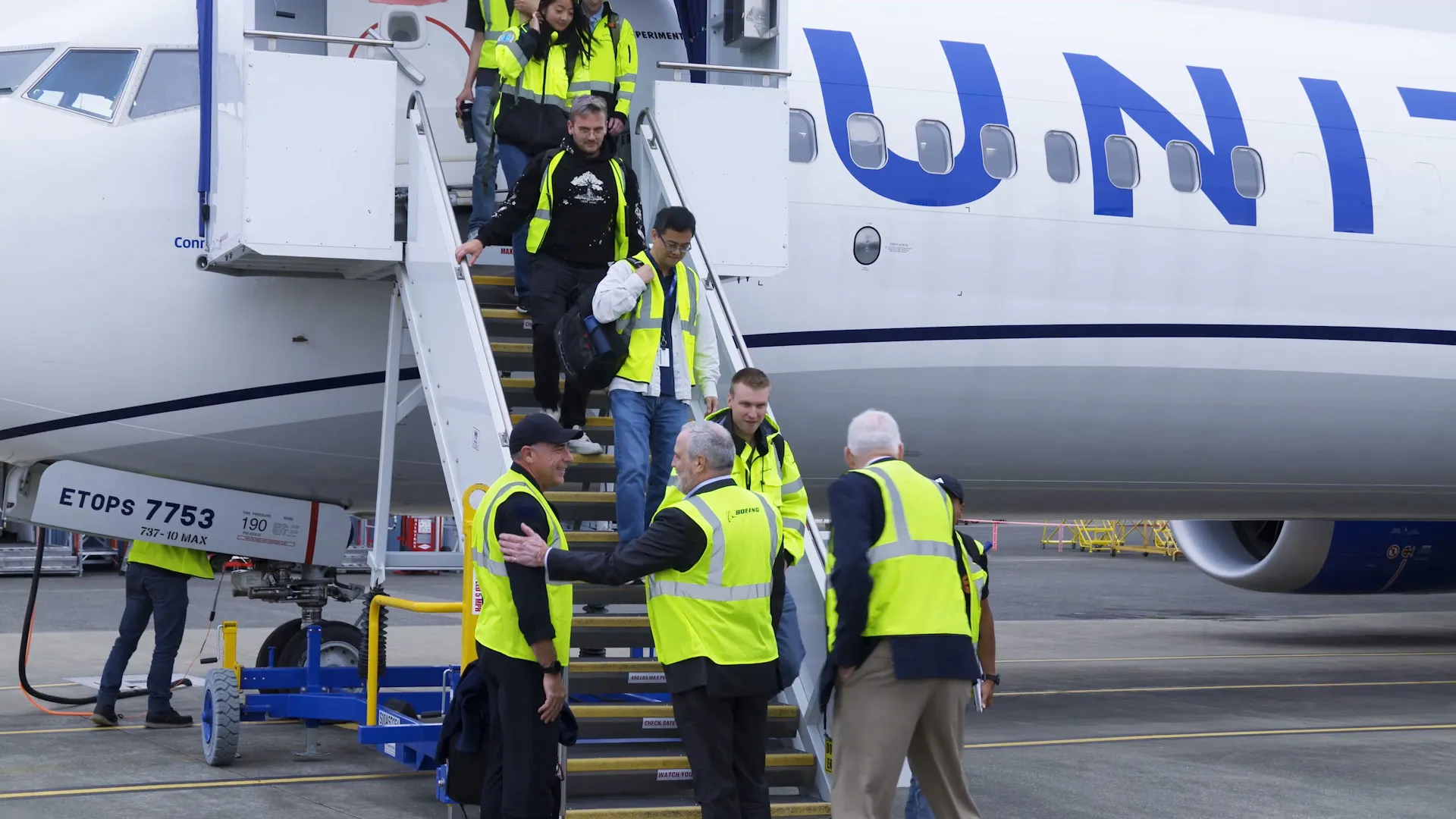
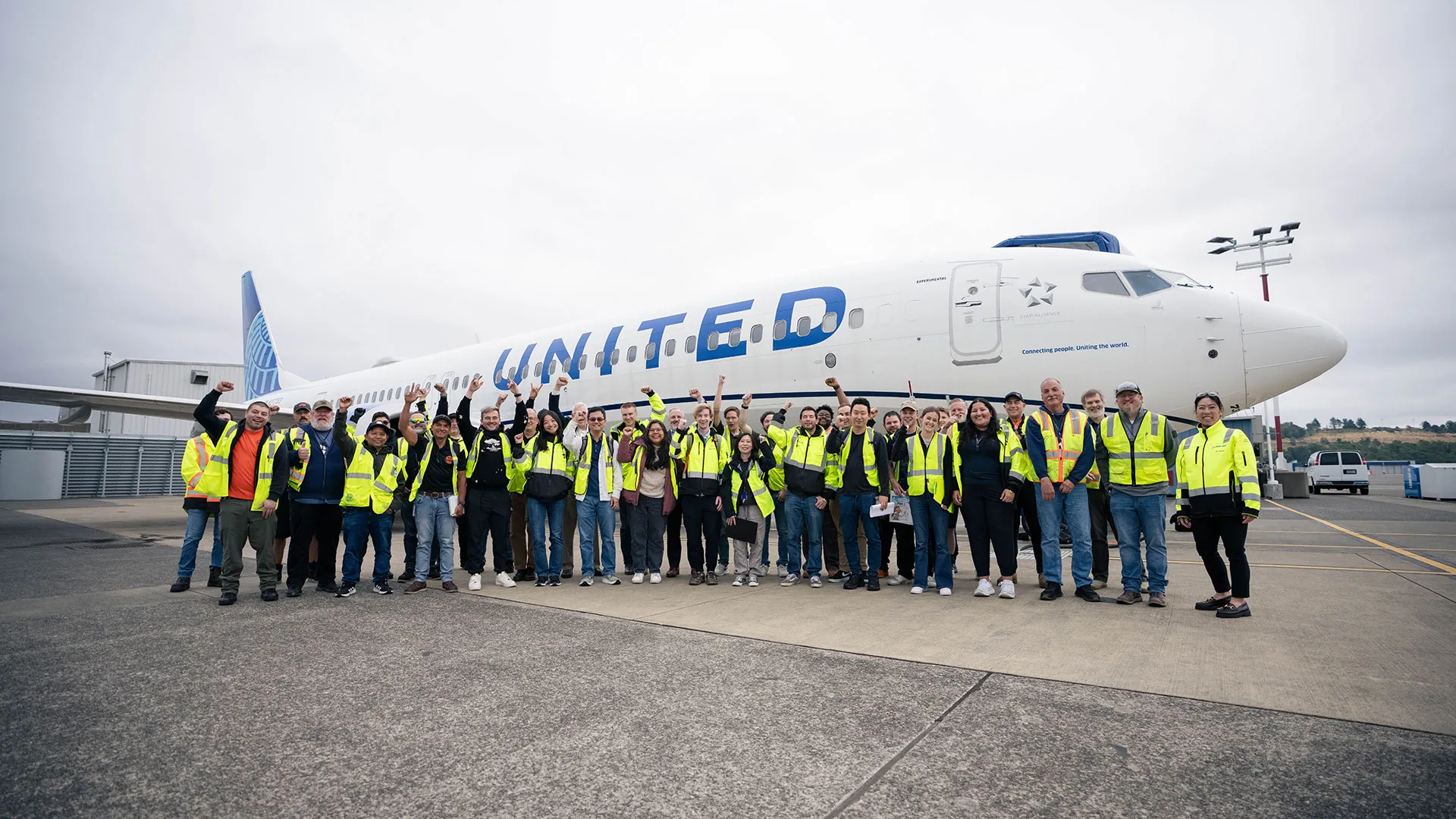
SEATTLE — Boeing has completed the final planned certification flight for the 737-10, ending a flight-test campaign that accumulated 976 flights and more than 2,060 flight hours.
The manufacturer said the campaign also included about 1,040 hours of ground testing. Three test aircraft—1G001, 1G002, and 1G003—were used to evaluate the largest member of the 737 MAX family.
The final flight departed from and returned to King County International Airport-Boeing Field (BFI). Rather than a high-speed or handling test, the last event was an interiors evaluation to confirm that crews could hear the lavatory smoke-detector alert and cabin speaker system.
Completing that flight is a major program milestone, but it is not the same as receiving certification. Boeing still has documentation, assurance, and safety-analysis work to close before the Federal Aviation Administration (FAA) makes its regulatory decision.
What Work Remains Before Certification?
The FAA describes flight-test completion as the milestone ending the test phase. The following certification phase requires the applicant to finish compliance findings and documentation while the agency verifies that all requirements have been satisfied before issuing a type certificate or, for a derivative such as the Boeing 737-10, an amended type certificate.
Boeing reports that its third development assurance review is complete, while the fourth is 60% complete. The company lists system safety assessments at 32% complete. Those percentages are Boeing's measures of work progress; they do not indicate that the FAA has approved an equivalent share of the aircraft's certification.
The remaining work therefore centers on closing those reviews and assessments and submitting the final deliverables to the FAA. Boeing continues to target certification in 2026 and the first customer delivery in 2027, but the regulator has not announced an approval date.
That distinction also applies to the FAA's recent decision to allow Boeing to resume issuing individual airworthiness certificates for 737 MAX and 787 aircraft under agency oversight. An airworthiness certificate concerns an individual production aircraft at the end of the manufacturing process. The 737-10 still needs approval of its design before customer aircraft can reach that delivery stage.
Test Campaign Covers Two Fleetwide Changes
Boeing said the flight and ground campaign covered the 737-10's main landing gear, braking on wet runways, maximum-energy stops, and hundreds of aircraft systems. It also tested two changes that extend beyond the new variant: an updated engine anti-ice system and an enhanced angle-of-attack system.
The engine anti-ice work followed Boeing's identification of rare conditions in which the system could overheat without pilot intervention or a design change. The enhanced angle-of-attack system is intended to simplify flight-deck indications and suppress erroneous warnings.
Boeing says both changes will be introduced in production across the Boeing 737 MAX family and retrofitted to aircraft already in service. The company did not provide a production-entry or fleet-retrofit schedule in Tuesday's announcement, leaving the implementation timing to be confirmed.
A Five-Year Flight-Test Program
The Boeing 737-10 completed its first flight on June 18, 2021, flying from Renton, Washington, to Boeing Field. At the time, Boeing scheduled the variant to enter service in 2023.
The current plan moves the first handover into 2027, four years after the original 2023 service-entry target. That history makes completion of planned flying significant, while also showing why the remaining date must be treated as a company expectation until the FAA finishes its review.
The three test aircraft will eventually be refurbished for customers. Boeing said that work will include removing flight-test instrumentation and installing customer cabins, paint, and interior finishes, but it did not identify the eventual operators or delivery sequence.
Why the 737-10 Matters to Airlines
The Boeing 737-10 is designed for airlines seeking more seats within the 737 MAX family. Boeing advertises capacity for up to 230 passengers and a range of 3,100 nautical miles, positioning the aircraft for higher-capacity short- and medium-haul flying rather than the longest missions served by smaller MAX variants.
Its certification timing affects a broad set of fleet plans. Alaska Airlines (AS), for example, placed a firm order for 105 737-10s and took options for 35 more in January, with deliveries extending through 2035. At the Farnborough International Airshow this month, SMBC Aviation Capital ordered 60 737-10s as part of a 100-aircraft Boeing agreement, giving the lessor aircraft it can place with multiple airline customers.
For those operators, type certification is only the start of the induction process. Aircraft still must be completed and accepted, crews and maintenance programs must be prepared, and individual deliveries must receive the required approvals. Passenger-service dates will depend on each customer's delivery position and operational readiness.
The immediate milestone is now on the ground rather than in the air: Boeing must finish its remaining assurance and system-safety work, and the FAA must decide whether the completed package demonstrates compliance. Until that happens, the final planned test flight brings the 737-10 closer to service but does not yet clear it for delivery.
Featured image: Ryan Coe/Boeing


.webp)