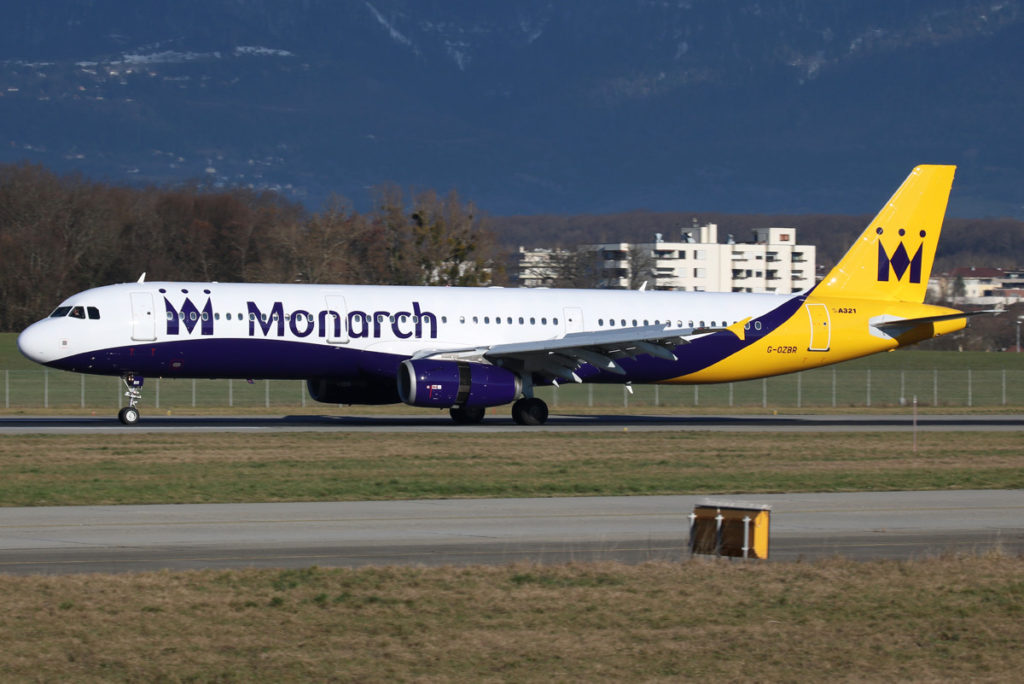
On October 2, 2017, Monarch Airlines (ZB) ceased operations and entered administration. All its flights were canceled. The UK Civil Aviation Authority (CAA) later described the collapse as the country's largest airline failure at the time.
The airline began flying on April 5, 1968, with a charter service from London Luton Airport (LTN) to Madrid, using a Bristol Britannia formerly operated by Caledonian Airways. Its first commercial jet service followed on December 13, 1971, using a Boeing 720B.
Fleet and Network Growth
Monarch's first new Boeing 737 joined the fleet in 1980. According to Travel Weekly's timeline published on the day of the collapse, it launched flights from Gatwick, Manchester and Glasgow in 1981 and carried one million passengers that year.
On May 1, 1988, Monarch began long-haul flying to Orlando with a Boeing 757. The Aviation and Aerospace Archives Initiative identifies it as the first British company certified for extended-range twin-engine operations.
Greybull Capital acquired 90% of the Monarch group in October 2014. The airline refocused on short-haul leisure routes, but further financial difficulties followed.
Closure and Repatriation
When Monarch entered administration, the CAA provisionally suspended its air operator certificate and proposed revoking its operating and route licenses. Monarch Aircraft Engineering did not enter administration with the rest of the group.
About 110,000 Monarch customers were overseas when the group failed. The government instructed the CAA to bring them home regardless of whether their bookings had financial protection under the Air Travel Organisers' Licence (ATOL) scheme. The CAA secured more than 60 aircraft from 24 airlines and ultimately flew 85,000 people back to the UK over two weeks.
That was Britain's largest peacetime repatriation at the time. A larger operation followed Thomas Cook's collapse in September 2019, when the government said around 140,000 people were flown home.
Featured image: Alberto Cucini/Airways